Published: 20 May 2026. The English Chronicle Desk. The English Chronicle Online
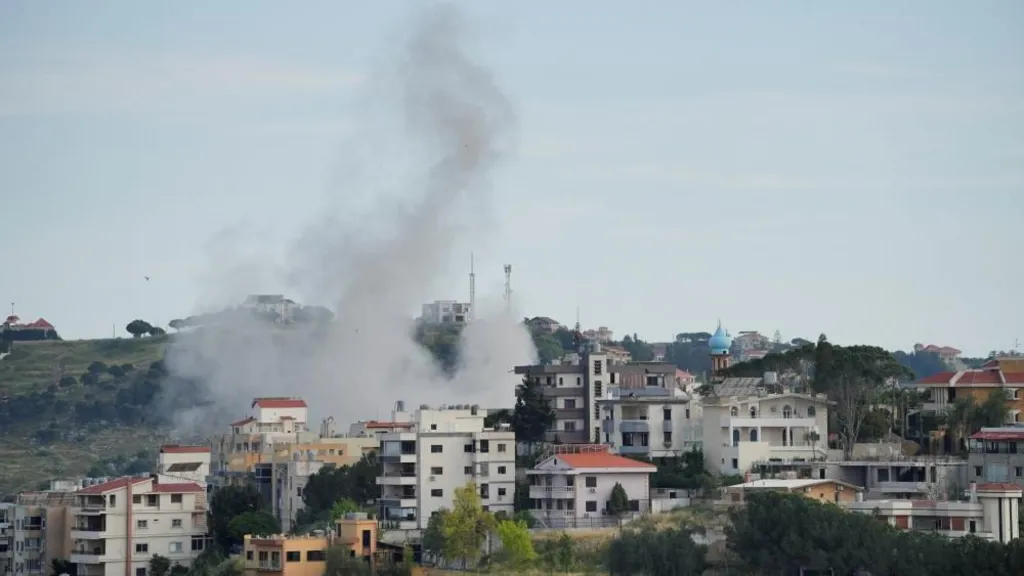
In a devastating escalation that has further strained the U.S.-brokered ceasefire currently governing the Israel-Hezbollah conflict, at least 19 people—including women and children—were killed in a series of Israeli airstrikes across southern Lebanon on Tuesday. The strikes, which Lebanese health officials have termed a “massacre,” targeted multiple locations, including the village of Deir Qanoun al-Nahr in the Tyre district, where a single blast obliterated a residential home. The casualty count, which rose steadily throughout the day as rescue workers combed through the rubble, represents the most significant loss of life in a single day of operations since the truce was extended just two days ago.

The violence marks a grim departure from the relative lull that had been observed since the 45-day extension of the ceasefire began on May 17. Despite the diplomatic efforts currently being mediated by Washington—with direct talks between Israeli and Lebanese delegations scheduled to continue through June—the security track remains effectively deadlocked. The strikes hit multiple locations, including the southern city of Nabatieh and the village of Kfar Sir, causing widespread destruction to residential areas, local shops, and infrastructure. In Deir Qanoun al-Nahr, the death toll included three children and three women, according to the Lebanese Ministry of Health, leaving survivors in a state of shock as they attempt to account for those still missing under the debris.
The Israeli military has remained largely silent regarding specific casualty reports from these incidents, though it did confirm that its forces had targeted more than 25 sites of Hezbollah infrastructure between Monday and Tuesday afternoon. The strikes come amidst a backdrop of “near-daily” friction, with Israel maintaining its right to self-defense against what it describes as “imminent or ongoing” threats from Hezbollah fighters. The militant group, meanwhile, has reported persistent, ongoing clashes with Israeli ground forces attempting to advance near the town of Haddatha, claiming to have engaged in direct combat and destroyed an Israeli tank. The Israeli Defense Forces (IDF) also confirmed the death of a deputy company commander from its 551st Brigade in southern Lebanon on Tuesday, bringing the total number of Israeli soldiers killed in the campaign to 21.
This ongoing “asymmetric” conflict has created a humanitarian crisis of historic proportions. With over 1.2 million people internally displaced—representing more than 20% of Lebanon’s population—the country is grappling with a profound “resilience deficit.” Families who had hoped that the 45-day truce extension would provide a window for stabilization are now facing the harsh reality of continued bombardment. The humanitarian situation is further compounded by the disruption of vital services, including healthcare centers and supply chains, which are being systematically compromised by the proximity of the conflict to civilian populations. International observers warn that the “accountability rot” resulting from the lack of a robust, enforced peace agreement is pushing both sides toward an irreversible, total-war scenario.

As the diplomatic community watches with “speechless determination,” the primary concern remains the risk of the conflict expanding into a wider regional confrontation. While U.S. diplomats continue to press for progress in the upcoming security-track negotiations—set to begin on May 29—the reality on the ground remains dictated by the daily, violent exchange of fire. For the residents of southern Lebanon, the promise of a ceasefire has become a hollow abstraction, eclipsed by the immediate, “nasty” necessity of survival. As the smoke rises over the Tyre and Nabatieh districts, the path toward a sustainable peace appears increasingly obscured by the debris of a war that shows no sign of yielding to diplomacy.
Related News:
 Middle East Crisis Escalates as Oil Routes Shake Markets
 Months of Planning Behind US‑Israeli Mission to Target Iran’s Supreme Leader
 Cooper: Joining US Strikes on Iran ‘Not in Britain’s Interest’
 What Khamenei’s Death Means for Russia and China
 Trump’s Iran Endgame Unclear After Mixed Messaging on War Aims
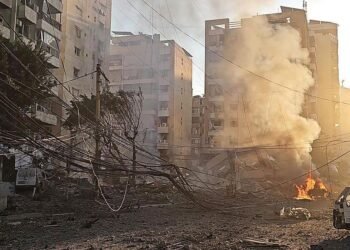 Israel Launches Fresh Strikes on Tehran & Beirut; US Warns “Hardest Hits” Ahead
 UK Prepares Aircraft Carrier for Middle East Crisis
 Ukraine war briefing: Zelenskyy offers help to Saudi Crown prince on combatting Iranian drones
 Saudi Arabia Urging US to Keep Up Iran Attacks
 Death, displacement and military duties: children plunged into crisis
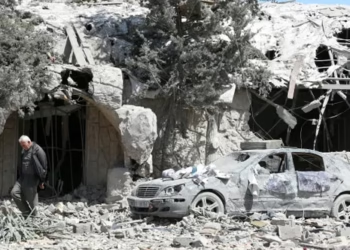 Netanyahu Vows Continued Lebanon Strikes Amid Peace Talks
 US and Iran Pursue Extension of Ceasefire via Pakistan
 Ukraine Urges UK to Seize Russian Oil Tankers
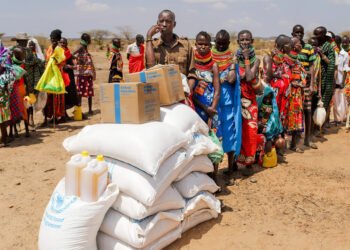 Aid Crisis Grows as Hormuz War Disrupts Supply
 Activists allege abuse after Gaza flotilla seizure
 Global order shifts amid Trump-era turmoil
 Tensions Emerge in Netanyahu-Trump Alliance
 Putin Declares Russia Victory at Scaled Victory Day Parade
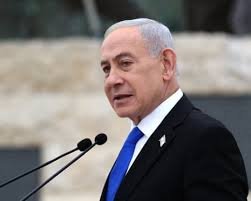 Netanyahu Calls Early Election Amid Coalition Turmoil
 Gulf states warn Trump Iran strikes risk wider Middle East war
 Machado Trump medal gesture reshapes Venezuela power struggle
 Greenland defence seen as shared Nato duty amid troop arrivals
 Trump Receives Machado’s Nobel Medal in White House Meeting
 Syria President Declares Victory as Ceasefire Reached with SDF
 US Considers Asylum for British Jews Amid Rising Antisemitism
 Iran Says ‘Guiding Principles’ Agreed With US at Nuclear Talks
 Iran’s Regime Still Intact — Coming Days Will Test Its Survival
 Allies of US in the Gulf Bear Brunt of Iran Attacks
 Hopes and Fears as US Iranians Take to Streets After Toppling of Supreme Leader
 Iran, the US, and a World Cup That Starts in Three Months
 In Maps: Strikes Across Iran and the Middle East
 UK Will Allow US to Use Bases to Strike Iranian Missile Sites, PM Says
 US Iran Operation: Sixth Service Member Killed
 Hezbollah Anger Erupts as War Returns to Beirut
 The Third Day of the US‑Israeli War With Iran
 Why the US and Israel attacked Iran
 Israel Launches Ground Invasion of Lebanon Amid Widening Middle East War
 Civilian Deaths in Iran Pass 700 Amid Fear of Bombs and Regime Clampdown
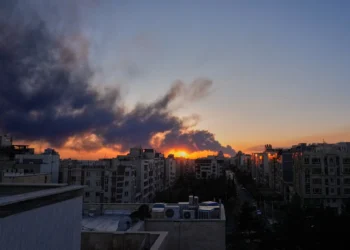 Middle East attacks intensify as Trump rejects Iran talks
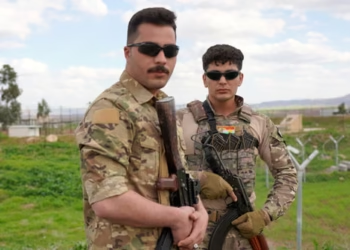 Iran-Iraq border airstrikes spark new tensions
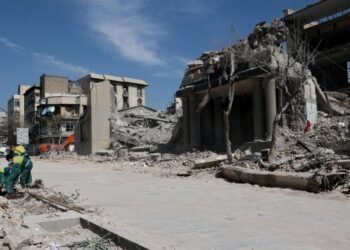 US Senate Backs Trump War Powers Amid Iran Missile Barrage
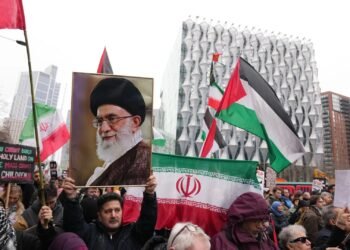 Thousands Protest Iran Strikes Outside US Embassy London
 US Bombers Arrive at RAF Base Amid Rising Iran Tensions
 Nine Days of Strikes Reshape the Middle East
 Ukraine Sends Drone Experts to Defend US Bases in Jordan
 Ancient Heritage Sites Damaged in Recent Airstrikes
 Yvette Cooper: UK Must Follow Principles, Not US Pressure
 Trump Iran War Stance Hardens as Conflict Widens
 Kabul hospital strike sparks deadly blame row
 Ghalibaf Iran: Survivor Emerges in Shifting Power Game
 Gulf Distrust Grows Over Rumoured US-Iran Peace Talks
 WHO Warns of Health Crisis Unfolding in Middle East
 Trump Threatens Iran With Total Infrastructure Destruction
 Trump Slams Europe as Transatlantic Tensions Boil Over
 Trump Issues Stark Warning After Strike On Iran’s Largest Bridge
 Hope and Fear as Iranians Flee Across the Turkish Border
 Tragic End to Outback Search as Floods Claim a Life
 Ben Roberts-Smith Arrested Over Alleged War Crimes
 Israel Defies Ceasefire as Lebanon Operations Persist
 Pakistan Brokers Historic Peace Deal Amid Rising Tensions
 Israel Launches Massive Airstrikes Across Lebanon
 Reeves Slams Trump Over Iran War Lack Of Exit Plan
 Trump’s Islamabad Gamble: The High Stakes of a New Iran Deal
 The General’s Gambit: Pakistan’s New Role in Global Peace
 Uncertain Peace: Tehran Residents Face a Ruined Capital
 Mexico, Spain and Brazil call for Cuba dialogue amid crisis
 US Calls Australia Media Law “Foreign Extortion”
 Questions Remain Over The Tragic Bondi Massacre
 Ukraine strikes Tuapse as oil disaster worsens
 “The Trading Bonanza”: Shell Profits Soar to $6.9 Billion Amid Iran War ‘Volatility’
 “The Peace Dividend”: Oil Prices Plunge and Global Stocks Surge on Reports of Iran Ceasefire Deal
 US and Mexico Face Heatwave as Floods Batter South Africa
 The Long Way Home: Australia’s High-Stakes Virus Mission
 Trump Warns Iran Ceasefire Is Now on Life Support
 Putin Signals War End as Russian Momentum Stalls
 Philippine Senator Flees After Days Under Senate Siege
 Plea for Mercy: The Battle to Bring Ahmed al-Doush Home
 “Hold Off”: Trump Pauses ‘Scheduled’ Strike After 11th-Hour Appeal From Gulf Allies
 Tragedy in the Maldives: Inside the Deep Sea Rescue
 US Ebola Case Sparks Urgent Global Screening Measures