Published: 15 July 2026 | The English Chronicle Desk | The English Chronicle Online
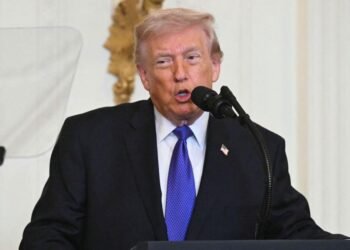
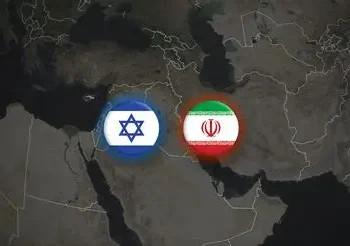
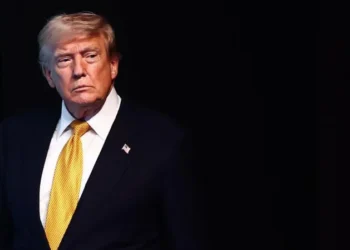
The United States has carried out a new round of military strikes against targets in Iran, intensifying tensions in the Middle East as President Donald Trump warned Tehran that it had “better behave” or face further consequences.
The latest operation marks another escalation in the increasingly volatile confrontation between Washington and Tehran, with both sides exchanging threats amid fears that the conflict could expand into a broader regional crisis.
US officials said the strikes targeted military-related facilities believed to be linked to Iran’s missile and drone capabilities. While the Pentagon described the attacks as limited and carefully planned, Iranian authorities condemned the action as a violation of international law and vowed that the country would defend its sovereignty.
The renewed hostilities have prompted calls for restraint from world leaders, who fear that continued military exchanges could destabilise an already fragile region.
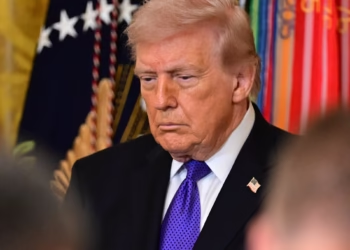
Speaking shortly after the strikes, President Trump defended the operation, saying the United States would continue to respond forcefully to what he described as threats posed by Iran.

“We want peace, but Iran better behave,” Trump said, warning that any further attacks against American personnel or allies would be met with an even stronger response.
The president insisted the strikes were intended to deter future aggression rather than initiate a prolonged military campaign.
Administration officials argued that the operation was necessary to protect US forces and strategic interests in the Middle East.
According to US defence officials, the strikes focused on facilities believed to support Iran’s military infrastructure.
Although the Pentagon has not released detailed operational information, officials said the selected targets were chosen to minimise civilian casualties while degrading military capabilities.
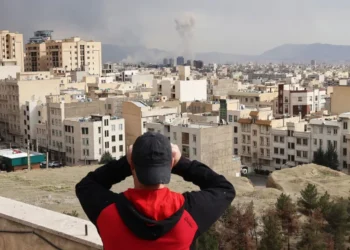
Iranian state media reported explosions in several locations but provided limited details regarding damage or casualties.
Independent verification of the claims remains difficult as authorities continue assessing the impact of the attacks.
Emergency services were deployed to affected areas while local officials began evaluating infrastructure damage.
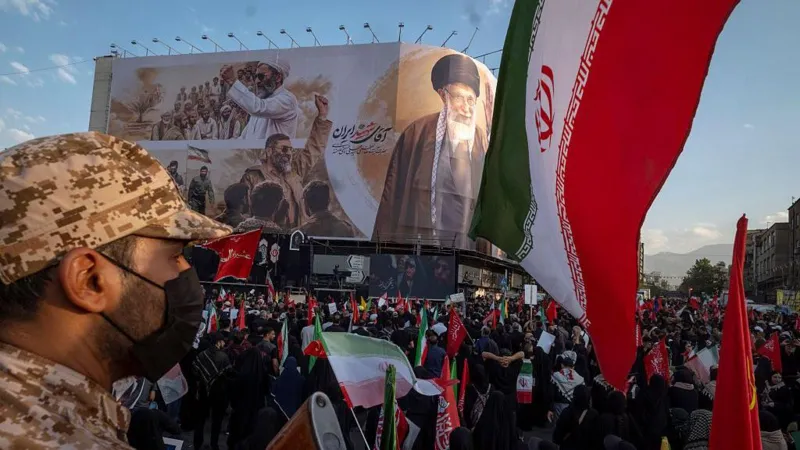
Iran strongly criticised the latest US operation, accusing Washington of violating its territorial integrity and increasing regional instability.
Government officials said the strikes represented an unjustified act of aggression and reaffirmed Iran’s right to respond under international law.
Military commanders warned that continued attacks could provoke further retaliation, although authorities stopped short of announcing immediate countermeasures.
Iran has repeatedly argued that its missile and defence programmes are designed solely for national security purposes.
Governments across Europe, the Middle East and Asia reacted with concern as news of the strikes spread.
Several countries urged both Washington and Tehran to exercise restraint and prioritise diplomatic engagement over military confrontation.
The United Nations also called for de-escalation, warning that further violence could have serious humanitarian and geopolitical consequences.
Diplomatic observers noted that growing tensions threaten ongoing efforts to stabilise the region and maintain international shipping through key maritime routes.
The latest military action has heightened fears that the confrontation could extend beyond Iran and the United States.
Regional analysts warn that neighbouring countries, international military bases and commercial shipping routes could become increasingly vulnerable if hostilities continue.
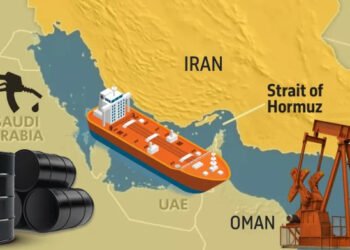
The Strait of Hormuz, one of the world’s most strategically important energy corridors, remains a particular focus for security planners.
Any disruption to shipping through the waterway could significantly affect global oil markets and international trade.
Several governments have advised commercial vessels operating in the region to remain vigilant amid the evolving security situation.
Global energy markets closely monitored developments following reports of the strikes.
Oil prices experienced renewed volatility as traders assessed the possibility of supply disruptions resulting from increased regional tensions.
Although no major interruption to oil production or exports was immediately reported, analysts warned that prolonged instability could place upward pressure on global energy prices.
Financial markets also responded cautiously as investors evaluated the broader geopolitical implications.
The latest exchange has complicated already strained diplomatic relations between Washington and Tehran.
Previous efforts to revive dialogue over Iran’s nuclear programme and broader regional security have faced repeated setbacks.
Political analysts say each new military confrontation makes future negotiations more difficult by deepening mistrust between the two governments.
Nevertheless, several international mediators continue encouraging both sides to maintain communication channels in an effort to avoid further escalation.
Aid organisations have expressed concern about the potential humanitarian consequences if the conflict expands.
Although the current strikes were reportedly aimed at military facilities, prolonged hostilities could disrupt essential services, displace civilians and place additional strain on regional healthcare systems.
International humanitarian agencies have urged all parties to comply with international humanitarian law and take every possible measure to protect civilian populations.
Experts warn that even limited military exchanges can produce long-term economic and social impacts for affected communities.

Security analysts believe the coming days will be critical in determining whether tensions continue escalating or stabilise through diplomatic engagement.
Much will depend on Iran’s response, future US military decisions and the efforts of international partners seeking to prevent a wider conflict.
The United States has indicated that it remains prepared to conduct additional operations if necessary, while Iran continues to insist it will defend its national interests.
For now, the Middle East remains on heightened alert as governments, military planners and global markets closely monitor developments.
The latest strikes underscore the fragile state of regional security and the significant risks associated with direct confrontation between two long-standing adversaries. Whether the situation moves toward renewed diplomacy or deeper conflict will likely shape the geopolitical landscape of the Middle East in the weeks and months ahead.
Related News:
 Trump’s Iran Endgame Unclear After Mixed Messaging on War Aims
 Iran Says ‘Guiding Principles’ Agreed With US at Nuclear Talks
 Hopes and Fears as US Iranians Take to Streets After Toppling of Supreme Leader
 Iran, the US, and a World Cup That Starts in Three Months
 Months of Planning Behind US‑Israeli Mission to Target Iran’s Supreme Leader
 Cooper: Joining US Strikes on Iran ‘Not in Britain’s Interest’
 What Khamenei’s Death Means for Russia and China
 Did Trump Declare War and Did Congress Approve Iran Attacks? What to Know
 Rubio Responds to Reported Strike on Iranian School
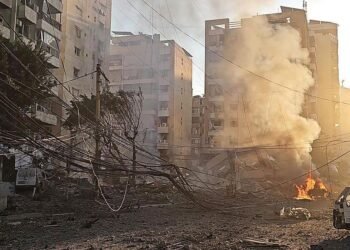 Israel Launches Fresh Strikes on Tehran & Beirut; US Warns “Hardest Hits” Ahead
 US Strikes on Iran Triggered by Israel’s Plan to Launch Attack, Rubio Says
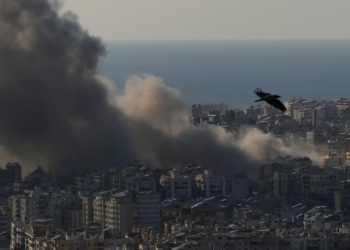 Sixth American Service Member Killed in Iran Operation as Conflict Intensifies
 Trump Rebukes Starmer Over UK Refusal to Back Strikes on Iran
 US Senate Backs Trump War Powers Amid Iran Missile Barrage
 UK Prepares Aircraft Carrier for Middle East Crisis
 Ukraine war briefing: Zelenskyy offers help to Saudi Crown prince on combatting Iranian drones
 Middle East Crisis Escalates as Oil Routes Shake Markets
 Tensions Emerge in Netanyahu-Trump Alliance
 “The Fragile Truce Shatters”: Israeli Airstrikes Kill 19 in Southern Lebanon as Clashes Escalate
 Hunger increasingly weaponised in global conflicts
 Former ICC prosecutor condemns US sanctions
 “A Fragile Ceasefire Shattered”: The Escalating Humanitarian and Security Crisis in Southern Lebanon
 Iran and Israel Pause Strikes but Warn Retaliation Will Follow Any New Breach
 US Agrees to ‘Stand Down’ Following Exchange of Strikes With Iran
 Trump Receives Machado’s Nobel Medal in White House Meeting
 Fears of New Arms Race as US-Russia Nuclear Weapons Treaty Expires
 US Military Says Two Killed in Strike on Alleged Drug Boat in Eastern Pacific
 Venezuela’s Opposition Says Party Leader Kidnapped Hours After Being Freed
 US Urges Iran to Make Deal as Military Presence Rises
 US ‘Suitcase Murderer’ Deported From Bali After 11 Years in Jail
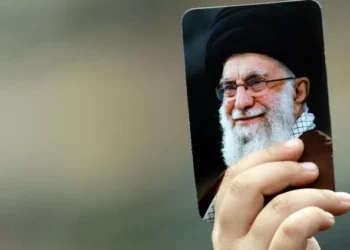 Iran’s Regime Still Intact — Coming Days Will Test Its Survival
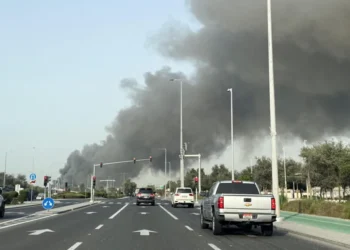 Allies of US in the Gulf Bear Brunt of Iran Attacks
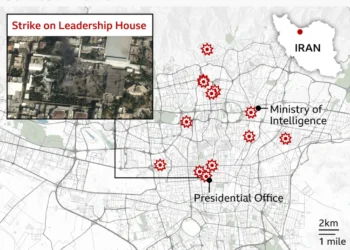 In Maps: Strikes Across Iran and the Middle East
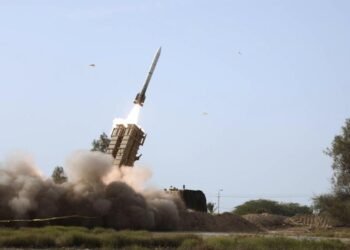 UK Will Allow US to Use Bases to Strike Iranian Missile Sites, PM Says
 Tehran Makes New Threat to Gulf Shipping as US Says ‘Hardest Hits’ on Iran ‘Yet to Come’
 The Third Day of the US‑Israeli War With Iran
 Why the US and Israel attacked Iran
 Three Days In, This War’s End Is Still Unclear
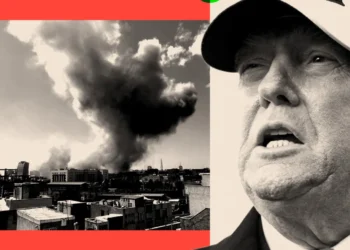 US Has ‘Enough Weapons for Forever War,’ Trump Says
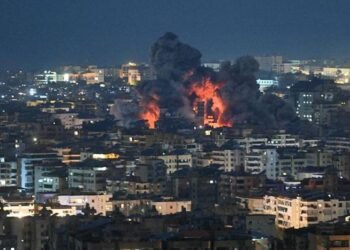 Israel’s New Airstrikes on Tehran & Beirut After US Embassy in Riyadh Is Hit
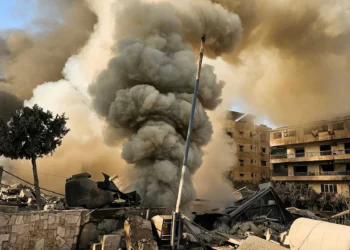 Israel Launches Ground Invasion of Lebanon Amid Widening Middle East War
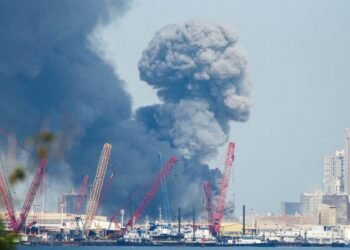 Trump Underestimated the Iranian Regime’s Will to Survive
 U.S. Tells Citizens to Leave Israel Now as Regional Conflict Escalates
 Iranian Rockets Are Testing the Resolve of Dubai’s Instagram Stars
 US Embassy in Riyadh Hit by Iranian Drones as Israeli Troops Enter Southern Lebanon
 Civilian Deaths in Iran Pass 700 Amid Fear of Bombs and Regime Clampdown
 Azerbaijan Promises Retaliation After Iranian Drone Hits Airport
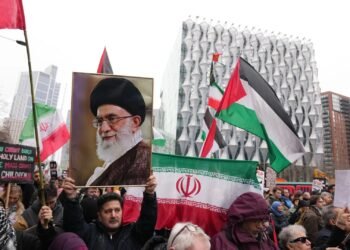 Thousands Protest Iran Strikes Outside US Embassy London
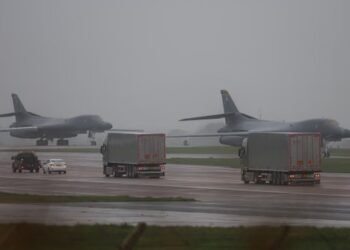 US Bombers Arrive at RAF Base Amid Rising Iran Tensions
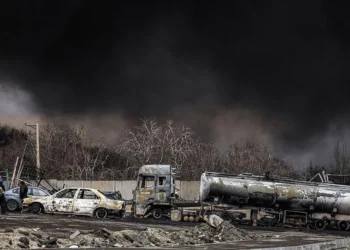 Nine Days of Strikes Reshape the Middle East
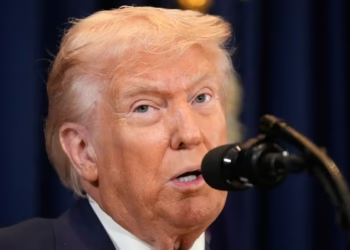 Trump Threatens Iran With ‘Twenty Times Harder’ Oil Strike
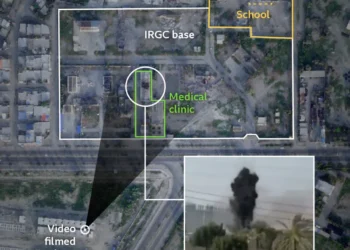 Video Analysis Suggests US Missile Hit Base Near Iran School
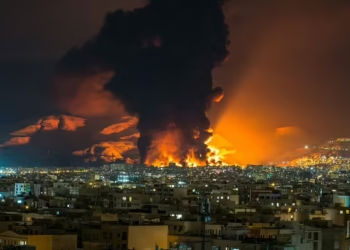 Iran Rejects Ceasefire, Warns Trump With Chilling Message
 Trump’s Confidence Undimmed — But Every Iran Option Carries Risk
 Trump Seeks to Delay Meeting With Xi
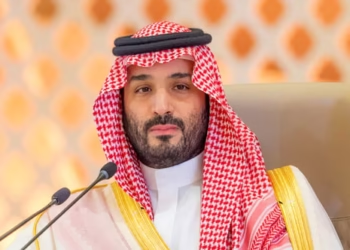 Saudi Arabia Urging US to Keep Up Iran Attacks
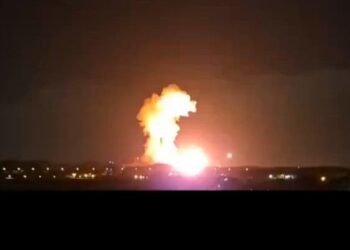 Chain of Fire: US Bunker Busters Strike Major Iranian Ammo Depot in Isfahan
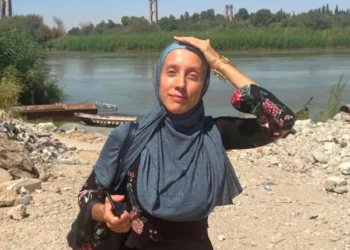 ‘Targeting the Truth’: US Journalist Shelly Kittleson Abducted in Central Baghdad
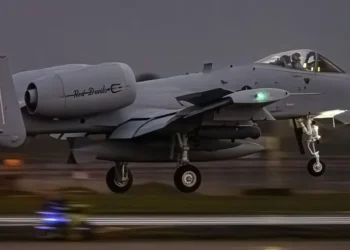 ‘The Warthog’s Stopover’: American Tank Busters Land at Lakenheath En Route to the Gulf
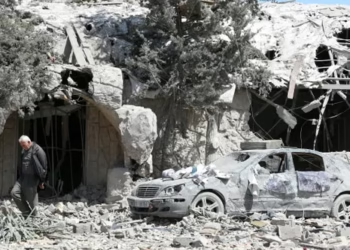 Netanyahu Vows Continued Lebanon Strikes Amid Peace Talks
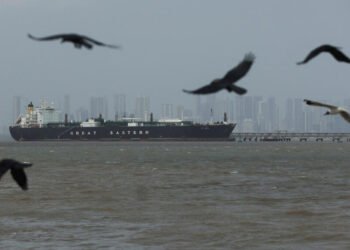 US and Iran Pursue Extension of Ceasefire via Pakistan
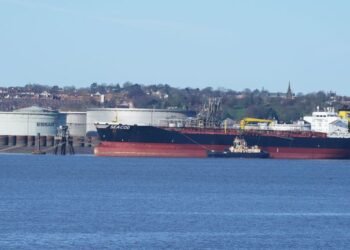 Ukraine Urges UK to Seize Russian Oil Tankers
 Aid Crisis Grows as Hormuz War Disrupts Supply
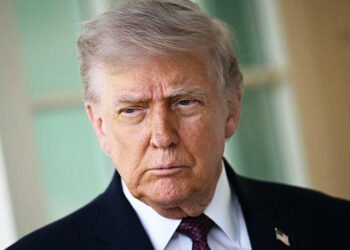 Trump likens US Navy actions to ‘pirates’
 “The Trading Bonanza”: Shell Profits Soar to $6.9 Billion Amid Iran War ‘Volatility’
 “The Peace Dividend”: Oil Prices Plunge and Global Stocks Surge on Reports of Iran Ceasefire Deal
 “Double Trauma”: Iranian Activist Tells BBC How Fear of War Intensifies the ‘National Security’ Weight of Repression
 “Hold Off”: Trump Pauses ‘Scheduled’ Strike After 11th-Hour Appeal From Gulf Allies
 Trump Claims Iran Peace Deal Near Completion
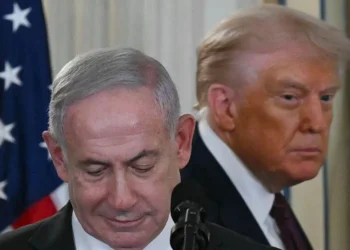 Trump-Netanyahu Call Fuels Iran Talk Crisis
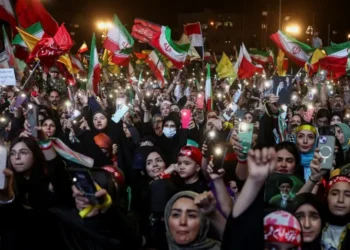 Israel Strikes Iran After Missile Attack
 European Allies Set Peace Terms for Ukraine
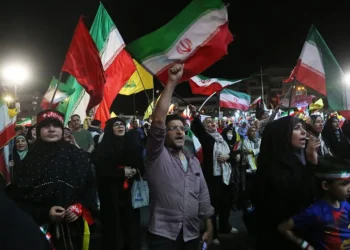 Israel-Iran Escalation May Strengthen Tehran’s Position in Future Negotiations
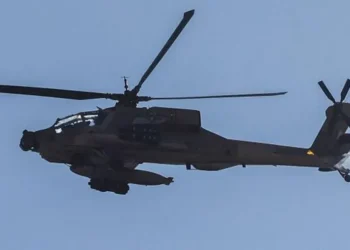 US Launches Strikes on Iran After Military Helicopter Downed Near Strait of Hormuz
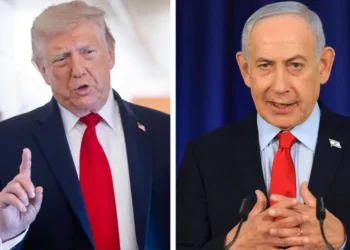 Efforts to Reshape Middle East Risk Creating Long-Term Regional Crisis, Analysts Warn
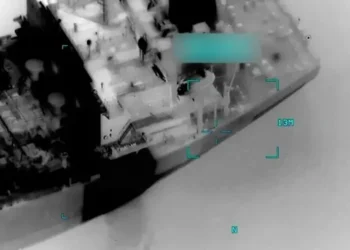 Three Indian Sailors Killed in US Strike on Tanker Near Oman as US–Iran Conflict Escalates
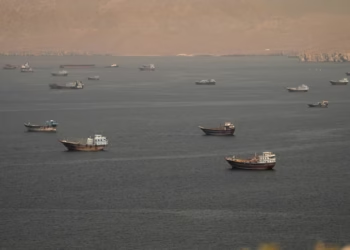 Iran To Propose New Shipping Fees In Strait Of Hormuz
 Grief and Devotion Amidst the Rubble of Nabatieh
 Lebanon Reports 18 Killed in Israeli Strikes as Israel Announces Deaths of Four Soldiers
 Trump’s Hormuz U-Turn Raises Doubts Over Iran Strategy