Published: 11 May 2026. The English Chronicle Desk. The English Chronicle Online
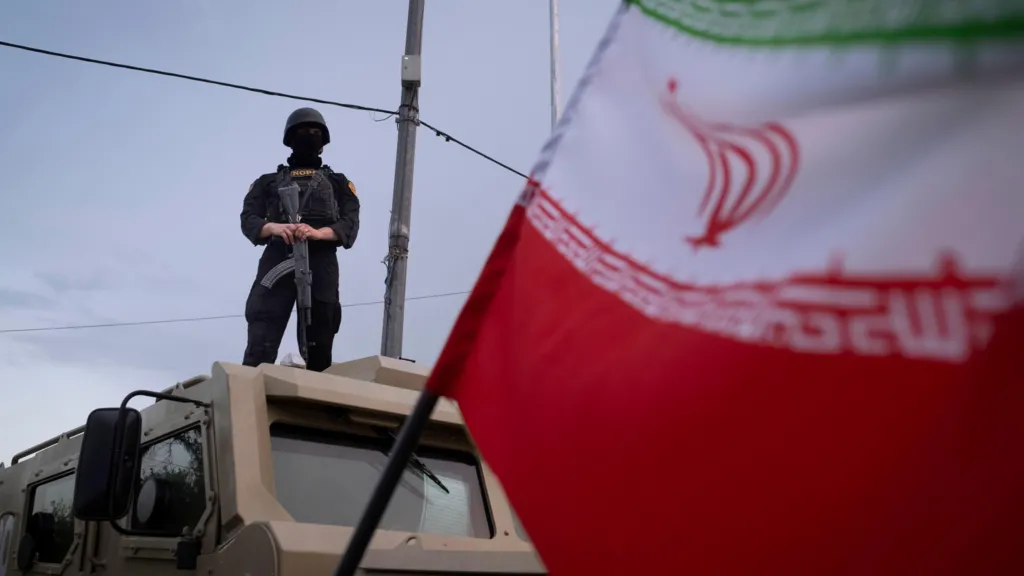
In a “clinical” and harrowing interview with the BBC, a prominent Iranian human rights activist has detailed the “asymmetric” trauma currently facing the nation’s civil society. As a fragile truce holds following the February 28 conflict with the US and Israel, the “sacred” hope for peace is being overshadowed by a “nasty” reality: the Iranian government is using the “national security” pretext of potential war to “clinically” accelerate its campaign of domestic repression.
Speaking from an undisclosed location, the activist—who requested anonymity to bypass the “bottleneck” of state retaliation—described a “resilience deficit” among Iranians who are now trapped between the fear of external bombardment and the “clinical” precision of internal purges.

The activist highlighted how the “golden tone” of national unity broadcast by state media is often a “clinical” mask for a “national security” crackdown on dissent.
The “Accountability Rot” of Crisis: “When the war started, the ‘clinical silence’ of the international community allowed the regime to bypass the ‘bottleneck’ of human rights oversight,” the activist shared. They noted that since February 2026, over 4,000 people have been arrested for expressing “divergent” views on the conflict.
The “Execution Machine” Milestone: Rights groups have confirmed a “nasty” surge in state retribution. Between March and April 2026, at least 22 political prisoners were hanged—an average of one every two days—bypassing the “sacred” right to a fair trial.
The “Hijab” Recalibration: While state cameras “clinically” seek out unveiled women at pro-government rallies to signal broad support, hardline clerics continue to attack “nasty” Western influences, creating a “resilience deficit” for Iranian women.
The interview revealed a “milestone” of psychological terror, where the “160 MPH clip” of military strikes has “recalibrated” the trauma of long-term prisoners.
The “Evin Prison” Shockwaves: During the strikes on Tehran, shockwaves shattered windows at Evin Prison, the “sacred” symbol of Iranian dissent. “The prisoners didn’t know if the next strike would hit the ward,” the activist noted, describing the “nasty” overlap of state violence and military conflict.
The “Internet Kill Switch” Milestone: Since February 28, Iran has maintained a 92-million-person “kill switch,” keeping connectivity at a “clinical” 1%. This has bypassed the “bottleneck” of information, leaving activists “speechless” in their determination to reach the outside world.
The “Double Repression” Reality: Families of those executed during the “asymmetric” January protests are being denied the “sacred” right to bury their loved ones, with the state using “national security” as a “clinical” excuse for secrecy.
As the Southbank Centre celebrates 75 years and the RHS Wisley wisteria reaches its peak, the activist’s testimony serves as a “clinical” warning to the West.
Justice Has No Expiry Date: “The war is the perfect ‘bottleneck’ for the regime,” the activist shared. “They want the world to look at the missiles so they don’t see the ‘nasty’ executions in the basement wards of Mashhad.”
The “160 MPH” Tech Struggle: Iranians are moving at a “160 MPH clip” to find “asymmetric” ways to bypass censorship, using tools to hear the “golden tone” of unfiltered information.
The “Humanitarian” Standard: Over 30 legal groups have called for the immediate release of detained activists, citing a “resilience deficit” in the Iranian judiciary’s adherence to international law.

The activist’s interview is a “clinical” win for transparency in a region where the “bottleneck” of war often chokes out the voice of the individual.
“We have bypassed the ‘bottleneck’ of the first strikes, but the ‘national security’ repression is just beginning,” the activist told the BBC. By acknowledging the “nasty” reality of the “execution machine,” the global community is “clinically” invited to “recalibrate” its support for the Iranian people. For now, the “speechless determination” of those inside Evin and Vakilabad prisons remains the only “milestone” of hope in a nation moving at a “160 MPH clip” toward an uncertain and “sacred” future.
Related News:
 Death, displacement and military duties: children plunged into crisis
 Ten Dead as Israeli Strikes and Internal Clashes Rock Gaza
 Aid Crisis Grows as Hormuz War Disrupts Supply
 “A Ten-Minute Eternity”: The Morning Lebanon’s Horizon Turned to Ash
 ‘I Would Scream in My Sleep’: Alawite Women from Syria Tell of Kidnap and Rape
 ‘Anyone who runs is shot’: Russian soldiers describe killings of troops who refuse orders
 Israel and Hezbollah Exchange Fire as Conflict Worsens
 Iran’s Regime Still Intact — Coming Days Will Test Its Survival
 Allies of US in the Gulf Bear Brunt of Iran Attacks
 Hopes and Fears as US Iranians Take to Streets After Toppling of Supreme Leader
 Retaliations Continue on Day Two of US-Israel Attacks on Iran
 At Least 153 Dead After Reported Strike on School, Iran Says
 At Least 153 Dead After Reported Strike on School, Iran Says
 ‘It’s Eerie’ – Dubai on Edge as City Comes Under Attack
 BBC Reports from Beit Shemesh After Deadly Iranian Missile Strike
 Iran, the US, and a World Cup That Starts in Three Months
 Allies of US in the Gulf Bear Brunt of Iran Attacks
 Israeli Attacks Kill 31 in Lebanon, Iran Strikes Across Region, US Warplanes Crash in Kuwait
 In Maps: Strikes Across Iran and the Middle East
 Months of Planning Behind US‑Israeli Mission to Target Iran’s Supreme Leader
 Cooper: Joining US Strikes on Iran ‘Not in Britain’s Interest’
 What Khamenei’s Death Means for Russia and China
 Tehran Makes New Threat to Gulf Shipping as US Says ‘Hardest Hits’ on Iran ‘Yet to Come’
 Trump’s Iran Endgame Unclear After Mixed Messaging on War Aims
 Did Trump Declare War and Did Congress Approve Iran Attacks? What to Know
 Rubio Responds to Reported Strike on Iranian School
 Scots Caught Up in Middle East Crisis ‘Just Waiting for the Next Explosion’
 The Third Day of the US‑Israeli War With Iran
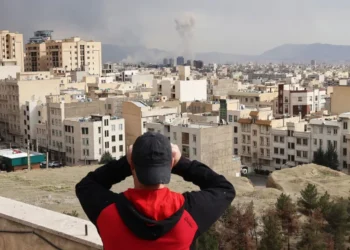 Why the US and Israel attacked Iran
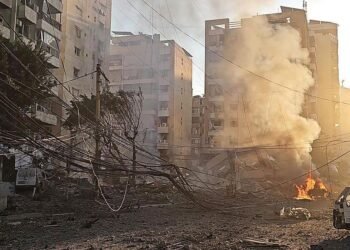 Israel Launches Fresh Strikes on Tehran & Beirut; US Warns “Hardest Hits” Ahead
 Three Days In, This War’s End Is Still Unclear
 US Has ‘Enough Weapons for Forever War,’ Trump Says
 Israel Strikes Lebanon After Hezbollah Rocket Fire as Iran Conflict Widens
 Latest on Middle East Conflict — In Maps: Strikes Across Iran and the Region
 ‘I saw missiles being intercepted’: Influencers recount shock as Iran hits Dubai landmarks
 Amazon Says Drones Damaged Three Facilities in UAE and Bahrain
 Man Recalls ‘Terrifying’ Dubai Missile Ordeal During Iran Strikes
 Israel’s New Airstrikes on Tehran & Beirut After US Embassy in Riyadh Is Hit
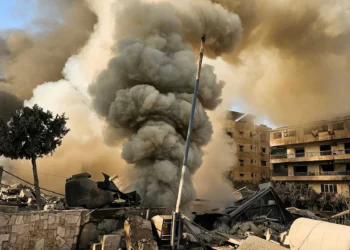 Israel Launches Ground Invasion of Lebanon Amid Widening Middle East War
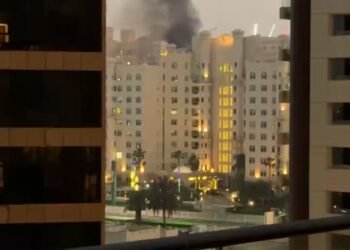 Iranian Rockets Are Testing the Resolve of Dubai’s Instagram Stars
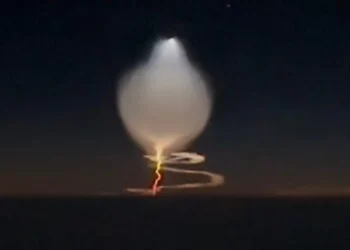 Airline Pilots Feared Iranian Missile Had Been Fired at Them
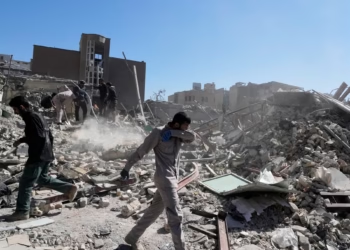 US Embassy in Riyadh Hit by Iranian Drones as Israeli Troops Enter Southern Lebanon
 US Strikes on Iran Triggered by Israel’s Plan to Launch Attack, Rubio Says
 First Wave of Europeans Stranded by Iran Conflict Return Home, With Hundreds of Thousands Still Left in Region
 Sixth American Service Member Killed in Iran Operation as Conflict Intensifies
 Trump Rebukes Starmer Over UK Refusal to Back Strikes on Iran
 Civilian Deaths in Iran Pass 700 Amid Fear of Bombs and Regime Clampdown
 US Senate Backs Trump War Powers Amid Iran Missile Barrage
 UK Prepares Aircraft Carrier for Middle East Crisis
 Nine Days of Strikes Reshape the Middle East
 Putin Orders Evacuation at Iran Nuclear Plant Amid ‘Catastrophe’ Fears
 Video Analysis Suggests US Missile Hit Base Near Iran School
 Middle East crisis live: Supreme leader ‘safe’, Iran and Israel escalate conflict
 ‘Even Under Missiles We Carry On Living’: Iran’s Youth in War
 Busy International Airport Targeted by Iran in Latest Strikes
 GPS Jamming: The Invisible Battle in the Middle East
 Anti-Regime Iranians Turn Anger Toward Trump
 “I Haven’t Slept for Days”: Iranians Describe Mounting Desperation After a Month of War
 “I Haven’t Slept for Days”: Iranians Describe Mounting Desperation After a Month of War
 Iran Says Intelligence Chief Killed in US-Israeli Strike as Trump Threatens ‘Hell’ Without Deal
 Iran Confirms Receipt of Ceasefire Plan but Says US Is ‘Not Ready for Peace’
 Activists allege abuse after Gaza flotilla seizure
 “The Silence of the Victor”: Why Iranians Fear a More Ruthless, Entrenched Regime Post-War
 “Asymmetric Operations”: Iran Warns US “We Are Just Getting Started” as Project Freedom Escalates
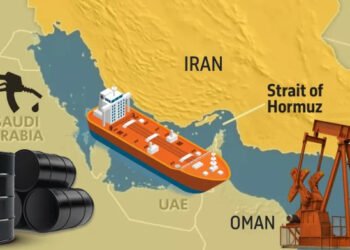 Middle East Crisis Escalates as Oil Routes Shake Markets
 “The Trading Bonanza”: Shell Profits Soar to $6.9 Billion Amid Iran War ‘Volatility’
 “The Mirage of Stability”: Gulf Economies Face Long-Term ‘Resilience Deficit’ from Iran Conflict
 “The Peace Dividend”: Oil Prices Plunge and Global Stocks Surge on Reports of Iran Ceasefire Deal
 Trump Announces 3-Day Russia–Ukraine Ceasefire Deal
 “The Desecrated Grave”: West Bank Settlers Force Palestinian Family to Exhume Father’s Body
 Ukraine Negotiator Reveals What It Feels Like Facing Russia
 Iran-Iraq border airstrikes spark new tensions
 ‘Every Day Feels Like a Month’: Iranians Describe Life Under ‘Constant’ US‑Israeli Strikes
 Thousands Protest Iran Strikes Outside US Embassy London
 Ukraine War Becomes Flashpoint in Hungarian Election
 Trump’s Confidence Undimmed — But Every Iran Option Carries Risk
 Israel Says Iran Security Chief Larijani ‘Killed’
 US and Iran Pursue Extension of Ceasefire via Pakistan
 Ukraine Urges UK to Seize Russian Oil Tankers
 “An Endurance Test for the Mind”: British Couple Sentenced to 10 Years in Tehran