Published: 6 May 2026. The English Chronicle Desk. The English Chronicle Online
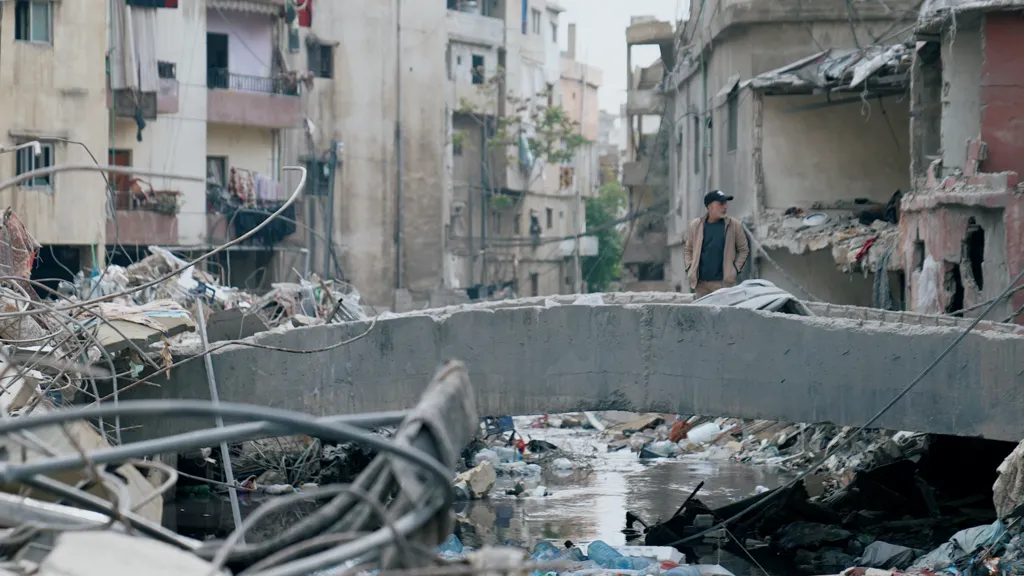
In the “clinical silence” of a hillside village in southern Lebanon, the air is no longer filled with the scent of cedar or the sound of morning prayers. Instead, there is the heavy, metallic tang of pulverized concrete. For Hassan Al-Mousawi, life is now measured in two distinct eras: the decades before 10:15 AM on Monday, and the “deep, dark valley” that followed.

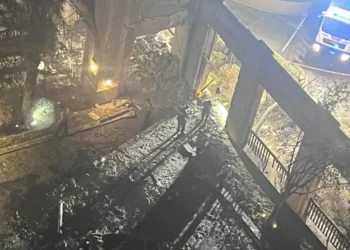
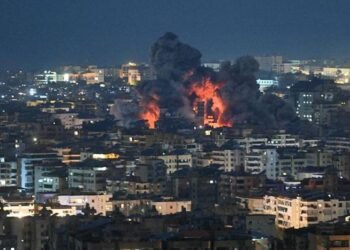
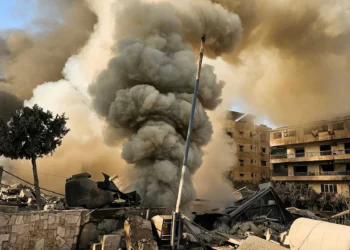
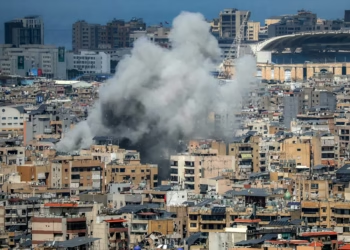
In a span of just ten minutes, a targeted Israeli airstrike campaign—part of a “national security emergency” to neutralize rocket launch sites—shattered a residential block, claiming the life of Hassan’s seven-year-old son, Amir, and leaving a community in a state of “resilience deficit” that no humanitarian aid can fill.
While military spokespersons in Tel Aviv described the operation as a “milestone in precision targeting,” the reality on the ground reflects a “divergent” and devastating outcome.
The Ten-Minute Window: Between 10:15 AM and 10:25 AM, four high-impact munitions struck the center of the village. Witnesses described a “160 MPH clip” of falling debris and a “dopamine desert” of shock that paralyzed survivors.
The “Accountability Rot”: Despite the use of “smart” technology, the strike hit a multi-story apartment complex. Rescue workers from the Lebanese Red Cross described the scene as a “mass casualty incident” where the “human-machine coordination” of modern warfare failed to account for civilian presence.
The Cost of “Precision”: “They say they are hitting ‘infrastructure,'” Hassan said, clutching a dusty, blue plastic truck—Amir’s favorite toy. “Was my son infrastructure? Was his bedroom a launchpad?”
The tragedy highlights the “postcode lottery” of survival in a conflict zone where “safe corridors” are often theoretical.
The “Hormuz” of Displacement: Much like the Strait of Hormuz creates a bottleneck for trade, the narrow mountain roads of Lebanon have become a “bottleneck of fear” for families fleeing the “clinical” precision of the air campaign.
The “Medication Desert”: Local hospitals, already struggling with a “resilience deficit” due to the national economic crisis, are now “medication deserts,” unable to provide basic pain relief or surgical supplies for the influx of shrapnel victims.
The “Clinical” Aftermath: Psychologists warned of a “generation of trauma,” where children associate the “golden tone” of a clear blue sky with the impending “national security emergency” of an airstrike.
As King Charles concludes his Washington visit, where he and the US President issued a joint call for “de-escalation and humanitarian protection,” the rhetoric feels “hollow” to those in the rubble.
The Investigation: International human rights groups are calling for a “rigorous, independent audit” of the ten-minute window, citing a “resilience deficit” in how civilian harm is calculated during “surgical” strikes.
The Grief of a Father: “Nothing will bring back my son,” Hassan stated, his voice a mix of exhaustion and “speechless determination.” “The world talks about ‘strategic milestones.’ I only talk about a boy who will never go to school again.”

As the RHS Wisley wisteria blooms in the UK and the Southbank Centre celebrates 75 years of peace and progress, the “ten minutes of ash” in Lebanon serve as a somber reminder of the “asymmetric challenge” of modern urban warfare.
“Justice is not a strategic objective; it is a human right,” noted one UN observer. With the King’s Speech on May 13 expected to reference “Global Stability and the Protection of Innocents,” the story of Amir and the “ten-minute eternity” stands as a “milestone” of grief that the world can no longer ignore with “clinical silence.”
Related News:
 Death, displacement and military duties: children plunged into crisis
 Ten Dead as Israeli Strikes and Internal Clashes Rock Gaza
 Aid Crisis Grows as Hormuz War Disrupts Supply
 ‘I Would Scream in My Sleep’: Alawite Women from Syria Tell of Kidnap and Rape
 ‘Anyone who runs is shot’: Russian soldiers describe killings of troops who refuse orders
 Israel and Hezbollah Exchange Fire as Conflict Worsens
 Iran’s Regime Still Intact — Coming Days Will Test Its Survival
 Allies of US in the Gulf Bear Brunt of Iran Attacks
 Hopes and Fears as US Iranians Take to Streets After Toppling of Supreme Leader
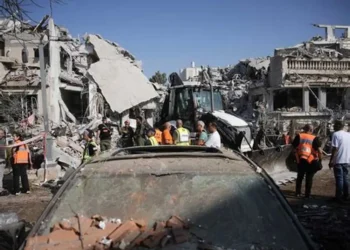 Retaliations Continue on Day Two of US-Israel Attacks on Iran
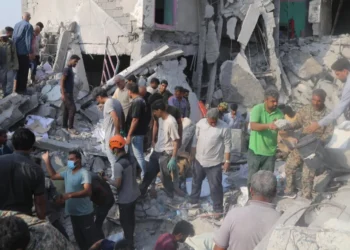 At Least 153 Dead After Reported Strike on School, Iran Says
 At Least 153 Dead After Reported Strike on School, Iran Says
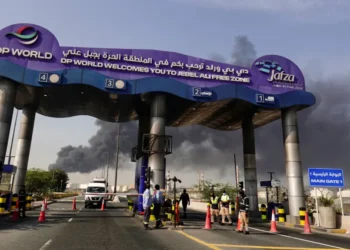 ‘It’s Eerie’ – Dubai on Edge as City Comes Under Attack
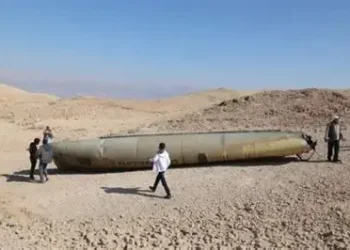 BBC Reports from Beit Shemesh After Deadly Iranian Missile Strike
 Iran, the US, and a World Cup That Starts in Three Months
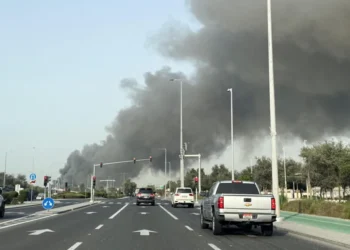 Allies of US in the Gulf Bear Brunt of Iran Attacks
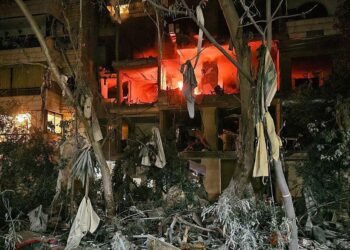 Israeli Attacks Kill 31 in Lebanon, Iran Strikes Across Region, US Warplanes Crash in Kuwait
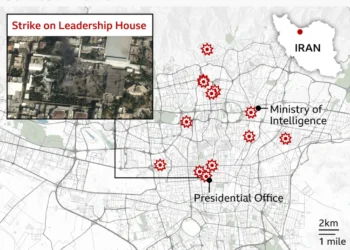 In Maps: Strikes Across Iran and the Middle East
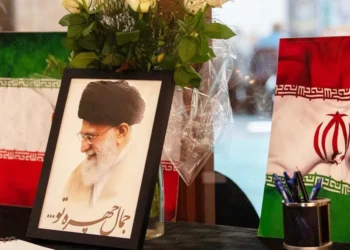 Months of Planning Behind US‑Israeli Mission to Target Iran’s Supreme Leader
 Cooper: Joining US Strikes on Iran ‘Not in Britain’s Interest’
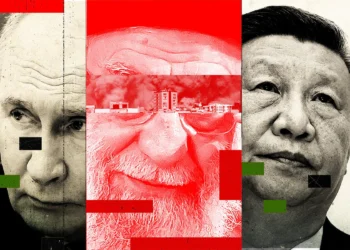 What Khamenei’s Death Means for Russia and China
 Tehran Makes New Threat to Gulf Shipping as US Says ‘Hardest Hits’ on Iran ‘Yet to Come’
 Trump’s Iran Endgame Unclear After Mixed Messaging on War Aims
 Did Trump Declare War and Did Congress Approve Iran Attacks? What to Know
 Rubio Responds to Reported Strike on Iranian School
 Scots Caught Up in Middle East Crisis ‘Just Waiting for the Next Explosion’
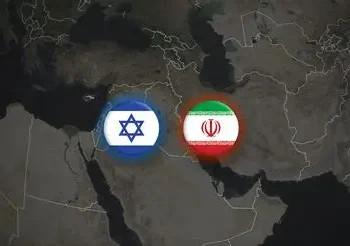 The Third Day of the US‑Israeli War With Iran
 Why the US and Israel attacked Iran
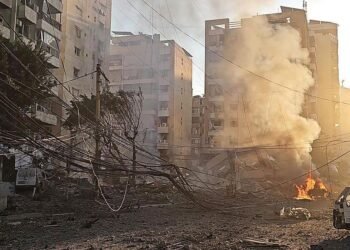 Israel Launches Fresh Strikes on Tehran & Beirut; US Warns “Hardest Hits” Ahead
 Three Days In, This War’s End Is Still Unclear
 US Has ‘Enough Weapons for Forever War,’ Trump Says
 Israel Strikes Lebanon After Hezbollah Rocket Fire as Iran Conflict Widens
 Latest on Middle East Conflict — In Maps: Strikes Across Iran and the Region
 ‘I saw missiles being intercepted’: Influencers recount shock as Iran hits Dubai landmarks
 Amazon Says Drones Damaged Three Facilities in UAE and Bahrain
 Man Recalls ‘Terrifying’ Dubai Missile Ordeal During Iran Strikes
 Israel’s New Airstrikes on Tehran & Beirut After US Embassy in Riyadh Is Hit
 Israel Launches Ground Invasion of Lebanon Amid Widening Middle East War
 Iranian Rockets Are Testing the Resolve of Dubai’s Instagram Stars
 Airline Pilots Feared Iranian Missile Had Been Fired at Them
 US Embassy in Riyadh Hit by Iranian Drones as Israeli Troops Enter Southern Lebanon
 US Strikes on Iran Triggered by Israel’s Plan to Launch Attack, Rubio Says
 First Wave of Europeans Stranded by Iran Conflict Return Home, With Hundreds of Thousands Still Left in Region
 Sixth American Service Member Killed in Iran Operation as Conflict Intensifies
 Trump Rebukes Starmer Over UK Refusal to Back Strikes on Iran
 Civilian Deaths in Iran Pass 700 Amid Fear of Bombs and Regime Clampdown
 US Senate Backs Trump War Powers Amid Iran Missile Barrage
 UK Prepares Aircraft Carrier for Middle East Crisis
 Nine Days of Strikes Reshape the Middle East
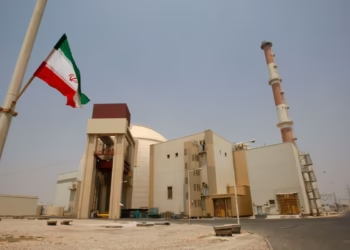 Putin Orders Evacuation at Iran Nuclear Plant Amid ‘Catastrophe’ Fears
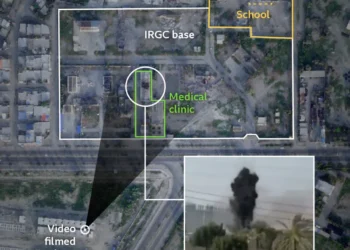 Video Analysis Suggests US Missile Hit Base Near Iran School
 Middle East crisis live: Supreme leader ‘safe’, Iran and Israel escalate conflict
 ‘Even Under Missiles We Carry On Living’: Iran’s Youth in War
 Busy International Airport Targeted by Iran in Latest Strikes
 GPS Jamming: The Invisible Battle in the Middle East
 Anti-Regime Iranians Turn Anger Toward Trump
 “I Haven’t Slept for Days”: Iranians Describe Mounting Desperation After a Month of War
 “I Haven’t Slept for Days”: Iranians Describe Mounting Desperation After a Month of War
 Iran Says Intelligence Chief Killed in US-Israeli Strike as Trump Threatens ‘Hell’ Without Deal
 Iran Confirms Receipt of Ceasefire Plan but Says US Is ‘Not Ready for Peace’
 Activists allege abuse after Gaza flotilla seizure
 “The Silence of the Victor”: Why Iranians Fear a More Ruthless, Entrenched Regime Post-War
 “Asymmetric Operations”: Iran Warns US “We Are Just Getting Started” as Project Freedom Escalates
 Middle East Crisis Escalates as Oil Routes Shake Markets
 Iran Says ‘Guiding Principles’ Agreed With US at Nuclear Talks
 Ukraine Negotiator Reveals What It Feels Like Facing Russia
 Orbán Accuses Ukraine of Disrupting Oil Supplies to Hungary
 Middle East attacks intensify as Trump rejects Iran talks
 Iran-Iraq border airstrikes spark new tensions
 ‘Every Day Feels Like a Month’: Iranians Describe Life Under ‘Constant’ US‑Israeli Strikes
 How Depleted Weapons Stockpiles Could Affect the Iran Conflict
 Macron Finds ‘Freedom Fries’ Redemption in Iran Crisis
 Thousands Protest Iran Strikes Outside US Embassy London
 Ukraine War Becomes Flashpoint in Hungarian Election
 Trump Iran War Stance Hardens as Conflict Widens
 Trump’s Confidence Undimmed — But Every Iran Option Carries Risk
 Israel Says Iran Security Chief Larijani ‘Killed’
 US and Iran Pursue Extension of Ceasefire via Pakistan
 Ukraine Urges UK to Seize Russian Oil Tankers
 “An Endurance Test for the Mind”: British Couple Sentenced to 10 Years in Tehran