Published: 26 February 2026 . The English Chronicle Desk. The English Chronicle Online
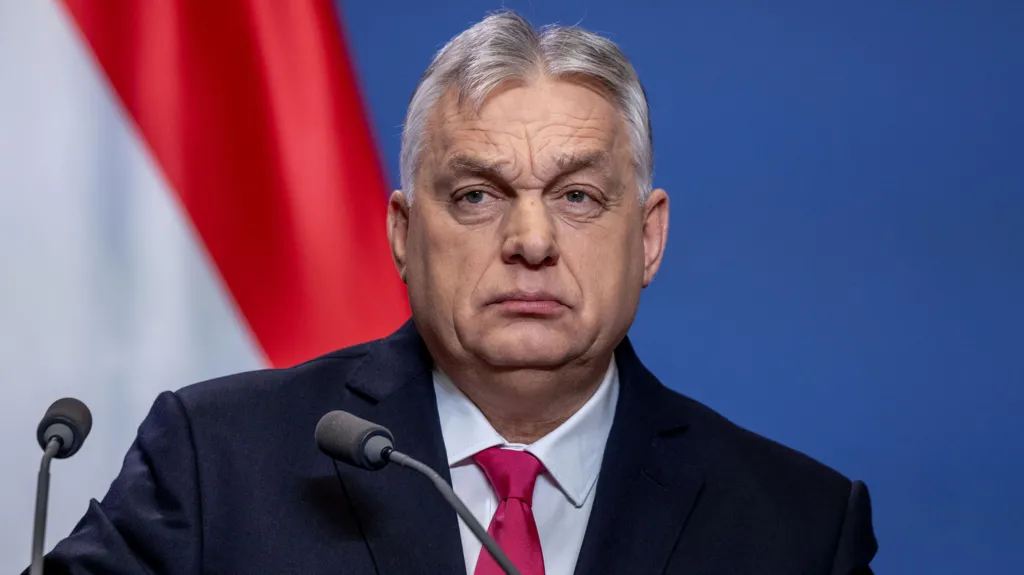
Hungarian Prime Minister Viktor Orbán has publicly accused Ukraine of deliberately disrupting oil deliveries to Hungary, escalating tensions between the two neighbours amid ongoing geopolitical strain linked to the Russia‑Ukraine conflict and shifting energy dynamics in Central Europe. Orbán’s comments, made in a televised address on Wednesday, allege that Kyiv’s actions have interfered with fuel supplies transiting through Ukraine to Hungary, affecting domestic energy markets and raising concerns about national energy security.

Orbán claimed that “the interruption of oil flows through Ukrainian territory is not an accident” and suggested that Ukraine was seeking to exert political pressure on Budapest amid disagreements over Hungary’s stance on aid and support for Kyiv. Hungary, a member of the European Union and NATO, has often diverged from other Western capitals in its approach to the war in Ukraine, calling for negotiated settlement and cautioning against certain sanctions that affect energy markets.
Ukraine’s government swiftly rejected Orbán’s allegations, with officials saying there was “no basis” for claims that Kyiv was intentionally blocking energy shipments. In a statement, Kyiv’s energy ministry said that any disruptions to oil transit were the result of technical and logistical issues, including pipeline maintenance and reduced throughput linked to broader regional infrastructure constraints. The ministry reaffirmed its commitment to maintaining energy transit routes and said it was in communication with partner countries to ensure stability.
The dispute highlights continuing friction over energy supplies in Europe, which relies on a complex network of pipelines, refineries and transit agreements. Hungary has traditionally received a significant portion of its crude oil via pipeline networks that cross Ukraine, including legacy infrastructure from the Soviet era. Although the EU has sought to reduce dependence on Russian energy in recent years, members such as Hungary have pursued diversified sources, including imports from Azerbaijan and increased use of liquefied natural gas (LNG).
Budapest has called for “clarity and guarantees” on future energy transit arrangements, emphasising that reliable supplies are essential for Hungary’s economy and industrial base. Orbán’s government has also reiterated its opposition to extended sanctions affecting Russian energy exports, arguing that such measures have contributed to volatility in global markets and complicated European supply chains.
Analysts say the political context of Orbán’s remarks reflects broader divisions within the EU over how to balance support for Ukraine with economic and energy imperatives at home. While some member states have advocated aggressive sanctions and energy independence from Russia, others, including Hungary, stress the need for pragmatic engagement to avoid domestic disruption.

In response to the conflict of assertions, diplomats from both Kyiv and Budapest have indicated their willingness to engage in technical talks to clarify the status of oil flows and to review transit agreements, although no formal meeting has yet been scheduled. For now, the public exchange of accusations underscores how energy remains tightly intertwined with geopolitics in the region, especially as the war in Ukraine enters its fourth year and European countries continue to adapt to shifting supply dynamics.
Related News:
 Ukraine remembers its dead as war enters a fifth year
 High-speed Spain train crash leaves nation in mourning
 EU weighs response amid Greenland tariff crisis with Trump
 EU Says US Ties Have Suffered ‘Big Blow’ After Greenland Crisis
 Thousands Left Without Heating in Ukraine Amid Russia Strikes
 Russia sanctions hit economy hard, says EU envoy
 Canada Dispatches Senior Officials to Open Greenland Consulate
 Portugal Election Delivers Socialist Win as Far Right Surges
 Macron Rebuked in Franco-German Defence Row
 Facing a Demographic Catastrophe, Ukraine Is Paying for Troops to Freeze Their Sperm
 Five Young People Die in Spain Apartment Block Fire
 The Russian Village That Lost Its Men to War
 Zelensky Says Putin Has Started WW3, Must Be Stopped
 New Russia Sanctions on Hold as Hungary Blocks EU Package Ahead of Fourth Ukraine War Anniversary
 Ukraine Negotiator Reveals What It Feels Like Facing Russia
 Mandelson Arrested Amid Political Turmoil as Ukraine Marks Four Years of Conflict
 Russian Troops Executed by Commanders, Soldiers Tell BBC
 Ukraine war briefing: Why Ukraine remains defiant and does not feel close to defeat
 Rob Jetten becomes Netherlands’ youngest ever prime minister
 ‘Anyone who runs is shot’: Russian soldiers describe killings of troops who refuse orders
 Louvre Museum Director Resigns Months After High‑Profile Heist
 Seven Killed in Ukrainian Drone Attack on Russian Factory
 ‘Fear Is Everywhere’: Reports From Mexican City Turned Into War Zone by Drug Cartel Feud
 UK Must Act with Courage and Clarity on Israel-Palestine Conflict, Says Foreign Affairs Committee Report
 Tottenham Takes On Newcastle
 Radioactive Leak at UK’s Nuclear Warhead Base Sparks Outcry Over Safety and Secrecy
 Terence Stamp, ’60s British Film Legend and Star of Superman, Dies at 87
 Hong Kong Summons UK and Australian Envoys Following Asylum Grants to Democracy Activists
 Is the UK Ready to Put Boots on the Ground in Ukraine? Assessing Military Capacity and Challenges
 Channel Crossings Surge: Over 1,000 People Arrive in the UK in Small Boats in a Single Day
 Widow of Charlie Kirk Forgives Killer at Emotional Memorial Service
 Public Executions in Gaza City Captured on Video Amid Ongoing Conflict
 Macron Phones Trump Over Traffic Jam in New York
 Comey Indictment Deepens Fears of Political Retribution Under Trump
 Google at 27: The Untold Story of Ruth Kedar, the Woman Behind the Iconic Logo
 Yvette Cooper Signals Global Momentum Towards Gaza Peace Deal Amid Humanitarian Crisis
 “It Was Very Tough, But I Love Life”: Former Israeli Hostage Rebuilds Life After Family Killed by Hamas
 Chaos at Ibrox as Martin’s Rangers Era Comes to an End
 Nobel Prize Honours Pioneers Behind Materials That Could Heal the Planet
 Trump Claims Modi Has Agreed to Halt Russian Oil Imports Amid Heightened US Pressure
 Russia’s Latest Push to Win US Favors Shows Deep Desperation
 I’m a Celebrity 2025 line-up revealed: Osbourne joins
 BBC to Apologise Over Edited Trump Speech Amid Backlash
 Britain deploys RAF specialists to assist Belgium with drone threats
 Trump Urges Herzog to Grant Netanyahu Full Pardon
 Indian authorities demolish Kashmir home linked to Red Fort blast
 Greene Pushes Epstein Files Amid Trump Fallout
 December Run-Off in Chile as Election Produces No Winner
 Zelenskyy Signs Fighter Jet Deal Amid Russian Drone Attacks
 Shadow Fleet at Sea: Europe’s Battle Against Illicit Oil Shipping
 Tiny Curacao Makes History as Smallest Nation to Reach World Cup
 India’s COP30 Delay Raises Global Climate Concerns
 US Suspends Afghan Immigration After White House Shooting
 Georgians Defy Government Crackdown After Year of Protests
 ‘Extinct’ Antelope Returns to Sahara, Bringing Hope
 Facebook Slow to Remove Bondi Attack Praise, Anti-Hate Group Claims
 Trump Weighs Response to Iran Crackdown as Tehran Says Communication Open With US
 US Clears Nvidia AI Chip Sales to China in Policy Shift
 Gulf states warn Trump Iran strikes risk wider Middle East war
 Sydney Shark Attack Surge Shocks Australia Beaches
 UK New Car Discounts Near £6,000 as Prices Are Slashed
 Australian Families Leave Syrian Camp for Home
 Starmer Weighs Fast-Tracking Defence Boost
 Austrian Man Charged Over Foiled Taylor Swift Concert Attack Plot
 ‘I Would Scream in My Sleep’: Alawite Women from Syria Tell of Kidnap and Rape
 Snow and Rain Warnings as Cold Snap Continues in the UK
 Nine Arrested in France Over Death of Far‑Right Student
 Indian University Kicked Out of AI Summit for Claiming Chinese Robot Dog as Its Own Invention
 Epstein Eyed Record Label Investment to Access Women, Files Suggest
 How Do You Modernise Mango Farming? India’s Growers Urged to Innovate as Climate Change Hits
 Australian PM Says Former Prince Andrew Has Suffered ‘Extraordinary Fall’ but That Won’t Prompt Republic Referendum
 Musk Cuts Starlink Access for Russian Forces – Giving Ukraine an Edge at the Front
 Farage Chagos Islands Row Sparks Fury
Storm Hernando: Edinburgh Airport Flights Cancelled in US Travel Chaos
Farage Chagos Islands Row Sparks Fury
Storm Hernando: Edinburgh Airport Flights Cancelled in US Travel Chaos
 Chad Shuts Border With Sudan in Bid to Stop Conflict Spreading
 French Minister Moves to Block US Envoy Kushner from Government Access
 Drugs, Denial, Stigma: Fiji’s HIV Crisis Hits Children
 ‘We’ve been paying for happy endings for Andrew for years’: inside the royal disgrace, biographer says
‘I Wanted to Save Her Life’ — The Moment Twin Sisters Learned They Were Identical
‘We’ve been paying for happy endings for Andrew for years’: inside the royal disgrace, biographer says
‘I Wanted to Save Her Life’ — The Moment Twin Sisters Learned They Were Identical
 Bill Gates ‘Took Responsibility’ Over Epstein Ties in Staff Meeting, Foundation Says