Published: 11 May 2026. The English Chronicle Desk. The English Chronicle Online.
The British public is now preparing for a significant new economic squeeze as international conflicts create fresh waves of financial uncertainty. Recent reports indicate that the ongoing Middle East conflict is dampening confidence in the national economy and individual household finances. A comprehensive survey suggests that consumer confidence in the United Kingdom has dropped sharply over the last quarter. This decline represents the fastest rate of falling sentiment since the summer of two years ago. At that time, inflation was soaring due to global instability and a massive spike in prices. The latest quarterly data from PwC measures how well people feel regarding their spending power. This specific index recorded a score of minus thirteen during the recent month of April. This figure marks a very sharp fall from the minus one seen in January. It is currently the lowest level of confidence recorded since the autumn of last year.
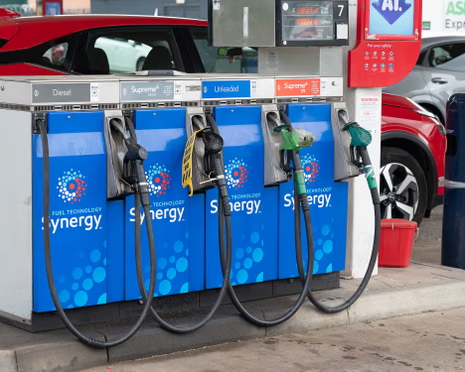
The accountancy firm noted that confidence about household finances is down across all age groups. Younger people currently remain more optimistic than their older counterparts in the United Kingdom today. However, there was a twenty percent fall in those under thirty-five feeling financially healthy. There is also a nine percent increase in young people struggling with their monthly bills. Many individuals are now finding themselves in direct trouble with their basic daily living costs. Almost ninety percent of the consumers surveyed expressed deep concern about the cost of living. Nearly eighty percent of respondents plan to cut back on spending in the next quarter. The proportion of people driving less to save on fuel has doubled since January. This figure has jumped from twelve percent to twenty-four percent in a few months. Rising costs are clearly prompting shoppers to pull back their spending across the entire board. Experts expect that general sentiment will get worse before it begins to improve later. Consumers are facing much higher energy and food costs later in the current calendar year. The PwC report mirrors several other major consumer confidence surveys released in recent weeks. Data company GfK also reported that UK consumer confidence slid significantly during this past April. This represents the lowest level of public optimism since the middle of last October. Much of this worry stems from the mounting economic fallout from the war in Iran. This difficult situation also reflects the current economic climate observed in the United States. Recent data showed that American consumer confidence fell to a fresh record low recently. These concerns are driven by higher prices for essential goods across the global market. The Bank of England recently stated that higher inflation was now going to be unavoidable.
The conflict in the Middle East is expected to push up fuel and food. Energy prices are also predicted to rise as the geopolitical situation remains very unstable. The latest figures from the Office for National Statistics show a rise in inflation. The consumer prices index rose to three point three percent during the month of March. This was a notable increase from the three percent recorded during the month before. This figure remains well above the official target of two percent set by the Bank. Many families are feeling the pressure as their weekly grocery shops become much more expensive. The price of petrol at the pumps is also a major concern for commuters. Higher interest rates are continuing to put pressure on those with large monthly mortgages. The dream of home ownership feels increasingly distant for many young people in Britain.
Consumer-facing businesses are looking for ways to survive this difficult period of low spending. The hospitality sector is hoping the World Cup this summer provides a necessary trade boost. Major sporting events often encourage people to visit pubs and restaurants with their friends. However, the current jet fuel crisis may change how people choose to spend their holidays. Domestic hotels might benefit if a staycation boom occurs because of expensive flight costs. Many international flights are being cancelled or are becoming far too expensive for families. Staying in the United Kingdom might be the only viable option for many this year. This could provide a lifeline for local tourism businesses in coastal and rural areas. Despite this hope, the overall outlook for the leisure industry remains quite challenging today. Business owners are worried about their own rising energy bills and staff wage costs.
General confidence is also being negatively affected by growing worries about long-term job security. A separate report highlighted a faster fall in permanent staff appointments across the country. This trend was more pronounced in April compared to the first two months of 2026. Researchers believe this is due to heightened market uncertainty surrounding the war in Iran. Rising business costs are making companies more hesitant to hire new full-time permanent staff. Job vacancies also declined in April, marking a fall for the thirtieth successive month. This long-term decline suggests a cooling labor market as businesses tighten their financial belts. However, the pace of reduction in staff appointments remained weaker than the previous year. This indicates that while the market is slowing, it has not yet fully collapsed. Employers are instead relying more heavily on flexible work arrangements to meet their needs.
There has been a strong rise in temporary billings over the last few months. This is the first time temporary work has increased significantly in over three years. Companies prefer the flexibility of temporary contracts during times of great global political instability. For workers, this means less certainty regarding their monthly income and long-term career paths. The shift toward temporary labor reflects a broader cautiousness within the entire British economy. Many sectors are waiting to see how the conflict in the Middle East evolves. If energy prices stabilize, we might see a return to more permanent hiring patterns. Until then, the job market is likely to remain somewhat volatile and unpredictable. Workers are being advised to update their skills to stay competitive in this market. Career changes are becoming more common as people seek stability in more robust industries.
Public services are also feeling the strain of the increased cost of living today. Schools and hospitals are facing higher heating bills and more expensive equipment and supplies. The government is under pressure to provide more support for low-income British households soon. Political leaders are debating the best way to tackle inflation without slowing economic growth. Some suggest tax cuts while others argue for more targeted support for the vulnerable. The debate is likely to intensify as we move closer to the next election. Meanwhile, charities are reporting a surge in demand for their vital community support services. Food banks are seeing more people who are in full-time employment but struggling. This highlights the severity of the current crisis facing working families across the nation. Community spirit remains strong, but many people are feeling the weight of exhaustion.
Financial experts recommend that households review their budgets as carefully as they possibly can. Identifying non-essential spending can help create a small buffer for rising utility bill costs. Many people are switching to cheaper supermarket brands to save money on their food. Energy-saving measures in the home are also becoming more popular among savvy UK homeowners. Small changes in daily habits can lead to noticeable savings over a long period. However, for those on the lowest incomes, there is very little left to cut. This is why many are calling for more robust intervention from the government. The next few months will be crucial for the health of the economy. Everyone is watching the global news closely for any signs of peace and stability. A resolution to international conflicts would likely help ease the pressure on global prices.
Despite the gloom, some sectors of the British economy continue to show great resilience. Technology and green energy firms are still attracting significant investment from around the world. These industries could provide the high-quality jobs needed for a strong future economic recovery. Innovation in these fields is helping the United Kingdom stay competitive on the stage. The resilience of the British public is also a factor that shouldn’t be ignored. People have found ways to adapt to difficult circumstances many times in the past. There is a sense that the country can pull through this together eventually. For now, the focus remains on navigating the immediate financial challenges of daily life. The English Chronicle will continue to monitor these developments and provide regular updates. Stay informed by checking our latest reports on the economy and personal finance news. Knowing the facts is the first step in managing your own financial future.
Related News:
 Reeves Faces Setback as Labour May Miss Homes Target
 Virgin Trains Moves Closer to Challenging Eurostar Monopoly
 Trump’s UK Ambassador Urges North Sea Drilling to Strengthen US Ties
 Ryanair Chief UK Economy ‘Doomed’ Under Labour
 M&S Profits More Than Halve After Cyber-Attack
 Earl of Yarmouth Faces £1.3m Legal Bill Over Family Estate
 Millionaires group urge Reeves to introduce wealth tax to ‘lift kids out of poverty’
 From Lego to Pokémon: How Adults Are Driving UK Toy Market Growth
 Canada Passes Carney’s First Budget in Tight Parliamentary Vote
 Starmer Says Labour’s Economic Plan Needs Years to Deliver
 Virgin Media Fined £23.8m Over Telecare Safety Failures
 Starmer Faces Parliamentary Battles Over UK-EU ‘Reset’ Plan
 ScottishPower Tops List of Worst UK Energy Suppliers
 Markets Slide As Gold Rally Signals Risk From Trump Greenland Tariff Plan
 UK Eyes Global Investment with Visa Fee Refunds
 City & Guilds pay surge sparks backlash amid £22m cuts
 UK Inflation Hits 3.4% in December, Ending Five-Month Decline
 Trump Fed bid heads to Supreme Court
 ‘Black Tax’: Burden, Pride and Survival for African Workers
 AI job losses UK: Britain faces sharper employment shock
 India-EU Free Trade Deal Marks Historic Economic Shift
 EU Signals Open Mind on UK Customs Union Talks
 Telstra AI jobs cuts as automation drive expands
 BT Names New Openreach Chief Amid Major Fibre Expansion
 UK Banks Plot Payment Backup Amid Trump Fears
 UK Unemployment Rate Climbs to 5.2% Peak
 UK shelves £110m border project amid trade strain
 Aston Martin Cuts 20% Jobs Amid £363m Loss
 Switching Energy Deal Can Save £200 as Price Cap Falls
 Rachel Reeves Faces Middle East Conflict Test
 Grocery Inflation Rises Amid War Fears
 BrewDog sold Highland estate for knockdown price after abandoning reforestation plans
 UK Energy Reform Could Cut Bills by £200
 Rising Costs Force Families to Rethink Days Out
 Oil Slides, Stocks Jump on Trump Peace Signals
 UK inflation held at 3% before global energy price hit
 Ticketmaster Fees Rise Despite Recent US Junk Fee Crackdown
 M&S Demands Urgent Action on Rising Violent Retail Crime
 New Era for Sick Pay as Millions Gain Critical Rights
 Oil Prices Surge as Trump Issues New Deadline to Iran
 US and Iran Agree to Two-Week Provisional Ceasefire
 Stefano Gabbana Resigns as Chair of Italian Luxury Giant
 Rolls-Royce SMR Secures £600m Boost for Nuclear Future
 Aegon Sells Historic UK Arm to Standard Life for £2bn
 Central Bank Chiefs Hold Crisis Simulation in Washington
 UK Staycations Rise as Travel Fears Grow
 Former Brexit Chief Calls for Rejoining the EU
 Albanese Rejects Gas Export Tax Push
 Oil Prices Surge Above $120 Amid Iran Blockade Fears
 Silent Tracks: Rail Line Without Passengers
 Trump approval plunges amid Iran war fears
 Tough Fiscal Realities Await Next Scottish Government
 DeepMind Staff Vote to Unionize Over US Military Contract
 Global Conflict Hits Home As Bullock Warns Of Economic Pain
 STV Election Coverage Disrupted Amid Bitter Pay Dispute
 Aramco Surges as East-West Pipeline Counters Gulf Tensions
 Big Tobacco Under Fire Over Controversial New Ad Campaign
 High Street Crisis: Fears Grow Over Post Office Closures
 UK Firms Freeze Spending as Iran Conflict Bites
 Summer Shock: British Energy Bills Set for Grim July Hike
 Reeves to Fast-Track Clean Energy Amid Iran Crisis
 Oil Markets Face ‘Red Zone’ Threat Amid Iran Crisis
 Belfast Approves Pilot Extension of Sunday Trading Hours
 Albanese Defends Tax Reforms Amid Emotional Speech
 Tube Strike Brings Capital to a Standstill Over Shift Disputes
 BP Stands Firm on Amanda Blanc Amid Boardroom Storm
 UK House Prices Drop For Third Month Due To War Fears
 Top Chefs Back Andy Burnham to Save UK Hospitality Sector
 GSK Secures Landmark $10.6bn Deal for Nuvalent
 UK Economy Suffers a Sharp Downturn as Iran Conflict Bites
 AI Scams Push UK Investment Fraud Past £220m
 Rethinking the Blueprint for Youth Employment in Britain
 Sainsbury’s Boss Optimistic As Grocery Inflation Eases
 UK Households Suffer Squeeze As Disposable Incomes Drop
 Creditors Eye Thames Water Even Under Nationalisation
 Record £28m Fine for Virgin Media Over Cancellation Woes
 Jet2 Sees Summer Surge Despite Global Tensions
 Ukraine Creates Long-Range Strike Command
 BBC Faces Real Jeopardy as Licence Fee Income Declines
 Thames Water Future Remains Uncertain Amid Funding Crunch