Published: 04 May 2026. The English Chronicle Desk. The English Chronicle Online.
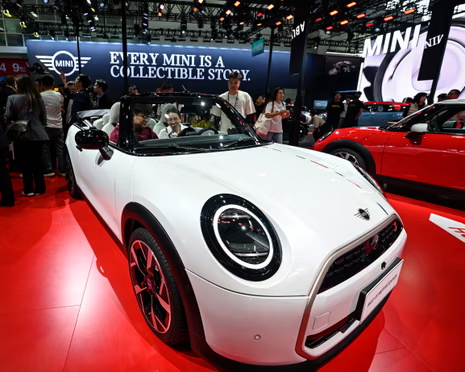
The British automotive landscape witnessed a remarkable shift in momentum during the month of April. New car registrations across the United Kingdom surged by an impressive twenty-four per cent annually. This significant growth brought the total number of new vehicles on the road to 149,247. Such a sharp rise signals a robust recovery for the domestic automotive retail sector recently. The Society of Motor Manufacturers and Traders provided these latest figures in their monthly market update. Much of this upward movement was driven by a spectacular rise in electric vehicle adoption. Battery electric vehicle sales alone skyrocketed by more than fifty-nine per cent over the last month. This surge pushed the total number of registered electric cars in Britain past two million. Electric models now account for more than a quarter of all new car sales nationwide. This milestone suggests that British motorists are increasingly looking toward a future beyond traditional combustion engines.
However, industry leaders are now issuing a cautious warning regarding the months that lie ahead. The escalating conflict in Iran is beginning to cast a long shadow over the economy. Rising inflation and volatile energy prices are expected to dampen the recent enthusiasm for new cars. The Society of Motor Manufacturers and Traders noted that the full impact remains quite uncertain. While the high cost of petrol makes electric driving attractive, energy bills are also rising. Households are feeling the pinch as the cost of living continues to climb across Britain. The conflict has disrupted global supply chains and pushed up the price of crude oil. Consequently, the financial pressure on average families could soon outweigh the benefits of switching fuels. Many potential buyers might delay large purchases as they wait for more economic stability soon. This uncertainty is already starting to influence the long-term forecasts for the entire automotive industry.
The strong April performance was partially due to a very weak showing during last year. In 2025, consumers rushed to buy cars in March to avoid new vehicle tax changes. The government ended the excise duty exemption for zero-emission cars on the first of April. This change also introduced a luxury car supplement for expensive electric models over forty thousand pounds. These vehicles now face an annual tax bill of four hundred and twenty-five pounds extra. This fiscal shift initially cooled the market as buyers adjusted to the higher ownership costs. The recent bounce back suggests that the market has finally digested these significant tax increases. Nevertheless, the underlying demand for electric cars is still not meeting official government targets. The zero-emission vehicle mandate requires a thirty-three per cent market share for electric cars. Currently, battery electric vehicles have only managed a twenty-three per cent share so far. This shortfall persists despite manufacturers offering record levels of discounts to attract new buyers.
Government incentives like the new electric car grant have helped to bolster some recent sales. This scheme offers up to three thousand seven hundred and fifty pounds for eligible models. Many drivers are also using salary sacrifice programmes to make electric driving more affordable now. These financial tools have been essential in keeping the transition to green energy moving forward. Without these measures, the gap between current sales and official mandates would likely be wider. The fleet sector remains the strongest driver of growth in the current automotive market. Fleet registrations rose by nearly twenty-seven per cent to reach over ninety thousand units lately. Private individuals are also returning to showrooms with a twenty per cent increase in purchases. Even small businesses are showing more confidence by increasing their vehicle orders by fifteen per cent. This broad growth across all sectors is a positive sign for the national economy.
Petrol cars still saw a modest rise in demand of around eight per cent recently. Meanwhile, the popularity of diesel engines continues to fade with a slight one per cent dip. Electrified vehicles, including hybrids, now represent more than half of the total UK market share. Plug-in hybrids have seen a massive forty-six per cent jump in popularity among British drivers. Standard hybrid electric vehicles also grew by eighteen per cent to secure a solid position. These figures show a clear trend toward varied levels of electrification for most modern motorists. Despite this, the Society of Motor Manufacturers and Traders has lowered its future EV expectations. They cited a weaker first quarter than expected for the overall reduction in their forecast. The predicted market share for battery electric vehicles has been downgraded to twenty-seven per cent. This is a noticeable drop from the earlier projection of nearly twenty-nine per cent share.

Looking further ahead to next year, the industry body expects sales of 2.1 million units. They predict that battery electric vehicles will reach thirty-two per cent of the total market. This forecast still sits six percentage points below the mandatory targets set by the government. High costs for production and public charging are still significant barriers for many everyday drivers. Natural demand is simply not growing fast enough to meet the current legislative requirements easily. Mike Hawes, the chief executive of the industry body, emphasized the importance of policy alignment. He stated that the mounting cost of compliance could eventually limit choices for British consumers. He also warned that the competitiveness of the UK manufacturing sector could be at risk. A rapid review of the transition is needed to match regulations with market realities. Without a flexible approach, Britain may lose its status as an attractive global vehicle hub.
The industry must find a way to balance environmental goals with the current economic climate. One bright spot for consumers is that electric car prices are finally starting to fall. Recent data suggests that some new electric models are now cheaper than their petrol equivalents. This price parity is a major milestone that could help to sustain future sales growth. If energy prices stabilize, the transition to electric vehicles could regain its original rapid pace. For now, the automotive sector remains in a delicate state of flux and transition. Success will depend on how well the industry navigates the geopolitical challenges in the Middle East. The resilience of the British car buyer will be tested by inflation in the coming months. Both the government and manufacturers will need to work together to maintain this recent momentum. The path to a zero-emission future remains clear but the journey is getting tougher. Only time will tell if the current leap in sales can survive the economic storm.
Related News:
 Reeves Faces Setback as Labour May Miss Homes Target
 Virgin Trains Moves Closer to Challenging Eurostar Monopoly
 Trump’s UK Ambassador Urges North Sea Drilling to Strengthen US Ties
 Ryanair Chief UK Economy ‘Doomed’ Under Labour
 M&S Profits More Than Halve After Cyber-Attack
 Earl of Yarmouth Faces £1.3m Legal Bill Over Family Estate
 Millionaires group urge Reeves to introduce wealth tax to ‘lift kids out of poverty’
 From Lego to Pokémon: How Adults Are Driving UK Toy Market Growth
 New laws to bolster UK’s defences against cyber attacks on NHS, transport and energy
 Canada Passes Carney’s First Budget in Tight Parliamentary Vote
 Starmer Says Labour’s Economic Plan Needs Years to Deliver
 Virgin Media Fined £23.8m Over Telecare Safety Failures
 Starmer Faces Parliamentary Battles Over UK-EU ‘Reset’ Plan
 Reeves Pub Business Rates U-Turn Calms Labour Revolt
 ScottishPower Tops List of Worst UK Energy Suppliers
 Markets Slide As Gold Rally Signals Risk From Trump Greenland Tariff Plan
 UK Eyes Global Investment with Visa Fee Refunds
 City & Guilds pay surge sparks backlash amid £22m cuts
 UK Inflation Hits 3.4% in December, Ending Five-Month Decline
 Trump Fed bid heads to Supreme Court
 ‘Black Tax’: Burden, Pride and Survival for African Workers
 AI job losses UK: Britain faces sharper employment shock
 India-EU Free Trade Deal Marks Historic Economic Shift
 EU Signals Open Mind on UK Customs Union Talks
 Telstra AI jobs cuts as automation drive expands
 BT Names New Openreach Chief Amid Major Fibre Expansion
 UK Banks Plot Payment Backup Amid Trump Fears
 UK Unemployment Rate Climbs to 5.2% Peak
 UK shelves £110m border project amid trade strain
 Aston Martin Cuts 20% Jobs Amid £363m Loss
 Rachel Reeves Faces Middle East Conflict Test
 Grocery Inflation Rises Amid War Fears
 BrewDog sold Highland estate for knockdown price after abandoning reforestation plans
 UK Energy Reform Could Cut Bills by £200
 Rising Costs Force Families to Rethink Days Out
 Oil Slides, Stocks Jump on Trump Peace Signals
 UK inflation held at 3% before global energy price hit
 Ticketmaster Fees Rise Despite Recent US Junk Fee Crackdown
 M&S Demands Urgent Action on Rising Violent Retail Crime
 New Era for Sick Pay as Millions Gain Critical Rights
 Oil Prices Surge as Trump Issues New Deadline to Iran
 US and Iran Agree to Two-Week Provisional Ceasefire
 Stefano Gabbana Resigns as Chair of Italian Luxury Giant
 Rolls-Royce SMR Secures £600m Boost for Nuclear Future
 Aegon Sells Historic UK Arm to Standard Life for £2bn
 Central Bank Chiefs Hold Crisis Simulation in Washington
 UK Staycations Rise as Travel Fears Grow
 Former Brexit Chief Calls for Rejoining the EU
 Albanese Rejects Gas Export Tax Push
 Oil Prices Surge Above $120 Amid Iran Blockade Fears
 Silent Tracks: Rail Line Without Passengers
 Trump approval plunges amid Iran war fears
 Tough Fiscal Realities Await Next Scottish Government
 DeepMind Staff Vote to Unionize Over US Military Contract
 US Awaits Iran Reply on New Ceasefire Proposal
 Aramco Surges as East-West Pipeline Counters Gulf Tensions
 Big Tobacco Under Fire Over Controversial New Ad Campaign
 High Street Crisis: Fears Grow Over Post Office Closures
 UK Firms Freeze Spending as Iran Conflict Bites
 Summer Shock: British Energy Bills Set for Grim July Hike
 Reeves to Fast-Track Clean Energy Amid Iran Crisis
 Oil Markets Face ‘Red Zone’ Threat Amid Iran Crisis
 Belfast Approves Pilot Extension of Sunday Trading Hours
 Albanese Defends Tax Reforms Amid Emotional Speech
 Tube Strike Brings Capital to a Standstill Over Shift Disputes
 BP Stands Firm on Amanda Blanc Amid Boardroom Storm
 UK House Prices Drop For Third Month Due To War Fears
 Top Chefs Back Andy Burnham to Save UK Hospitality Sector
 GSK Secures Landmark $10.6bn Deal for Nuvalent
 UK Economy Suffers a Sharp Downturn as Iran Conflict Bites
 AI Scams Push UK Investment Fraud Past £220m
 Rethinking the Blueprint for Youth Employment in Britain
 Sainsbury’s Boss Optimistic As Grocery Inflation Eases
 UK Households Suffer Squeeze As Disposable Incomes Drop
 Creditors Eye Thames Water Even Under Nationalisation
 Record £28m Fine for Virgin Media Over Cancellation Woes
 Jet2 Sees Summer Surge Despite Global Tensions
 Ukraine Creates Long-Range Strike Command
 BBC Faces Real Jeopardy as Licence Fee Income Declines
 Thames Water Future Remains Uncertain Amid Funding Crunch