Published: 04 May 2026. The English Chronicle Desk. The English Chronicle Online.
The digital glow of a smartphone screen serves as a window into a world of profound turmoil and bravery. In September 2022 a wave of revolutionary spirit swept across the ancient landscape of Iran with sudden force. From the distant safety of Dubai an exiled photographer watched these events unfold through flickering social media feeds. Raw video footage surfaced daily despite the heavy hand of state-sponsored internet blackouts across the nation. These clips showed women burning their hijabs in public squares as a sign of true defiance. Young men were often seen wounded by metal pellets fired during the intense street protests. Teenagers were dragged into unmarked vans by security forces while the world watched in total silence. This artist spent six years documenting life under repression before being forced into her current exile. The feeling of helplessness grew as she witnessed her homeland burning from such a great distance. Her new body of work emerged from this deep pain and serves as powerful testimony. It explores the public violence of the state alongside her private act of long-distance witness.

The creative process began by isolating specific frames from the chaotic flow of open-source protest videos. She photographed these digital pixels directly from her computer screen using a portable Fujifilm instax camera. This method allowed her to create physical prints immediately within the quiet walls of her studio. She felt a desperate need to interrupt the relentless and exhausting flow of digital images. By arresting their movement she turned ephemeral pixels into solid and permanent physical objects of memory. This technique was a significant departure from her previous professional documentary style and high-resolution work. The grainy and pixelated surfaces carry an urgency that polished photography simply cannot convey today. She embraced what some artists call the poor image as a politically potent form of testimony. These small physical prints represent a bridge between the digital world and the tangible reality. They serve as a permanent record of moments that the state wishes to erase forever. Each photograph captures a fragment of a rebellion that refuses to be silenced by fear.
This artistic practice actually grew from her earlier experiences while living and working inside Iranian borders. Back then she carried an instax camera to give portraits to strangers as small keepsakes. These gifts were known as yadegari which translates roughly to something to remember me by. These photographs were shaped by a sense of intimacy and the constant need for precaution. During the recent uprising that same ethic took on a new and much more urgent. The medium transformed into a direct response to both the rebellion and state-wide censorship. One specific image shows a young woman with a high ponytail moving against thick smoke. It captures a moment from a protest video filmed on the busy streets of Tehran. Crowds are seen circling a fire while chanting slogans of defiance against the moral police. They took misogynistic insults and turned them into powerful cries for their own personal freedom. In the face of terror the human body becomes the primary battlefield for change. These women refuse to return to the old ways of life under strict control.
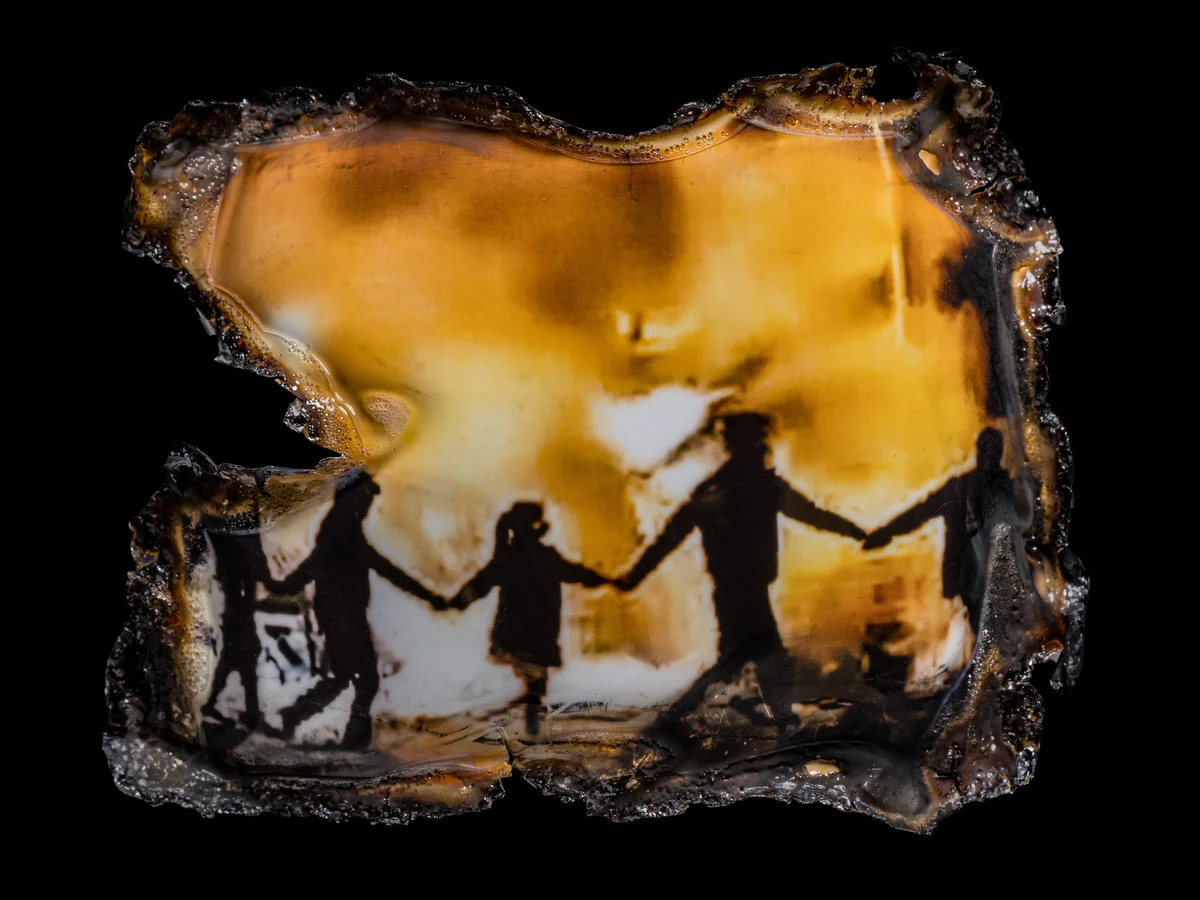
The artist believes that the grainy quality of these images reflects the fractured nature of memory. In January 2026 she began a new and somber phase of her creative protest. After reports of state massacres and executions she started burning the physical instax prints. This act of burning served as a ritual of mourning for those who lost lives. Fire scarred the surfaces of the photographs echoing the violence they were meant to depict. This was not an attempt at erasure but a way to push against stillness. It allowed the images to convey a sense of rage and deep collective grief. The charred edges of the prints symbolize the physical cost of demanding basic human rights. This work speaks to rebellions that happen both in public squares and private homes. It highlights the struggle for bodily freedom across many different generations of Iranian women. The project belongs to an unfolding story of resistance that remains unfinished and very raw. Her art provides a space for reflection in a world that moves too fast.
The act of witnessing from afar creates a unique psychological burden for those in the diaspora. Every video clip watched represents a person who is risking everything for a better future. By using low-tech forms of photography she honors the precarious nature of these brave movements. The blurred silhouettes represent the many anonymous heroes who fill the streets every single day. Their faces might be obscured but their spirit remains clear through the haze of smoke. This artist uses her platform in the United Kingdom to amplify voices from the ground. She understands that the struggle for freedom is a long and very difficult journey. Her work serves as a reminder that images can be tools for political change. The destruction of the print through fire creates something entirely new and visually haunting. It forces the viewer to confront the reality of death and the hope for rebirth. The movement in Iran continues to inspire artists and activists around the entire globe. These photographs are small but they carry the weight of a nation’s heavy heart.
In the modern age of social media images are often consumed and forgotten within seconds. This project demands that we slow down and look closely at the cost of freedom. The physical nature of the film makes the digital struggle feel much more real. Each burnt print is a unique object that cannot be replicated or easily deleted. It stands as a defiant middle finger to those who wish to hide the truth. The artist continues to monitor the situation in Iran with a mix of hope. She dreams of a day when she can return to a free and peaceful country. Until then her camera remains a weapon of truth and a vessel for mourning. The stories of these women will be preserved through her dedicated and soulful work. Resistance takes many forms and art is often the most enduring of them all. The fire that burns the prints is the same fire that fuels the revolution. This visual diary is a testament to the resilience of the human spirit today. Every scarred image tells a story of a life lived with immense courage. The English Chronicle remains committed to sharing these vital stories of global human rights. We must continue to watch and listen as the history of Iran is rewritten. These women behind the lens are shaping how the world remembers this historic fight. The light of the revolution will not be extinguished by shadows of the past. Her work ensures that the digital ghosts of the street find a home. These images are more than art they are a call for global solidarity. The struggle for freedom is a story that belongs to all of us now.
Related News:
 Capitol Attack Anniversary Sparks Deep Political Divide
 Saudi Officials Report Zubaidi Flee Before Yemen Peace Talks
 UK Targets in New York Bomb Threat Hoax: Man Jailed
 Gambia Supreme Court Hears Case to Overturn FGM Ban
 Trump targets Iran trade with 25% tariff warning
 US Senate rejects resolution limiting Trump military powers
 Gulf states warn Trump Iran strikes risk wider Middle East war
 Machado Trump medal gesture reshapes Venezuela power struggle
 Greenland defence seen as shared Nato duty amid troop arrivals
 Geopolitical football: Iran, Trump and the World Cup clash
 Canada-China trade gains momentum in new strategic partnership
 Trump Receives Machado’s Nobel Medal in White House Meeting
 Syria President Declares Victory as Ceasefire Reached with SDF
 US Considers Asylum for British Jews Amid Rising Antisemitism
 Trump slams UK ‘stupidity’ over Chagos Islands, eyes Greenland takeover
 Shinzo Abe’s killer receives life sentence in Japan
 China General Under Investigation Amid Leadership Purge
 Philippines ferry disaster leaves 15 dead, dozens missing
 Cambridge Faces Scrutiny Over Arms Investment Transparency
 Epstein UAE Emails Shake British Royal Andrew’s Legacy
 Christchurch gunman seeks to vacate guilty plea
 Infantino Faces Russia Threat and Trump Concerns at Uefa Congress
 Concerns rise for Canberra boy amid Iran detention fears
 Ukraine Sends Drone Experts to Defend US Bases in Jordan
 Abramovich Chelsea Sale Cash Faces Jersey Probe
 Yvette Cooper: UK Must Follow Principles, Not US Pressure
 Slovenia Election: A Nation at a Crossroads
 Jury Rules Meta and YouTube Liable for Addictive Design
 Saudi Arabia Urging US to Keep Up Iran Attacks
 Trump Softens Cuba Oil Stance as Russian Tanker Nears
 The Woman Guarding Earth From the Threat of Asteroids
 IMF Predicts Global Economic Crisis Due to Gulf Unrest
 California Defies Trump With Strict New AI Standards
 Germany Grapples With AI Abuse Following TV Star Scandal
 Exiled Tycoon Warns of New Russian Attacks on UK Soil
 Labor Under Fire Over Stalled University Fee Reform
 LA 2028: Millions of Affordable Olympic Tickets Announced
 Trump Slams Europe as Transatlantic Tensions Boil Over
 Inside the Deceptive Machine: A Former Producer Speaks Out
 Italy Faces Third Successive World Cup Absence After Loss
 Starmer Urges Ambitious EU Ties Amid Middle East Conflict
 Spain Faces Backlash Over Xenophobic Chants in Egypt Draw
 A Global Voice For Justice: Stephen Lewis Dies At Age 88
 Trump Issues Stark Warning After Strike On Iran’s Largest Bridge
 Hope and Fear as Iranians Flee Across the Turkish Border
 Tragic End to Outback Search as Floods Claim a Life
 Ben Roberts-Smith Arrested Over Alleged War Crimes
 Reform UK Pledges To Halt Visas Over Reparations Demands
 US and Iran Agree to Two-Week Provisional Ceasefire
 Starmer visits Gulf as US and Iran agree ceasefire
 Gaza Child Arrives in UK for Life-Changing Care
 Israel Defies Ceasefire as Lebanon Operations Persist
 Pakistan Brokers Historic Peace Deal Amid Rising Tensions
 UK Holds Firm on Strait of Hormuz Amid Trump Pressure
 Rory McIlroy Eyes New Horizons After Masters Defence
 Trump Signals Hope for New Iran Talks as Ceasefire Fades
 Reeves Slams Trump Over Iran War Lack Of Exit Plan
 US and Iran Pursue Extension of Ceasefire via Pakistan
 Trump’s Islamabad Gamble: The High Stakes of a New Iran Deal
 Wall Street Hits Historic High Amid Hopes for Iranian Peace
 Ian Katz to Step Down as Channel 4 Content Chief
 The General’s Gambit: Pakistan’s New Role in Global Peace
 Mexico, Spain and Brazil call for Cuba dialogue amid crisis
 Pakistan’s Ambitious Bid for Middle East Peace
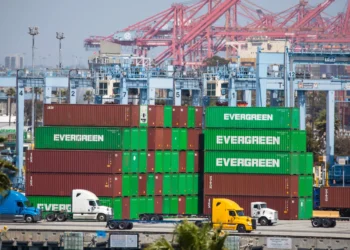 Trump Starts $166bn Tariff Refund Process
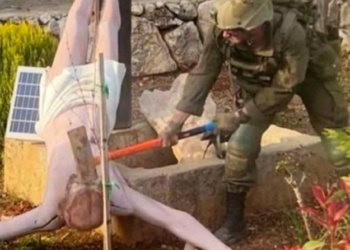 Israeli Soldiers Jailed Over Vandalism of Lebanese Statue
 Trump Weighs Sending Afghan Allies to the Congo
 Timor-Leste Faces Tough Questions Over Resort Proposal
 Pentagon Shakes Up Navy Leadership Amid Hormuz Blockade
 Trump Threatens UK With Big Tariff Over Tech Tax
 Prominent Voices Challenge Palestine Action Ban
 Security Scrutiny After Washington Shooting Incident
 Merz Criticises US Approach in Iran Conflict
 UK Envoy Sparks Controversy Over Special Relationship Claims
 Ukraine Urges UK to Seize Russian Oil Tankers
 US Calls Australia Media Law “Foreign Extortion”
 The Billionaire’s Secretary and the £1m Fraud
 Questions Remain Over The Tragic Bondi Massacre
 Ukraine strikes Tuapse as oil disaster worsens
 Brewing Tension: Taiwan Baristas Rebrand for World Stage