Published: 10 June 2026
The English Chronicle Desk
The English Chronicle Online
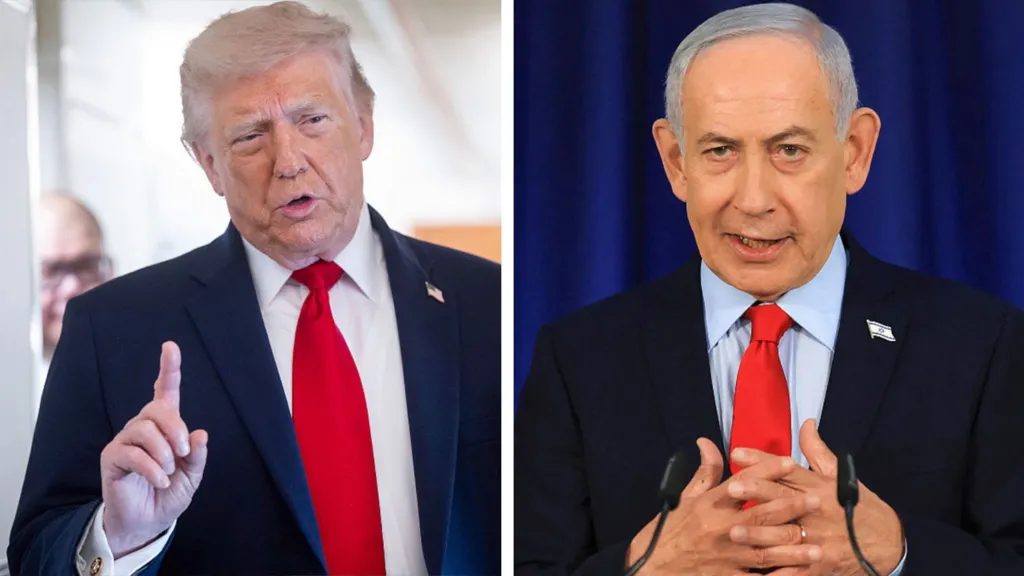
Efforts by political leaders in Washington and Jerusalem to reshape the strategic balance of the Middle East may be contributing to the risk of a prolonged regional crisis, according to analysts assessing the consequences of recent military and diplomatic developments.
The debate has intensified following a series of confrontations involving Israel, Iran and allied groups across the region, alongside renewed US military involvement in key flashpoints.
Observers argue that attempts to weaken hostile regional actors and establish a new security framework have produced mixed results, with some goals achieved but tensions continuing to spread across multiple fronts.

Supporters of the strategy contend that stronger military deterrence and closer cooperation between regional allies are necessary to counter security threats and maintain stability.
Critics, however, warn that repeated cycles of confrontation risk creating a state of permanent instability, where conflicts are managed rather than resolved.
The concept of a “permacrisis” has increasingly been used by geopolitical analysts to describe overlapping security, economic and humanitarian challenges that reinforce one another over time.
Recent developments involving Iran, Israel, Lebanon, Gaza and maritime security in the Gulf have highlighted the interconnected nature of regional tensions.
Diplomatic efforts continue behind the scenes, with international mediators seeking to prevent isolated confrontations from escalating into a broader regional conflict.
Security experts note that military operations can produce immediate tactical outcomes but often generate longer-term political consequences that are more difficult to predict.
The United States remains a central actor in regional security arrangements, while Israel continues to face complex challenges from both state and non-state adversaries.

Economists have also warned that continued instability could affect global energy markets, trade routes and investment confidence throughout the region.
As tensions persist, analysts say the challenge for policymakers will be finding a balance between deterrence, diplomacy and sustainable long-term security arrangements.
Check Out Our Latest News At>>
Related News:
 Iran Says ‘Guiding Principles’ Agreed With US at Nuclear Talks
 US Pushes to Recruit Organised Crime Gangs into Gaza Police Force
 US Urges Iran to Make Deal as Military Presence Rises
 US Build-Up of Warships and Fighter Jets Tracked Near Iran
 Trump’s Foreign Policy Dilemma Laid Bare by Iran Tensions
 US Partially Evacuates Beirut Embassy Amid Rising Iran Tensions
 Hopes and Fears as US Iranians Take to Streets After Toppling of Supreme Leader
 Iran, the US, and a World Cup That Starts in Three Months
 Trump’s Iran Endgame Unclear After Mixed Messaging on War Aims
 Did Trump Declare War and Did Congress Approve Iran Attacks? What to Know
 Rubio Responds to Reported Strike on Iranian School
 Trump Underestimated the Iranian Regime’s Will to Survive
 U.S. Tells Citizens to Leave Israel Now as Regional Conflict Escalates
 US Strikes on Iran Triggered by Israel’s Plan to Launch Attack, Rubio Says
 Sixth American Service Member Killed in Iran Operation as Conflict Intensifies
 Trump Rebukes Starmer Over UK Refusal to Back Strikes on Iran
 US Senate Backs Trump War Powers Amid Iran Missile Barrage
 UK Prepares Aircraft Carrier for Middle East Crisis
 Trump Threatens Iran With ‘Twenty Times Harder’ Oil Strike
 Iran Rejects Ceasefire, Warns Trump With Chilling Message
 MAGA Anxiety and the Iran War: A Movement Divided at CPAC
 Trump likens US Navy actions to ‘pirates’
 Tensions Emerge in Netanyahu-Trump Alliance
 Former ICC prosecutor condemns US sanctions
 Trump Claims Iran Peace Deal Near Completion
 Trump-Netanyahu Call Fuels Iran Talk Crisis
 Israel Strikes Iran After Missile Attack
 US Launches Strikes on Iran After Military Helicopter Downed Near Strait of Hormuz
 Two National Guard Soldiers Critically Injured Near White House
 American Mother Extradited From UK to U.S. on Murder Charges
 Russia losses Ukraine war peace talks intensify amid rising deaths
 US Cities Erupt in Protests Against Trump’s Venezuela Military Action
 Trump Escalates Minnesota Immigration Surge Amid Rising Tensions
 Trump Weighs Response to Iran Crackdown as Tehran Says Communication Open With US
 US Clears Nvidia AI Chip Sales to China in Policy Shift
 Trump Threatens Strong Action If Iran Executes Protesters
 EU Says US Ties Have Suffered ‘Big Blow’ After Greenland Crisis
 Videos reveal earlier clash before Alex Pretti shooting
 ‘I Would Scream in My Sleep’: Alawite Women from Syria Tell of Kidnap and Rape
 Eight Skiers Found Dead After California Avalanche
 US Will Not Back Out of Tariff Deals with UK and Others, Says Trump Trade Representative
 Bill Gates ‘Took Responsibility’ Over Epstein Ties in Staff Meeting, Foundation Says
 American Citizen Killed in Cuba Boat Shooting, U.S. Officials Say
 Iran’s Regime Still Intact — Coming Days Will Test Its Survival
 Allies of US in the Gulf Bear Brunt of Iran Attacks
 Trump Faces Questions Over Iran Conflict Plan
 In Maps: Strikes Across Iran and the Middle East
 Months of Planning Behind US‑Israeli Mission to Target Iran’s Supreme Leader
 The Third Day of the US‑Israeli War With Iran
 Limited Flights Leave UAE But Disruption Continues Amid Iran Strikes
 Israel Launches Ground Invasion of Lebanon Amid Widening Middle East War
 The US Now Has the Medicine for Cheap Swarming Drone Attacks
 Civilian Deaths in Iran Pass 700 Amid Fear of Bombs and Regime Clampdown
 Middle East attacks intensify as Trump rejects Iran talks
 Iran-Iraq border airstrikes spark new tensions
 Macron Finds ‘Freedom Fries’ Redemption in Iran Crisis
 ‘We Must Finish This’: Israelis Rally Behind War Effort as Iran Strikes Tel Aviv
 Thousands Protest Iran Strikes Outside US Embassy London
 US Bombers Arrive at RAF Base Amid Rising Iran Tensions
 Pete Hegseth Iran War Remarks Spark Alarm
 Nine Days of Strikes Reshape the Middle East
 Real Estate Brothers Convicted in Sex Trafficking Trial
 Iran War Puts Trump at Political Risk Amid Rising Prices
 Iran’s New Leader Faces Existential Test
 Trump Iran War Stance Hardens as Conflict Widens
 Trump’s Confidence Undimmed — But Every Iran Option Carries Risk
 Israel Says Iran Security Chief Larijani ‘Killed’
 Trump Threatens Iran With Total Infrastructure Destruction
 Chain of Fire: US Bunker Busters Strike Major Iranian Ammo Depot in Isfahan
 US Airman Rescued in Daring Mission After F-15 Shot Down in Iran
 US and Iran Pursue Extension of Ceasefire via Pakistan
 Trump Threatens UN Budget Cuts as US Pushes ‘Trade Over Aid’ Agenda
 US Court Restores Abortion Pill Access Temporarily
 Miami Upgrades Shake Up F1 Title Fight
 “The Peace Dividend”: Oil Prices Plunge and Global Stocks Surge on Reports of Iran Ceasefire Deal
 US Awaits Iran Reply on New Ceasefire Proposal
 “The Desecrated Grave”: West Bank Settlers Force Palestinian Family to Exhume Father’s Body
 “Hold Off”: Trump Pauses ‘Scheduled’ Strike After 11th-Hour Appeal From Gulf Allies
 US Strikes Iranian Sites Amid Shaky Ceasefire Talks
 Zelensky Invites Putin to Direct Peace Talks