Published: 26 May 2026. The English Chronicle Desk. The English Chronicle Online.
The delicate geopolitical balance in the Middle East faced a severe challenge on Tuesday when American forces launched targeted strikes in southern Iran. This sudden military action serves as a stark reminder of how fragile the current seven-week ceasefire remains. The strikes targeted specific locations near the critical shipping lanes of the Strait of Hormuz. Despite the sudden burst of violence, diplomats from both Washington and Tehran are actively continuing their indirect peace talks. High-level Iranian negotiators have recently arrived in Qatar to discuss a potential long-term agreement. The situation highlight the difficult path toward a lasting settlement between the two traditional adversaries.
According to statements released by US Central Command, the military operation was defensive in nature. American forces specifically targeted active missile launch sites and several small boats attempting to lay naval mines in strategic waters. Navy Captain Tim Hawkins, speaking for Central Command, emphasized that the actions were intended to protect regional stability and American assets. He noted that the military continues to act with restraint despite the clear threats detected. Washington officials have also stressed that these isolated strikes do not mean the existing truce has completely collapsed. Instead, they view the action as a necessary response to immediate provocations on the water.
In Iran, state-controlled media outlets provided immediate updates on the explosions to local residents. Reports emerged from the vital port city of Bandar Abbas, which serves as a major base for the Iranian navy. The local news website Tabnak reported that four members of the Islamic Revolutionary Guard Corps died during the strikes on the vessels. Iranian state television confirmed that multiple blasts occurred near dual-use facilities in the coastal region. However, the official state news agency Mehr later assured the public that authorities maintained full control of the situation. They urged citizens not to panic, suggesting that the domestic impact was manageable.
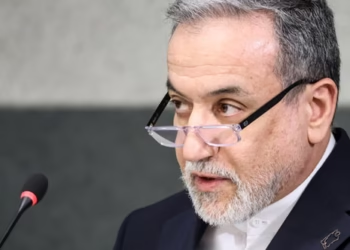
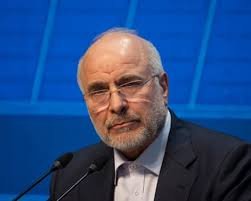
The timing of these military strikes is particularly sensitive due to ongoing diplomatic efforts in Doha. A prominent delegation led by Mohammad Bagher Ghalibaf, the speaker of Iran’s parliament, travelled to Qatar for fresh discussions. The team includes Foreign Minister Abbas Araghchi and Central Bank Governor Abdolnaser Hemmati, showing the serious nature of the talks. The presence of the central bank chief indicates that economic matters are a primary focus for Tehran. Negotiators are trying to secure the release of billions of dollars in frozen Iranian financial assets. These funds are currently locked in various international banks due to long-standing American sanctions.
Under the current framework being discussed, the United States might allow Qatar to release some of these restricted funds. This potential concession has caused significant political debate within the United States. President Donald Trump faces growing criticism from conservative politicians within his own party regarding the proposed financial terms. Senior Republicans argue that unfreezing these assets looks too similar to the 2015 nuclear agreement. That previous deal, negotiated by the Obama administration, was deeply unpopular with conservatives and was later cancelled by Trump. Critics worry that providing financial relief to Tehran now could backfire before a comprehensive peace deal is finalized.
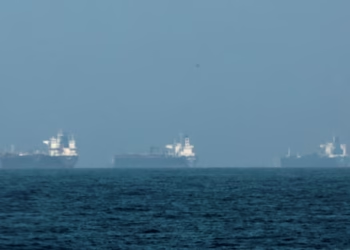
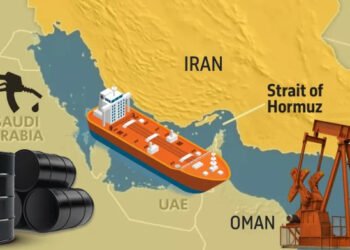
The preliminary memorandum of understanding currently under review focuses primarily on immediate regional security and maritime trade. The main goal is to convince Iran to restore safe commercial shipping through the busy Strait of Hormuz. Interestingly, the initial document does not contain specific clauses regarding Iran’s controversial nuclear enrichment program. Instead, diplomats have agreed to postpone those complex discussions for a later date. The current plan suggests that formal nuclear negotiations will begin within thirty to sixty days after signing this initial maritime agreement. This staggered approach aims to solve the immediate shipping crisis before tackling larger security problems.
President Trump has consistently maintained that his primary objective is to prevent Iran from developing functional nuclear weapons. However, domestic political pressure is mounting on the administration to secure immediate nuclear concessions from Tehran. On Monday, the American president used social media to suggest a potential compromise regarding Iran’s highly enriched uranium. He proposed that the controversial stockpile could be safely destroyed inside Iran under strict international supervision. This suggestion represents a notable shift from previous American demands that required the material to be shipped abroad. The fate of this enriched uranium remains one of the most difficult obstacles in the negotiations.
For the American administration, resolving the maritime crisis in the Persian Gulf has become an urgent priority. The United States is moving closer to important midterm elections, and voters are increasingly frustrated by inflation. The ongoing blockade of the Strait of Hormuz has disrupted global energy markets, contributing to higher fuel costs worldwide. American officials know that reopening the shipping lanes could help lower energy prices and ease voter anxiety. Therefore, the administration is highly motivated to find a diplomatic solution that satisfies domestic voters while project strength abroad. This domestic pressure explains the simultaneous use of military force and diplomatic outreach.
Reflecting this dual approach, Secretary of State Marco Rubio expressed cautious optimism during an official trip to India. Speaking to reporters in Jaipur, Rubio asserted that a diplomatic breakthrough remains entirely possible despite the recent strikes. He stated firmly that the Strait of Hormuz would eventually reopen through diplomacy or other necessary means. Rubio confirmed that negotiators in Qatar are currently debating the precise legal language of the preliminary document. His comments indicate that the United States is willing to continue talking, provided that American security demands are met. The administration appears determined to keep the diplomatic channel open even while enforcing its military red lines.
Meanwhile, Iranian officials have expressed their own distinct view regarding the future management of the strategic waterway. Tehran insists that long-term security in the strait must be settled through bilateral agreements with neighboring Oman. Iranian representatives have also suggested that they might implement new navigational service fees for commercial vessels passing through. This proposal could complicate future maritime trade agreements and create friction with international shipping companies. Furthermore, Iran continues to demand that any valid peace agreement must include a stable ceasefire in nearby Lebanon. This requirement connects the Persian Gulf negotiations to the broader conflict involving regional proxy groups.
The situation in Lebanon further complicates the regional peace process. Israeli Prime Minister Benjamin Netanyahu recently announced plans to intensify military operations against Hezbollah forces. Although a tentative ceasefire between Israel and Lebanon was established in April, cross-border violence has persisted. Israel maintains that its ongoing airstrikes are necessary acts of self-defence against militant groups. Because Hezbollah receives significant backing from Iran, the escalating violence in Lebanon directly affects the talks in Qatar. The interconnected nature of these various conflicts makes achieving a simple bilateral agreement extremely difficult for all parties involved.
As negotiators continue their work in Doha, the ultimate outcome of this diplomatic effort remains uncertain. President Trump summarized his position online, stating that the process could result in a great deal or no deal. This leaves the region in a state of suspended animation, where military strikes and peace talks happen simultaneously. The coming days will show whether the framework can survive these recent military actions. For now, the international community watches closely as diplomats try to turn a fragile truce into a lasting peace. The balance between military deterrence and diplomatic compromise will decide the future of the region.
Related News:
 Middle East Flights Halted After Iran Strikes
 US Iran Operation: Sixth Service Member Killed
 Hezbollah Anger Erupts as War Returns to Beirut
 Gaza Siege Deepens as Iran War Escalates
 Riyadh Drone Attack Escalates Regional War
 Middle East attacks intensify as Trump rejects Iran talks
 Iran-Iraq border airstrikes spark new tensions
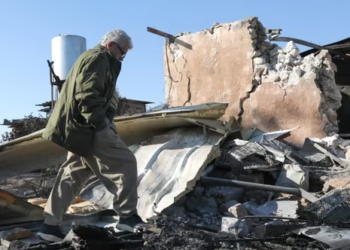 Iran-Iraq Border Strikes Spark New Front Fears
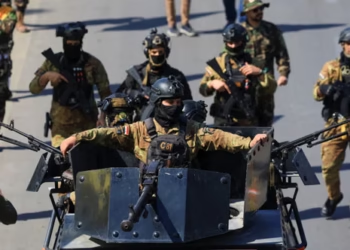 Iran-Backed Militias Escalate Attacks Across Middle East
 UK Prepares Aircraft Carrier for Middle East Crisis
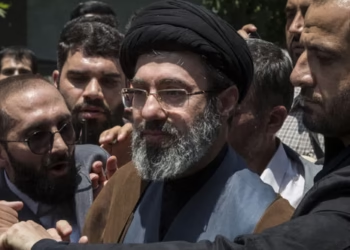 Mojtaba Khamenei Chosen as Iran’s New Supreme Leader
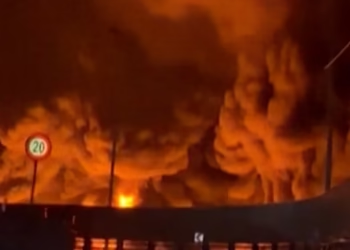 Tehran Oil Depot Strikes Darken City With Toxic Smoke
 Seventh US Service Member Killed in Iran Conflict Identified
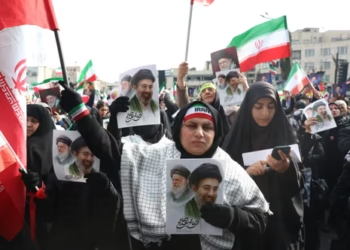 Mojtaba Khamenei Supporters Rally as Iranians Fear Repression
 Tehran Strikes Mark War’s Most Devastating Night
 Iran Defiance Grows Amid US-Israel War Pressure
 Hormuz Crisis Sparks Global Oil Market Fears
 Iranian Exile Factions Seek US Backing for Iran’s Future
 US-Israeli Strategy Shifts to Plan B in Iran War
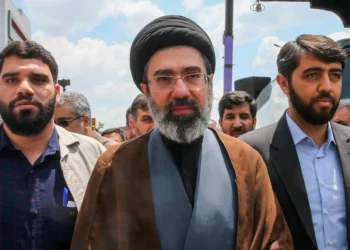 Injured Mojtaba Khamenei Elevated as Iran Leader
 US Missile Strike on Iran School Sparks Global Shock
 Iran Gulf attacks escalate as ships and airports targeted
 Iran Conflict: Trump’s Uncertain Path and Diplomatic Off-Ramp
 Ancient Heritage Sites Damaged in Recent Airstrikes
 Tehran Diary: Dark Days Under Relentless Bombardment
 British Tourist Charged Over Dubai Missile Strike Video
 Gaza Detainee Abuse: Israel Drops Charges Against Soldiers
 Trump Iran War Stance Hardens as Conflict Widens
 Lebanon Ground Campaign Raises Occupation Fears
 Gulf Tensions Rise as Iran Alleges Covert Support
 Kabul hospital strike sparks deadly blame row
 Iran Threatens Total Destruction of Mideast Energy Grid
 Ghalibaf Iran: Survivor Emerges in Shifting Power Game
 Gulf Distrust Grows Over Rumoured US-Iran Peace Talks
 WHO Warns of Health Crisis Unfolding in Middle East
 Saudi Arabia Urging US to Keep Up Iran Attacks
 Iranian President’s Son Shares Wartime Hopes and Fears
 Iran Warns of US Ground Assault Amid Rising War Tension
 MAGA Anxiety and the Iran War: A Movement Divided at CPAC
 Trump Threatens Iran With Total Infrastructure Destruction
 Iran Drone Strike Hits Kuwaiti Oil Tanker in Dubai Port
 Albanese to Address Nation as War Sparks Economic Crisis
 Death, displacement and military duties: children plunged into crisis
 Trump’s Six-Week Iranian War: The High Cost of Ignorance
 Beirut Under Fire: Massive Israeli Strikes Shaking Lebanon
 Middle East Analysis: The Cost of a Fragile Peace
 Lebanon Must Join Ceasefire to Prevent Escalation, Says Cooper
 Israel Launches Massive Airstrikes Across Lebanon
 Netanyahu Vows Continued Lebanon Strikes Amid Peace Talks
 Iran Crisis Tests Trump’s Global Leadership
 US and Iran Pursue Extension of Ceasefire via Pakistan
 Uncertain Peace: Tehran Residents Face a Ruined Capital
 Aid Crisis Grows as Hormuz War Disrupts Supply
 Trump likens US Navy actions to ‘pirates’
 Global order shifts amid Trump-era turmoil
 Middle East Crisis Escalates as Oil Routes Shake Markets
 Tensions Emerge in Netanyahu-Trump Alliance
 Trump Rejects Tehran Peace Plan as Regional Truce Crumbles
 Netanyahu Calls Early Election Amid Coalition Turmoil
 Tensions Flare as Israeli Nationalists March in Jerusalem
 Gulf Crisis Deepens After Drone Attack Near Nuclear Facility
 Global Flotilla Intercepted in International Waters
 Israeli Strikes in Lebanon Kill 10 Amid Ceasefire Strain
 Hunger increasingly weaponised in global conflicts
 Former ICC prosecutor condemns US sanctions
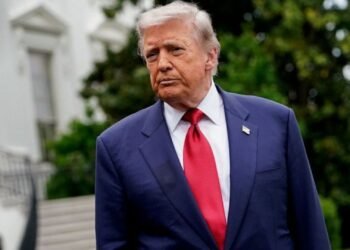 Trump Claims Iran Peace Deal Near Completion
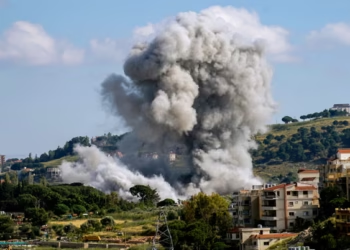 Israel Intensifies Lebanon Strikes to Crush Hezbollah
 Trump’s Iran Deal Plan Sparks Intense Alarm Across Israel
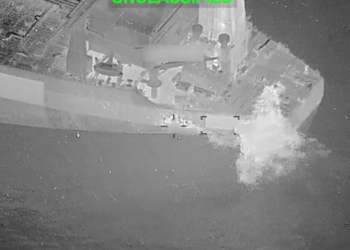 US and Iran Trade Fresh Strikes, Threatening Ceasefire
 Trump Confronts Netanyahu in Explosive Beirut Phone Call
 Iran To Propose New Shipping Fees In Strait Of Hormuz
 Grief and Devotion Amidst the Rubble of Nabatieh
 High Drama in Tehran Over Secret Nuclear Letters
 Houthis Strike Saudi Arabia as Middle East Tensions Rise
 Trump Calls Strait of Hormuz ‘American Territory’
 Trump Faces Iran War Crisis Before Midterm Vote
 Former Diplomats Urge UK and France to Act on Palestine
 ‘Extinct’ Antelope Returns to Sahara, Bringing Hope
 Irish Beach Tragedy: Irish Drown at Whitehaven Beach in Australia
 Yemen Accuses Iran of Violating National Sovereignty