Published: 12 March 2026. The English Chronicle Desk. The English Chronicle Online.
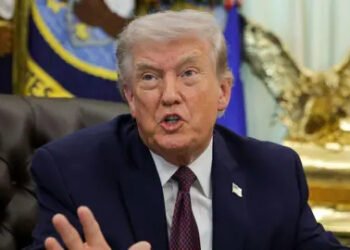
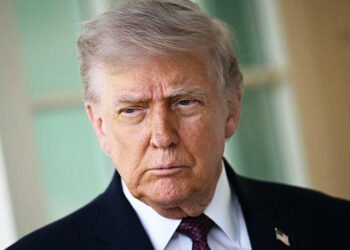
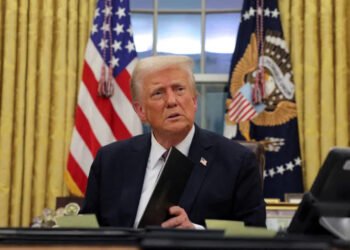
The Iran conflict has intensified global anxiety as military strikes and diplomatic uncertainty reshape Middle Eastern geopolitics. Over the past two weeks, the escalating confrontation involving the United States, Israel, and Iran has unsettled markets, strained alliances, and raised fears of wider instability across the Gulf region. Observers and policymakers now wonder whether a diplomatic off-ramp still exists for American leadership, particularly for former president Donald Trump, whose decisions continue to shape the direction of the crisis.
Events accelerated rapidly after coordinated air strikes targeted Iranian military infrastructure and leadership figures. The reported death of Supreme Leader Ali Khamenei has created political uncertainty inside Iran while triggering fierce reactions abroad. Gulf cities once considered secure now face heightened threats, with drones and missile attacks reaching commercial routes and regional transport hubs. The intensifying Iran conflict has therefore shifted from a regional confrontation into a crisis with global consequences.
Reliable information from inside Iran remains scarce, partly because international journalists operate under strict restrictions. Government structures also appear fragmented after targeted strikes eliminated several senior commanders and political leaders. Analysts note that the leadership vacuum complicates any attempt to interpret Tehran’s next move or its long-term strategy.
Insight into the crisis comes from experienced diplomats who previously worked on nuclear negotiations with Iran. Among them is Robert Malley, who served as the United States’ chief negotiator during the landmark nuclear agreement of 2015. That deal, formally known as the Joint Comprehensive Plan of Action, once promised a pathway toward reduced tensions between Washington and Tehran.
During negotiations under the administration of Barack Obama, Iran accepted significant limits on its nuclear programme. The agreement required Tehran to reduce its stockpile of enriched uranium and cap enrichment levels well below weapons-grade thresholds. Iran also agreed to limit centrifuge operations and allow enhanced inspections by the International Atomic Energy Agency.
In return, international sanctions that had devastated Iran’s economy were lifted. Tehran regained partial access to global financial systems and oil markets, creating cautious optimism about long-term diplomatic engagement. For a brief period, relations between Washington and Tehran appeared less hostile than at any time in decades.
That progress collapsed in 2018 when the United States withdrew from the agreement during the presidency of Donald Trump. The withdrawal restored sweeping sanctions and triggered renewed tension across the region. Critics warned at the time that abandoning the deal could eventually revive nuclear ambitions while weakening diplomatic leverage.

When Joe Biden entered the White House, efforts resumed to restore the agreement or negotiate a revised framework. Robert Malley again represented the United States during talks with Iranian officials. Yet negotiations repeatedly stalled because Iranian leaders feared future American administrations might again abandon any agreement.
According to Malley, Iranian negotiators frequently asked for guarantees that the next American president would honour a renewed deal. The United States could offer no such assurance because presidential authority allows successors to reverse foreign policy decisions. That fundamental uncertainty undermined trust during negotiations.
Even before the current escalation, talks were reportedly underway to explore new diplomatic possibilities. Some analysts believe intelligence gathered during those discussions may have revealed locations of senior Iranian leaders later targeted in military strikes. If accurate, the information demonstrates how diplomacy and military strategy sometimes intersect unexpectedly.
Malley believes there may once have been an opportunity to revive negotiations by appealing to Trump’s desire for political legacy. Advisers reportedly suggested that Iranian leaders flatter Trump publicly while presenting any agreement as a historic victory for American diplomacy. However, deep mistrust remained in Tehran following earlier confrontations.
The killing of Iranian military commander Qasem Soleimani in 2020 profoundly shaped Iranian perceptions of American intentions. Iranian leaders considered the strike a severe violation of sovereignty and an unforgivable humiliation. That event continues to influence political calculations inside Tehran today.
Understanding the motivations behind the current escalation remains difficult even for seasoned experts. Malley argues that analysing Trump’s personal instincts may now matter more than traditional geopolitical reasoning. The unpredictable nature of presidential decision-making has introduced an unusual level of uncertainty into the Iran conflict.
Some observers trace the roots of this confrontation to earlier symbolic decisions. During his first term, Trump moved the United States embassy in Israel to Jerusalem, a controversial step widely criticised across the Middle East. That decision signalled a willingness to overturn longstanding diplomatic conventions.
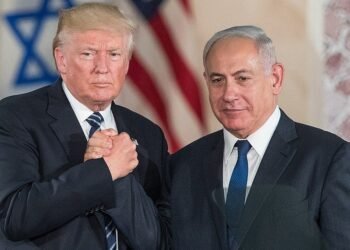
The current crisis also unfolds against the backdrop of Israel’s regional security concerns. Prime Minister Benjamin Netanyahu has long argued that Iran represents the most serious threat to Israeli national security. Israeli leaders view Tehran’s nuclear ambitions and regional influence as existential dangers.
For Netanyahu, weakening Iran’s military capabilities remains a central strategic objective. The Israeli government has consistently advocated stronger action against Iranian infrastructure and leadership networks. Now, with American support aligned closely with Israeli priorities, the strategic balance has shifted dramatically.
Malley notes that previous American administrations often maintained a careful distance from Israeli military initiatives. That separation helped avoid perceptions of a coordinated campaign against the broader Arab world. In contrast, the current approach appears far more openly collaborative.
This new alignment changes calculations across the Middle East. Gulf states including Gulf Cooperation Council members now face difficult choices as tensions escalate. While many governments distrust Iranian ambitions, they also worry about becoming direct targets during a regional confrontation.
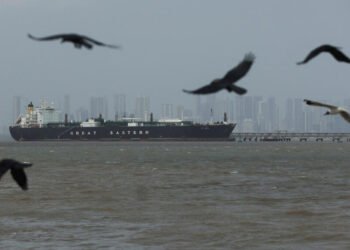
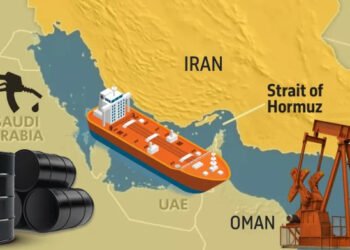
Recent attacks on commercial shipping routes and infrastructure highlight those fears. Several Gulf capitals have strengthened security after missile and drone incidents disrupted transportation networks. The Iran conflict has therefore begun to affect international trade corridors and energy supplies.
Oil markets reacted quickly to the growing instability. Energy analysts warn that prolonged conflict could significantly disrupt exports from the Gulf region, which supplies a substantial portion of global oil demand. Rising prices already reflect investor concerns about potential supply interruptions.
Diplomatic experts suggest that Gulf governments feel trapped between competing risks. On one hand, they rely on American security partnerships developed over decades. On the other hand, escalating confrontation threatens their domestic stability and economic prosperity.
Malley believes most regional leaders still hope the crisis ends quickly. Despite frustration with Iran’s actions, they remain wary of prolonged warfare that could destabilise their economies. The longer the Iran conflict continues, the greater the potential for unintended escalation.
Another major concern involves Iran’s stockpile of enriched uranium. Analysts estimate the country possesses more than 400 kilograms of material enriched beyond civilian energy requirements. Securing or neutralising that stockpile presents enormous logistical challenges.
Iran is geographically vast, roughly seven times the size of the United Kingdom. Experts believe the enriched uranium may be dispersed across multiple secret facilities to prevent capture or destruction. Without ground operations, locating and securing the material could prove extremely difficult.
Even if infrastructure is damaged, the technical knowledge behind nuclear development remains intact. Scientists and engineers cannot simply be erased through military strikes. As a result, experts argue that destroying facilities may only delay rather than eliminate nuclear capabilities.
Malley notes that before earlier military strikes, some specialists believed Iran might achieve nuclear weapon capability within six to nine months. After the attacks, many experts still estimate a similar timeline if the programme were revived secretly. That reality complicates claims of decisive victory.
For American policymakers, the central question now involves defining a clear endgame. Without a specific objective, military campaigns risk evolving into prolonged conflicts without decisive outcomes. Historical parallels with earlier Middle Eastern wars illustrate those dangers.

Nevertheless, Malley believes unpredictability may also create an unexpected opportunity. Because Trump often shifts positions rapidly, he could potentially declare success and halt escalation suddenly. Such a decision might provide the diplomatic off-ramp many observers hope for.
If that happens, negotiations could re-emerge as the only sustainable solution. Diplomacy remains the most realistic path toward managing nuclear risks while stabilising regional relations. Whether political conditions allow that outcome remains uncertain.
Beyond immediate geopolitics, analysts warn about long-term consequences of the violence. Conflicts in Gaza, Lebanon, Iraq, and now Iran have created deep reservoirs of anger across the region. The emotional impact of these events may influence generations.
Malley argues that cycles of retaliation rarely disappear quickly. Even when wars end formally, resentment and distrust linger within societies affected by destruction and loss. The Iran conflict may therefore reshape Middle Eastern politics for decades.
Ultimately, the world now watches closely as events unfold. Diplomacy, military strategy, and political ambition intersect in unpredictable ways. Whether escalation continues or a diplomatic exit emerges could determine the region’s stability for years ahead.
Related News:
 Middle East Flights Halted After Iran Strikes
 US Iran Operation: Sixth Service Member Killed
 Hezbollah Anger Erupts as War Returns to Beirut
 Gaza Siege Deepens as Iran War Escalates
 Riyadh Drone Attack Escalates Regional War
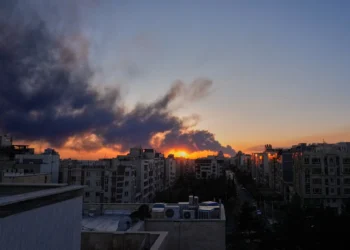 Middle East attacks intensify as Trump rejects Iran talks
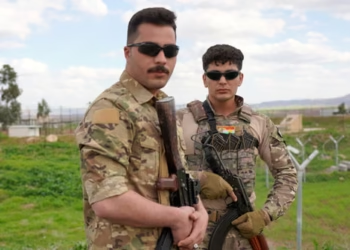 Iran-Iraq border airstrikes spark new tensions
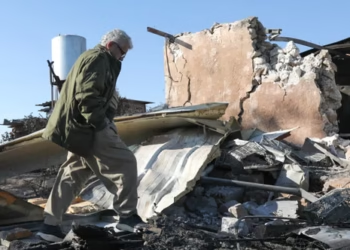 Iran-Iraq Border Strikes Spark New Front Fears
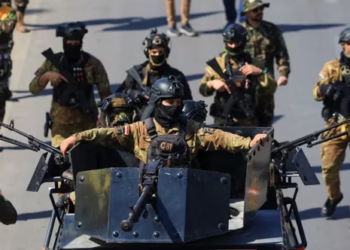 Iran-Backed Militias Escalate Attacks Across Middle East
 UK Prepares Aircraft Carrier for Middle East Crisis
 Mojtaba Khamenei Chosen as Iran’s New Supreme Leader
 Tehran Oil Depot Strikes Darken City With Toxic Smoke
 Seventh US Service Member Killed in Iran Conflict Identified
 Mojtaba Khamenei Supporters Rally as Iranians Fear Repression
 Tehran Strikes Mark War’s Most Devastating Night
 Iran Defiance Grows Amid US-Israel War Pressure
 Hormuz Crisis Sparks Global Oil Market Fears
 Iranian Exile Factions Seek US Backing for Iran’s Future
 US-Israeli Strategy Shifts to Plan B in Iran War
 Injured Mojtaba Khamenei Elevated as Iran Leader
 US Missile Strike on Iran School Sparks Global Shock
 Iran Gulf attacks escalate as ships and airports targeted
 Ancient Heritage Sites Damaged in Recent Airstrikes
 Tehran Diary: Dark Days Under Relentless Bombardment
 British Tourist Charged Over Dubai Missile Strike Video
 Gaza Detainee Abuse: Israel Drops Charges Against Soldiers
 Trump Iran War Stance Hardens as Conflict Widens
 Lebanon Ground Campaign Raises Occupation Fears
 Gulf Tensions Rise as Iran Alleges Covert Support
 Kabul hospital strike sparks deadly blame row
 Iran Threatens Total Destruction of Mideast Energy Grid
 Ghalibaf Iran: Survivor Emerges in Shifting Power Game
 Gulf Distrust Grows Over Rumoured US-Iran Peace Talks
 WHO Warns of Health Crisis Unfolding in Middle East
 Saudi Arabia Urging US to Keep Up Iran Attacks
 Iranian President’s Son Shares Wartime Hopes and Fears
 Iran Warns of US Ground Assault Amid Rising War Tension
 MAGA Anxiety and the Iran War: A Movement Divided at CPAC
 Trump Threatens Iran With Total Infrastructure Destruction
 Iran Drone Strike Hits Kuwaiti Oil Tanker in Dubai Port
 Albanese to Address Nation as War Sparks Economic Crisis
 Death, displacement and military duties: children plunged into crisis
 Trump’s Six-Week Iranian War: The High Cost of Ignorance
 Beirut Under Fire: Massive Israeli Strikes Shaking Lebanon
 Middle East Analysis: The Cost of a Fragile Peace
 Lebanon Must Join Ceasefire to Prevent Escalation, Says Cooper
 Israel Launches Massive Airstrikes Across Lebanon
 Netanyahu Vows Continued Lebanon Strikes Amid Peace Talks
 Iran Crisis Tests Trump’s Global Leadership
 US and Iran Pursue Extension of Ceasefire via Pakistan
 Uncertain Peace: Tehran Residents Face a Ruined Capital
 Aid Crisis Grows as Hormuz War Disrupts Supply
 Trump likens US Navy actions to ‘pirates’
 Global order shifts amid Trump-era turmoil
 Middle East Crisis Escalates as Oil Routes Shake Markets
 Tensions Emerge in Netanyahu-Trump Alliance
 Trump Rejects Tehran Peace Plan as Regional Truce Crumbles
 Netanyahu Calls Early Election Amid Coalition Turmoil
 Tensions Flare as Israeli Nationalists March in Jerusalem
 Gulf Crisis Deepens After Drone Attack Near Nuclear Facility
 Global Flotilla Intercepted in International Waters
 Israeli Strikes in Lebanon Kill 10 Amid Ceasefire Strain
 Hunger increasingly weaponised in global conflicts
 Former ICC prosecutor condemns US sanctions
 Trump Claims Iran Peace Deal Near Completion
 US Strikes Iranian Sites Amid Shaky Ceasefire Talks
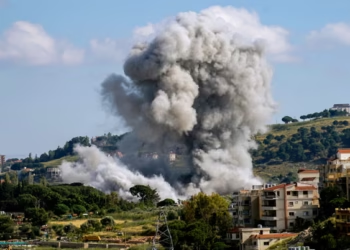 Israel Intensifies Lebanon Strikes to Crush Hezbollah
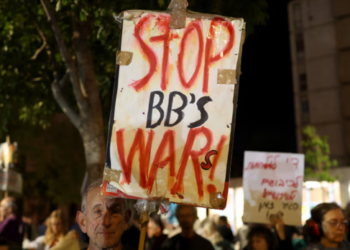 Trump’s Iran Deal Plan Sparks Intense Alarm Across Israel
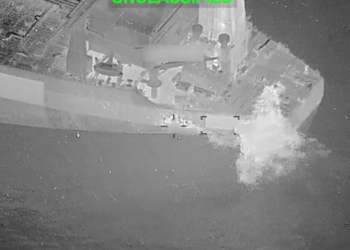 US and Iran Trade Fresh Strikes, Threatening Ceasefire
 Trump Confronts Netanyahu in Explosive Beirut Phone Call
 Iran To Propose New Shipping Fees In Strait Of Hormuz
 Grief and Devotion Amidst the Rubble of Nabatieh
 High Drama in Tehran Over Secret Nuclear Letters
 Houthis Strike Saudi Arabia as Middle East Tensions Rise
 ‘Extinct’ Antelope Returns to Sahara, Bringing Hope
 Irish Beach Tragedy: Irish Drown at Whitehaven Beach in Australia
 UK and US Drop in Global Corruption Index Rankings
 Canberra Poster Seizure Sparks Free Speech Row
 Jacinda Ardern Move Sparks Kiwi Reflection
 Yemen Accuses Iran of Violating National Sovereignty