Published: 03 June 2026. The English Chronicle Desk. The English Chronicle Online.
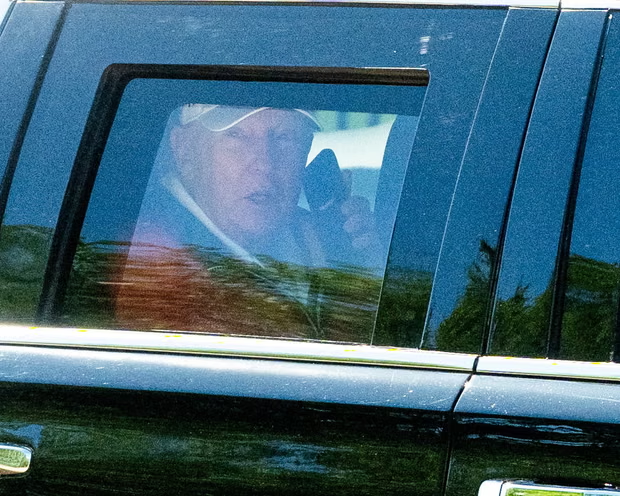
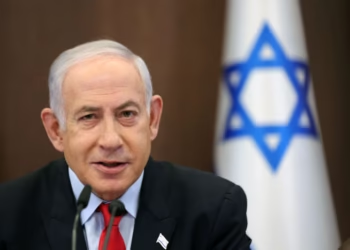
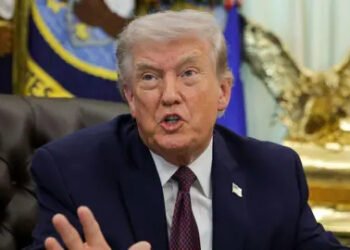
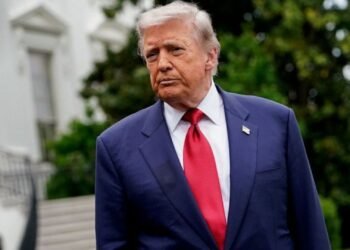
A major diplomatic storm has erupted between Washington and Jerusalem following reports of a fierce phone conversation. Donald Trump reportedly directed profanity-laden anger toward Benjamin Netanyahu over proposed military actions in Lebanon. The explosive interaction apparently occurred on Monday as tensions escalated rapidly across the entire Middle East. Sources indicate the American president strongly opposed plans to resume heavy bombing in Beirut.
The initial account of this tense discussion emerged from Axios, a reputable American news website. This publication has a consistent history of revealing private conversations between these two global leaders. According to their detailed report, Trump used exceptionally harsh language to express his deep frustration. He reportedly questioned Netanyahu’s judgment regarding the strategic direction of the ongoing military campaign. The summary provided by an official suggested Trump felt personally responsible for Netanyahu’s political survival.
According to the leaked transcript, Trump reminded the prime minister of previous American diplomatic support. He allegedly claimed that his administration had shielded Netanyahu from severe domestic legal consequences. The president also warned that global public opinion was turning sharply against the Israeli government. These reported remarks represent one of the most severe private rifts between the allies. The language used reflects a profound frustration with the current direction of regional security.
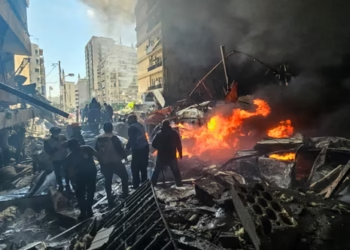
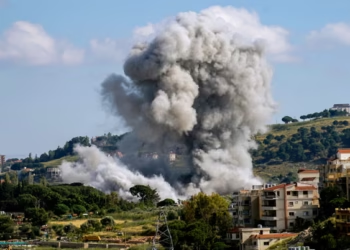
This urgent communication followed orders to restart airstrikes on the southern Dahiya district of Beirut. The Israeli military intended to target senior leadership within the powerful Iranian-backed Hezbollah militia. This group has continuously launched sophisticated drone strikes deep into northern Israeli territory recent weeks. In preparation for the strikes, the Israel Defense Forces ordered immediate civilian evacuations. This directive caused thousands of Lebanese citizens to flee their homes in immense panic.
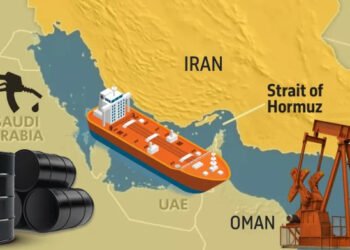
The military escalation quickly triggered a significant diplomatic counter-reaction from leadership located in Tehran. Iranian officials announced the immediate suspension of critical peace talks with the United States government. They insisted that any durable ceasefire agreement must explicitly include protections for southern Lebanon. Tehran is currently attempting to negotiate the removal of a strict American economic blockade. They also seek to reopen the vital Strait of Hormuz for international shipping.
This sudden suspension directly threatens a preliminary deal that Trump had just recently celebrated publicly. The American president had indicated he was actively considering signing this major international accord. The timing of the phone call suggests Trump was highly motivated to save negotiations. A collapse of the peace talks would represent a significant blow to Washington’s regional strategy. Therefore, the threat of renewed bombing in Beirut directly endangered American diplomatic priorities.
However, the dramatic narrative of the phone call has been strongly contested within Israel. Channel 12, a major independent television network, offered a vastly different interpretation of events. Their chief political analyst, Amit Segal, dismissed claims of a personal attack on Netanyahu. He reported that the two leaders actually reached a cooperative and structured understanding. According to his sources, Israel would refrain from bombing Beirut if Hezbollah stopped attacks.
This conflicting information highlights the complex nature of reporting on high-level international diplomacy today. Various factions within both governments often leak specific narratives to advance their unique agendas. The true nature of the conversation likely contains elements from both published accounts. Regardless of the exact words, the incident underscores the immense pressure facing both leaders. Their relationship has historically fluctuated between intense cooperation and bitter personal resentment.
The historical bond between these two political figures has frequently experienced periods of severe strain. Despite personal grievances, Israel remains the primary strategic partner for the United States today. Earlier this year, the two nations coordinated major joint military strikes against targets in Iran. Those operations were executed at the urgent request of Netanyahu to deter further aggression. Yet, Trump has repeatedly expressed private doubts about the broader strategy being utilized.
During a intense twelve-day conflict last year, Trump openly criticized both Iran and Israel. He grumbled publicly that neither nation truly understood the long-term consequences of their actions. That specific confrontation involved heavy reliance on air power, advanced missiles, and destructive drones. Furthermore, Trump previously expressed deep anger when Netanyahu acknowledged Joe Biden’s election victory. That moment created a lingering sense of betrayal that still influences their current interactions.
Currently, the American president is facing competing demands from various factions of his party. Powerful pro-Israel lawmakers are urging Washington to take even stronger action against Iranian targets. Conversely, moderate Republicans want a swift conclusion to hostilities to protect the domestic economy. The upcoming congressional midterm elections this November are heavily influencing these internal political calculations. Prolonged conflict and high energy prices could severely damage the party’s electoral prospects.
Prominent conservative commentators have already expressed deep concern over the timing of this leak. Mark Levin suggested that the Iranian regime would actively exploit signs of American division. He argued that appearing to defend Hezbollah makes the United States look weak. From his perspective, such public disagreements damage the credibility of Western deterrence efforts. This domestic criticism adds another layer of difficulty for Trump as he navigates diplomacy.
Simultaneously, Netanyahu is confronting a perilous political situation within his own domestic parliament. The Knesset recently supported a preliminary bill designed to dissolve the current governing coalition. If fully passed, this legislation would immediately trigger early national elections across the country. Furthermore, Netanyahu’s long-delayed corruption trial is expected to resume in the near future. The proceedings had been paused due to the urgent nature of national security.
The intersection of these domestic pressures ensures that every diplomatic move carries immense risk. Both leaders are operating with limited political maneuvers as the region remains highly volatile. The situation in Beirut will likely dictate the immediate future of the peace talks. Meanwhile, international observers are watching closely to see if the alliance can withstand strain. The coming days will reveal whether diplomacy can prevail over continued military action.
Related News:
 Middle East Flights Halted After Iran Strikes
 US Iran Operation: Sixth Service Member Killed
 Hezbollah Anger Erupts as War Returns to Beirut
 Gaza Siege Deepens as Iran War Escalates
 Riyadh Drone Attack Escalates Regional War
 Middle East attacks intensify as Trump rejects Iran talks
 Iran-Iraq border airstrikes spark new tensions
 Iran-Iraq Border Strikes Spark New Front Fears
 Iran-Backed Militias Escalate Attacks Across Middle East
 UK Prepares Aircraft Carrier for Middle East Crisis
 Mojtaba Khamenei Chosen as Iran’s New Supreme Leader
 Tehran Oil Depot Strikes Darken City With Toxic Smoke
 Seventh US Service Member Killed in Iran Conflict Identified
 Mojtaba Khamenei Supporters Rally as Iranians Fear Repression
 Tehran Strikes Mark War’s Most Devastating Night
 Iran Defiance Grows Amid US-Israel War Pressure
 Hormuz Crisis Sparks Global Oil Market Fears
 Iranian Exile Factions Seek US Backing for Iran’s Future
 US-Israeli Strategy Shifts to Plan B in Iran War
 Injured Mojtaba Khamenei Elevated as Iran Leader
 US Missile Strike on Iran School Sparks Global Shock
 Iran Gulf attacks escalate as ships and airports targeted
 Iran Conflict: Trump’s Uncertain Path and Diplomatic Off-Ramp
 Ancient Heritage Sites Damaged in Recent Airstrikes
 Tehran Diary: Dark Days Under Relentless Bombardment
 British Tourist Charged Over Dubai Missile Strike Video
 Gaza Detainee Abuse: Israel Drops Charges Against Soldiers
 Trump Iran War Stance Hardens as Conflict Widens
 Lebanon Ground Campaign Raises Occupation Fears
 Gulf Tensions Rise as Iran Alleges Covert Support
 Kabul hospital strike sparks deadly blame row
 Iran Threatens Total Destruction of Mideast Energy Grid
 Ghalibaf Iran: Survivor Emerges in Shifting Power Game
 Gulf Distrust Grows Over Rumoured US-Iran Peace Talks
 WHO Warns of Health Crisis Unfolding in Middle East
 Saudi Arabia Urging US to Keep Up Iran Attacks
 Iranian President’s Son Shares Wartime Hopes and Fears
 Iran Warns of US Ground Assault Amid Rising War Tension
 MAGA Anxiety and the Iran War: A Movement Divided at CPAC
 Trump Threatens Iran With Total Infrastructure Destruction
 Iran Drone Strike Hits Kuwaiti Oil Tanker in Dubai Port
 Albanese to Address Nation as War Sparks Economic Crisis
 Death, displacement and military duties: children plunged into crisis
 Trump’s Six-Week Iranian War: The High Cost of Ignorance
 Beirut Under Fire: Massive Israeli Strikes Shaking Lebanon
 Middle East Analysis: The Cost of a Fragile Peace
 Lebanon Must Join Ceasefire to Prevent Escalation, Says Cooper
 Israel Launches Massive Airstrikes Across Lebanon
 Netanyahu Vows Continued Lebanon Strikes Amid Peace Talks
 Iran Crisis Tests Trump’s Global Leadership
 US and Iran Pursue Extension of Ceasefire via Pakistan
 Uncertain Peace: Tehran Residents Face a Ruined Capital
 Aid Crisis Grows as Hormuz War Disrupts Supply
 Trump likens US Navy actions to ‘pirates’
 Global order shifts amid Trump-era turmoil
 Middle East Crisis Escalates as Oil Routes Shake Markets
 Tensions Emerge in Netanyahu-Trump Alliance
 Trump Rejects Tehran Peace Plan as Regional Truce Crumbles
 Netanyahu Calls Early Election Amid Coalition Turmoil
 Tensions Flare as Israeli Nationalists March in Jerusalem
 Gulf Crisis Deepens After Drone Attack Near Nuclear Facility
 Global Flotilla Intercepted in International Waters
 Israeli Strikes in Lebanon Kill 10 Amid Ceasefire Strain
 Hunger increasingly weaponised in global conflicts
 Former ICC prosecutor condemns US sanctions
 Trump Claims Iran Peace Deal Near Completion
 US Strikes Iranian Sites Amid Shaky Ceasefire Talks
 Israel Intensifies Lebanon Strikes to Crush Hezbollah
 Trump’s Iran Deal Plan Sparks Intense Alarm Across Israel
 US and Iran Trade Fresh Strikes, Threatening Ceasefire
 Iran To Propose New Shipping Fees In Strait Of Hormuz
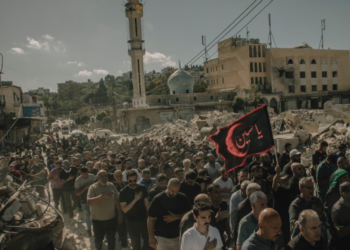 Grief and Devotion Amidst the Rubble of Nabatieh
 High Drama in Tehran Over Secret Nuclear Letters
 Houthis Strike Saudi Arabia as Middle East Tensions Rise
 BBC to Apologise Over Edited Trump Speech Amid Backlash
 Greene Pushes Epstein Files Amid Trump Fallout
 Zelenskyy Signs Fighter Jet Deal Amid Russian Drone Attacks
 Shadow Fleet at Sea: Europe’s Battle Against Illicit Oil Shipping
 US Suspends Afghan Immigration After White House Shooting
 RFU Backs Borthwick Despite England’s Poor Six Nations