Published: 11 May 2026. The English Chronicle Desk. The English Chronicle Online.
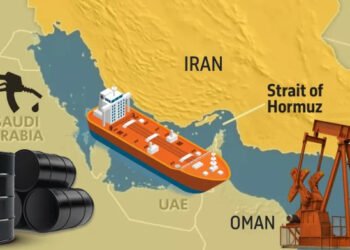
The global community watched with mounting anxiety as Donald Trump officially rejected Iran’s latest diplomatic offering. He described the counter-proposal as totally unacceptable while the month-old ceasefire showed visible signs of fraying. This significant diplomatic setback comes as drone strikes were reported across the strategic Persian Gulf. Israeli Prime Minister Benjamin Netanyahu added to the tension by warning that the war remains unfinished. He insisted that the conflict will persist until Iran’s nuclear stockpile is completely removed or destroyed. The Iranian proposal arrived in Washington through Pakistani mediators who have worked to bridge the gap. It reportedly demanded an immediate lifting of all United States sanctions to begin the process. The text also required an end to the naval blockade of the vital Strait of Hormuz. Iran sought firm guarantees that no future attacks would be launched against its sovereign territory.
Washington had previously presented a concise fourteen-point memorandum aimed at ending the current maritime standoff. That American plan sought to reopen the strait while establishing a framework for nuclear talks. It included a demanding twenty-year moratorium on all Iranian nuclear enrichment activities within the country. The United States also demanded the transfer of highly enriched uranium to an overseas location. This material is critical because it could be used to manufacture potent nuclear warheads. American officials have consistently pushed for the total dismantling of several Iranian nuclear facilities. However, the Iranian response suggested a much shorter moratorium than the twenty years requested. They offered to export only part of their stockpile while diluting the remaining sensitive material. Tehran remains firm in its refusal to dismantle the infrastructure built over many decades.
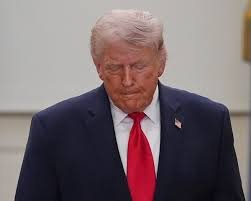
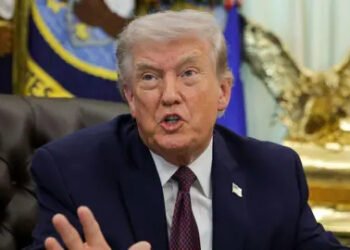
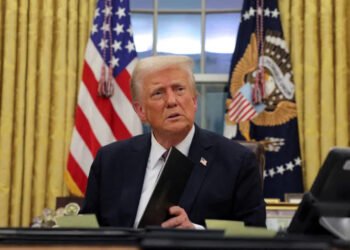
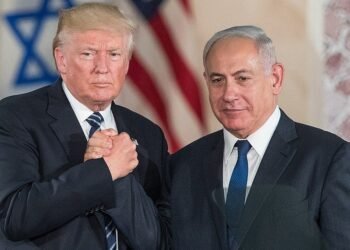
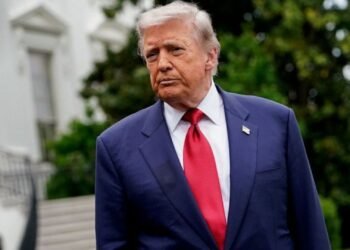
Donald Trump used his social media platform to voice his immediate and characteristic displeasure. He claimed that Iran’s representatives were simply playing games as they had for years. The President stated that the world would no longer laugh at American diplomatic efforts. He expressed these views shortly before a scheduled high-level conversation with the Israeli Prime Minister. Netanyahu has maintained a hardline stance regarding the presence of highly enriched uranium in Iran. He told television reporters that the war cannot end while this material exists underground. The Israeli leader suggested that a physical entry into Iran might be necessary eventually. He believes that securing the fissile material is the only way to ensure global safety. Trump appeared to take a slightly more relaxed view during a separate weekend interview. He suggested that advanced satellite surveillance from the Space Force provides sufficient current protection.

The President noted that his administration is watching every movement near the sensitive nuclear sites. He warned that any unauthorized access would result in an immediate and devastating military strike. Despite this, Trump hinted that the United States could resume its full-scale bombing campaign. He claimed that seventy percent of desired targets have already been successfully hit recently. The remaining targets could be addressed in a final two-week push if negotiations fail. There is significant pressure on Trump to secure a deal before his China visit. Beijing is reportedly pushing for an end to hostilities to stabilize global energy markets. The global economy has suffered as oil prices fluctuate due to the naval blockade. Two critical issues remain at the heart of this dangerous and complex international standoff. These are the disposal of weapons-grade uranium and the future of enrichment activities.
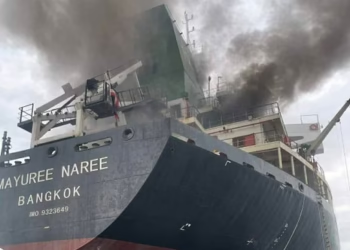
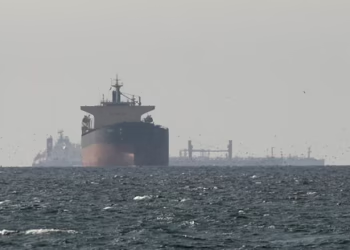
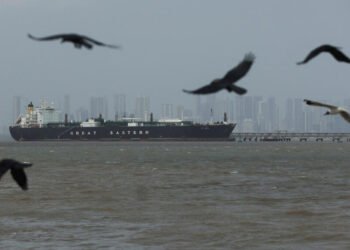
Iranian military officials have declared that their forces are at full readiness for any attack. Brigadier General Akrami Nia stated that they expect possible infiltration or heliborne seizure operations. He emphasized that the nation’s stockpile is being protected with the highest level of security. Meanwhile, Vladimir Putin has reminded both parties that Russia is willing to accept the uranium. This Russian proposal remains on the table as a potential compromise to break the deadlock. The current diplomatic exchange follows a series of proposals that have failed to find ground. Both nations have enforced parallel blockades that have stifled trade and increased costs for everyone. The ceasefire brokered by Pakistan on April eighth is now facing its most difficult test. Reports of drone incursions in the United Arab Emirates and Kuwait sparked fresh alarms. A drone attack also caused a fire on a commercial vessel near the coast.
The United Arab Emirates confirmed that its defense forces shot down several hostile Iranian drones. Qatar denounced the recent strike in its territorial waters as a very serious escalation. Prime Minister Sheikh Mohammed bin Abdulrahman Al Thani urged both sides to respect maritime freedom. He warned that using the strait as a pressure point would only deepen the crisis. Kuwaiti officials also reported dealing with drones that entered their airspace early on Sunday. They did not officially attribute the drones to a specific country during their briefing. Simultaneously, Iran’s deputy foreign minister warned Europe against a planned maritime security mission there. President Emmanuel Macron clarified that the mission is intended to secure shipping, not fight. The United Kingdom and France will host a major meeting of defense ministers tomorrow. John Healey and Catherine Vautrin will lead talks with over forty different partner nations.

Iran has warned London and Paris that sending warships will be seen as provocation. Tensions have remained high as both sides try to assert control over the waterway. Trump’s earlier attempt to create a safe shipping route lasted only thirty-six hours. That operation, known as Project Freedom, failed after Iran attacked several naval and commercial vessels. Saudi Arabia notably refused to allow the use of its bases for that mission. Tehran now insists that all ships pay a two-million-pound toll to pass the strait. Some vessels have complied while the United States military continues to blockade Iranian ports. The Pentagon claims to have disabled several vessels attempting to bypass their strict maritime rules. Trump has also included Lebanon in the current ceasefire despite continued strikes from Israel. The Israeli military has reduced the intensity of its campaign but maintains active operations.
Lebanese health officials reported dozens of casualties following recent Israeli strikes in the south. Paramedics were among those wounded while attempting to assist civilians in the conflict zone. Israel claimed it was necessary to intercept drones launched by Hezbollah toward its ground troops. This multifaceted conflict continues to evolve as diplomacy struggles against the reality of combat. The rejection of the Iranian plan suggests a long road ahead for peace negotiators. Markets are reacting nervously to the news of the fraying truce and renewed threats. Trump’s upcoming trip to China will likely be dominated by these urgent security concerns. Every nation involved is aware of the high stakes regarding the world’s oil supply. The next few days will determine if the ceasefire can be saved or lost. Professional observers remain skeptical that a breakthrough will occur without significant concessions from Tehran. Responsibility for the next move now rests with the leaders in Washington and Iran.
Related News:
 Middle East Flights Halted After Iran Strikes
 US Iran Operation: Sixth Service Member Killed
 Hezbollah Anger Erupts as War Returns to Beirut
 Gaza Siege Deepens as Iran War Escalates
 Riyadh Drone Attack Escalates Regional War
 Middle East attacks intensify as Trump rejects Iran talks
 Iran-Iraq border airstrikes spark new tensions
 Iran-Iraq Border Strikes Spark New Front Fears
 Iran-Backed Militias Escalate Attacks Across Middle East
 UK Prepares Aircraft Carrier for Middle East Crisis
 Mojtaba Khamenei Chosen as Iran’s New Supreme Leader
 Tehran Oil Depot Strikes Darken City With Toxic Smoke
 Seventh US Service Member Killed in Iran Conflict Identified
 Mojtaba Khamenei Supporters Rally as Iranians Fear Repression
 Tehran Strikes Mark War’s Most Devastating Night
 Iran Defiance Grows Amid US-Israel War Pressure
 Hormuz Crisis Sparks Global Oil Market Fears
 Iranian Exile Factions Seek US Backing for Iran’s Future
 US-Israeli Strategy Shifts to Plan B in Iran War
 Injured Mojtaba Khamenei Elevated as Iran Leader
 US Missile Strike on Iran School Sparks Global Shock
 Iran Gulf attacks escalate as ships and airports targeted
 Iran Conflict: Trump’s Uncertain Path and Diplomatic Off-Ramp
 Ancient Heritage Sites Damaged in Recent Airstrikes
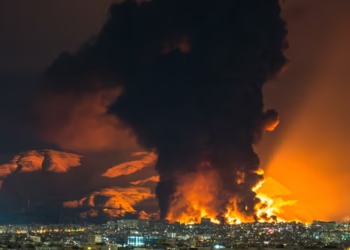 Tehran Diary: Dark Days Under Relentless Bombardment
 British Tourist Charged Over Dubai Missile Strike Video
 Gaza Detainee Abuse: Israel Drops Charges Against Soldiers
 Trump Iran War Stance Hardens as Conflict Widens
 Lebanon Ground Campaign Raises Occupation Fears
 Gulf Tensions Rise as Iran Alleges Covert Support
 Kabul hospital strike sparks deadly blame row
 Iran Threatens Total Destruction of Mideast Energy Grid
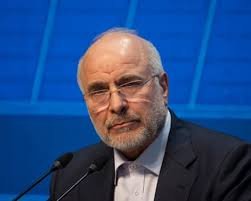 Ghalibaf Iran: Survivor Emerges in Shifting Power Game
 Gulf Distrust Grows Over Rumoured US-Iran Peace Talks
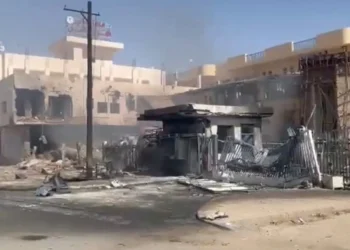 WHO Warns of Health Crisis Unfolding in Middle East
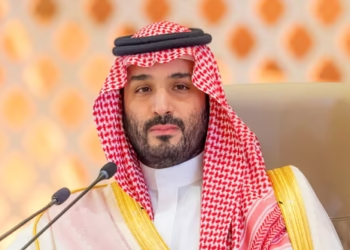 Saudi Arabia Urging US to Keep Up Iran Attacks
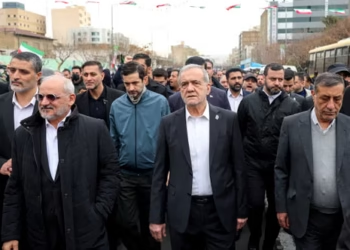 Iranian President’s Son Shares Wartime Hopes and Fears
 Iran Warns of US Ground Assault Amid Rising War Tension
 MAGA Anxiety and the Iran War: A Movement Divided at CPAC
 Trump Threatens Iran With Total Infrastructure Destruction
 Iran Drone Strike Hits Kuwaiti Oil Tanker in Dubai Port
 Albanese to Address Nation as War Sparks Economic Crisis
 Death, displacement and military duties: children plunged into crisis
 Trump’s Six-Week Iranian War: The High Cost of Ignorance
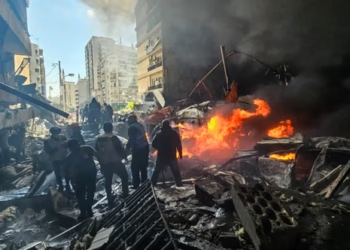 Beirut Under Fire: Massive Israeli Strikes Shaking Lebanon
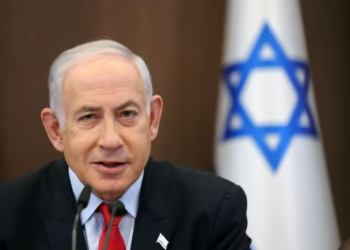 Middle East Analysis: The Cost of a Fragile Peace
 Lebanon Must Join Ceasefire to Prevent Escalation, Says Cooper
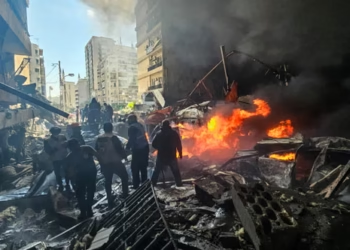 Israel Launches Massive Airstrikes Across Lebanon
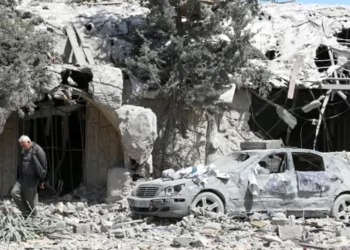 Netanyahu Vows Continued Lebanon Strikes Amid Peace Talks
 Iran Crisis Tests Trump’s Global Leadership
 US and Iran Pursue Extension of Ceasefire via Pakistan
 Uncertain Peace: Tehran Residents Face a Ruined Capital
 Aid Crisis Grows as Hormuz War Disrupts Supply
 Trump likens US Navy actions to ‘pirates’
 Global order shifts amid Trump-era turmoil
 Middle East Crisis Escalates as Oil Routes Shake Markets
 Tensions Emerge in Netanyahu-Trump Alliance
 Netanyahu Calls Early Election Amid Coalition Turmoil
 Tensions Flare as Israeli Nationalists March in Jerusalem
 Gulf Crisis Deepens After Drone Attack Near Nuclear Facility
 Global Flotilla Intercepted in International Waters
 Israeli Strikes in Lebanon Kill 10 Amid Ceasefire Strain
 Hunger increasingly weaponised in global conflicts
 Former ICC prosecutor condemns US sanctions
 Trump Claims Iran Peace Deal Near Completion
 US Strikes Iranian Sites Amid Shaky Ceasefire Talks
 Israel Intensifies Lebanon Strikes to Crush Hezbollah
 Trump’s Iran Deal Plan Sparks Intense Alarm Across Israel
 US and Iran Trade Fresh Strikes, Threatening Ceasefire
 Trump Confronts Netanyahu in Explosive Beirut Phone Call
 Iran To Propose New Shipping Fees In Strait Of Hormuz
 Grief and Devotion Amidst the Rubble of Nabatieh
 High Drama in Tehran Over Secret Nuclear Letters
 Houthis Strike Saudi Arabia as Middle East Tensions Rise
 ‘Extinct’ Antelope Returns to Sahara, Bringing Hope
 Irish Beach Tragedy: Irish Drown at Whitehaven Beach in Australia
 UK and US Drop in Global Corruption Index Rankings
 Canberra Poster Seizure Sparks Free Speech Row
 Jacinda Ardern Move Sparks Kiwi Reflection
 Yemen Accuses Iran of Violating National Sovereignty