Published: 11 May 2026. The English Chronicle Desk. The English Chronicle Online.
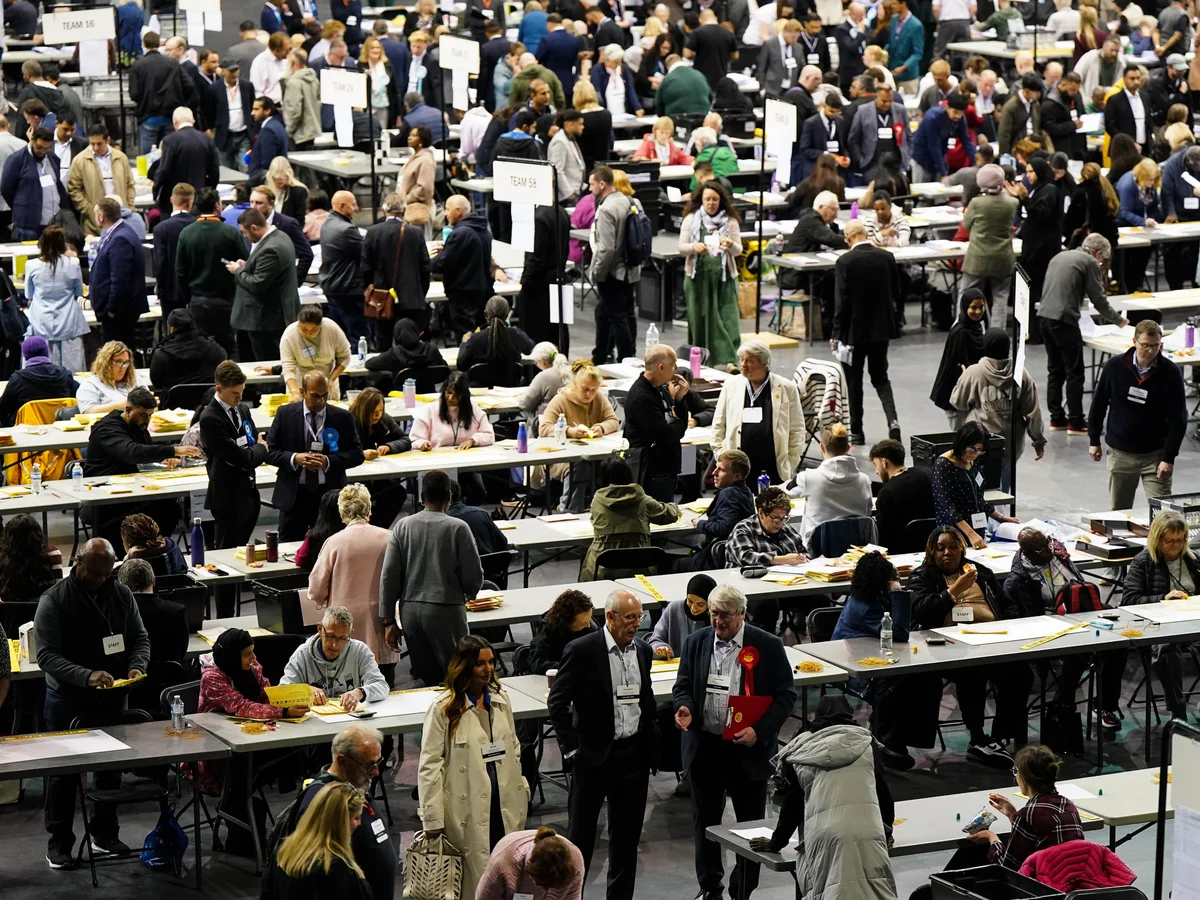
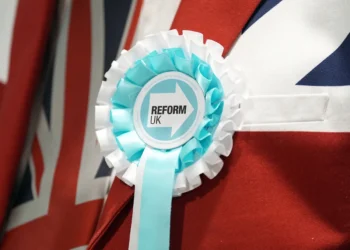
The political landscape of the United Kingdom shifted dramatically following the recent local and national elections. Conceding defeat at the Birmingham count on Friday, John Cotton made a very heartfelt plea. The outgoing Labour leader urged the next administration to champion the city’s celebrated cultural diversity. Labour’s long rule of fourteen years ended as Reform UK became the largest single party. They secured twenty-two councillors while the Green Party followed closely behind with nineteen seats locally. Neither party reached the fifty-one seats required to hold a full majority in the city. Across England, the Labour Party suffered significant losses, dropping more than one thousand four hundred councillors. They also lost their historical grip on power in Wales for the first time ever. Nigel Farage described these surprising results as a truly historic shift in modern British politics.
However, the success of Reform UK has caused deep trepidation among many minority communities nationwide. There are growing concerns that hostile rhetoric will now rise within the general public sphere. Mus, a member of Brummies United Against Racism, described the party’s success as really concerning. Her group formed after far-right activists distributed leaflets to homes across several Birmingham residential streets. She expressed disappointment that the city might no longer feel like a safe space for all. Many people in black, brown, and migrant communities fear what a Reform government could mean. Shaista Gohir of the Muslim Women’s Network said people are feeling very worried and anxious. She questioned how these results would impact personal safety and the quality of local services. There is a specific fear that anti-Muslim rhetoric will escalate significantly in the coming months.

These anxieties are not limited to Birmingham but are felt across the entire United Kingdom. In Sunderland, a newly elected Reform councillor was suspended only days after the recent election. Anti-racism group Hope Not Hate uncovered a deleted post containing deeply offensive and racist language. The post targeted Nigerian residents and suggested they should be melted down to fill potholes. Shaista Aziz, a community organiser in Oxford, said many families are bracing for more racism. Friends and family have expressed fears about whether they can still live safely in Britain. Many British Muslim communities feel intimidated by the electoral victories achieved by Reform UK candidates. They feel saddened that neighbours voted for a party that suggests deporting members of their community. Critics argue that the party often fails to call out councillors for using racist rhetoric.
In Scotland, the political shift was equally stark as Reform won seventeen seats in parliament. They took joint second place with Labour, trailing only behind the Scottish National Party’s current lead. Talat Yaqoob, an equalities campaigner in Edinburgh, said people are worried about their future safety. Marginalised communities fear how these wins will be interpreted by those who already target them. Yaqoob insisted that Reform MSPs must be held to the high standards of public office. This includes actively challenging disinformation and the use of divisive language by their party members. Pinar Aksu from Refugees for Justice in Glasgow said a new era of politics began. She believes that racism has now officially entered the halls of the Scottish parliament building. Aksu attended a unity march in Glasgow where hundreds of activists shared their shared anger.
The concerns regarding local politics also extend to several independent campaigners active within Birmingham city. Akhmed Yakoob, a criminal lawyer, formed an electoral pact with the Workers Party of Britain. They fielded seventy candidates across the city and attracted significant controversy during the long campaign trail. Sky News footage captured Yakoob making claims about Zionists controlling everything during a public event. He also faced criticism for describing a video of the Green Party leader as degeneracy. Yakoob has consistently denied all allegations of antisemitism regarding his comments and his campaign actions. David Barker, a Labour councillor, called this the worst campaign he had ever fought in. He noted that homophobia and transphobia seem more acceptable in public discourse than ever before. Barker believes these views do not represent the feelings of most people living in Birmingham.
At the election count, Richard Tice was asked about the fears felt by minority groups. The Reform MP interrupted several times and questioned why people would vote for them if fearful. He shifted the focus toward the Jewish community and the abuse they frequently receive from others. Tice challenged journalists to focus on antisemitism rather than focusing on one other particular community. This defensive stance has done little to calm the nerves of those who feel targeted. Mus stated that her campaign group will now accelerate their work in response to gains. She believes residents must work harder and double their efforts to ensure a safe future. Community activists remain determined not to allow political shifts to divide the diverse city of Birmingham. They are committed to protecting the multicultural fabric that defines their local and national identity.
Current Statistics and Social Demographics
The 2021 Census remains the most authoritative source for understanding the ethnic makeup of the UK. This data shows that approximately 81.7% of the population in England and Wales is white. This figure decreased from 86.0% in 2011, showing a clear trend toward a more diverse nation. The Asian community makes up the second-largest ethnic group at 9.3% of the total population. People identifying as Black, Black British, Caribbean, or African represent about 4.0% of the residents. Mixed ethnic groups account for 2.9%, while other ethnic groups make up the remaining 2.1%. In Birmingham specifically, the city has become one of the most diverse areas in the country. Approximately 51.4% of Birmingham’s population belongs to an ethnic minority group, making it a majority-minority city. These statistics highlight why the shift in political rhetoric is so impactful for local residents.

Reported hate crimes in England and Wales have shown various fluctuations over the past few years. According to Home Office figures, there were over 145,000 hate crimes recorded by the police recently. Religious hate crimes saw a notable increase, with nearly 40% of these incidents targeting Muslim individuals. Jewish communities also faced a significant rise in incidents, particularly following recent escalations in Middle Eastern conflicts. Antisemitic incidents reported to the Community Security Trust reached record highs of over 4,000 cases annually. These numbers reflect the lived reality of many people who now fear a further political shift. Proponents of Reform UK argue their platform focuses on national sovereignty and controlled migration levels. However, critics point to the correlation between populist surges and the rise in reported verbal abuse. The tension between these perspectives continues to define the current British political and social climate.
Categories of Political and Social Impact
The first category of impact involves the normalization of exclusionary rhetoric within mainstream legislative bodies. When parties using populist language gain seats, their specific vocabulary often enters the daily political discourse. This can lead to a shift in what is considered acceptable to say in public. Many activists fear that “dog-whistle” politics will become more frequent in local council meetings and parliaments. The second category focuses on the potential for reduced funding or support for multicultural integration programs. New administrations may prioritize different fiscal goals, potentially leaving community cohesion projects without necessary financial resources. This could lead to a breakdown in the grassroots work that prevents local radicalization and conflict. Finally, the third category involves the psychological impact on the mental health of minority residents. Living in a constant state of hyper-vigilance regarding personal safety can lead to long-term community trauma.

The road ahead for the UK appears to be one of significant negotiation and debate. As Reform UK members take their seats, the eyes of the nation will be on them. Community leaders are calling for transparency and a firm commitment to the safety of all citizens. The English Chronicle will continue to monitor these developments as new policies are proposed and debated. It is clear that the election results have opened a new chapter in the British story. Whether this chapter leads to greater division or a renewed commitment to unity remains to be seen. For now, the people of Birmingham and beyond are watching their new representatives very closely indeed. Safety, inclusion, and mutual respect remain the primary demands of those who feel most vulnerable today. The strength of British democracy will be tested by how it protects its most diverse populations.
Related News:
 Scottish Government Mandates Single-Sex Toilets and Changing Facilities in Schools
 Reeves Faces Setback as Labour May Miss Homes Target
 Kate Winslet to Narrate Film Highlighting King’s Environmental Mission
 Trump’s UK Ambassador Urges North Sea Drilling to Strengthen US Ties
 UK Bans Fake Numbers: Scammers Lose Their Trick
 Vibe coding’ named Collins dictionary’s word of the year
BBC to Apologise Over Edited Trump Speech Amid Backlash
Vibe coding’ named Collins dictionary’s word of the year
BBC to Apologise Over Edited Trump Speech Amid Backlash
 Millionaires group urge Reeves to introduce wealth tax to ‘lift kids out of poverty’
 Reeves rejects £1bn plea for NHS redundancy payouts
 PM Condemns Leaks, Vows Loyalty to Ministers and Stability
 Phillipson Accused of Appeasing Unions by Diluting EBacc
 Saka Solidifies Role as Tuchel’s Key England Lieutenant
 Greene Pushes Epstein Files Amid Trump Fallout
 Zelenskyy Signs Fighter Jet Deal Amid Russian Drone Attacks
 Sundar Pichai Cautions on AI Hype and Market Risks
 Shadow Fleet at Sea: Europe’s Battle Against Illicit Oil Shipping
 Snow and Ice Cause Travel Chaos in North Yorkshire
 Director Michael Caton-Jones Reflects on Career and Beginnings
 Inside the Helpline Protecting Missing Children in the UK
 PlayStation PS5 Deals Hit Lowest Prices Ahead of Black Friday
 US Suspends Afghan Immigration After White House Shooting
 Five-Year-Old Dies After Rare Tonsil Surgery Complication
 Starmer Says Labour’s Economic Plan Needs Years to Deliver
 ‘Extinct’ Antelope Returns to Sahara, Bringing Hope
 IndiGo Cancels Hundreds of Flights Amid Pilot Shortages
 Young Britons Face Heaviest Burden from Ageing Population, Lords Warn
 U‑Turn on Farmers’ Inheritance Tax Sparks Political Firestorm
 Aston Villa Remain Arsenal’s Key Obstacle in Title Pursuit
 Irish Beach Tragedy: Irish Drown at Whitehaven Beach in Australia
 The Kill Line: A Shifting Vision of the American Dream
 Inquiry into HMRC child benefit errors launched by NAO
 Family of Alleged Bondi Gunman Seeks Name Suppression
 Rising Costs Force Families to Rethink Days Out
 Air Canada CEO Faces Outcry Over Recent Language Misstep
 Extreme Weather: Europe Shivers as Cyclone Narelle Hits
 Scott Mills Sacked by BBC Over Personal Conduct Claims
 Palantir Boss Defends NHS Deal Amid Government Break Clause
 Asia Turns Back to Coal Amid Middle East Energy Crisis
 Relationship with Trump may be beyond repair, Starmer warned
 Trump’s Six-Week Iranian War: The High Cost of Ignorance
 US and Iran Agree to Two-Week Provisional Ceasefire
 Battle of Britain Tower to House Tourists and Bats
 The Challenger: Will Péter Magyar End the Orbán Era?
 UK Government Poised to Revive Stalled Hillsborough Law
 Democrats Move to Impeach Defense Secretary Pete Hegseth
 Security Alert Near Israeli Embassy as Police Investigate
 Ben Roberts-Smith Denies War Crime Allegations in First Statement
 Home Office Faces Legal Risks Over Asylum Hotel Living
 US-Iran Standoff: Will Trump Deploy Ground Troops?
 Crisis in NHS Surgery Scheduling Hits Patients Hard
 Investigation Into Anti-Trump Motives After Gala Shooting
 Dubai Assets Linked to Sudan’s RSF Militia Exposed
 Blue Badge Abuse: The Rising Tide of Public Hostility
 Tragedy Strikes at Parafield Airport
 Scott Parker Leaves Burnley After Premier League Drop
 Silent Tracks: Rail Line Without Passengers
 Arteta urges Arsenal to step up in Atlético semi-final
 RFU Backs Borthwick Despite England’s Poor Six Nations
 Major test for Labour as polls open in Great Britain
 High-Profile Murder Trial Begins for Ian Watkins Death
 Trump Rejects Tehran Peace Plan as Regional Truce Crumbles
 Reform UK Faces Crisis as Newly Elected Councillors Resign
 Starmer Strikes Back as 100 MPs Sign Support Pledge
 Scepticism and tight security as Beijing braces for Trump
 Tensions Flare as Israeli Nationalists March in Jerusalem
 UK Firms Freeze Spending as Iran Conflict Bites
 UK Job Market Squeezed as Iran War Drives Jobless Rate to 5%
 Reeves to Fast-Track Clean Energy Amid Iran Crisis
 The Battle for Wembley Sparking Unprecedented Legal Warfare
 Tony Abbott Returns as New Liberal Party President
 Pope Meets Families in Italy Toxic Waste Zone
 Royal Ascot Allegation Sparks Wider Police Inquiry
 Secret Role of UK Security Services in Troubles Amnesty Law
 Tube Strike Brings Capital to a Standstill Over Shift Disputes
 Teaching Machines Right From Wrong in the Digital Age
 Is Ollie Robinson the Chaos English Cricket Needs Today?
 The Hidden Crisis Eroding Trust in British Communities
 Saving the Scalloped Hammerhead: The Pacific Battle
 Stolen Mobiles Could Soon Become Useless Bricks
 Clean Air Initiatives Spark Major Fall in London Hospital Admissions