Published: 11 May 2026. The English Chronicle Desk. The English Chronicle Online
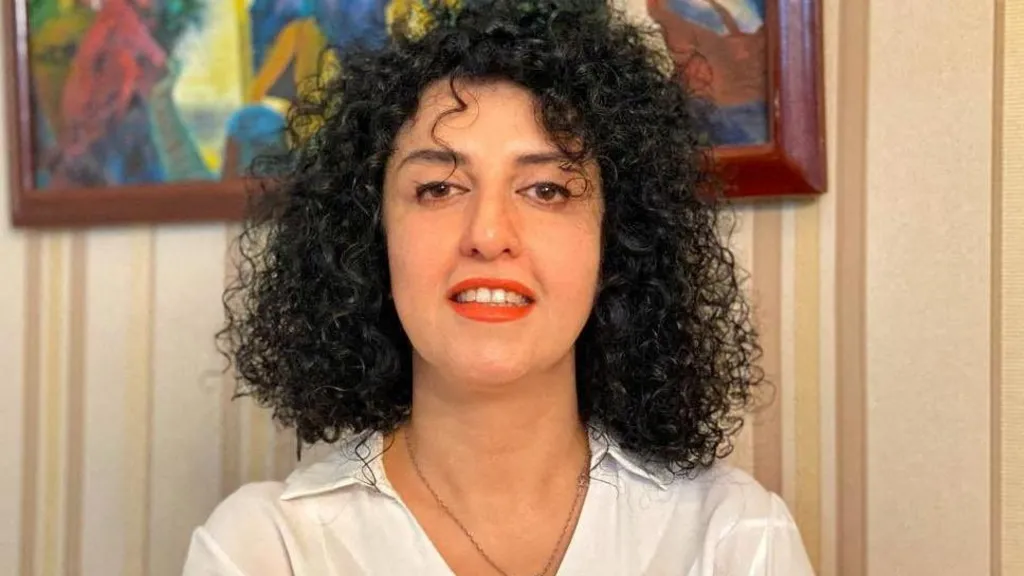
In a “clinical” and desperate race against time, the imprisoned Iranian Nobel Peace Prize laureate Narges Mohammadi was granted a temporary medical suspension of her sentence on Sunday, May 10. The 54-year-old activist, who has become a “sacred” symbol of the “Women, Life, Freedom” movement, was moved at a “160 MPH clip” by ambulance from Zanjan Prison to Pars Hospital in Tehran after suffering what her family describes as a “catastrophic health failure.”

The release on “heavy bail” follows weeks of “asymmetric” pressure from the international community and a “nasty” decline in her physical condition. Her foundation warns that after 140 days of “medical neglect,” this “milestone” transfer may have come “too late” to address the “critical needs” of the world-renowned campaigner.
The “clinical” urgency of the transfer highlights the “resilience deficit” of the Iranian prison system in managing high-profile political detainees.
The “Heart Attack” Alert: Mohammadi reportedly suffered two suspected heart attacks—one on March 24 and another on May 1—while in custody. Supporters noted she has lost a “nasty” 20kg (44 lbs) and currently finds it difficult even to speak.
Bypassing the “Intelligence” Bottleneck: Her brother, Hamidreza Mohammadi, noted that while medical examiners had previously recommended a transfer to Tehran, the move was “clinically” blocked by Iran’s intelligence agency until her condition became “unrecognizable.”
The “140-Day” Neglect: The Narges Foundation stated she had been “medically neglected” since her arrest in December 2025, describing her current state as a “milestone” failure of the state’s “sacred” duty of care.
While the bail is a “clinical” relief for her family, her husband, Taghi Rahmani, has warned that a temporary transfer is “not enough” to address the “accountability rot” of her 18-year remaining sentence.
The “Permanent Care” Mandate: “Narges must never be returned to the conditions that broke her health,” Rahmani shared from Paris. He characterized her treatment as a “slow execution” by a regime waiting for “the human body to fail.”
The “Andes” and “Conflict” Context: Her health has been further “asymmetrically” affected by the stress of the ongoing Iran-US-Israel conflict, with reports of at least three airstrikes occurring near her prison in Zanjan.
The “Nobel” Resolve: Awarded the prize in 2023 while incarcerated, Mohammadi has “clinically” continued her activism from behind bars, recently smuggling out a memoir titled A Woman Never Stops Fighting, due for a “milestone” release in September.
As the Southbank Centre celebrates 75 years and the RHS Wisley wisteria reaches its peak, the “clinical” focus on Mohammadi highlights a broader “resilience deficit” for female political prisoners in Iran.
The “Fatemeh Sepehri” Alarm: Rights groups have “recalibrated” their focus to other ailing activists, including Fatemeh Sepehri, whose condition is also said to be hitting a “nasty” crisis point.
Justice Has No Expiry Date: “Now is the time to demand her unconditional freedom,” the Narges Foundation declared, bypassing the “bottleneck” of temporary bail to call for the dismissal of all “asymmetric” charges.
The “160 MPH” Tech Struggle: Despite the state’s “Internet kill switch,” the news of her transfer has spread at a “160 MPH clip” across social media, fueling “speechless determination” among her supporters.

The release of Narges Mohammadi to a Tehran hospital is a “clinical” win for humanitarian pressure, but the “nasty” reality of her “critical condition” remains a “national security” priority.
“We have bypassed the ‘bottleneck’ of the prison walls, but her life still hangs in the balance,” a human rights advocate remarked. By acknowledging the “resilience deficit” caused by her 140 days of neglect, the international community is “clinically” betting that her “sacred” heart will continue to beat. For now, the “clinical silence” of Pars Hospital is the only “milestone” that matters in the “160 MPH” race to save a woman who has become the “golden tone” of Iranian resistance.
Related News:
 ‘I Would Scream in My Sleep’: Alawite Women from Syria Tell of Kidnap and Rape
 “I Haven’t Slept for Days”: Iranians Describe Mounting Desperation After a Month of War
 “I Haven’t Slept for Days”: Iranians Describe Mounting Desperation After a Month of War
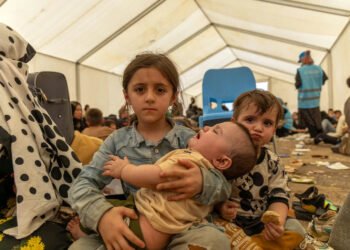 Death, displacement and military duties: children plunged into crisis
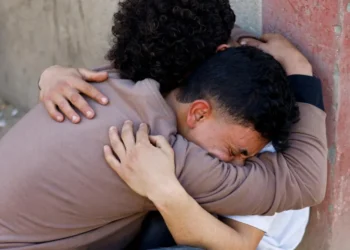 Ten Dead as Israeli Strikes and Internal Clashes Rock Gaza
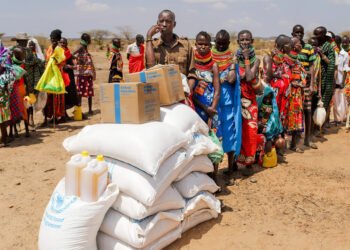 Aid Crisis Grows as Hormuz War Disrupts Supply
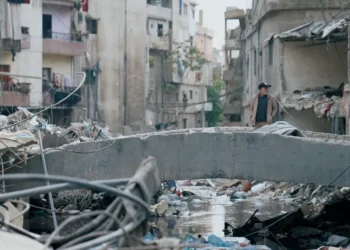 “A Ten-Minute Eternity”: The Morning Lebanon’s Horizon Turned to Ash
 “The Desecrated Grave”: West Bank Settlers Force Palestinian Family to Exhume Father’s Body
 “Double Trauma”: Iranian Activist Tells BBC How Fear of War Intensifies the ‘National Security’ Weight of Repression
 Sexually Explicit Letters Target Hong Kong Exiles in UK, Australia
 Britain Demands Israel Reverse Ban on Aid Groups
 Emails Show Epstein Funded Mandelson’s Husband After Jail
 Iran Says ‘Guiding Principles’ Agreed With US at Nuclear Talks
 US Urges Iran to Make Deal as Military Presence Rises
 ‘Anyone who runs is shot’: Russian soldiers describe killings of troops who refuse orders
 Middle East Flights Halted After Iran Strikes
 Iran’s Regime Still Intact — Coming Days Will Test Its Survival
 Allies of US in the Gulf Bear Brunt of Iran Attacks
 Hopes and Fears as US Iranians Take to Streets After Toppling of Supreme Leader
 Iran, the US, and a World Cup That Starts in Three Months
 In Maps: Strikes Across Iran and the Middle East
 Months of Planning Behind US‑Israeli Mission to Target Iran’s Supreme Leader
 Cooper: Joining US Strikes on Iran ‘Not in Britain’s Interest’
 US Iran Operation: Sixth Service Member Killed
 Hezbollah Anger Erupts as War Returns to Beirut
 Did Trump Declare War and Did Congress Approve Iran Attacks? What to Know
 The Third Day of the US‑Israeli War With Iran
 Limited Flights Leave UAE But Disruption Continues Amid Iran Strikes
 Why the US and Israel attacked Iran
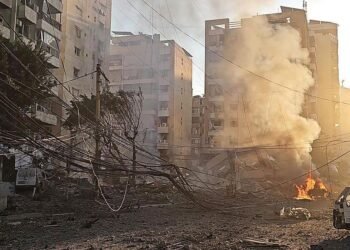 Israel Launches Fresh Strikes on Tehran & Beirut; US Warns “Hardest Hits” Ahead
 Three Days In, This War’s End Is Still Unclear
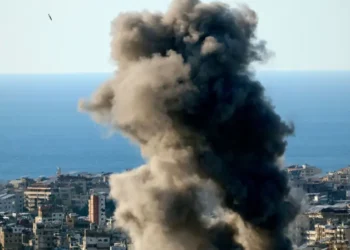 Israel Launches Fresh Strikes on Tehran and Beirut on Day Four
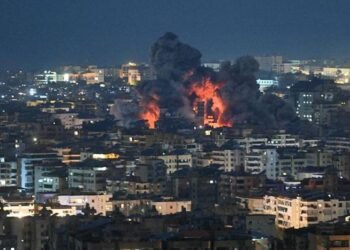 Israel’s New Airstrikes on Tehran & Beirut After US Embassy in Riyadh Is Hit
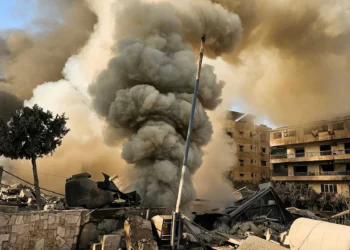 Israel Launches Ground Invasion of Lebanon Amid Widening Middle East War
 Trump Underestimated the Iranian Regime’s Will to Survive
 U.S. Tells Citizens to Leave Israel Now as Regional Conflict Escalates
 Civilian Deaths in Iran Pass 700 Amid Fear of Bombs and Regime Clampdown
 Middle East attacks intensify as Trump rejects Iran talks
 Iran-Iraq border airstrikes spark new tensions
 US Senate Backs Trump War Powers Amid Iran Missile Barrage
 Macron Finds ‘Freedom Fries’ Redemption in Iran Crisis
 ‘We Must Finish This’: Israelis Rally Behind War Effort as Iran Strikes Tel Aviv
 UK Prepares Aircraft Carrier for Middle East Crisis
 Australia Urged to Shield Iranian Team After Anthem Protest
 Nine Days of Strikes Reshape the Middle East
 Seventh US Service Member Killed in Iran Conflict Identified
 China Moves to Enshrine ‘Ethnic Unity’ Law
 Istanbul Mayor Faces Corruption Trial Amid Political Storm
 Trump Threatens Iran With ‘Twenty Times Harder’ Oil Strike
 Iran’s New Leader Faces Existential Test
 Video Analysis Suggests US Missile Hit Base Near Iran School
 Iran Rejects Ceasefire, Warns Trump With Chilling Message
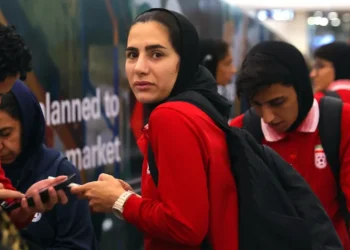 Iranian Footballers Escape Team Hotel to Seek Asylum
 Ancient Heritage Sites Damaged in Recent Airstrikes
 China Approves ‘Ethnic Unity’ Law Requiring Minorities to Learn Mandarin
 Anti-Regime Iranians Turn Anger Toward Trump
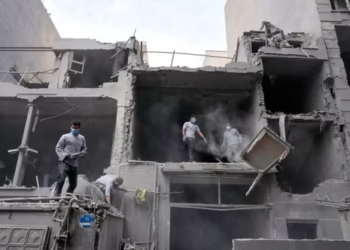 Trump Iran War Stance Hardens as Conflict Widens
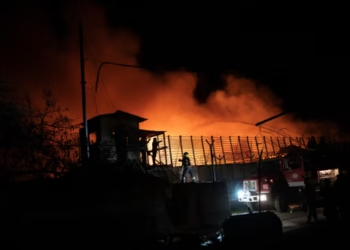 Kabul hospital strike sparks deadly blame row
 Israel Says Iran Security Chief Larijani ‘Killed’
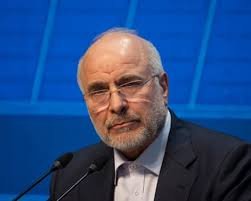 Ghalibaf Iran: Survivor Emerges in Shifting Power Game
 Gulf Distrust Grows Over Rumoured US-Iran Peace Talks
 WHO Warns of Health Crisis Unfolding in Middle East
 Saudi Arabia Urging US to Keep Up Iran Attacks
 Iran Warns of US Ground Assault Amid Rising War Tension
 Trump Threatens Iran With Total Infrastructure Destruction
 Archbishop Prays for Middle East Peace in First Easter Sermon
 Trump’s Six-Week Iranian War: The High Cost of Ignorance
 ICE Detains Soldier’s Bride Days After Louisiana Wedding
 Middle East Analysis: The Cost of a Fragile Peace
 Israel Launches Massive Airstrikes Across Lebanon
 Netanyahu Vows Continued Lebanon Strikes Amid Peace Talks
 US and Iran Pursue Extension of Ceasefire via Pakistan
 Uncertain Peace: Tehran Residents Face a Ruined Capital
 Australian Activists Detained as Gaza Aid Flotilla Intercepted
 “An Endurance Test for the Mind”: British Couple Sentenced to 10 Years in Tehran
 Trump likens US Navy actions to ‘pirates’
 Three Australian Women Detained Over Islamic State Links
 “The Trading Bonanza”: Shell Profits Soar to $6.9 Billion Amid Iran War ‘Volatility’
 “The Peace Dividend”: Oil Prices Plunge and Global Stocks Surge on Reports of Iran Ceasefire Deal
 Tensions Emerge in Netanyahu-Trump Alliance