Published: 28 May 2026. The English Chronicle Desk. The English Chronicle Online
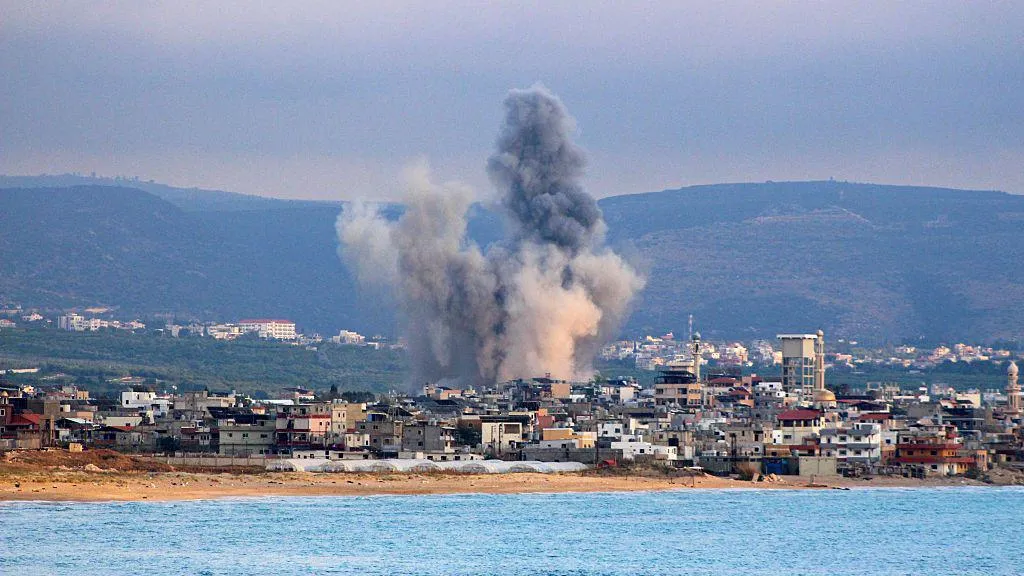
In a severe escalation of the ongoing conflict, the Israel Defense Forces (IDF) have declared all Lebanese territory south of the Zahrani River a “combat zone,” issuing urgent evacuation orders to civilians as the tenuous ceasefire brokered just over a month ago appears to be in a state of total collapse. The Zahrani River, which flows roughly 40 kilometers north of the de facto border, has effectively become the new, volatile demarcation line for a conflict that has already claimed more than 3,200 lives since the current phase of hostilities began in early March. This latest move, characterized by Israeli officials as a “clinical” necessity to root out Hezbollah’s command-and-control infrastructure, marks the most significant expansion of operations since the April 17 truce, signaling a perilous shift back toward full-scale regional warfare.

The evacuation notice, delivered via social media and various public channels late Wednesday, came on the heels of one of the heaviest days of bombing in weeks, with the IDF launching over 120 airstrikes across southern Lebanon and the eastern Bekaa Valley. For the residents of major coastal cities like Tyre and the inland hub of Nabatieh, the order has triggered a wave of mass displacement. Roads heading north toward Beirut have become jam-packed with families fleeing under the shadow of the looming offensive. For many, this is not the first time they have been forced to abandon their homes; the “resilience deficit” among the civilian population is profound, as the prospect of finding temporary shelter in an already overburdened Beirut becomes increasingly dim. Local authorities have warned that existing shelters are at near-capacity, turning the journey north into an “asymmetric” struggle for survival and safety.
The strategic rationale cited by the Israeli military for this sweeping declaration centers on the “repeated violations” of the previous ceasefire by Hezbollah, particularly the group’s use of advanced, fiber-optic drones and continued rocket fire into northern Israel. Prime Minister Benjamin Netanyahu has vowed to “increase the blows,” and military commanders are reportedly eager to maximize damage to Hezbollah’s observation points, weapons caches, and operational cells before any potential diplomatic breakthrough can be achieved. This “speechless determination” on the part of the IDF to secure a “Forward Defense Line” deep within Lebanese territory has seen ground troops push beyond the so-called “Yellow Line,” roughly 10 kilometers into southern Lebanon. This has resulted in fierce, point-blank clashes between Hezbollah fighters and Israeli units, creating a “bottleneck” of violence that shows no sign of easing.
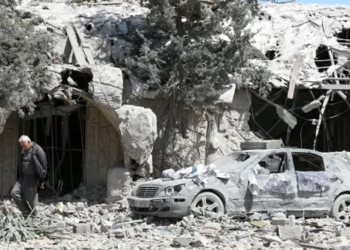
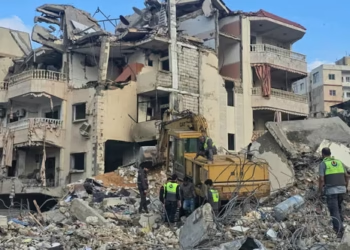
The humanitarian impact is the most harrowing dimension of this “asymmetric” war. Reports from the ground describe scenes of massive destruction in residential neighborhoods, with civil defense teams struggling to recover bodies from the rubble of leveled buildings. The inclusion of the Zahrani River region in the “combat zone” designation places large swathes of previously “spared” urban centers within the line of fire. As the Lebanese army reports the loss of its own personnel in these strikes, and as health ministries struggle to manage the mounting toll, the “accountability rot”—the failure of international diplomacy to maintain the April ceasefire—has become glaringly evident. Negotiations are scheduled for later this week at the Pentagon between military delegations, but the current momentum on the ground is working directly against these diplomatic efforts.
For the international community, the crisis presents a severe dilemma. With Iran’s supreme leader having been killed in earlier US-Israeli strikes, and Tehran’s insistence that ending the war in Lebanon is a primary condition for any wider peace deal, the fate of southern Lebanon has become inextricably linked to the broader, existential struggle between Washington and Tehran. While diplomatic channels in Qatar and Washington remain active, the “clinical” precision of military strategy is currently outstripping the slow pace of negotiation. The declaration of southern Lebanon as a combat zone is, in many ways, an attempt to solidify military gains before the “window of opportunity” for a ceasefire closes once again.

As we look toward the coming days, the situation on the ground remains highly fluid and dangerously unpredictable. The “speechless determination” of both sides to fight for tactical advantage is turning the southern landscape into a theater of unprecedented destruction. For the civilians caught in the middle, the evacuation order is a stark, “nasty” ultimatum: leave your homes and communities, or risk becoming part of the “combat zone” statistics. The upcoming Pentagon talks will be a critical, “asymmetric” juncture; whether they can revive a path toward de-escalation or whether the offensive continues to broaden will determine the fate of an entire region. For now, the trembling of the ground in southern Lebanon is a grim reminder that in the absence of a stable political horizon, the primary language of the conflict remains the strike, the evacuation, and the deepening, systemic humanitarian catastrophe.
Related News:
 Middle East Crisis Escalates as Oil Routes Shake Markets
 “The Fragile Truce Shatters”: Israeli Airstrikes Kill 19 in Southern Lebanon as Clashes Escalate
 Hunger increasingly weaponised in global conflicts
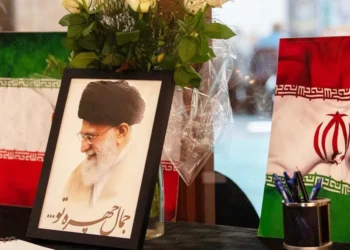 Months of Planning Behind US‑Israeli Mission to Target Iran’s Supreme Leader
 Cooper: Joining US Strikes on Iran ‘Not in Britain’s Interest’
 What Khamenei’s Death Means for Russia and China
 Trump’s Iran Endgame Unclear After Mixed Messaging on War Aims
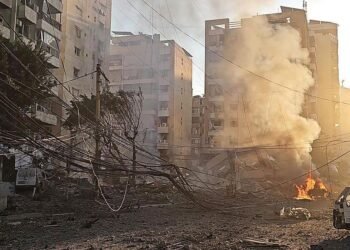 Israel Launches Fresh Strikes on Tehran & Beirut; US Warns “Hardest Hits” Ahead
 UK Prepares Aircraft Carrier for Middle East Crisis
 Ukraine war briefing: Zelenskyy offers help to Saudi Crown prince on combatting Iranian drones
 Saudi Arabia Urging US to Keep Up Iran Attacks
 Death, displacement and military duties: children plunged into crisis
 Netanyahu Vows Continued Lebanon Strikes Amid Peace Talks
 US and Iran Pursue Extension of Ceasefire via Pakistan
 Ukraine Urges UK to Seize Russian Oil Tankers
 Aid Crisis Grows as Hormuz War Disrupts Supply
 Activists allege abuse after Gaza flotilla seizure
 Global order shifts amid Trump-era turmoil
 Tensions Emerge in Netanyahu-Trump Alliance
 Putin Declares Russia Victory at Scaled Victory Day Parade
 Netanyahu Calls Early Election Amid Coalition Turmoil
 Israeli Strikes in Lebanon Kill 10 Amid Ceasefire Strain
 Former ICC prosecutor condemns US sanctions
 Gulf states warn Trump Iran strikes risk wider Middle East war
 Machado Trump medal gesture reshapes Venezuela power struggle
 Greenland defence seen as shared Nato duty amid troop arrivals
 Trump Receives Machado’s Nobel Medal in White House Meeting
 Syria President Declares Victory as Ceasefire Reached with SDF
 US Considers Asylum for British Jews Amid Rising Antisemitism
 Iran Says ‘Guiding Principles’ Agreed With US at Nuclear Talks
 Iran’s Regime Still Intact — Coming Days Will Test Its Survival
 Allies of US in the Gulf Bear Brunt of Iran Attacks
 Iran, the US, and a World Cup That Starts in Three Months
 In Maps: Strikes Across Iran and the Middle East
 US Iran Operation: Sixth Service Member Killed
 Hezbollah Anger Erupts as War Returns to Beirut
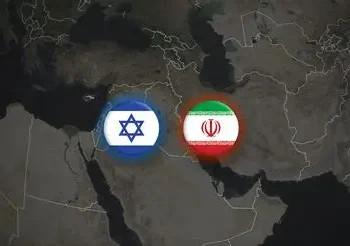 The Third Day of the US‑Israeli War With Iran
 Why the US and Israel attacked Iran
 Israel Launches Ground Invasion of Lebanon Amid Widening Middle East War
 Civilian Deaths in Iran Pass 700 Amid Fear of Bombs and Regime Clampdown
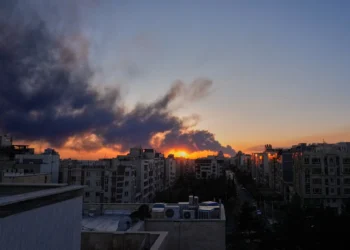 Middle East attacks intensify as Trump rejects Iran talks
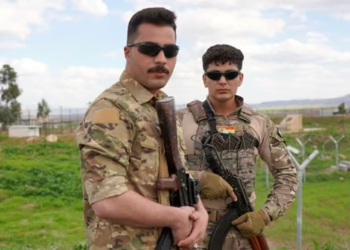 Iran-Iraq border airstrikes spark new tensions
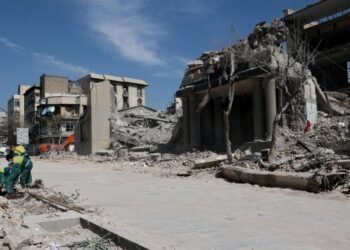 US Senate Backs Trump War Powers Amid Iran Missile Barrage
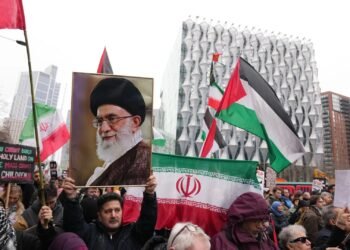 Thousands Protest Iran Strikes Outside US Embassy London
 US Bombers Arrive at RAF Base Amid Rising Iran Tensions
 Nine Days of Strikes Reshape the Middle East
 Ukraine Sends Drone Experts to Defend US Bases in Jordan
 Yvette Cooper: UK Must Follow Principles, Not US Pressure
 Trump Iran War Stance Hardens as Conflict Widens
 Kabul hospital strike sparks deadly blame row
 Gulf Distrust Grows Over Rumoured US-Iran Peace Talks
 Trump Threatens Iran With Total Infrastructure Destruction
 Trump Slams Europe as Transatlantic Tensions Boil Over
 Trump Issues Stark Warning After Strike On Iran’s Largest Bridge
 Hope and Fear as Iranians Flee Across the Turkish Border
 Tragic End to Outback Search as Floods Claim a Life
 Ben Roberts-Smith Arrested Over Alleged War Crimes
 Israel Defies Ceasefire as Lebanon Operations Persist
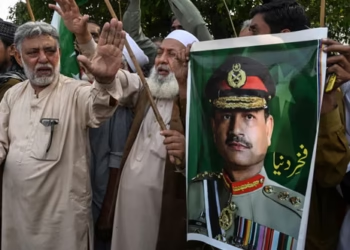 Pakistan Brokers Historic Peace Deal Amid Rising Tensions
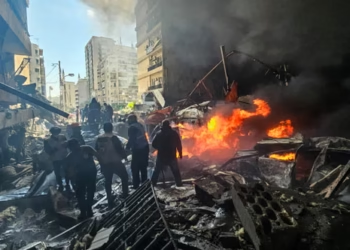 Israel Launches Massive Airstrikes Across Lebanon
 Reeves Slams Trump Over Iran War Lack Of Exit Plan
 Trump’s Islamabad Gamble: The High Stakes of a New Iran Deal
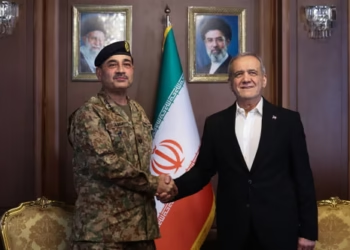 The General’s Gambit: Pakistan’s New Role in Global Peace
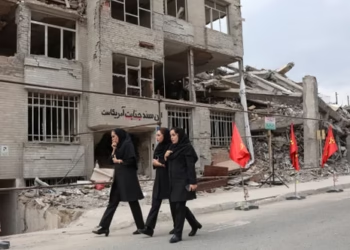 Uncertain Peace: Tehran Residents Face a Ruined Capital
 Mexico, Spain and Brazil call for Cuba dialogue amid crisis
 US Calls Australia Media Law “Foreign Extortion”
 Questions Remain Over The Tragic Bondi Massacre
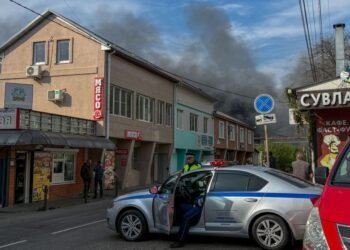 Ukraine strikes Tuapse as oil disaster worsens
 “The Trading Bonanza”: Shell Profits Soar to $6.9 Billion Amid Iran War ‘Volatility’
 “The Peace Dividend”: Oil Prices Plunge and Global Stocks Surge on Reports of Iran Ceasefire Deal
 US and Mexico Face Heatwave as Floods Batter South Africa
 The Long Way Home: Australia’s High-Stakes Virus Mission
 Trump Warns Iran Ceasefire Is Now on Life Support
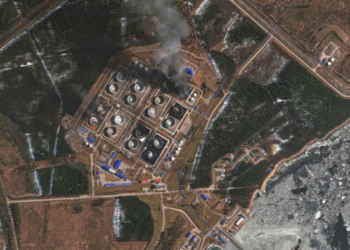 Putin Signals War End as Russian Momentum Stalls
 Philippine Senator Flees After Days Under Senate Siege
 “Hold Off”: Trump Pauses ‘Scheduled’ Strike After 11th-Hour Appeal From Gulf Allies
 Tragedy in the Maldives: Inside the Deep Sea Rescue
 Discontent grows around Putin amid war strain
 US Strikes Iranian Sites Amid Shaky Ceasefire Talks
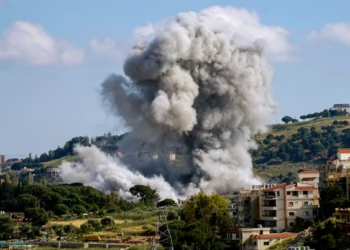 Israel Intensifies Lebanon Strikes to Crush Hezbollah