Published: 03 June 2026. The English Chronicle Desk. The English Chronicle Online.
The volatile situation across the Middle East deteriorated further following a series of direct military exchanges between Washington and Tehran. These latest actions have placed immense strain on diplomatic efforts to secure a lasting regional peace agreement. United States forces initiated the escalation by targeting a commercial vessel in the strategic waters of the Persian Gulf. This move prompted swift retaliatory threats and actual missile strikes from Iranian forces against American installations. The sudden surge in hostility highlights the extreme fragility of current international mediation attempts. Observers fear this cycle of violence could completely dismantle months of quiet, behind-the-scenes negotiations.
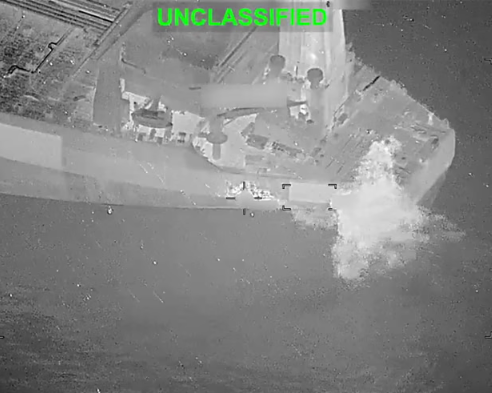
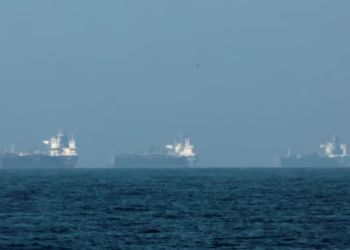
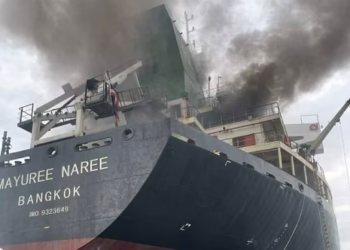
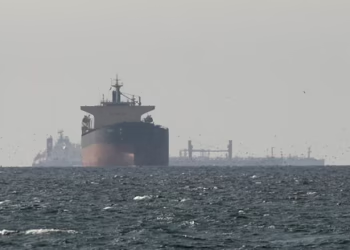
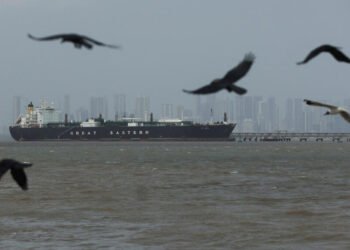
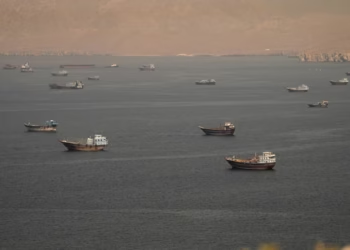
According to statements released by United States Central Command, the initial incident involved a commercial tanker. American military assets deployed a precision Hellfire missile to disable the vessel in international waters. The ship was identified as the Botswana-flagged M/T Lexie, which was reportedly unladen during the encounter. Officials stated the vessel ignored multiple warnings to halt over a twenty-four-hour period. The tanker was allegedly attempting to breach the ongoing maritime blockade enforced by the United States. Military analysts suggest the blockade aims to choke off critical supply lines to Iranian ports. This strategy has significantly increased friction between global superpowers and regional nations over recent weeks.
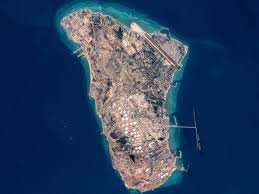
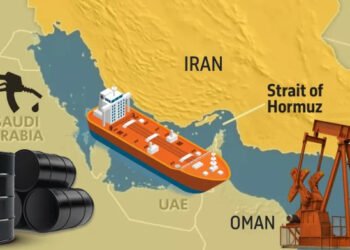
The targeted strike took place as the vessel moved toward Iran’s strategically important Kharg Island. This location sits north of the critical Strait of Hormuz, near the maritime borders of Kuwait. United States aircraft successfully targeted the engine room of the tanker to halt its progress. The action marks the sixth vessel disabled by the American military since mid-April this year. Additionally, naval forces have redirected over one hundred civilian ships attempting to enter Iranian territory. Tehran views these ongoing maritime restrictions as an illegal act of economic and military aggression. The container ship incident sparked an immediate and furious response from Iranian political leadership.
Hours after the tanker was disabled, the Islamic Revolutionary Guards Corps announced retaliatory actions. Iranian forces launched a coordinated barrage of missiles and drones toward regional American military installations. The primary target was the United States Fifth Fleet headquarters located in the kingdom of Bahrain. Air raid sirens echoed across the island nation, forcing residents to seek immediate emergency shelter. Meanwhile, nearby Kuwait also placed its national air defense systems on a state of high alert. The sudden aerial bombardment created widespread panic and disruption across multiple civilian sectors in the Gulf. Both nations urged citizens to remain indoors until the immediate threat had completely passed.
The government of Kuwait confirmed its military successfully intercepted several hostile aerial targets over its territory. Authorities issued urgent public warnings advising citizens not to touch any fallen missile debris. They noted that shrapnel from intercepted targets posed a severe danger to civilian safety. United States Central Command later clarified that two Iranian missiles aimed at Kuwait malfunctioned. These projectiles either fell short or broke apart entirely during their flight path through the sky. Three additional missiles targeting installations in Bahrain were successfully destroyed by joint defensive operations. No American or allied military personnel were reported injured during the intense aerial bombardment.
Despite successfully defending its bases, the United States launched secondary strikes against Iranian positions. American aircraft targeted a military ground control station located on Iran’s strategic Qeshm Island. This facility was reportedly involved in coordinating the drone attacks against Western naval vessels. The Pentagon asserted these actions were necessary to protect civilian mariners transiting regional waters. Officials claimed to have shot down three separate one-way attack drones during the multi-hour engagement. Washington maintained that these unmanned aircraft posed a direct and imminent threat to legal maritime navigation. Tehran, however, condemned the strikes on Qeshm Island as a direct violation of its sovereignty.
This sharp escalation in direct military conflict highlights a deep divide within international political circles. United States Secretary of State Marco Rubio recently offered a highly optimistic view of negotiations. Speaking before the Senate Foreign Relations Committee, Rubio claimed a historic deal was within reach. He stated that Tehran had suddenly agreed to negotiate key aspects of its nuclear program. These comments marked his first major political appearance since the wider conflict began in earnest. Rubio suggested that economic pressures were finally forcing the Iranian regime to make significant concessions. However, his positive assessment stands in stark contrast to the rhetoric emerging directly from Tehran.
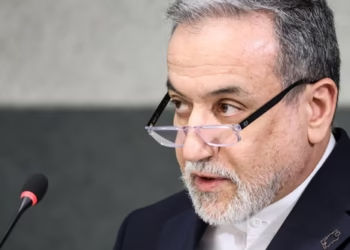
Iranian Foreign Minister Abbas Araghchi quickly dismissed the American claims of imminent diplomatic progress. Araghchi stated that any potential ceasefire agreement must apply unconditionally to all regional fronts. He explicitly linked the success of Washington talks to the ongoing military situation in Lebanon. The foreign minister warned that Western-backed operations in Lebanon would invalidate any broader peace agreements. Iran holds both the United States and Israel entirely responsible for the consequences of violations. This hardline stance indicates that Tehran is prepared to walk away from the negotiating table. Consequently, diplomatic efforts to resolve the crisis appear to have reached a complete standstill.
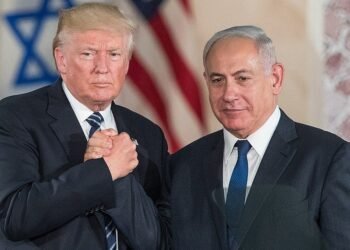
The situation is further complicated by intense military activity occurring outside the immediate Gulf zone. Israeli warplanes have carried out dozens of airstrikes across southern portions of Lebanese territory. These operations continue despite a recent agreement intended to bolster a tattered regional ceasefire. United States President Donald Trump previously claimed he had successfully intervened to halt major strikes. Trump stated he spoke directly with Israeli Prime Minister Benjamin Netanyahu regarding the escalating crisis. He also indicated that representatives from Hezbollah had agreed to a total cessation of hostilities. Despite these high-level assurances, heavy bombardment has continued to devastate communities across the region.
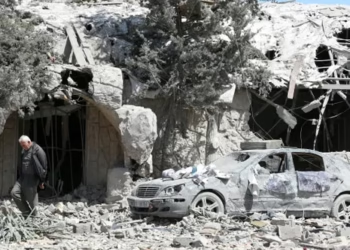
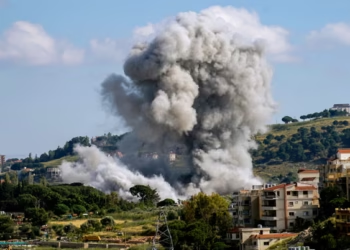
Lebanon’s state-run National News Agency reported at least thirty distinct strikes within one day. One devastating blast near the city of Sidon resulted in multiple civilian casualties. Rescue workers recovered the bodies of six family members from the ruins of their home. The victims of this particular attack reportedly included a woman and two young children. Local humanitarian organizations expressed deep concern over the rapidly rising toll on innocent lives. Meanwhile, the Israeli military issued fresh evacuation orders for residents of Nabatiyeh. The military justified these orders by accusing Hezbollah of repeatedly violating the standing ceasefire agreement.
The current conflict reflects a steady escalation that has been building over several weeks. During the preceding weekend, American forces targeted several Iranian radar and drone launch sites. Tehran responded almost immediately by striking a Western-utilized military base located in Kuwait. Iranian state media claimed that specific base was directly involved in the initial American operations. Each side continues to justify its aggressive actions as necessary measures of national defense. This ongoing tit-for-tat dynamic makes breaking the cycle of violence incredibly difficult for mediators. International diplomats warn that a single miscalculation could trigger a much wider, uncontrollable war.
As the political deadlock persists, the economic impact of the maritime blockade continues to widen. Shipping companies are facing soaring insurance costs and dangerous navigation routes through the region. The Strait of Hormuz remains one of the most critical energy transit corridors on earth. Any prolonged instability directly threatens global energy markets and international trade stability as a whole. European allies have urged both Washington and Tehran to exercise maximum restraint going forward. However, with military actions overshadowing diplomatic talks, a peaceful resolution appears increasingly distant today. The international community now watches closely, hoping cool heads will prevail before total conflict erupts.
Related News:
 Middle East Flights Halted After Iran Strikes
 US Iran Operation: Sixth Service Member Killed
 Hezbollah Anger Erupts as War Returns to Beirut
 Gaza Siege Deepens as Iran War Escalates
 Riyadh Drone Attack Escalates Regional War
 Middle East attacks intensify as Trump rejects Iran talks
 Iran-Iraq border airstrikes spark new tensions
 Iran-Iraq Border Strikes Spark New Front Fears
 Iran-Backed Militias Escalate Attacks Across Middle East
 UK Prepares Aircraft Carrier for Middle East Crisis
 Mojtaba Khamenei Chosen as Iran’s New Supreme Leader
 Tehran Oil Depot Strikes Darken City With Toxic Smoke
 Seventh US Service Member Killed in Iran Conflict Identified
 Mojtaba Khamenei Supporters Rally as Iranians Fear Repression
 Tehran Strikes Mark War’s Most Devastating Night
 Iran Defiance Grows Amid US-Israel War Pressure
 Hormuz Crisis Sparks Global Oil Market Fears
 Iranian Exile Factions Seek US Backing for Iran’s Future
 US-Israeli Strategy Shifts to Plan B in Iran War
 Injured Mojtaba Khamenei Elevated as Iran Leader
 US Missile Strike on Iran School Sparks Global Shock
 Iran Gulf attacks escalate as ships and airports targeted
 Iran Conflict: Trump’s Uncertain Path and Diplomatic Off-Ramp
 Ancient Heritage Sites Damaged in Recent Airstrikes
 Tehran Diary: Dark Days Under Relentless Bombardment
 British Tourist Charged Over Dubai Missile Strike Video
 Gaza Detainee Abuse: Israel Drops Charges Against Soldiers
 Trump Iran War Stance Hardens as Conflict Widens
 Lebanon Ground Campaign Raises Occupation Fears
 Gulf Tensions Rise as Iran Alleges Covert Support
 Kabul hospital strike sparks deadly blame row
 Iran Threatens Total Destruction of Mideast Energy Grid
 Ghalibaf Iran: Survivor Emerges in Shifting Power Game
 Gulf Distrust Grows Over Rumoured US-Iran Peace Talks
 WHO Warns of Health Crisis Unfolding in Middle East
 Saudi Arabia Urging US to Keep Up Iran Attacks
 Iranian President’s Son Shares Wartime Hopes and Fears
 Iran Warns of US Ground Assault Amid Rising War Tension
 MAGA Anxiety and the Iran War: A Movement Divided at CPAC
 Trump Threatens Iran With Total Infrastructure Destruction
 Iran Drone Strike Hits Kuwaiti Oil Tanker in Dubai Port
 Albanese to Address Nation as War Sparks Economic Crisis
 Death, displacement and military duties: children plunged into crisis
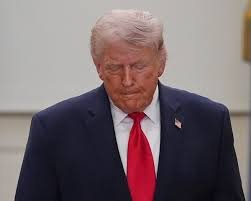 Trump’s Six-Week Iranian War: The High Cost of Ignorance
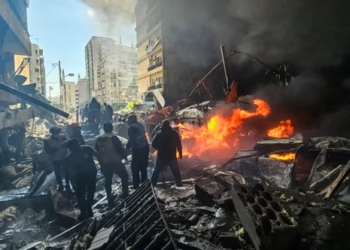 Beirut Under Fire: Massive Israeli Strikes Shaking Lebanon
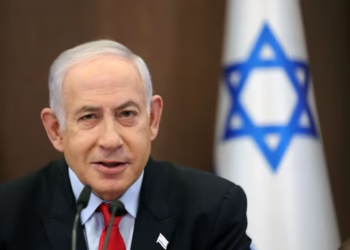 Middle East Analysis: The Cost of a Fragile Peace
 Lebanon Must Join Ceasefire to Prevent Escalation, Says Cooper
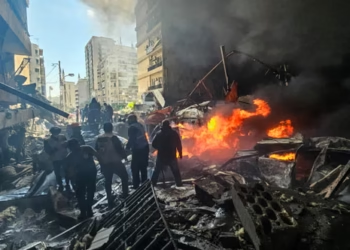 Israel Launches Massive Airstrikes Across Lebanon
 Netanyahu Vows Continued Lebanon Strikes Amid Peace Talks
 Iran Crisis Tests Trump’s Global Leadership
 US and Iran Pursue Extension of Ceasefire via Pakistan
 Uncertain Peace: Tehran Residents Face a Ruined Capital
 Aid Crisis Grows as Hormuz War Disrupts Supply
 Trump likens US Navy actions to ‘pirates’
 Global order shifts amid Trump-era turmoil
 Middle East Crisis Escalates as Oil Routes Shake Markets
 Tensions Emerge in Netanyahu-Trump Alliance
 Trump Rejects Tehran Peace Plan as Regional Truce Crumbles
 Netanyahu Calls Early Election Amid Coalition Turmoil
 Tensions Flare as Israeli Nationalists March in Jerusalem
 Gulf Crisis Deepens After Drone Attack Near Nuclear Facility
 Global Flotilla Intercepted in International Waters
 Israeli Strikes in Lebanon Kill 10 Amid Ceasefire Strain
 Hunger increasingly weaponised in global conflicts
 Former ICC prosecutor condemns US sanctions
 Trump Claims Iran Peace Deal Near Completion
 US Strikes Iranian Sites Amid Shaky Ceasefire Talks
 Israel Intensifies Lebanon Strikes to Crush Hezbollah
 Trump’s Iran Deal Plan Sparks Intense Alarm Across Israel
 Trump Confronts Netanyahu in Explosive Beirut Phone Call
 Iran To Propose New Shipping Fees In Strait Of Hormuz
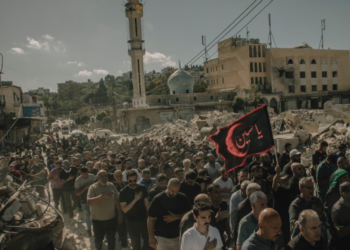 Grief and Devotion Amidst the Rubble of Nabatieh
 High Drama in Tehran Over Secret Nuclear Letters
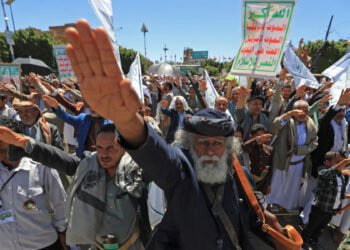 Houthis Strike Saudi Arabia as Middle East Tensions Rise
 ‘Extinct’ Antelope Returns to Sahara, Bringing Hope
 Irish Beach Tragedy: Irish Drown at Whitehaven Beach in Australia
 UK and US Drop in Global Corruption Index Rankings
 Canberra Poster Seizure Sparks Free Speech Row
 Jacinda Ardern Move Sparks Kiwi Reflection
 Yemen Accuses Iran of Violating National Sovereignty