Published: 19 June 2026. The English Chronicle Desk. The English Chronicle Online.
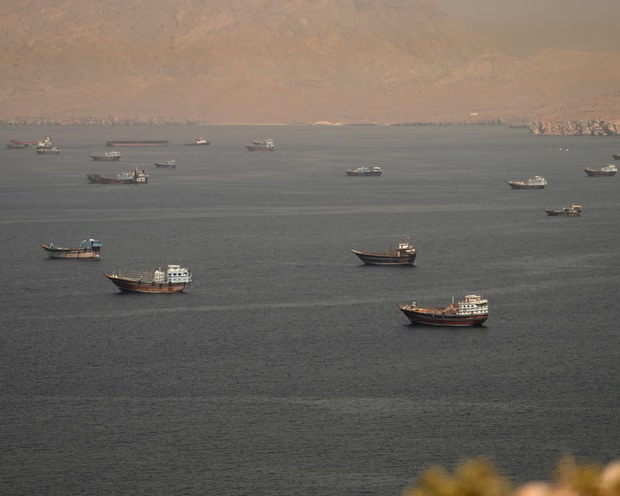
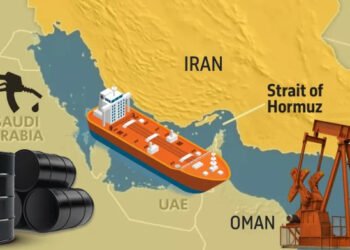
Tehran announced plans to introduce maritime fees in the crucial Strait of Hormuz within two months. This decision follows a sixty-day negotiation period triggered by a new memorandum of understanding. Iranian officials claimed a historic victory over the United States regarding control of the waterway. They also indicated that a proposed European naval escort mission would not be welcome there. This development occurred shortly after Washington lifted its long-standing maritime blockade against Iranian oil tankers. Energy vessels began moving freely through the critical channel once again after the restriction ended.
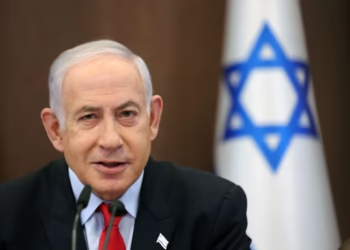
The warning from Tehran emerged alongside significant geopolitical statements from regional leaders in the Middle East. Israeli Prime Minister Benjamin Netanyahu affirmed that his nation will maintain its southern Lebanon security zone. He stated that military forces will remain there as long as security needs require it. This statement refers to over six hundred square kilometres of Lebanese territory currently occupied by troops. Netanyahu further emphasized that Israel remains fully committed to its supreme objective regarding regional safety. The country will continuously work to prevent Tehran from ever acquiring functional nuclear weapon capabilities.
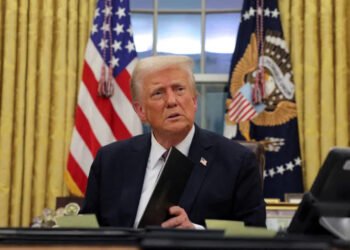
Meanwhile, Iranian leaders insist that the new agreement strictly requires a full Israeli military withdrawal. They argue that the deal specifically protects the territorial integrity of the sovereign Lebanese nation. Tehran explicitly holds United States President Donald Trump accountable for ensuring this total troop removal. Trump expressed absolute optimism regarding the potential for a complete ceasefire across all active fronts. This expectation explicitly covers the ongoing military conflicts involving Lebanon, Hezbollah, and the state of Israel. The American president shared these positive views publicly through his official Truth Social media account. He warmly encouraged regional nations to allow these complex diplomatic negotiations to unfold beautifully now.
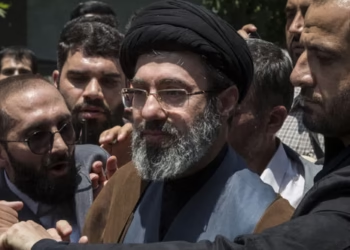
It also emerged that Iran’s supreme leader approved the comprehensive deal with the United States. Ayatollah Mojtaba Khamenei officially endorsed the commencement of direct negotiations with the American leadership team. The supreme leader remarked that Trump used various political levers primarily out of sheer desperation. Interestingly, Khamenei has not appeared in public since assuming his official office this past March. His ascension followed the high-profile killing of his father, which shook the nation’s political landscape.
Despite diplomatic progress, Israeli drone attacks and heavy artillery shelling continued throughout Thursday morning. Hezbollah claimed responsibility for recent strikes against forces within the Kfar Tebnit-Ali al-Taher region. This persistent violence highlights the immense challenges facing the implementation of the fragile peace agreement. The terms of this comprehensive deal sparked sharp criticism from numerous prominent Israeli political figures. An opinion piece within the Times of Israel perfectly captured the widespread somber regional mood. The article boldly declared that the war against Iran was completely lost due to presidential weakness. This harsh sentiment underscores the deep divisions remaining between Washington and its traditional regional ally.
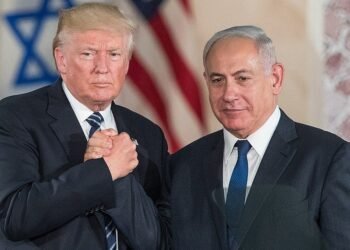
Vice President JD Vance strongly defended these foreign policy choices during a recent press briefing. He openly scolded Israeli critics, declaring that Trump remains their only truly sympathetic global ally. Vance suggested that foreign cabinet members should avoid attacking the most powerful partner they have left. This public defense highlighted the growing tension between American diplomats and Israeli political leadership teams.
Unexpected hurdles emerged when officials cancelled a planned formal ceremony to mark the historic signing. The event was originally scheduled to take place on Friday to celebrate the memorandum’s finalization. However, Donald Trump and his Iranian counterpart, Masoud Pezeshkian, had already personally signed documents. The critical agreements were officially translated into both English and Farsi for official state records. The sudden cancellation meant that Pakistan’s prime minister, Shehbaz Sharif, would not travel to Switzerland. This change represented a distinct diplomatic disappointment for Pakistan, which desired positive global media attention.
Iranian representatives confirmed that technical talks between both nations would still proceed as previously scheduled. These essential meetings are taking place at a luxurious resort by the beautiful Lake Lucerne. The Qatari-owned Bürgenstock mountain resort provides a secluded and highly secure environment for sensitive diplomacy. These discussions mark the first direct encounter between the two sides since mid-April in Islamabad. Delegates are focusing heavily on how to effectively implement the fourteen specific clauses of the memorandum. Key topics include mechanisms for lifting economic sanctions currently placed on Iranian oil export operations.
Negotiators are also working to ensure that commercial shipping traffic flows freely through the region. However, hopes for permanent freedom of navigation faced a sudden setback during recent press statements. Iran’s chief negotiator, Mohammad Bagher Ghalibaf, stated that the vital waterway requires active management. He explained that maintaining security and order within the strait will inevitably come at a cost. This stance suggests that international vessels may soon face mandatory fees to traverse the channel. The announcement has raised immediate concerns among global shipping companies and international trade experts alike.
Saudi Arabian Foreign Minister Prince Faisal bin Farhan Al Saud strongly challenged the Iranian proposal. He argued that management of the strait worked perfectly well before the recent conflict erupted. The minister noted that ships navigated the waters freely without encountering safety or environmental issues. He questioned why the international community should now accept a novel and potentially restrictive arrangement. Prince Faisal emphasized that nations should simply return to the previous system that functioned properly. His clear statements reflect the broader skepticism shared by several prominent Gulf states regarding Tehran’s intentions.
Muath Alwari, the policy planning director for the United Arab Emirates, shared similar regional perspectives. He noted that his country suffered numerous Iranian strikes during the recent period of conflict. These military operations targeted local hotels, prominent tourist attractions, and essential civilian infrastructure projects. Alwari explained that the UAE’s strategic relationship with Israel actually strengthened throughout the difficult war. He described Israel as a highly solid and reliable defense partner during times of crisis. The director affirmed that engagement between the two nations would continue to deepen moving forward. Alwari stated that recent events have not altered the original calculus behind the Abraham Accords. These historic agreements previously normalized diplomatic and economic relations between the UAE and Israel permanently.
Meanwhile, the Iranian foreign ministry has initiated a lengthy process to repair regional diplomatic ties. Tehran hopes that neighboring Gulf states will contribute substantially to a proposed construction fund project. The ambitious three hundred and fifty billion dollar fund aims to attract private sector investors worldwide. The United States has already agreed to help establish this financial initiative to rebuild infrastructure.
Iranian Economic Minister Seyed Ali Madanizadeh offered a cautious perspective on the nation’s financial outlook. He stated the American oil export waiver would not immediately create a massive economic bonanza. Independent energy experts agree that the short-term outcome will likely yield only modest production increases. Madanizadeh explained that the prolonged war had caused a severe drop in vital national revenues. This significant decrease in oil income has severely intensified existing national budget imbalances recently. He concluded by reminding citizens that a complete return to normal economic conditions takes time.
Related News:
 Saudi Arabia Urging US to Keep Up Iran Attacks
 Netanyahu Vows Continued Lebanon Strikes Amid Peace Talks
 US and Iran Pursue Extension of Ceasefire via Pakistan
 Global order shifts amid Trump-era turmoil
 Middle East Crisis Escalates as Oil Routes Shake Markets
 Tensions Emerge in Netanyahu-Trump Alliance
 Netanyahu Calls Early Election Amid Coalition Turmoil
 Israeli Strikes in Lebanon Kill 10 Amid Ceasefire Strain
 Hunger increasingly weaponised in global conflicts
 Former ICC prosecutor condemns US sanctions
 Grief and Devotion Amidst the Rubble of Nabatieh
 High Drama in Tehran Over Secret Nuclear Letters
 Houthis Strike Saudi Arabia as Middle East Tensions Rise
 US Citizens Warned to Venezuela Flee Amid Paramilitary Threats
 Gulf states warn Trump Iran strikes risk wider Middle East war
 Iran unrest slows under brutal crackdown and global tensions
 Thousands Protest ICE Operations in Nationwide US Day of Action
 Epstein Files Reveal Trump Officials’ Emails with Financier
 Thousands Protest ICE in New York Against Trump Deportation Campaign
 Sydney Protest Pepper Spray Clash During Herzog Visit
 Iran-Iraq Border Strikes Spark New Front Fears
 Ukraine war briefing: Zelenskyy offers help to Saudi Crown prince on combatting Iranian drones
 Mojtaba Khamenei Chosen as Iran’s New Supreme Leader
 Seventh US Service Member Killed in Iran Conflict Identified
 Mojtaba Khamenei Supporters Rally as Iranians Fear Repression
 Tehran Strikes Mark War’s Most Devastating Night
 Iran Defiance Grows Amid US-Israel War Pressure
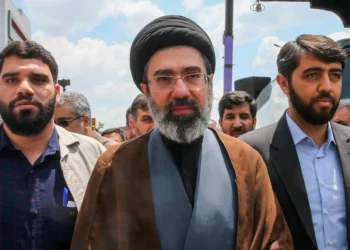 Injured Mojtaba Khamenei Elevated as Iran Leader
 US Missile Strike on Iran School Sparks Global Shock
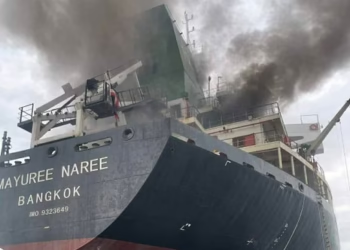 Iran Gulf attacks escalate as ships and airports targeted
 Ancient Heritage Sites Damaged in Recent Airstrikes
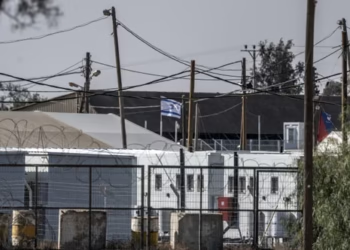 Gaza Detainee Abuse: Israel Drops Charges Against Soldiers
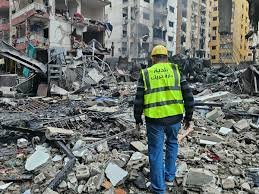 Lebanon Ground Campaign Raises Occupation Fears
 Gulf Tensions Rise as Iran Alleges Covert Support
 Iranian President’s Son Shares Wartime Hopes and Fears
 Diplomacy on the Brink: Pakistan’s Risky Peace Mission
 Iran Drone Strike Hits Kuwaiti Oil Tanker in Dubai Port
 Trump Slams Europe as Transatlantic Tensions Boil Over
 Trump’s Six-Week Iranian War: The High Cost of Ignorance
 The Price of Hubris: Trump, Netanyahu, and the ‘Easy’ War
 Trump and Tehran Find Common Ground in Landmark Ceasefire
 Israel Defies Ceasefire as Lebanon Operations Persist
 Pakistan Brokers Historic Peace Deal Amid Rising Tensions
 Middle East Analysis: The Cost of a Fragile Peace
 Islamabad Hosts Historic Peace Talks Between Iran and USA
 Reeves Slams Trump Over Iran War Lack Of Exit Plan
 Ukraine Urges UK to Seize Russian Oil Tankers
 US Calls Australia Media Law “Foreign Extortion”
 Oil Prices Surge Above $120 Amid Iran Blockade Fears
 Trump orders US troop pullout from Germany
 Activists allege abuse after Gaza flotilla seizure
 Japan Protests Erupt Over Plans to Revise Constitution
 FIFA Confirms Global Ban for Benfica Star Prestianni
 Saudi Arabia Blocks Trump’s Naval Plan for Hormuz Strait
 New South Wales Wetland Rescue Legislation Passes
 Trump Rejects Tehran Peace Plan as Regional Truce Crumbles
 US and Mexico Face Heatwave as Floods Batter South Africa
 The Long Way Home: Australia’s High-Stakes Virus Mission
 Trump Warns Iran Ceasefire Is Now on Life Support
 Putin Signals War End as Russian Momentum Stalls
 Fear and Betrayal: The Chilling Case of Kouri Richins
 Scepticism and tight security as Beijing braces for Trump
 Philippine Senator Flees After Days Under Senate Siege
 Tensions Flare as Israeli Nationalists March in Jerusalem
 Tragedy in the Maldives: Inside the Deep Sea Rescue
 Fragile Truce Shattered as Violence Escapes Diplomatic Control
 Discontent grows around Putin amid war strain
 US Strikes Iranian Sites Amid Shaky Ceasefire Talks
 Israel Intensifies Lebanon Strikes to Crush Hezbollah
 Trump’s Iran Deal Plan Sparks Intense Alarm Across Israel
 US and Iran Trade Fresh Strikes, Threatening Ceasefire
 Washington Brokerage Sparking Hope Amid Regional Firestorms
 Aukus Deal Facing Fierce Backing and Historic Criticism
 Thai Princess Bajrakitiyabha Passes Away at 47
 US and Iran Agree Historic Framework to End 15-Week War
 Trump Signs Landmark Iran Accord in Versailles
 Iran Prepares for Massive Six-Day Funeral for Khamenei
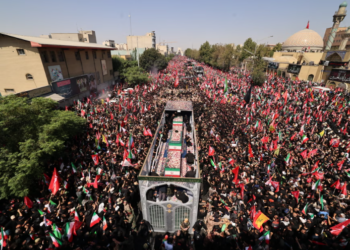 Iran Mourns: Millions at Khamenei’s Final Procession
 Israeli Officer Investigated for Car Grenade Attack
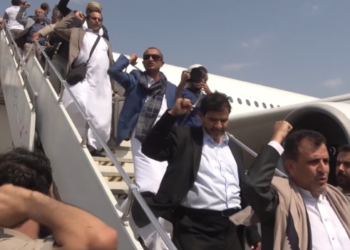 Yemen Accuses Iran of Violating National Sovereignty