Published: 04 August 2026 | The English Chronicle Desk | The English Chronicle Online
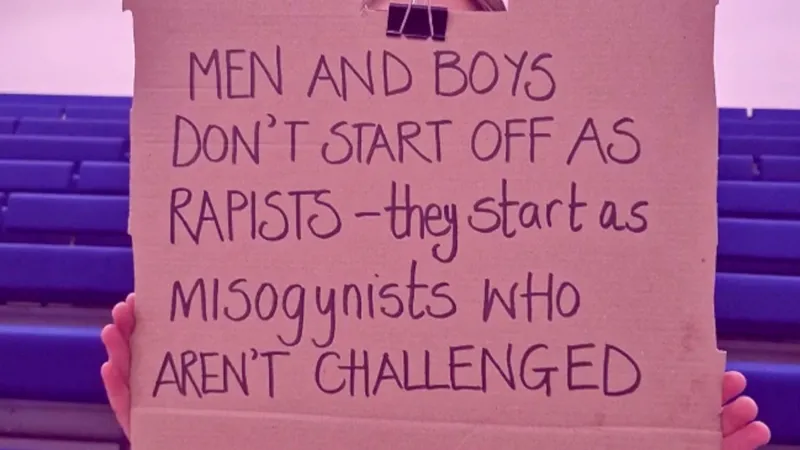
A disturbing culture of misogyny among young people is being exposed after reports of so-called “rape lists” in schools revealed the scale of harassment, intimidation and gender-based abuse faced by some female pupils. Campaigners, teachers and safeguarding experts say the issue reflects a wider problem of misogynistic attitudes developing among some boys and young men, both online and within educational environments.
The emergence of these lists, in which girls are reportedly ranked or targeted with sexualised comments and threats, has intensified calls for stronger action from schools, social media platforms and policymakers.
Experts warn that such behaviour should not be dismissed as teenage jokes or harmless online trends, arguing that it can contribute to an environment where girls feel unsafe, silenced and unable to report abuse.
Reports of “rape lists” have raised concerns among parents and educators because they represent a particularly harmful form of sexual harassment.
The lists often involve girls being named, ranked or discussed in a degrading and sexualised manner without their consent.

For those targeted, the impact can be deeply damaging, affecting confidence, mental health and feelings of safety within school communities.
Safeguarding specialists say these incidents are not isolated examples of poor behaviour but part of a broader pattern of misogyny that can include sexist language, unwanted sexual attention, online abuse and the normalisation of violence against women and girls.
They argue that early intervention is essential to prevent harmful attitudes becoming more deeply established.
Many girls and young women have described experiencing sexism and harassment during their school years.
Some report being subjected to inappropriate comments, sexual jokes, unwanted messages or pressure from peers.
Others say they have felt that complaints are sometimes treated as minor disagreements rather than serious safeguarding concerns.
Campaigners argue that when incidents are ignored or minimised, it can reinforce the belief among perpetrators that such behaviour has limited consequences.
They say schools must create environments where students feel confident reporting concerns and where allegations are investigated properly.
Experts believe online platforms have played a significant role in spreading misogynistic ideas among younger generations.
Social media, messaging apps and online communities can allow harmful content to circulate quickly and anonymously.
Some young people are exposed to influencers and online personalities who promote aggressive views about gender relationships, consent and women’s rights.
Researchers studying online radicalisation say repeated exposure to sexist content can gradually influence attitudes, particularly among vulnerable teenagers seeking acceptance or belonging.
However, experts stress that technology itself is not the cause of misogyny but can amplify existing harmful beliefs.
Teachers and school leaders are increasingly being asked to address issues that extend beyond traditional classroom discipline.
Schools now face challenges involving online harassment, sexualised behaviour and harmful content accessed outside school hours but affecting students during the school day.
Education professionals argue that tackling misogyny requires a whole-school approach involving students, teachers, parents and specialist organisations.
This includes teaching young people about respect, consent, healthy relationships and the consequences of harmful behaviour.
Many experts believe these discussions should begin early rather than waiting until serious incidents occur.
Campaigners have long argued that relationship and sex education should play a stronger role in preventing sexual harassment.
They believe young people need clear understanding of consent, boundaries and respectful behaviour.
Supporters of improved education say prevention is more effective than responding only after incidents happen.
They argue that discussions about gender equality and respect should be treated as essential parts of preparing young people for adult relationships.
Critics, however, have sometimes questioned how such topics are taught, creating debate about the balance between education, parental involvement and age-appropriate content.
For girls targeted by misogynistic behaviour, the consequences can extend far beyond the immediate incident.
Victims may experience anxiety, embarrassment, fear of attending school or concerns about how they are viewed by classmates.
Some avoid reporting incidents because they worry about retaliation, disbelief or further humiliation.
Support organisations say these barriers must be addressed if schools are to create genuinely safe environments.
They emphasise that responsibility should always remain with those who engage in harmful behaviour rather than those targeted by it.
The issue of violence and harassment against women and girls has become an increasing focus for governments and public institutions.
Authorities have introduced strategies aimed at tackling misogyny, improving safeguarding and strengthening responses to sexual offences.
However, campaigners argue that more action is needed within schools specifically.
They want clearer guidance for teachers, improved reporting systems and greater accountability when serious incidents occur.
Some also argue that misogyny should be recognised as a safeguarding concern in the same way as other forms of harmful behaviour.
Experts warn that attitudes developed during teenage years can influence behaviour later in life.
Addressing misogyny among young people is therefore viewed as a long-term effort rather than a short-term response.
Intervention programmes can help young people challenge stereotypes, understand equality and develop healthier attitudes towards relationships.
Teachers and youth workers say many young people are willing to engage in these conversations when they are approached constructively.
The goal, they argue, is not simply punishment but preventing harmful behaviour from becoming normalised.
While schools have an important responsibility, experts say tackling misogyny requires wider involvement.
Parents and communities can help by encouraging open conversations about respect, online behaviour and relationships.
Monitoring children’s online experiences and discussing harmful content can help young people develop critical thinking skills.
Experts also encourage adults to challenge casual sexist comments rather than dismissing them as insignificant.
They argue that everyday attitudes contribute to the wider culture in which more serious forms of abuse can develop.
The debate over “rape lists” reflects broader concerns about attitudes towards women and girls across society.
Campaigners say misogyny is not limited to schools but can be seen in workplaces, online spaces and public life.
They argue that addressing the issue requires cultural change, with greater emphasis on equality and respect.
At the same time, many young people and student groups are actively challenging sexism and supporting campaigns for safer educational environments.

Reports of “rape lists” in schools have highlighted serious concerns about misogyny, sexual harassment and the challenges facing girls in educational settings.
While schools continue working to improve safeguarding and support systems, experts say lasting change requires education, accountability and a wider shift in attitudes.
The issue serves as a reminder that creating safe environments for young people involves more than responding to individual incidents—it requires challenging harmful beliefs before they become embedded.
As discussions continue, campaigners hope greater awareness will lead to stronger protections for students and a future where every young person can learn without fear of harassment or intimidation.
Related News:
 Teacher Who Lied About Cambridge Degree Banned From Profession
 ‘Don’t Make Us Security Guards,’ Says Teacher Stabbed by Pupil
 Sadistic Pair Jailed for Blowing Up Sheep
 Yorkshire School Issues Warning Over Social Media Trend Targeting Pupils
 Beloved Teacher Dies After Student Prank Turns Tragic
 Scots Head Teacher Pays Tribute to Teen Who Died in Car Fire
 NHS Safety Fears as Nurses Cover Doctor Gaps
 Tragedy in Cambridge: Two Arrested Over Fatal Assault of International Student
 UP IN FLAMES: Huge Blaze Rips Through Odeon Cinema, Students Evacuated
 Disability and LGBT Hate Crimes Set to Become Aggravated Offences
 Illegal Skin Lightening Cream Being Sold in UK Butchers, Watchdog Warns
 Last‑ditch Call to Save Police Front Counters in London
 Deaf Woman Killed After Night Out With Strangers, Court Hears
 Two Teens Found Dead at East Yorkshire Holiday Park
 Dad Found in Bed with Daughter 16 Years After Abandoning Her as a Child
 I Confronted a Mugger with an 18-Inch Machete in London – No Wonder Tom Cruise is Leaving
 Schools in England to Get Budget for Children with Special Needs as Part of SEND Overhaul
 Will the New SEND Reforms in England Work? You Have Your Say
 Grave of Murdered Toddler James Bulger Vandalised
 Calls Grow to Remove Billboard Following Lyra McKee Graffiti
 Family of Girl Groomed by Ian Huntley Beg Medics to Save His Life
 Undercover officer deceived women with ‘grotesque and cruel’ lies, spycops inquiry told
 Gran Vows to Shield Huntley’s Daughter From Soham Killer’s Funeral
 Teen Wins Payout After TRNSMT Crush Horror
 Biker Suffers Fractured Spine After Hitting Pothole in Edinburgh
 Jobless Man on £15k Benefits Accused of Hurling Abuse at Anti-Migrant Demo
 Second Man Arrested Over ‘Gunshot’ Death of Young Dad in Motherwell Home
 Rapist Caught After Victim Calls Police Mid-Attack

 Teen Admits Filming Westfield Chair Prank
 Families Tortured by Authorities During Investigations Inquiry Told
 Watchdog Probes Police Handling of Andrew Tate Abuse Claims
 Fire Crews Battle Major Blaze at Coventry Car Dealership
 Dawn Raids in Scotland and Spain: Eight Arrested in Major Organised Crime Sting
 Three-Minute Heist: Renoir, Cézanne, and Matisse Masterpieces Stolen in Italy
 Four Teens Charged After Assault on Rescue Volunteer and Dog
 Schools Lack Staff to Make SEND Reforms Work, Union Warns
 How a Busy Saturday Night in Derby Descended into Chaos
 Shadow on the Playground: UK Children Report Record-High Sextortion Attempts
 Heartbreak in Bournemouth: The Tragic Death of James Blanch
 Rebranded or Reclaimed? Seized Tate Assets to Fund Domestic Abuse Support
 The Victim-Blame Loop: When Protection Orders Backfire
 The Courtroom Clash: Couple Denies Charges in Alleged Racially Motivated Assaults
 The Pre-School Lottery: Families Left in ‘Holding Pattern’ as Local Places Vanish
 Justice Served: Man Jailed for Grooming Minor Met on Gaming Platform
 Campus Lockdown: School Shuts Following ‘Serious Incident’ in Local Area
 Youth in Crisis: ‘Seismic’ Rise in Children as Young as 10 Carrying Weapons
 ‘Thugs for Hire’: 17-Year-Old Charged in Counter-Terror Probe Following Synagogue Firebombing
 ‘A Sacred Space Shattered’: Two Found Guilty in London Church Drive-By Murder Trial
 Walsall Rapist Jailed After Hate-Filled Online Trail
 Two Children Die in Wolverhampton House Fire Tragedy
 “Significant” Fire at Pink Punters: 51-Year-Old Man Arrested Following LGBT+ Club Blaze
 A “Breaking Point” for Britain: Terror Adviser Warns Antisemitism is Now a National Security Emergency
 The Shadow of the Blitz: 1,200 Plymouth Homes Evacuated as “Very Large” WW2 Bomb Unearthed
 500 Officers, 10 Arrests: Crewe Religious Group at Centre of Modern Slavery and Sex Crimes Probe
 “Justice Has No Expiry Date”: Six Arrested in Major Probe into Historical Child Sexual Abuse
 “A Trail of Blood and Debt”: County Lines Kingpin Handed Life Sentence for “Senseless” Gangland Murder
 Reversing the “No Action” Verdict: Driver Charged in Wimbledon School Tragedy
Reversing the “No Action” Verdict: Driver Charged in Wimbledon School Tragedy
Reversing the “No Action” Verdict: Driver Charged in Wimbledon School Tragedy
 Tractor Breakdown Tests Lincolnshire Farmers
 Father’s diaries reveal doubts over Hawking
 Victim says non-custodial rape sentence ‘rock in my face’
 Regulator Reviews ‘Overwhelming’ Maths Exam
 Woman Warns of Lifelong Damage From Ketamine
 M&S Launches Traineeship for 1,000 Young People
 Signs of Recovery Emerging for Young People
 Man Arrested 22 Years After Leeds Teen Murder
 “Without Housing Help I Could Not Do My Dream Job”
 Prince George Set to Begin Studies at Eton This September
 Woman Appears in Court Over Fatal Wimbledon School Crash
 Woman Claims Swinging Website ‘Facilitated Abuse’ and Left Her Traumatised
 British Teens in EU Face Soaring UK University Fees
 Parents Fundraise to Cool Overheated School Classrooms
 Jewish Students Describe Rising Antisemitism on UK Campuses
 Girlguiding Unveils First Uniform Redesign in 35 Years
 Technical Subjects to Be Expanded for Pupils Aged 14
 Suzy Lamplugh Mystery Still Haunts Detectives
 Man Admits Taking Ambulance With Patient Inside
 Funeral Scandal Sentencing Hears Claims of Missing Charity Donations
 PC Harper Family Angered by Early Release Policy