Published: 19 June 2026. The English Chronicle Desk. The English Chronicle Online.
Aaron Cresswell once famously described Declan Rice as a true freak of nature due to his staggering physical resilience. The experienced defender remains consistently amazed by the midfielder’s uncanny ability to maintain peak performance levels across relentless schedules. According to his former West Ham United teammate, Rice possesses the rare capacity to play multiple high-intensity matches every single week. The sheer volume of competitive football the midfield powerhouse has endured over recent seasons genuinely defies modern sports science expectations.
Since the commencement of the grueling 2020-21 campaign, Rice has remarkably clocked up an astonishing 360 appearances for club and country. This relentless footballing calendar has placed an unprecedented physical burden on the exceptionally talented twenty-seven-year-old anchor man. He proved absolutely indispensable during West Ham’s memorable and deep European qualification runs in both 2022 and 2023. Furthermore, he established himself as the undisputed midfield heartbeat of the national side under former manager Gareth Southgate. His immense influence has only intensified since his high-profile transfer to Arsenal in North London three years ago.
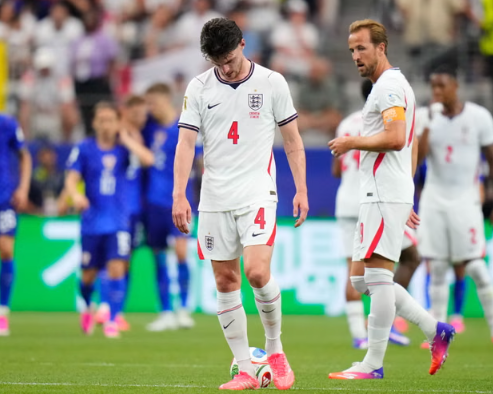
The natural temptation for any elite manager is to keep utilizing such a dependable asset without rest. Yet a palpable sense of physical weariness finally seemed to catch up with the overworked midfield superstar this week. His sixty-third appearance of this marathon season came during England’s chaotic victory over Croatia in their opening group game. The usually unflappable defensive midfielder looked uncharacteristically sluggish and off the pace from the opening whistle on Wednesday. The overall structural shape of the English midfield unit looked noticeably flawed and easily exposed by their opponents.
Throughout a deeply concerning first half, massive gaps opened up between Rice and his young partner Elliot Anderson. The Arsenal man frequently dropped far too deep into his own penalty area, disrupting the team’s defensive line. He was repeatedly dragged out of his preferred central position by the evergreen tactical brilliance of Luka Modric. The Croatian maestro expertly exploited Rice’s uncharacteristic lack of sharp mobility to dictate the tempo of the game. Such positional vulnerabilities created immense anxiety among the traveling supporters watching the tense encounter unfold in the stadium.
Perhaps these obvious tactical wrinkles can be swiftly ironed out by new head coach Thomas Tuchel very soon. The German tactician faces a race against time before England line up against an energetic Ghana side on Tuesday. However, significant alarm bells started ringing when Rice had to be replaced late in the second half of the match. With England desperately guarding a slender one-goal lead, substituting their primary defensive shield felt like a massive gamble. Seeing the reliable vice-captain leave the pitch under those specific circumstances is almost entirely unheard of in recent years.
The overarching fear for the national team is that their talismanic midfielder is finally running completely out of steam. This physical decline comes at the absolute worst possible moment as the prestigious tournament begins to intensify. Following the final whistle, Tuchel revealed that Rice had complained of acute discomfort in his lower back and hamstring. The manager insisted the substitution was merely a precautionary measure to prevent any serious muscular tears from occurring. Rice himself was quick to downplay the issue, confidently declaring his fitness for the upcoming clash with Ghana.
Nevertheless, England’s medical staff must tread incredibly carefully with the player’s long-term physical well-being over the coming weeks. The potential consequences of aggravating the injury could prove absolutely catastrophic for the nation’s ambitious World Cup aspirations. The midfield functioned poorly even with a compromised Rice on the pitch, highlighting his immense tactical importance to the system. Tuchel offered a highly diplomatic post-match assessment, noting that Declan suffered some very unusual and sloppy possessions during the match. Despite these errors, the hard truth remains that England simply cannot afford to navigate this tournament without him.
Historically, the Three Lions have rarely looked like a cohesive unit whenever Rice has been absent from the lineup. Over the past six years, his unique combination of positional discipline and physical dominance has been completely irreplaceable. The current tournament squad noticeably lacks a like-for-like alternative who can replicate his specific defensive output in midfield. Kobbie Mainoo is an incredibly gifted young player on the ball but lacks the necessary stature and defensive grit. The Manchester United youngster cannot yet match Rice’s imposing physical presence or his exceptional delivery from attacking set-pieces.
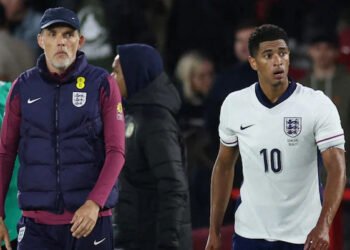
The veteran option of Jordan Henderson remains available within the squad, but he is now thirty-six years old. The experienced midfielder was pointedly left on the bench when England needed to maintain a high defensive tempo. Consequently, there are no straightforward answers or easy fixes available to Tuchel as he ponders his tactical options. His initial tactical adjustment when Rice left the field was to drop Jude Bellingham into a deeper role. This sudden positional shift backfired immediately and almost allowed a resurgent Croatia to score a dramatic late equalizer.
That particular midfield experiment lasted only eight frantic minutes before the manager realized it was causing severe defensive instability. It was only after another tactical reshuffle that a viable blueprint for life without Rice potentially emerged. The late introduction of Djed Spence allowed the versatile Reece James to move away from his right-back station. James seamlessly slotted into a central midfield role, a position he has occupied with immense distinction for Chelsea lately. The dynamic Chelsea captain could realistically provide the definitive answer if Rice’s tournament minutes require strict medical management.
James famously excelled in central midfield during a highly successful developmental loan spell at Wigan Athletic years ago. While he has spent the majority of his professional career at right-back, his role evolved significantly under Enzo Maresca. The Italian manager regularly deployed James as an inverted midfielder to maximize his superb passing range and technical skills. After some initial skepticism from pundits, Maresca was completely vindicated when Chelsea secured the prestigious Club World Cup title. James proved to be a revelation in the center of the pitch during that historic global tournament run.
Interestingly, Tuchel himself was originally one of the loudest skeptics regarding James playing anywhere other than fullback. Having previously managed the player at Stamford Bridge, the German initially viewed him strictly as an elite right-back option. Yet over the past eighteen months, Tuchel has clearly come to appreciate the tactical wisdom behind Maresca’s innovative thinking. James possesses a formidable physical frame coupled with the footballing intelligence required to dominate tight spaces in midfield. He is a ferocious tackler who can break up opposition plays while simultaneously initiating rapid attacking transitions.
His masterful midfield performance against Paris Saint-Germain on the global stage was certainly no isolated flash in the pan. James was equally magnificent when partnering Moisés Caicedo during a dominant three-nil victory over Barcelona late last year. Just five days after that European masterclass, he completely overshadowed Rice when Arsenal visited Stamford Bridge in the league. Tuchel openly praised this incredible versatility when finalizing his selection for the highly anticipated summer World Cup squad. The manager used James’s elite midfield capabilities to justify leaving out specialized youngsters like Adam Wharton and Alex Scott.
The tactician has clearly prioritized tactical flexibility above all else when selecting his final twenty-six-man tournament roster. If James shifts permanently into the midfield engine room, England still possess capable defensive coverage across the back four. The likes of Ezri Konsa, Jarell Quansah, and Djed Spence are all perfectly comfortable filling the void at right-back. One option involves playing Konsa as a conservative right-sided center-back alongside John Stones and the impressive Marc Guéhi. This narrow defensive shape would allow the attack-minded Nico O’Reilly to safely surge forward from the left-back position.
The major underlying doubt concerning this fascinating tactical plan centers around the fragile physical fitness of James himself. The Chelsea defender unfortunately possesses a long and well-documented history of recurring, severe hamstring injuries throughout his career. His most recent fitness setback occurred in March, resulting in a frustrating two-month absence from competitive club football. As a direct result, his playing time has to be managed with extreme caution by club and country alike. This persistent fitness dilemma complicates tournament planning significantly for an already stretched England coaching and medical staff.
The defensive unit has already suffered a major blow after losing Newcastle United fullback Tino Livramento to injury. A severe calf strain forced Tuchel to replace the promising youngster with Trevoh Chalobah just before the tournament began. It has undeniably been a grueling and exhausting domestic campaign for almost every single member of this English squad. While James remains the absolute first-choice option at right-back, he simply cannot start every single match this summer. It is completely unrealistic to expect him to shoulder the entire physical burden of both positions simultaneously.
These nagging fitness concerns clearly weighed heavily on Tuchel’s mind during the intensive buildup to the tournament. The management’s decision to fly early to Florida for a warm-weather training camp was specifically designed around physical conditioning. Unfortunately, Rice arrived late to the pre-tournament camp after playing for Arsenal in the prestigious Champions League final. The dedicated midfielder continually pushes his body to the absolute limit for both club and country without complaint. Football fans are left wondering whether an incredibly heavy physical price will finally be paid during this campaign.
If England manage to progress all the way to the final, Rice faces a truly unprecedented competitive workload. Should he play every game without a break, he will finish the year with seventy appearances for club and country. These extreme physical demands feel almost unsustainable in the modern era of high-intensity, pressing football. Thomas Tuchel must devise alternative tactical solutions immediately if England are to realistically lift the trophy next month.
Related News:
 England Cruise Past Costa Rica as World Cup Warm-Up Sharpens Tuchel’s Vision
 Morocco Beat Dutch in Wild World Cup Penalty Drama
 England’s 10 Men Hold Firm in World Cup Thriller
 Nike Charges Fans Most for World Cup Replica Shirts
 Safeguarding Probe Limits West Ham Owner’s Role
 Saka Playing Through Pain As England World Cup Campaign Looms
 Inside the Three Lions: Bellingham Reveals Euro 2024 Flaws
 ‘We all love him’: Henderson backs Bellingham for England success
 Can France Escape the Ghosts of their 2002 World Cup Nightmare?
 Deschamps Shields Mbappé From Fierce Political Storm
 Messi Equals World Cup Record In Masterclass Victory
 Erling Haaland Double Fires Norway To Victory On Debut
 Iran Files Official Fifa Complaint Over World Cup Travel
 Historic Victory for Canada as They Defeat Nine-Man Qatar
 Heartbreak for Canada as Koné Suffers Horrific Injury
 Rodrygo Reflects On World Cup Pressure And Social Media
 Cape Verde Hold Uruguay in Dramatic World Cup Clash
 World Cup 2026: Reclaiming the American Dream
 Martinelli Strikes Late as Brazil Edge Past Brave Japan
 Paraguay Shock Germany in Historic Penalty Shootout
 France Dominate Sweden as Deschamps’ New Era Takes Shape
 Haaland Heroics Send Norway Into Historic Last 16 Knockout
 Kane Saves Tuchel as England Survive Dramatic Exit
 Ramos Sends Portugal into the Last 16
 Swiss Star Manzambi Shines in World Cup Victory
 Norway’s Stunning World Cup Victory Over Brazil
 England Triumph in Azteca World Cup Thriller
 Trump’s Red-Card Intervention Hurts the US World Cup
 Trump Intervenes in Fifa World Cup Balogun Ban
 USA World Cup Heartbreak: Belgium Ends Their Dream
 Spanish Late Winner Sends Ronaldo Into Final Sunset
 Belgium Thrashes USA After Red Card Controversy
 Kylian Mbappé Slams Paraguayan Senator Over Racist Attack
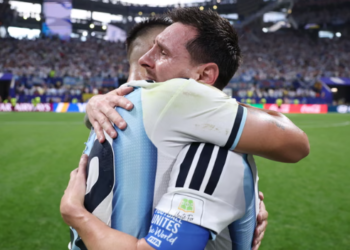 Messi’s Tears and Triumph in Epic World Cup Escape
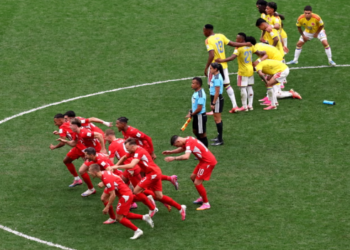 Switzerland Advance in Penalty Thriller
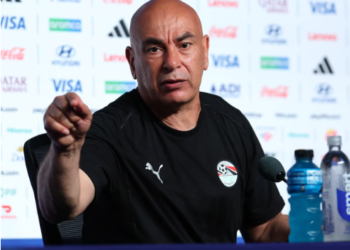 Egyptian Fury After Argentina World Cup Heartbreak
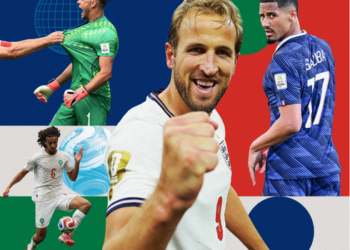 World Cup 2026 Power Rankings: England on the Rise
 Mbappé Brilliance Leads France Into Semi-Finals
 Belgium Draws Global Support Before Spain Showdown
 Haaland and Bellingham: A Dortmund Bond Tested
 World Cup Fever Set to Boost UK Economy by £500m
 Rice Poised for England Semi-Final Clash Against Argentina
 Tuchel Backs England Stars to Overcome Messi’s Argentina
 Sarr Double Sinks Young Liverpool in Carabao Cup
 Salah & Gravenberch Lead Liverpool to Win Against Villa
 Dyche Criticises Corner Decision as Forest Draw with United
 Granit Xhaka Rescue Earns Everton Draw at Sunderland
 Burn and Joelinton Head Newcastle to Victory Over Bilbao
 Tension and Turmoil at Aston Villa v Maccabi Match
 Bellingham has ‘the edge’ among England No 10s
 Man City Masterclass on Guardiola’s Milestone Day Exposes Liverpool Woes
 Lando Norris Dominates Brazil GP to Strengthen F1 Title Bid
 VAR Must Rein Its Neck In to Save Football’s Spirit
 Trescothick Hints Pope Will Keep Number Three Spot
 Mary Earps’s Manchester United Return Faces Mixed Reception
 Sam Kerr Stars in Chelsea Return with Champions League Double
 This kid is something else: Alex Scott’s rise to England call-up
 Former Lion Heskey Warns of Shortage of England Strikers
 Moyes Defends Gueye After Dramatic Everton Bust-Up
 Jac Morgan to Miss Six Nations Start After Surgery
 Alexander Isak ends drought as Liverpool stop rot with win at West Ham
 Stokes urges empathy for England players amid Ashes struggles
 Newcastle fans face bleak reality under Saudi ambitions
 BBC World Cup Presenting Duties Shared Among Trio
 John Terry Faces Backlash Over Political Posts
 Scott Parker Leaves Burnley After Premier League Drop
 Foden Commits Future to Man City Until 2030
 RFU Backs Borthwick Despite England’s Poor Six Nations
 De Zerbi Rallies Spurs To Fight Relegation Threat
 The Battle for Wembley Sparking Unprecedented Legal Warfare
 Tuchel Defends Tough England Squad Decisions
 Farewell to an Icon: Pep Guardiola to Exit Manchester City
 Captain in the Spotlight: The Future of England Cricket
 Williams Sisters Reunite for Wimbledon Icon Return
 Ben Stokes Retires: The End of an Extraordinary Era
 US Advance Past Bosnia in World Cup Thriller
 Taylor Swift and Travis Kelce Marry at Madison Square Garden
 Bryne Backs Haaland Before England World Cup Clash
 Spain’s Superstar Fan: Keyne Yamal Steals the Spotlight
 Lamine Yamal’s Birthday: Football, Fame, and France