Published: 30 April 2026. The English Chronicle Desk. The English Chronicle Online
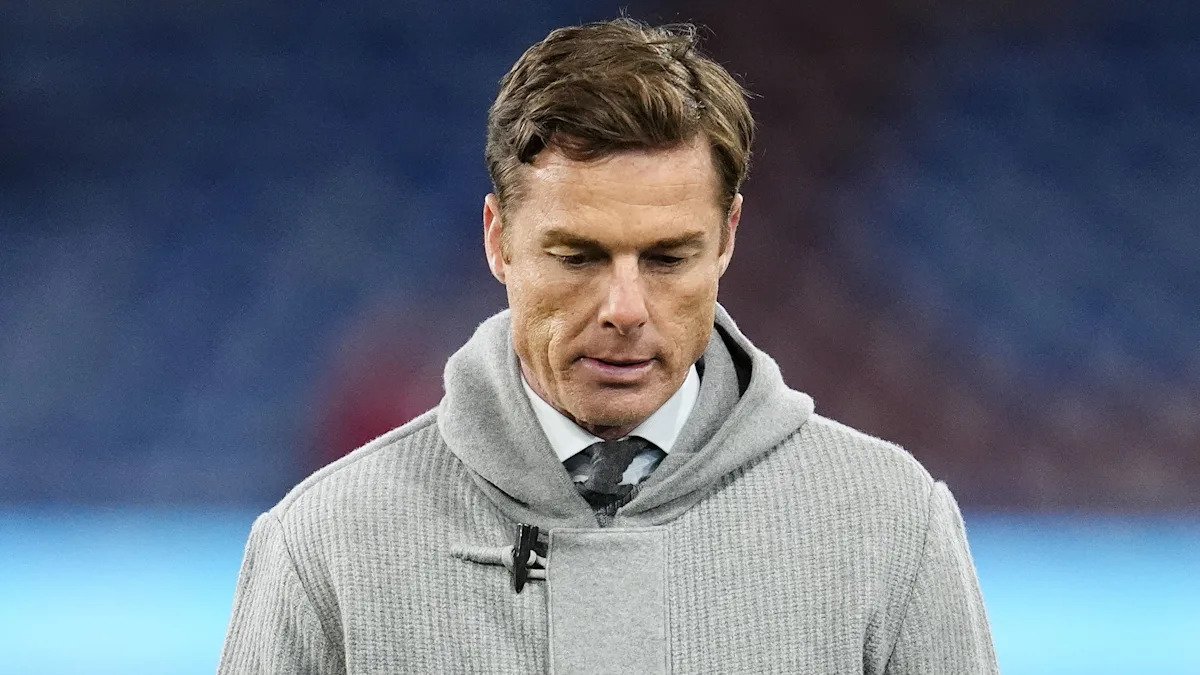
Scott Parker has left his role as manager of Burnley Football Club following the club’s relegation from the Premier League, bringing an abrupt end to a tenure that had only recently been marked by historic success. The decision, described by both parties as mutual, follows discussions between Parker and the club’s board, signalling a reset for Burnley as they prepare for life back in the Championship.
The departure comes less than a year after Parker guided Burnley to one of the most impressive promotion campaigns in recent English football history. During the 2024–25 Championship season, Burnley achieved a remarkable 31-match unbeaten run and recorded an extraordinary 30 clean sheets, establishing themselves as one of the most defensively resilient sides in the league. That campaign not only secured promotion but also raised expectations that the club could re-establish itself in the Premier League with stability and long-term planning.
However, the transition to the top flight proved far more challenging. Competing against financially stronger and more established Premier League clubs, Burnley struggled to maintain the defensive solidity and consistency that had defined their Championship success. A series of difficult results throughout the season ultimately led to relegation, prompting internal reflection within the club regarding its direction and leadership.

In an official statement, Burnley acknowledged Parker’s achievements while confirming the decision to part ways. The club praised his professionalism, dedication, and contribution, highlighting the historic nature of the previous season’s promotion campaign. Despite the disappointment of relegation, the tone of the statement reflected mutual respect rather than conflict, suggesting that both Parker and the board saw the decision as the most appropriate course of action moving forward.
Parker, who had one year remaining on his contract, departs with a managerial reputation that remains shaped by both success and challenge. Prior to his time at Burnley, he held managerial roles at Fulham and Bournemouth, experiencing both promotion and relegation during those tenures. His coaching philosophy, often centred on structured defensive organisation and controlled possession, has been credited with delivering strong performances in the Championship but has faced scrutiny in the Premier League, where tactical adaptability and squad depth are often decisive factors.
The situation at Burnley reflects a broader pattern seen among clubs moving between England’s top two divisions. While promotion from the Championship is a significant achievement, maintaining Premier League status requires not only tactical consistency but also substantial investment and squad reinforcement. For clubs like Burnley, balancing financial sustainability with competitive ambition remains a persistent challenge.
Parker’s departure also raises questions about Burnley’s long-term strategy. The club must now identify a new manager capable of guiding a rebuild while maintaining competitiveness in the Championship. The immediate objective will likely be a return to the Premier League, but achieving that goal will require careful planning, recruitment, and adaptation to the evolving demands of English football.
For Parker, the next step in his managerial career remains uncertain. At 45, he is still considered a relatively young coach with experience across multiple levels of the English game. His ability to deliver promotion-winning campaigns ensures he will remain an attractive option for clubs seeking to rebuild or achieve upward mobility. However, his future opportunities may depend on demonstrating the capacity to sustain success at the highest level.

The reaction from supporters has been mixed, reflecting the complexity of his tenure. While many fans recognise the achievements of the promotion season, others have expressed frustration at the club’s inability to remain competitive in the Premier League. This duality highlights the often short-term nature of football management, where success can quickly be overshadowed by subsequent results.
Burnley now faces a critical period as it prepares for the next phase of its journey. The club’s ability to respond effectively to relegation will play a key role in determining its future trajectory. Whether through immediate promotion or a longer-term rebuilding process, the decisions made in the coming months will shape Burnley’s position within English football for years to come.
Parker’s exit, while not unexpected given the circumstances, marks the end of a chapter defined by both remarkable achievement and difficult lessons. As Burnley looks ahead, the legacy of his record-breaking Championship campaign will remain a notable highlight, even as the club turns its focus toward recovery and renewed ambition.
Related News:
 Premier League drama defines crucial weekend
 De Zerbi Rallies Spurs To Fight Relegation Threat
 Farewell to an Icon: Pep Guardiola to Exit Manchester City
 Tottenham shine at Everton but Frank wary of title push
 Matty Cash seals Villa win as City falter again at Villa Park
 Sarr Double Sinks Young Liverpool in Carabao Cup
 Nwaneri and Saka Secure Arsenal Win Over Brighton
 Woltemade Hot Streak Fires Newcastle Past Spurs
 Kieffer Moore Hat-Trick Ends Coventry’s Unbeaten Run
 Salah & Gravenberch Lead Liverpool to Win Against Villa
 Dyche Criticises Corner Decision as Forest Draw with United
 Caicedo Shines as Chelsea Edge Spurs in Chaotic Derby
 Granit Xhaka Rescue Earns Everton Draw at Sunderland
 Liverpool Edge Real Madrid 1-0 in Champions League Thriller
 Van de Ven Stunner Lifts 10-Man Spurs to UCL Glory
 Burn and Joelinton Head Newcastle to Victory Over Bilbao
 Foden shines as Man City dismantle Dortmund in dominant display
 Garnacho Spares Chelsea From Shock Champions League Loss in Baku
 Tension and Turmoil at Aston Villa v Maccabi Match
 Bellingham has ‘the edge’ among England No 10s
Man City Masterclass on Guardiola’s Milestone Day Exposes Liverpool Woes
Bellingham has ‘the edge’ among England No 10s
Man City Masterclass on Guardiola’s Milestone Day Exposes Liverpool Woes
 Lando Norris Dominates Brazil GP to Strengthen F1 Title Bid
 England cannot afford to be in awe of the All Blacks, warns Jamie George
 VAR Must Rein Its Neck In to Save Football’s Spirit
 Trescothick Hints Pope Will Keep Number Three Spot
 Ronaldo Confirms Final World Cup and Plans Retirement
 Mary Earps’s Manchester United Return Faces Mixed Reception
 Sam Kerr Stars in Chelsea Return with Champions League Double
 This kid is something else: Alex Scott’s rise to England call-up
 Former Lion Heskey Warns of Shortage of England Strikers
 Moyes Defends Gueye After Dramatic Everton Bust-Up
 Gerrard warns Liverpool’s terrible run could worsen
 Jac Morgan to Miss Six Nations Start After Surgery
 Alexander Isak ends drought as Liverpool stop rot with win at West Ham
 Mbappe rescues Real Madrid with a penalty at Girona
 Stokes urges empathy for England players amid Ashes struggles
 Sports piracy surges in UK with 3.6bn illegal streams reported
 Chelsea fans inquiry launched after Charlton match policing concerns
 Arsenal vs Man Utd LIVE: Jesus Starts as Carrick Stays Loyal
 Arsenal Edge Closer to Ending ‘Nearly-Men’ Era After Cup Breakthrough
 Newcastle fans face bleak reality under Saudi ambitions
 Arsenal blow lead as Arteta rues Wolves draw
 BBC World Cup Presenting Duties Shared Among Trio
 Steve Borthwick Turns to 2003 Icons for Inspiration
 Romero Vows Fight as Spurs Face Relegation Threat
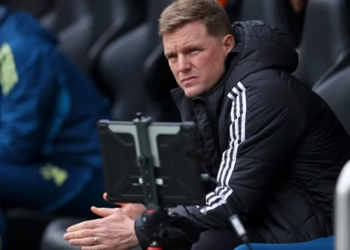 Eddie Howe Faces Seven Game Test to Secure Newcastle Future
 Christian Pulisic Grapples With Unfamiliar Scoring Drought
 Maguire Commits Future to Manchester United with New Deal
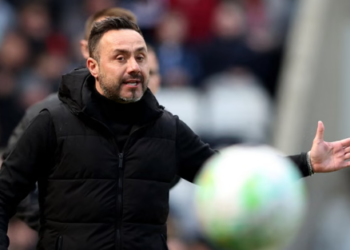 Can De Zerbi Restore Belief to Save Spurs From the Drop?
 Premier League Clubs Tense Over Regulator Costs
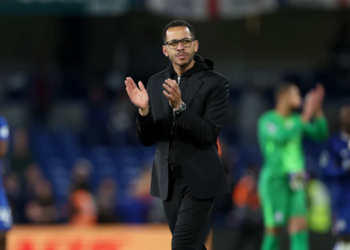 Liam Rosenior Faces Mounting Pressure at Chelsea
 Can Arteta Finally Lead Arsenal to Glory Again?
 John Terry Faces Backlash Over Political Posts
 North Korean Women’s Football Club to Visit Seoul in Rare Cross-Border Trip
 Foden Commits Future to Man City Until 2030
 Rugby Faces Crisis Over Referee Row Culture
 World Cup Ticket Price Surge Leaves Many National Teams Stunned
 Southampton Face Misconduct Charge Amid Spying Claims
 Guardiola Urges Mastery Over Random Refereeing Decisions
 Arteta Reinvents Emirates Stadium Into Football Fortress
 Bracing for the Cherries: Guardiola Likens Vital Bournemouth Trip to the Dentist
 Champions at Last: Arsenal Conquer the Premier League
 Southampton Face Player Legal Action Over Playoff Scandal
 The Battle for Wembley Sparking Unprecedented Legal Warfare
 Carrick Takes The Wheel Permanently At Old Trafford
 Tuchel Defends Tough England Squad Decisions
 Guardiola to Leave Man City After Historic Era
 Bernardo Silva Leaves Manchester City After Iconic Era
 Premier League Icons: Stars of the 2025-26 Season
 João Palhinha Eyes Permanent Tottenham Stay After Survival
 Huddersfield Giants Face Fight to Save Super League Status Amid Stadium Crisis
 Safeguarding Probe Limits West Ham Owner’s Role
 England Cruise Past Costa Rica as World Cup Warm-Up Sharpens Tuchel’s Vision
 Inside the Three Lions: Bellingham Reveals Euro 2024 Flaws
 Blackpool Cricket Stands Firm Amid County Struggles
 New Premier League Fixtures Set Stage for Thrilling Season
 Declan Rice Facing Burnout as Tuchel Confronts Midfield Crisis
 Morocco Beat Dutch in Wild World Cup Penalty Drama
 Ben Stokes Retires: The End of an Extraordinary Era
 The Last Stand of English Cricket’s Greatest Partners