Published: 22 May 2026 | The English Chronicle Desk | The English Chronicle Online
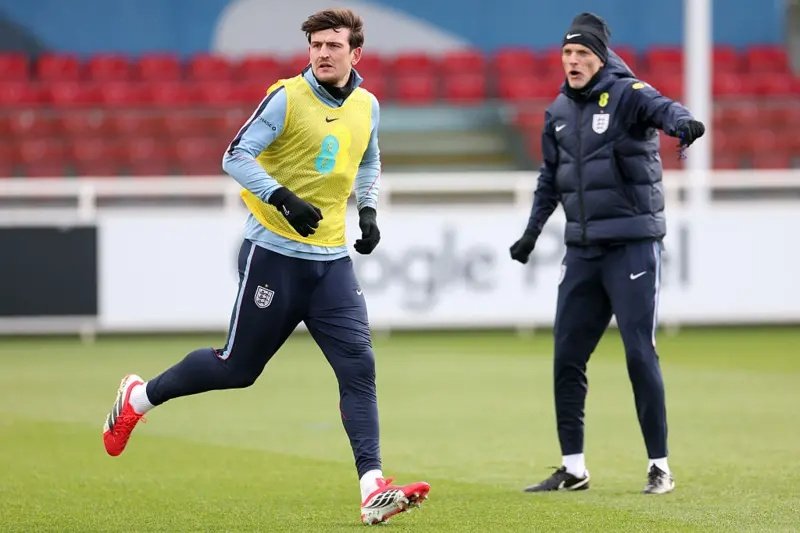
Thomas Tuchel has defended his controversial England squad selections ahead of this summer’s international campaign, insisting his responsibility is not necessarily to pick the “26 most talented players” but rather the right combination capable of functioning as a unified and balanced team under tournament pressure.
Speaking during a detailed media briefing on Friday morning, the England manager addressed growing debate surrounding several high-profile omissions from the national squad, including the absence of Harry Maguire, while also explaining the surprise recall of Ivan Toney.
The German coach appeared calm but firm throughout the session, making clear that difficult choices are unavoidable when assembling a tournament squad filled with elite-level talent across nearly every position. His comments arrive amid increasing scrutiny from supporters and pundits who have questioned whether some of England’s most experienced and technically gifted players were unfairly overlooked.
Tuchel admitted he understood the disappointment felt by Maguire after the defender publicly reacted to his omission from the England setup. The Manchester United centre-back had released a statement expressing frustration after failing to secure a place in the squad despite what many observers considered one of his strongest club seasons in recent years.

Responding directly to the controversy, Tuchel acknowledged that Maguire had performed at a high level throughout the campaign and said he respected both the defender’s quality and personality. However, he also revealed he was “a bit surprised” by the public nature of Maguire’s comments because the pair had already held a private conversation regarding the decision before the squad announcement was made.
According to Tuchel, the decision ultimately centred around continuity within the defensive unit that had carried England through previous international windows. He stressed that several defenders currently in the squad had become part of an emerging leadership group within the camp, helping establish standards and responsibility during recent months.
The England manager’s remarks highlighted what appears to be a major theme of his leadership approach: prioritising chemistry, tactical structure, and defined squad roles above individual status or reputation. Tuchel repeatedly emphasised that successful tournament football depends on balance and collective identity rather than simply gathering the biggest names available.
He explained that every selection meeting involved painful discussions and lengthy deliberations, sometimes lasting weeks or even months. Yet he insisted clarity is essential, particularly before major tournaments where uncertainty can damage morale and disrupt preparation.
Tuchel argued that leaving out talented players does not necessarily mean those individuals have failed or performed poorly. In many cases, he suggested, omissions are simply the consequence of positional competition and tactical requirements. England’s growing depth, especially in attacking and defensive positions, has created fierce competition for limited places.
The former Chelsea F.C. and Bayern Munich manager noted that if he had selected several omitted stars, other major names would inevitably have missed out instead. From his perspective, criticism surrounding squad selection is an unavoidable part of international management.
Tuchel’s comments appeared designed not only to defend individual decisions but also to reinforce authority within the dressing room. He repeatedly referred to the importance of giving players clear tactical responsibilities rather than shifting footballers into unfamiliar roles simply to accommodate star names.
That philosophy may partly explain the unexpected inclusion of Ivan Toney, whose return to the England fold surprised many supporters and analysts. Toney has remained outside the spotlight for long periods recently, yet Tuchel revealed the striker had gradually moved back into consideration after multiple internal discussions and scouting assessments.
The England boss disclosed that he received exceptionally positive feedback from Toney’s club manager, whom Tuchel described as a former player with whom he maintains a close relationship. Those reports reportedly highlighted the striker’s professionalism, physical condition, and continued effectiveness in front of goal.
Tuchel said England’s coaching staff were particularly impressed by Toney’s ability to offer something tactically different within the squad. While acknowledging Harry Kane remains England’s undisputed first-choice striker, Tuchel believes Toney possesses attributes that could prove decisive in difficult tournament situations.
He described Toney as a natural penalty-box presence capable of occupying defenders, creating space for teammates, and offering a powerful aerial threat during attacking phases. The England manager also highlighted the striker’s strength in set-piece situations and praised his ability to use his body effectively against defenders.
Perhaps most significantly, Tuchel pointed to Toney’s outstanding penalty-taking record as a major factor behind his selection. In tournament football, where knockout matches are often decided through penalty shootouts, the value of reliable spot-kick specialists can become crucial.
The manager’s explanation suggests England’s squad has been constructed with specific tactical scenarios in mind rather than purely on overall talent rankings. Tuchel repeatedly referenced the importance of selecting players who fulfil precise functions within the group.
His comments may also indicate a broader shift in England’s football culture. Previous national team managers were frequently criticised for attempting to squeeze too many attacking stars into the same starting line-up, often at the expense of balance and structure. Tuchel appears determined to avoid repeating those mistakes.
The pressure surrounding England remains enormous as expectations continue to rise following several deep tournament runs in recent years. Supporters are increasingly desperate for international silverware after decades of near misses and disappointment. Tuchel’s appointment was widely viewed as a signal that the Football Association wanted an experienced tactician capable of guiding England through the final stages of major competitions.
Since taking charge, Tuchel has attempted to establish a more disciplined and tactically flexible identity while also strengthening leadership within the dressing room. His latest squad decisions appear consistent with that approach, even if they have generated controversy outside the camp.
Reaction from supporters has been mixed. Some fans believe Maguire’s experience and leadership should have guaranteed his inclusion, particularly given England’s occasional defensive vulnerabilities in recent tournaments. Others, however, have praised Tuchel for making bold and independent decisions rather than relying solely on established reputations.

The inclusion of Toney has similarly divided opinion. While many supporters recognise his physical qualities and finishing ability, others remain surprised that he was preferred over younger attacking options who enjoyed stronger domestic seasons.
Nevertheless, Tuchel’s press conference demonstrated a manager determined to project confidence and conviction. He repeatedly stressed that he fully believes in the group he has assembled and insisted the squad possesses the right mentality and balance to compete at the highest level.
As England continue preparations for the upcoming international fixtures, attention will now turn from selection debates toward performances on the pitch. Yet Tuchel’s comments have already revealed much about the standards, discipline, and tactical clarity he expects from his players.
For now, the England manager appears willing to accept criticism if it means building what he believes is the strongest possible collective unit rather than simply selecting the nation’s biggest names. Whether that philosophy ultimately delivers success may define the next chapter of England’s long search for international glory.
Related News:
 Tottenham shine at Everton but Frank wary of title push
 Matty Cash seals Villa win as City falter again at Villa Park
 Sarr Double Sinks Young Liverpool in Carabao Cup
 Nwaneri and Saka Secure Arsenal Win Over Brighton
 Woltemade Hot Streak Fires Newcastle Past Spurs
 Kieffer Moore Hat-Trick Ends Coventry’s Unbeaten Run
 Salah & Gravenberch Lead Liverpool to Win Against Villa
 Dyche Criticises Corner Decision as Forest Draw with United
 Caicedo Shines as Chelsea Edge Spurs in Chaotic Derby
 Granit Xhaka Rescue Earns Everton Draw at Sunderland
 Liverpool Edge Real Madrid 1-0 in Champions League Thriller
 Van de Ven Stunner Lifts 10-Man Spurs to UCL Glory
 Merino Shines as Arsenal Beat Slavia 3-0 Without Gyokeres
 Burn and Joelinton Head Newcastle to Victory Over Bilbao
 Foden shines as Man City dismantle Dortmund in dominant display
 Garnacho Spares Chelsea From Shock Champions League Loss in Baku
 Tension and Turmoil at Aston Villa v Maccabi Match
 Bellingham has ‘the edge’ among England No 10s
 Arteta Left Frustrated as Sunderland Deny Arsenal Late Win
Chelsea Cruise Past Wolves to Go Second in the Premier League
Man City Masterclass on Guardiola’s Milestone Day Exposes Liverpool Woes
Arteta Left Frustrated as Sunderland Deny Arsenal Late Win
Chelsea Cruise Past Wolves to Go Second in the Premier League
Man City Masterclass on Guardiola’s Milestone Day Exposes Liverpool Woes
 Lando Norris Dominates Brazil GP to Strengthen F1 Title Bid
 England cannot afford to be in awe of the All Blacks, warns Jamie George
 VAR Must Rein Its Neck In to Save Football’s Spirit
 Trescothick Hints Pope Will Keep Number Three Spot
 Ronaldo Confirms Final World Cup and Plans Retirement
 Mary Earps’s Manchester United Return Faces Mixed Reception
 Sam Kerr Stars in Chelsea Return with Champions League Double
 This kid is something else: Alex Scott’s rise to England call-up
 Anthony Joshua Faces Backlash Over Proposed Jake Paul Fight
 Former Lion Heskey Warns of Shortage of England Strikers
 Rogers Double Aston Villa as Leeds Slip Deeper into Trouble
 Moyes Defends Gueye After Dramatic Everton Bust-Up
 Rookie Driver Hollie McRae Flips Car but Walks Away Safe
 Gerrard warns Liverpool’s terrible run could worsen
 Jac Morgan to Miss Six Nations Start After Surgery
 Alexander Isak ends drought as Liverpool stop rot with win at West Ham
 Mbappe rescues Real Madrid with a penalty at Girona
 Wales hits 20,000-strong milestone in women’s football
 Stokes urges empathy for England players amid Ashes struggles
 Sports piracy surges in UK with 3.6bn illegal streams reported
 Chelsea fans inquiry launched after Charlton match policing concerns
 Arsenal vs Man Utd LIVE: Jesus Starts as Carrick Stays Loyal
 Arsenal Edge Closer to Ending ‘Nearly-Men’ Era After Cup Breakthrough
 Newcastle fans face bleak reality under Saudi ambitions
 Hugo Ekitike Becomes Liverpool’s New Cult Hero
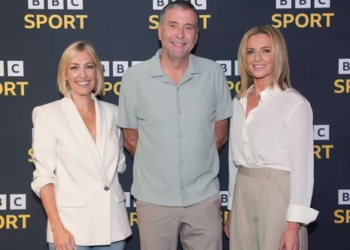 BBC World Cup Presenting Duties Shared Among Trio
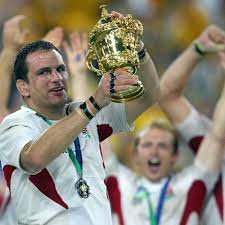 Steve Borthwick Turns to 2003 Icons for Inspiration
 British Success at the Isle of Wight Masters Chess
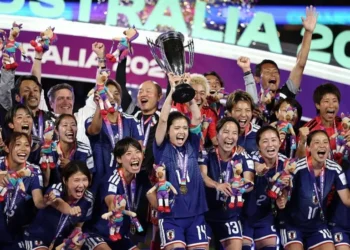 Japan Triumphs 1-0 Over Australia to Claim Women’s Asian Cup
 Romero Vows Fight as Spurs Face Relegation Threat
 Middlesex Icons Launch Bold Revolt Against Club Leadership
 Farke’s Leeds revival: from pressure to FA Cup glory chase
 John Terry Faces Backlash Over Political Posts
 Scott Parker Leaves Burnley After Premier League Drop
 Premier League drama defines crucial weekend
 Foden Commits Future to Man City Until 2030
 Rugby Faces Crisis Over Referee Row Culture
 RFU Backs Borthwick Despite England’s Poor Six Nations
 World Cup Ticket Price Surge Leaves Many National Teams Stunned
 Southampton Face Misconduct Charge Amid Spying Claims
 From Grassroots to Stamford Bridge: The Rise of McFarlane
 Aaron Rai Triumphs in Thrilling PGA Championship Finish
 De Zerbi Rallies Spurs To Fight Relegation Threat
 Southampton Face Player Legal Action Over Playoff Scandal
 The Battle for Wembley Sparking Unprecedented Legal Warfare
 Guardiola to Leave Man City After Historic Era
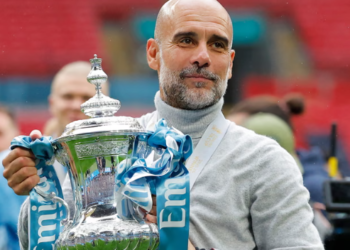 Farewell to an Icon: Pep Guardiola to Exit Manchester City
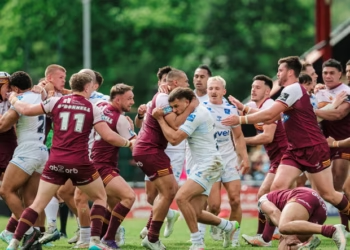 Huddersfield Giants Face Fight to Save Super League Status Amid Stadium Crisis
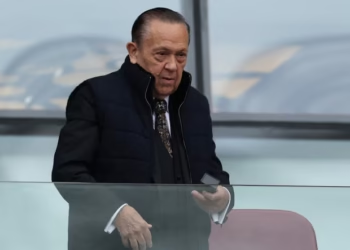 Safeguarding Probe Limits West Ham Owner’s Role
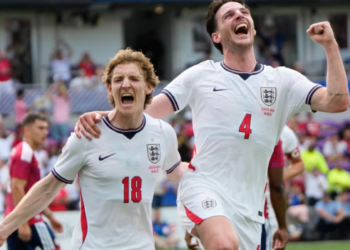 England Cruise Past Costa Rica as World Cup Warm-Up Sharpens Tuchel’s Vision
 Inside the Three Lions: Bellingham Reveals Euro 2024 Flaws
 Blackpool Cricket Stands Firm Amid County Struggles
 Declan Rice Facing Burnout as Tuchel Confronts Midfield Crisis
 Ben Stokes Was Fallible But That Made Him Our Champion
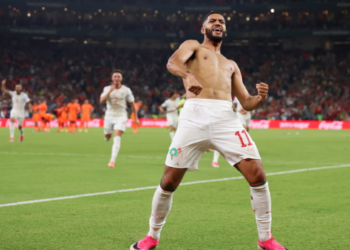 Morocco Beat Dutch in Wild World Cup Penalty Drama
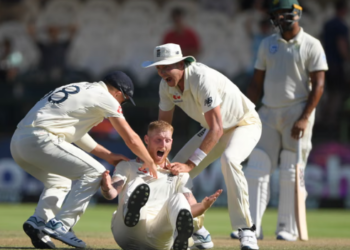 Ben Stokes Retires: The End of an Extraordinary Era
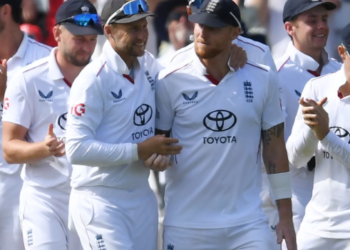 The Last Stand of English Cricket’s Greatest Partners
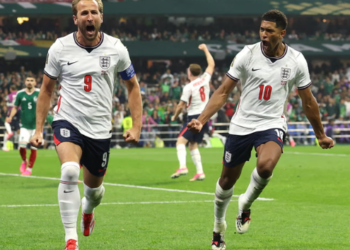 England’s 10 Men Hold Firm in World Cup Thriller
 World Cup Fever Set to Boost UK Economy by £500m