
Published: 27 July 2026 | The English Chronicle Desk | The English Chronicle Online
Jewish students at universities across the United Kingdom have described experiencing what they call a “relentless” rise in antisemitism on campus, with some saying that incidents of hostility, exclusion and intimidation have affected their sense of safety and belonging during their studies.
The experiences shared by students highlight growing concerns about how universities respond to allegations of antisemitism, particularly during periods of heightened political tension linked to conflicts in the Middle East.
Students who spoke about their experiences said that university life, which they expected to be a place of intellectual debate and diversity, has at times become a source of anxiety and isolation because of their Jewish identity.

They described facing difficult conversations, social tensions and incidents that they felt crossed the line from political disagreement into antisemitic behaviour.
Jewish community organisations and university representatives have emphasised that criticism of governments and political movements is not the same as hatred toward Jewish people. However, they have warned that political debates can sometimes lead to the spread of harmful stereotypes, harassment or discrimination against Jewish students.
For many Jewish students, the challenge has been distinguishing between legitimate political discussion and comments or actions that make them feel targeted because of their identity.
Several students said they had become more cautious about openly identifying as Jewish on campus.
Some reported changing how they interacted socially, avoiding certain events or feeling uncomfortable displaying symbols connected to their faith.
They said that experiences of antisemitism were not always direct or openly expressed but could appear through comments, online discussions, social media posts or social situations where they felt excluded.
One student described the atmosphere as exhausting, saying that repeated incidents created a feeling of constant pressure rather than isolated moments of discomfort.
Concerns about antisemitism on university campuses have increased internationally in recent years, with Jewish student groups reporting a rise in complaints following major geopolitical events.
Universities have faced the challenge of protecting freedom of expression while also ensuring that students are not subjected to discrimination or harassment.
Academic institutions traditionally encourage debate on controversial issues, including politics and international affairs. However, universities also have legal responsibilities to provide environments where students from all backgrounds can study safely.
The tension between these responsibilities has created difficult discussions about how institutions should respond when political activism becomes connected to questions of identity, religion or ethnicity.
Jewish students have said that some campus debates have made them feel that their concerns are dismissed or treated as politically motivated rather than recognised as experiences of discrimination.
They argue that universities need to ensure that concerns raised by Jewish students receive the same attention and seriousness as complaints from other minority communities.
Student organisations representing Jewish communities have called for stronger action, including better reporting systems, clearer definitions of antisemitic behaviour and improved training for university staff.
They say that students should not have to choose between participating fully in university life and protecting themselves from hostility.
Universities across the UK have introduced various measures aimed at addressing discrimination, including equality policies, awareness programmes and partnerships with student groups.
Many institutions have also adopted internationally recognised definitions of antisemitism as guidance for identifying and responding to incidents.
However, debates continue over how these frameworks should be applied while preserving academic freedom and open discussion.
Some academics and student campaigners have raised concerns that efforts to tackle antisemitism should not restrict legitimate criticism of governments or political ideologies.
They argue that universities must remain spaces where difficult conversations can take place.
Jewish students, however, stress that opposing antisemitism does not mean preventing political debate.
They say the issue is not criticism itself but the point at which criticism becomes directed at Jewish people collectively, reinforces stereotypes or creates an unsafe environment.
The distinction between political expression and discrimination has become one of the central challenges facing universities.
University leaders have repeatedly stated that they support free speech but will not tolerate harassment or hate speech directed at students because of their religion, ethnicity or background.
They have encouraged students experiencing antisemitism to report incidents through official channels.
However, some Jewish students say they are reluctant to report incidents because they fear not being believed, facing backlash or becoming involved in lengthy procedures.
Supporters of stronger action argue that universities must make reporting processes simpler and demonstrate that complaints lead to meaningful responses.
The issue has also attracted attention from politicians and community leaders.
Government officials have expressed concern about antisemitism and other forms of hate affecting students, while Jewish organisations have urged educational institutions to take proactive steps to protect Jewish communities.
At the same time, universities have faced pressure from different groups over their handling of political demonstrations, campus activism and debates surrounding international conflicts.
The wider discussion reflects broader questions about identity, discrimination and freedom of expression in modern universities.
For many Jewish students, the issue is deeply personal.
They say that university should be a place where they can explore ideas, build friendships and develop academically without feeling that their identity makes them a target.
Some students have described feeling emotionally drained by having to repeatedly explain why certain comments or behaviours are harmful.
Others have spoken about the importance of solidarity and support from classmates, lecturers and university communities.
They say that positive experiences with friends and allies can help counter feelings of isolation.
Jewish student societies have played an important role in providing support networks, organising cultural events and creating spaces where students can discuss their experiences.
Members say these communities offer reassurance during difficult periods and help students maintain a connection to their identity.

As universities continue addressing concerns about antisemitism, experts say the solution requires both institutional action and broader cultural understanding.
They argue that combating hatred involves education, awareness and meaningful engagement rather than only responding after incidents occur.
The experiences shared by Jewish students demonstrate the complexity of creating inclusive university environments where both free expression and personal safety are protected.
For those who say antisemitism has become a persistent part of campus life, the priority is ensuring that universities recognise the seriousness of their experiences and take effective action.
They hope that future generations of students will be able to participate fully in university life without fear, discrimination or pressure to hide who they are.
Related News:
 Britain’s Special Needs Spending Crisis Will Be Labour’s Ruin
 Schools in England to Get Budget for Children with Special Needs as Part of SEND Overhaul
 ‘Teenage Me Could Not Have Imagined This’ Says First Female Archbishop
 NHS Safety Fears as Nurses Cover Doctor Gaps
 Prince George Set to Begin Studies at Eton This September
 University of Edinburgh Lecturers Launch Five-Day Strike Amid £140m Budget Cuts
 It Changed My View’: Campaign Encourages Pupils in Deprived Areas to Consider University
 UK Universities Warn Students Ahead of 7 October Pro-Palestine Protests
 Oxford Union president-elect ousted following Charlie Kirk scandal
 The debate over England’s compulsory reading test for 13-year-olds
 England’s Special Needs Support Faces Breaking Point
 UK Ministers Drop Foreign Student Targets for Global Education Push
 The Victorian aristocrat who became Britain’s first Muslim lord
 Teacher Who Lied About Cambridge Degree Banned From Profession
 Last‑ditch Call to Save Police Front Counters in London
 ‘Don’t Make Us Security Guards,’ Says Teacher Stabbed by Pupil
 Tories Would Scrap ‘Debt Trap’ of High‑Interest Student Loans, Says Kemi Badenoch
 Sadistic Pair Jailed for Blowing Up Sheep
 Will the New SEND Reforms in England Work? You Have Your Say
 MPs Backed by Phillipson as She Defends Student Loan Change; Average Repayments to Rise by £8 a Month
 Yorkshire School Issues Warning Over Social Media Trend Targeting Pupils
 Manchester Students Mourn Ayatollah Amid Protest
 Labour Faces Backlash Over Conscription Warning
 SNP Health Secretary Criticised Over NHS Failures Locally
 Scotland Combines Alcohol and Drug Strategy to Cut Addiction Deaths
 Scots Head Teacher Pays Tribute to Teen Who Died in Car Fire
 Jobless Man on £15k Benefits Accused of Hurling Abuse at Anti-Migrant Demo
 Church Attendance Report Pulled After Fraudulent Responses
 US Lawmaker Demands Testimony Over Sarah Ferguson’s ‘Close Epstein Ties’
 The Last of the Lords: Two Hereditary Peers to Retain Ceremonial Roles Amid Historic Ousting
 ‘My Daughter is Under the Rubble’: The Human Cost of the Tehran Strikes
 ‘No Surprise’: Ramaphosa Downplays South Africa’s Exclusion from Emergency G7 Summit
 ‘Eye in the Sky’ Blinded: Photos Reveal Destroyed US Radar Jet at Saudi Base
 ‘Full and Immediate Access’: Netanyahu Reverses Palm Sunday Ban on Latin Patriarch
 Schools Lack Staff to Make SEND Reforms Work, Union Warns
 How the King Became the Jewish Community’s Greatest Ally
 No, the RNLI is Not a ‘Taxi Service’ for Migrants – I Would Know
 Pope Leo Urges Peace in First Easter Mass Address
 ‘Locked Away’: Calls Grow for Automatic Release of Child Trust Funds at 21
 The Pre-School Lottery: Families Left in ‘Holding Pattern’ as Local Places Vanish
 Faith and Friction: Church Officer Branded a ‘Satanist’ After Flagging Safeguarding Risks
 Mediterranean Spirit in the Met: London’s Moroccan Jews Celebrate Mimouna
 Campus Lockdown: School Shuts Following ‘Serious Incident’ in Local Area
 Youth in Crisis: ‘Seismic’ Rise in Children as Young as 10 Carrying Weapons
 MoD Has Lost Track of Veteran Recall List, Says Adviser
 Canadian astronaut French words ease language row
 The Kindness of Strangers: A Final Farewell for Peggy Murdoch
 “Jobs Will Go”: Rishi Sunak Warns AI is Already Eroding Entry-Level Opportunities
 Reform UK funding: mystery billionaire revealed
 A Nation in Flux: UK Healthy Life Expectancy Plummets to Record Lows
 “We Are Shielding Them”: UK Families Face £11 Billion Hit as Iran War Bills Surge
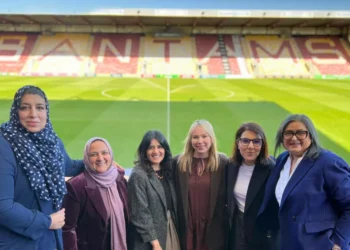 Breaking the “Glass Turnstile”: Bradford City Leads Charge for Greater Gender Diversity
 “A Pint-Sized Crisis”: Publicans Warn of Industry ‘Carnage’ as Energy and Tax Hikes Loom
 The “Charles Charm” Offensive: Did the Royals Find Their Mojo in D.C.?
 John Terry Faces Backlash Over Political Posts
 Reality Check on Reform: Minister Says Outright Abolition of Leasehold “Impossible”
 A “Breaking Point” for Britain: Terror Adviser Warns Antisemitism is Now a National Security Emergency
 The “Dry” Life: Teens Trialing Social Media Bans Call Initial Disconnection “Boring” and “Dry”
 “Invisible Agony”: 98-Year-Old Woman Left in “Severe Pain” for Days Amidst Care Backlog
 The “Time Tax” of Memory: Why Dementia Care is the Ultimate Test of UK Resilience
 The “Dementia Deficit”: Why 2026 is the Breaking Point for UK Social Care
 “Not a Game Show”: Sir John Major Slams the “Projected Career” Culture of Modern No. 10
 UK may ban protests amid rising antisemitism fears
 Tractor Breakdown Tests Lincolnshire Farmers
 Labour Members Turn Against Starmer Leadership
 Father’s diaries reveal doubts over Hawking
 Farage and Reform UK Reshape British Politics
 Starmer Leadership Under Pressure After Setbacks
 Royal Navy Mourns Devastating Helicopter Loss
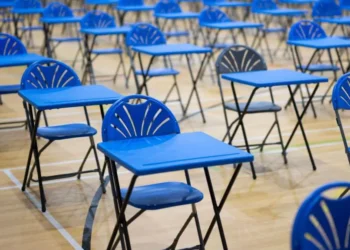 Regulator Reviews ‘Overwhelming’ Maths Exam
 M&S Launches Traineeship for 1,000 Young People
 Signs of Recovery Emerging for Young People
 “Without Housing Help I Could Not Do My Dream Job”
 Starmer Set to Unveil New Social Media Limits for Children
 University Scrapping Black Studies MA Sparks Debate Over Academic Freedom and US Parallels
 British Teens in EU Face Soaring UK University Fees
 Buckingham Palace Confirms Harry Will Not Stay There
 Parents Fundraise to Cool Overheated School Classrooms
 Dreyfus Statue Finally Gets Permanent Paris Home
 Three-Quarters of England’s Riverbanks Still Off Limits