Published: 27 July 2026 | The English Chronicle Desk | The English Chronicle Online
A family grieving the loss of a loved one has described being left “broken” after discovering that a funeral director allegedly lied about carrying out a burial, adding further pain to an already devastating period of mourning.
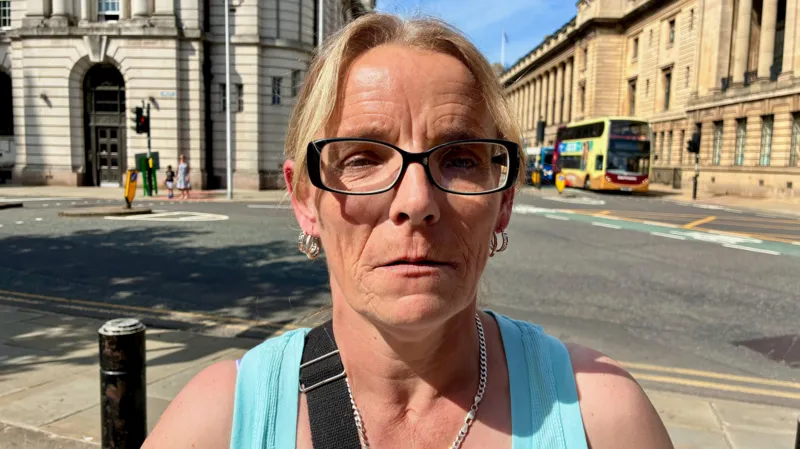
The victim said the funeral boss’s actions caused unimaginable emotional distress, turning a moment that should have provided closure into a prolonged period of shock, confusion and heartbreak.
The case has raised serious questions about trust, accountability and the responsibilities of funeral service providers, who are relied upon by families during some of the most vulnerable moments of their lives.
Funeral directors are expected to provide professional, compassionate support while handling sensitive arrangements with dignity and respect. For grieving families, the belief that their loved one has been properly cared for after death is an essential part of the mourning process.
The victim said that trust was shattered after learning that the promises made by the funeral business had allegedly not been fulfilled.

According to the allegations, the funeral director falsely claimed that the deceased person had been buried, leaving the family believing that they had been able to say goodbye and begin the grieving process.
The discovery that this may not have happened caused additional trauma, with the victim describing the experience as emotionally devastating.
Families dealing with bereavement often rely heavily on funeral professionals because they are handling arrangements at a time when people may be struggling with grief, stress and emotional exhaustion.
The funeral process carries deep personal and cultural significance. For many people, a burial or cremation ceremony represents a final opportunity to honour a loved one, say farewell and find some sense of acceptance after a loss.
When that trust is damaged, the emotional consequences can be severe.
The victim said the situation had left them feeling betrayed and unable to properly grieve.
The case has also highlighted concerns about the regulation of funeral services and the need for stronger protections for families using funeral providers.
Unlike many other industries, funeral businesses operate in a particularly sensitive area where customers often have little time to research services or compare providers. Decisions are frequently made during periods of intense emotional pressure, making honesty and professionalism especially important.
Consumer protection experts have previously warned that families should be able to expect clear communication, accurate information and respectful treatment from funeral companies.
Allegations involving misconduct by funeral professionals can have a significant impact because they challenge one of the most important elements of the grieving process: confidence that a loved one has been treated with dignity.
The funeral director at the centre of the case has faced legal action following accusations connected to the handling of the burial arrangements.
The court process is expected to examine the evidence surrounding the claims, including communications between the funeral business and the family, records relating to arrangements and the circumstances that led to the discovery of the alleged deception.
As with any criminal case, allegations must be proven through legal proceedings, and the accused person is entitled to a fair trial.
However, the emotional impact on the family has already been significant.
The victim said they had struggled to understand how someone responsible for caring for grieving families could allegedly cause such distress.
They described the experience as a second trauma following the original loss, saying that instead of being able to focus on remembering their loved one, they were forced to deal with uncertainty and anger.
Bereavement specialists say situations involving uncertainty after death can complicate the grieving process.
When families are unable to complete traditional mourning rituals or feel that they have been denied the chance to say goodbye properly, it can create additional emotional difficulties.
Psychologists explain that rituals surrounding death often help people process loss by providing structure, support and a sense of closure.
Disrupting those rituals can leave families feeling confused and powerless.
The case has prompted wider discussion about the importance of oversight within the funeral industry.
Many funeral directors provide compassionate and professional services, supporting families with care and sensitivity. Industry representatives have stressed that isolated cases of alleged misconduct should not undermine trust in the many professionals who work responsibly.
However, experts say incidents involving serious breaches of trust demonstrate why strong standards, transparency and accountability are essential.
Some campaigners have called for improved monitoring of funeral businesses, clearer information for consumers and stronger enforcement against companies that fail to meet professional obligations.
They argue that families experiencing grief should not have to worry about whether funeral arrangements are being handled honestly.
The victim’s account has also highlighted the lasting emotional effects of the alleged actions.
While financial compensation or legal consequences may address some aspects of the case, the emotional harm caused by a loss of trust can be much harder to repair.
The family had expected a respectful farewell but instead found themselves dealing with questions and uncertainty.
Support groups for bereaved families say experiences like this can make people feel isolated, particularly when they are already coping with the death of someone close.
They encourage people affected by similar situations to seek emotional support and report concerns to relevant authorities.
The funeral industry plays a crucial role in society, helping communities navigate one of life’s most difficult experiences.
Because of this responsibility, professionals working in the sector are held to high expectations of honesty, compassion and respect.

The allegations in this case serve as a reminder of the vulnerability of grieving families and the importance of ensuring that their trust is protected.
For the victim, the consequences extend far beyond the legal proceedings.
The pain of losing a loved one was compounded by the belief that they had been misled during a moment when they needed support most.
As the case continues, the family hopes that the truth will be established and that lessons will be learned to prevent other families from experiencing similar distress.
The incident has become a powerful reminder that funeral services are not simply about arrangements and procedures — they are about dignity, memories and giving people the opportunity to say goodbye.
For those facing loss, that trust is invaluable. When it is broken, the emotional damage can last long after the funeral itself.
Related News:
 Undercover officer deceived women with ‘grotesque and cruel’ lies, spycops inquiry told
 Police Suspect Help in Missing Alice Springs Girl Case
 Barrister Criticises Trial After Suicide Case Verdict
 Victim says non-custodial rape sentence ‘rock in my face’
 Teen Charged After Layla Jeffery Found Dead
 Badenoch Warns Farage’s Grooming Gangs Plan Could Backfire
 Five More Prisoners Freed by Mistake in Essex Week
 Afghan man charged with murder after west London knife attack
 Police Probe Four Knife Incidents Linked to Cambridgeshire Train Attack
 French Taxi Driver Cleared in David Lammy Theft Case After Fare Dispute
 Just Stop Oil Protesters Convicted Amid Climate Defence Row
 South Korea’s Jeju Island Faces Rising Tide of Illicit Drugs
 Oklahoma Governor Grants Last-Minute Clemency to Death Row Inmate
 Rio Raid’s Death Toll Raises Questions About Gang Impact
 Delhi Car Bomb Arrest: Suspect Linked to Deadly Attack
 Paralegal Fired After Exposé on Illegal Worker Scam
 Charlotte Raids: 130 Arrested in Major Immigration Sweep
 South African Detained After Neo-Nazi Rally in Australia
 Serial Rapist and Former Cop Found Guilty Again
 Man Charged Over Attempted Murder of Senior Officer
 Two Officers Injured After Van Deliberately Rams Patrol Car
 Man Denies Stealing Bronze Age Gold from Museum
 Runaway Driver Caught by DNA Evidence
 Woman Jailed for Life After Killing E-Bike Rider in Tragic Mistaken Identity Case
 Files Link Andrew to Epstein Dinner After Prison Release
 Police Doubt Fugitive Dezi Freeman Survived Bushland
 How Dark Web Agent Spotted Bedroom Wall Clue to Rescue Girl from Years of Harm
 Disability and LGBT Hate Crimes Set to Become Aggravated Offences
 Last‑ditch Call to Save Police Front Counters in London
 Epstein Eyed Record Label Investment to Access Women, Files Suggest
 Sadistic Pair Jailed for Blowing Up Sheep
 Grave of Murdered Toddler James Bulger Vandalised
 Family of Girl Groomed by Ian Huntley Beg Medics to Save His Life
 Gran Vows to Shield Huntley’s Daughter From Soham Killer’s Funeral
 Rapist Caught After Victim Calls Police Mid-Attack

 Families Tortured by Authorities During Investigations Inquiry Told
 Mother’s Heartbreak as Son Traumatised by Friend’s Sexual Abuse
 Watchdog Probes Police Handling of Andrew Tate Abuse Claims
 Dawn Raids in Scotland and Spain: Eight Arrested in Major Organised Crime Sting
 Three-Minute Heist: Renoir, Cézanne, and Matisse Masterpieces Stolen in Italy
 ‘Ghost Offences’: Data Reveals No Children Charged with New ‘Adult Crime’ Laws in 11 Years
 The Fallen Icon: Ben Roberts-Smith Charged with Five War-Crime Murders
 Heartbreak in Bournemouth: The Tragic Death of James Blanch
 Rebranded or Reclaimed? Seized Tate Assets to Fund Domestic Abuse Support
 The Gilgo Beach Case: Heuermann Expected to Plead Guilty to Eighth Victim
 The Victim-Blame Loop: When Protection Orders Backfire
 The Courtroom Clash: Couple Denies Charges in Alleged Racially Motivated Assaults
 Justice Served: Man Jailed for Grooming Minor Met on Gaming Platform
 California fireworks blast: murder charges filed in case
 Swalwell Faces Pressure to Quit Governor Race
 Mass Arrests at London Palestine Protest Spark Debate
 Fraudsters Target Runners Ahead of London Marathon
 Harmeet Dhillon Faces Scrutiny in DOJ Role Debate
 ‘A Sacred Space Shattered’: Two Found Guilty in London Church Drive-By Murder Trial
 OpenAI CEO Apologizes After Canada Shooting Case
 NHS Safety Fears as Nurses Cover Doctor Gaps
 Two Children Die in Wolverhampton House Fire Tragedy
 “Significant” Fire at Pink Punters: 51-Year-Old Man Arrested Following LGBT+ Club Blaze
 Ukraine Urges UK to Seize Russian Oil Tankers
 US Court Weighs Fate of TPS for Migrants
 Rebel Wilson Rejects Phone Dump Claim
 Teacher Alleges Misogyny at Elite School
 Two Dead in Adelaide Airport Plane Crash Fire
 Tragedy in the Red Centre: Outback Search Ends in Discovery of Missing Girl’s Body
 Cartel crackdown raises fears of fresh violence
 500 Officers, 10 Arrests: Crewe Religious Group at Centre of Modern Slavery and Sex Crimes Probe
 “Justice Has No Expiry Date”: Six Arrested in Major Probe into Historical Child Sexual Abuse
 “A Trail of Blood and Debt”: County Lines Kingpin Handed Life Sentence for “Senseless” Gangland Murder
 UK may ban protests amid rising antisemitism fears
 China Fireworks Factory Blast Kills 21 in Hunan
 Florida Surgeon ‘Devastated’ Over Fatal Surgery Error
 Immigration Judges Fear Pressure in Trump Era
 Gunman Killed After White House Security Shootout
 Man Arrested 22 Years After Leeds Teen Murder
 Woman Claims Swinging Website ‘Facilitated Abuse’ and Left Her Traumatised
 Le Pen’s Popularity Holds Despite Conviction
 Dreyfus Statue Finally Gets Permanent Paris Home
 Trump Orders Signs Criticising Smithsonian Museum
 Berlin Pride Attack Suspect Killed in Police Raid