Published: 15 June 2026. The English Chronicle Desk. The English Chronicle Online.
A historic breakthrough has shaken global politics as the United States and Iran officially reached a framework peace deal. This unexpected agreement brings a tentative end to fifteen weeks of devastating warfare that threatened wider regional devastation. The sudden announcement has offered an immediate sense of relief to the Middle East and the fragile global economy. According to the secretariat of Iran’s Supreme National Security Council, all military operations will cease permanently. This sweeping halt to active frontline operations, crucially including the Lebanese theatre, takes effect from Monday night.
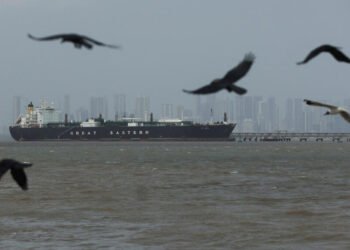
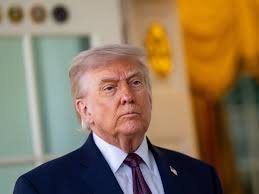
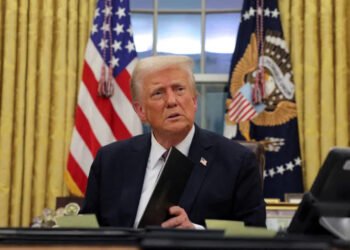
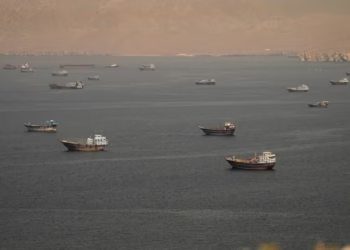
While the precise long-term terms of the peace deal remain unclear, initial steps are moving quickly. The United States president announced the reopening of the vital Strait of Hormuz on Sunday evening. Writing on his Truth Social platform, Donald Trump also confirmed the removal of the naval blockade. His characteristically vivid social media post told the ships of the world to start their engines. He enthusiastically added that international maritime commerce should finally let the volatile global oil flow once more.
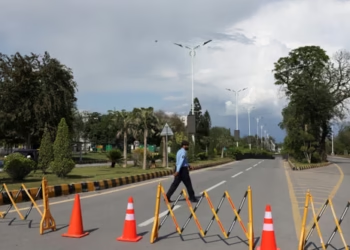
The American president later clarified the exact schedule for reopening this critical global trade channel. The resumption of shipping remains strictly dependent on signing an initial memorandum of understanding this coming Friday. Officials from Pakistan, acting as the primary diplomatic mediator, confirmed the ceremony will occur in Geneva. Leaked drafts of this text suggest the memorandum will trigger an intensive sixty-day technical talking period. Negotiators will use this brief window to confront the most contentious issues dividing the two nations.
The upcoming technical discussions will prominently feature the highly sensitive nature of Iran’s domestic nuclear programme. Iran’s deputy foreign minister, Kazem Gharibabadi, confirmed that his team intends to seek broad diplomatic agreements. Their primary objective during these consecutive meetings will be securing comprehensive international sanctions relief for their country. News of the full reopening of the Strait of Hormuz immediately impacted volatile international financial systems. Stock markets across Europe and Asia surged higher while global crude oil prices fell on Monday.
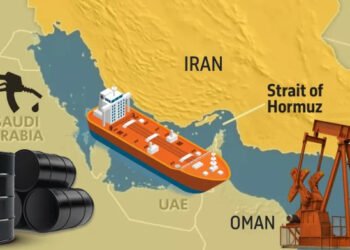
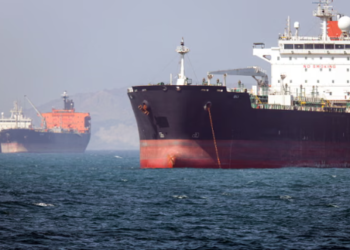
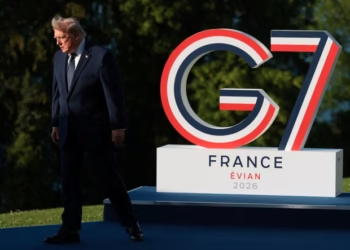
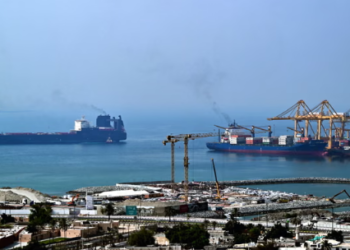
The strategic waterway sees a fifth of the world’s oil and liquid gas pass through weekly. Tehran had initially closed the narrow passage to most commercial shipping during the first days of war. Following this diplomatic breakthrough, Trump will travel directly to the French Alps on Monday afternoon. He is scheduled to meet leaders from the group of seven nations at an alpine summit. This international meeting is expected to be highly acrimonious due to recent deep wartime divisions.
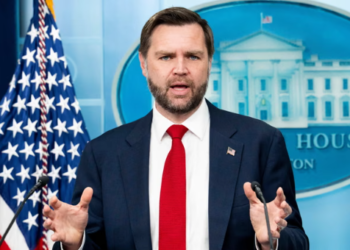
The American administration has repeatedly accused its traditional European allies of failing to offer adequate support. Several European leaders have sharply countered by criticizing Trump’s independent decision-making throughout the brief conflict. United States vice-president JD Vance is currently expected to attend the formal Geneva signing ceremony personally. The opposing Iranian delegation will likely include parliamentary speaker and lead negotiator Mohammad Bagher Ghalibaf. Iranian foreign minister Abbas Araghchi is also expected to participate directly in the upcoming Swiss negotiations.
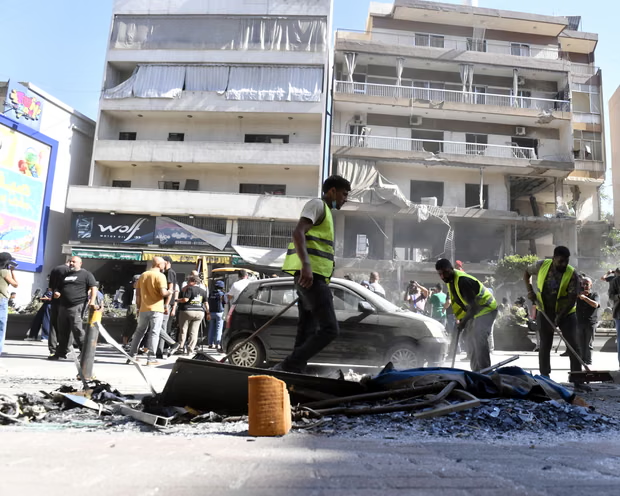
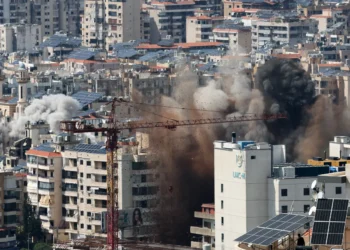
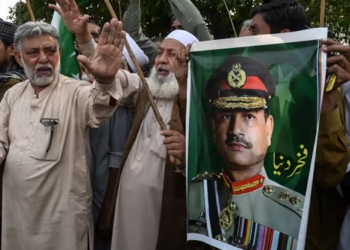
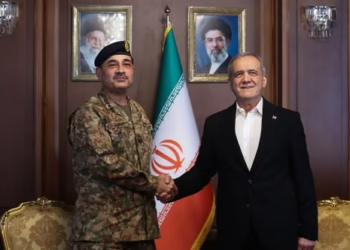
The prime minister of Pakistan, Shehbaz Sharif, officially announced the breakthrough agreement on Sunday afternoon. Serving as a lead mediator for months, Sharif welcomed the permanent termination of hostiles on fronts. However, Israel has fiercely resisted the inclusion of Lebanon within the parameters of this framework. Israeli forces have recently mounted a sweeping offensive, occupying a significant swath of southern Lebanese territory. Trump publicly called for regional restraint on Sunday following fresh Israeli airstrikes on central Beirut.
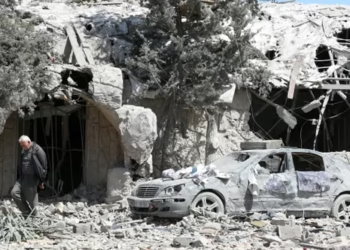
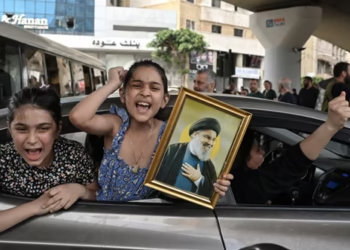
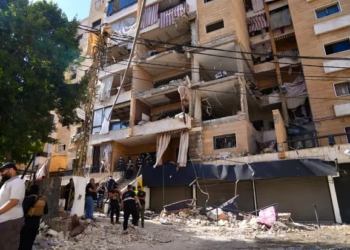
The Lebanese capital braced for retaliatory Iranian missile strikes after an attack destroyed a southern suburb. That specific bombardment killed three individuals and left six others suffering from various physical injuries. Israeli military officials defended the targeted strike, claiming it successfully neutralized senior Hezbollah commanders. The militant Islamist organization maintains exceptionally close political, financial, and military ties with the establishment in Tehran. The strike followed the launching of three distinct projectiles into northern Israeli territory by Hezbollah forces.
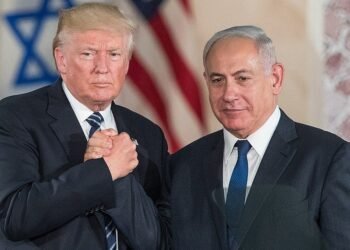
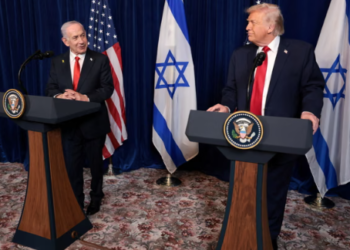
Diplomatic reports suggested that Trump made minor last-minute concessions to keep the peace process on track. These subtle shifts possibly concerned the specific timing for lifting the strict American naval blockade. There has been no official response to the deal from Israeli prime minister Benjamin Netanyahu. Netanyahu currently faces a deeply challenging battle for political re-election later this calendar year. The long-standing premier must now explain to skeptical voters why his wartime objectives remain largely unachieved.
Israeli officials are likely disappointed that several core security issues are missing from the agenda. The upcoming framework talks will not officially address Iranian support for regional militant proxy movements. Furthermore, the extensive ballistic missile armoury controlled by Tehran is excluded from the preliminary agreement text. Future negotiations will instead focus heavily on restricting the expansion of Iran’s nuclear capabilities. The United States intends to press Tehran to dilute its substantial stockpiles of highly enriched uranium.
Washington will also demand that Iran accept stringent new international monitoring measures and operational restrictions. Independent global experts have warned that a comprehensive agreement remains unlikely within such a compressed timeframe. The highly complex and technical nature of uranium enrichment means talks will likely drag on significantly. Meanwhile, the Iranian government is desperate to secure immediate economic relief through unfreezing various state assets. The severe American naval blockade has systematically crippled an economy already suffering from long-term systemic crises.
Soaring domestic inflation and severe shortages of basic consumer goods make international relief imperative for Tehran. Other challenging issues could also disrupt the smooth progress of the upcoming Geneva peace talks. Disagreements remain over Iran’s controversial demand to charge de facto tolls on international vessels. These proposed maritime transit fees would potentially be disguised as routine commercial service fees. Iran’s Mehr state news agency reported the memorandum permits reopening under specific Iranian arrangements.
The United States has long maintained that any tolling arrangements on international shipping are entirely unacceptable. Washington previously rejected similar maritime fee models that were discussed during private diplomatic talks with Oman. There is also vocal domestic opposition to the peace framework within both competing nations. Hardline political factions linked directly to the Islamic Revolutionary Guard Corps have rejected the diplomatic compromise. The domestic political influence of these powerful paramilitary factions grew significantly during the brief wartime period.
The brief conflict has rapidly become an undeniable political liability for the current American administration. Domestic opinion polls show voters are deeply frustrated by rising fuel prices before the midterm elections. Despite these economic pressures, some prominent Republican lawmakers continue to favour a much tougher geopolitical approach. South Carolina senator Lindsey Graham welcomed the ceasefire but vowed to watch the nuclear negotiations closely. Graham reminded the public that any final nuclear deal must legally be submitted to Congress.
Trump recently told journalists that Iran could face renewed military action if nuclear talks fail completely. Tehran routinely maintains its nuclear research is entirely peaceful, though key facilities suffered heavy damage last year. Highly enriched uranium stocks are believed to remain buried beneath three heavily bombarded Iranian military sites. Trump previously withdrew the United States from the historic multilateral nuclear accord signed by Barack Obama. That original agreement lifted international sanctions in exchange for strict verifications of Iranian nuclear compliance.
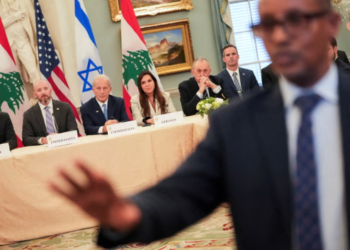
In a joint statement, the United Kingdom, Germany, France, and Italy expressed cautious diplomatic support. The European nations stand prepared to lift sanctions in response to verifiable steps by Tehran. Before the formal announcement, an anonymous Iranian official claimed Washington agreed to release frozen financial assets. Under the current draft terms, the United States would release twenty-five billion dollars in frozen funds. The Trump administration previously insisted that any capital release remains conditional on meeting specific security terms.
Thousands of people have lost their lives since joint forces first attacked Iran on 28 February. The destructive conflict has taken a particularly heavy toll on civilian populations across Iran and Lebanon. Iran rapidly retaliated with missile attacks targeting Israel and various Gulf states hosting American bases. These counterattacks systematically targeted both vital military installations and vulnerable civilian infrastructure across the region. The international community now watches anxiously to see if this fragile framework can successfully transition into permanent peace.
Related News:
 Ukraine war briefing: Zelenskyy offers help to Saudi Crown prince on combatting Iranian drones
 Ukraine Sends Drone Experts to Defend US Bases in Jordan
 Saudi Arabia Urging US to Keep Up Iran Attacks
 Diplomacy on the Brink: Pakistan’s Risky Peace Mission
 Trump Slams Europe as Transatlantic Tensions Boil Over
 High-Value Target: Iranian Strike Destroys US Radar Plane
 UN Warns Israeli Death Penalty Bill Could Be a War Crime
 Pakistan and China Propose Five-Part Peace Plan
 Trump Issues Stark Warning After Strike On Iran’s Largest Bridge
 Hope and Fear as Iranians Flee Across the Turkish Border
 The Price of Hubris: Trump, Netanyahu, and the ‘Easy’ War
 Israel Defies Ceasefire as Lebanon Operations Persist
 Middle East Peace Crisis: Ceasefire Strained by New Violence
 Pakistan Brokers Historic Peace Deal Amid Rising Tensions
 Netanyahu Vows Continued Lebanon Strikes Amid Peace Talks
 Islamabad Hosts Historic Peace Talks Between Iran and USA
 US and Iran Pursue Extension of Ceasefire via Pakistan
 Trump’s Islamabad Gamble: The High Stakes of a New Iran Deal
 The General’s Gambit: Pakistan’s New Role in Global Peace
 Can Trump’s Ceasefire Hold in Lebanon?
 Global order shifts amid Trump-era turmoil
 Middle East Crisis Escalates as Oil Routes Shake Markets
 Saudi Arabia Blocks Trump’s Naval Plan for Hormuz Strait
 Tensions Emerge in Netanyahu-Trump Alliance
 UAE’s Secret Strike on Iran Risks Wider Gulf Conflict
 Netanyahu Claims Secret UAE Visit Amid Regional Conflict
 Netanyahu Calls Early Election Amid Coalition Turmoil
 Plea for Mercy: The Battle to Bring Ahmed al-Doush Home
 Trump Issues New Threat of Strikes Amid Iran Standback
 Global Outrage After Israeli Minister Mocks Bound Activists
 Israeli Strikes in Lebanon Kill 10 Amid Ceasefire Strain
 Hunger increasingly weaponised in global conflicts
 Former ICC prosecutor condemns US sanctions
 Trump and Netanyahu Clash Over Crucial US and Iran Peace Deal
 Washington Brokerage Sparking Hope Amid Regional Firestorms
 Israel Defies Trump in Direct Strikes on Targets Across Iran
 Global Powers Navigate Fragile Peace as Hormuz Reopens
 Trump Signs Landmark Iran Accord in Versailles
 Uncertainty Prevails as Landmark Peace Talks Abruptly Conclude Before Commencement
 Iran To Propose New Shipping Fees In Strait Of Hormuz
 Grief and Devotion Amidst the Rubble of Nabatieh
 High Drama in Tehran Over Secret Nuclear Letters
 Iran Prepares for Massive Six-Day Funeral for Khamenei
 Iran Prepares for Massive Funeral for Supreme Leader
 Iran Bids Farewell to Fallen Leader in Massive Procession
 Iran Mourns: Millions at Khamenei’s Final Procession
 Hamas Proposes Handing Over Control of Gaza Strip
 Israeli Officer Investigated for Car Grenade Attack
 Yemen Accuses Iran of Violating National Sovereignty
 Trump Threatens Iran Power Strikes Over Hormuz Impasse
 Houthis Strike Saudi Arabia as Middle East Tensions Rise
 Friedman Uninvited From 2024 Adelaide Writers’ Week
 Spoof “Make America Go Away” Caps Rally Denmark Over Greenland
 New Zealand Covid Response Praised Despite Lingering Scars
 Tehran Strikes Mark War’s Most Devastating Night
 Injured Mojtaba Khamenei Elevated as Iran Leader
 Trump’s Six-Week Iranian War: The High Cost of Ignorance
 Reform UK Pledges To Halt Visas Over Reparations Demands
 US and Iran Agree to Two-Week Provisional Ceasefire
 Trump Signals Hope for New Iran Talks as Ceasefire Fades
 Security Alert Near Israeli Embassy as Police Investigate
 US-Iran Standoff: Will Trump Deploy Ground Troops?
 Investigation Into Anti-Trump Motives After Gala Shooting
 Trump Rejects Tehran Peace Plan as Regional Truce Crumbles
 High Stakes in Beijing as Trump and Xi Meet Amid Global Turmoil
 Fear and Betrayal: The Chilling Case of Kouri Richins
 Trump and Xi Convene in Beijing for Historic High-Stakes Summit
 Aussie Race Row: Coalition Accused of Scapegoating
 Trump Pledges 5,000 Troops for Poland in U-Turn
 Cannes filmmakers split over AI’s role in cinema
 US Condemns ‘Two-Tier’ UK Policing After Student Murder
 Trump Appeals for Middle East Calm but Conflict Escalates
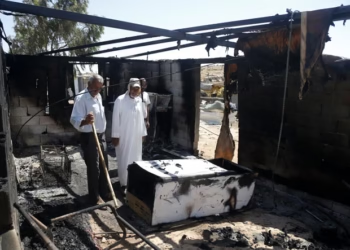 Millions in British Charity Funds Linked to Illegal Settlements
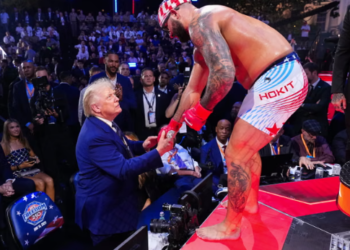 Trump Urged to Condemn UFC Fighter Over Obama Slurs
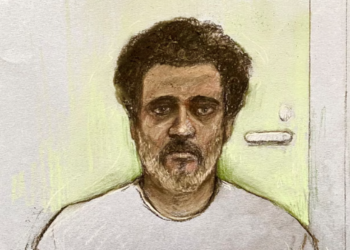 Russian Tanker Captain Remanded in UK Court After Channel Seizure
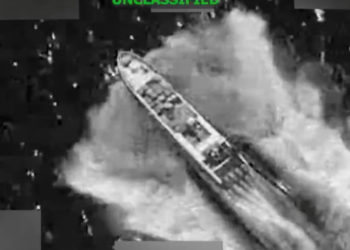 US Military Pacific Boat Strike Kills Three People
 Trump’s Mount Rushmore Speech: A Divisive Anniversary
 Trump Swaps Planes Amid Iran Tensions
 Rotterdam Museum Honours Artist With Peanut Butter Floor
 Bangkok Nightclub Blaze Claims 30 Lives Amid Negligence Probe