Published: 05 August 2026 | The English Chronicle Desk | The English Chronicle Online
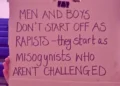
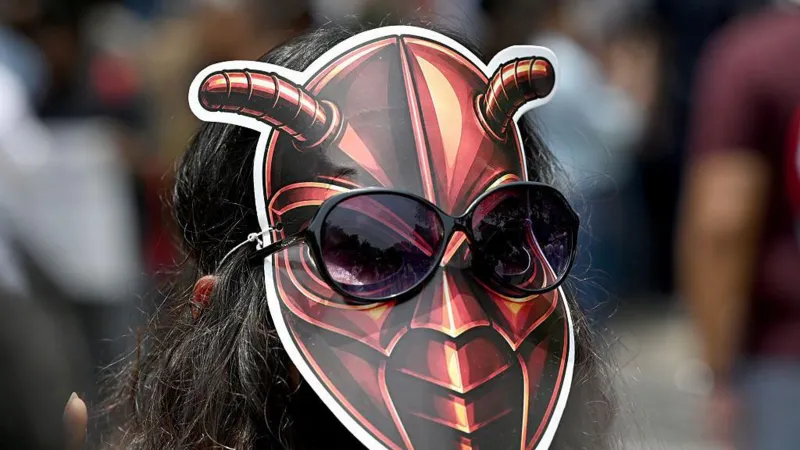
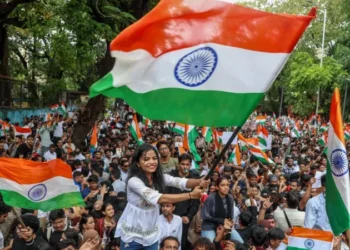
Young Indian women who became the online faces of the Cockroach Janta Party (CJP) protests say they have faced a wave of harassment, threats and public shaming after sharing videos and posts from one of the country’s largest youth-led demonstrations in recent years.
The women, many of whom used social media platforms to document protests, share updates and encourage public discussion, say they were targeted with abusive messages, sexualised insults, manipulated images and attempts to reveal their private information online.
The movement, which relied heavily on memes, short videos and satirical content, gained widespread attention across India as thousands of young people used digital platforms to criticise the government and demand political accountability.

But for many female participants, the online attention came with a deeply personal cost.
Several women told journalists that they had been forced to make their accounts private, remove content, block unknown users and worry about the safety of themselves and their families.
The Cockroach Janta Party became known for using humour, satire and internet culture to mobilise young protesters.
Instead of relying only on traditional political speeches or organised rallies, the movement spread through Instagram reels, short videos and memes.
Young activists shared clips from demonstrations, including scenes of protesters singing, marching and responding to police action.
During the protests on 20 July, police used tear gas and baton charges to prevent demonstrators from reaching parliament.
Authorities said dozens of protesters and police personnel were injured, while organisers claimed the number of injured demonstrators was significantly higher.
The videos posted by participants quickly reached large audiences, turning ordinary students and content creators into recognisable figures connected to the movement.
However, after the protests ended, some of those same individuals became targets of online campaigns
One content creator involved in the protests said she had faced intense criticism after posting about the demonstrations and questioning comments made by political leaders.
She said she was subjected to slut-shaming and repeated online attacks, with strangers criticising not only her political views but also her identity as a woman.
The abuse, she said, continued despite blocking accounts and deleting offensive messages.
For many female activists, the attacks were not limited to political disagreements.
Instead, they involved gender-based insults, threats of violence and attempts to damage their reputation.
The women said they experienced a pattern where criticism quickly shifted from their opinions to personal attacks about their appearance, relationships and morality.
A 20-year-old student who attended her first protest said she never expected a simple video recorded before the demonstration would attract national attention.
She had filmed a light-hearted “fit check” video before joining protesters, joking about possibly facing police action.
During the protest, she continued recording events around her.
One of her videos was later shown on national television, after which she said strangers began sharing her image online and attempting to identify her.
She said people discovered her college details and posted warnings suggesting that protesters could face police action.
Her social media inbox was filled with threatening messages, including sexually abusive comments and warnings that she would face consequences.
The student said the most frightening part was not only the online abuse but the impact it had on her family.
Relatives and acquaintances contacted her parents, pressuring them to make her remove her posts.
She eventually deleted or archived most of her protest-related content.
Another student activist said the harassment became worse because of her identity as a Muslim woman.
She had previously been outspoken online and regularly participated in political discussions.
Following the protests, she said she faced accusations of being anti-national and was targeted with edited photographs designed to shame her.
She described how fake images and misleading posts circulated online, portraying her in ways intended to damage her reputation.
She was also labelled with offensive terms and accused of being a paid protester.
The activist said her family became increasingly worried because they had seen other political activists investigated and detained.
Although the experience created fear, she said she would not stop expressing her views.
She believes the attacks revealed a wider problem in which women often face harsher consequences when they participate in political discussions.
One of the biggest fears among protesters has been doxxing, the practice of publishing someone’s private information online without consent.
Activists said attempts were made to identify their colleges, families and personal details.
For young women, this created additional concerns because online exposure can lead to harassment beyond digital spaces.
Many changed their usernames, locked their accounts or stopped responding to unknown messages.
Digital rights experts have warned that doxxing can be used as a tool of intimidation, discouraging people from participating in public debate.
The women involved in the protests say they noticed a clear difference between how male and female activists were treated.
A student from West Bengal said male friends who expressed similar political opinions did not receive the same level of personal attacks.
While men faced criticism for their views, she said women were targeted with insults related to sexuality, family and personal character.
She said the experience raised questions about why women often face additional punishment when they speak publicly.
Gender activists have long argued that online abuse against women frequently focuses on controlling their behaviour rather than debating their ideas.
The harassment faced by these protesters has raised wider concerns about freedom of expression and online safety in India.
Social media has become an important platform for young people to participate in political conversations.
However, activists say fear of harassment can discourage people from using their voices.
The women involved in the CJP movement say they wanted to share their experiences and participate in public debate, but the backlash has forced many to reconsider how openly they express themselves online.
Digital safety advocates say stronger action is needed to address online harassment, especially against women and activists.
They argue that social media platforms, law enforcement agencies and political institutions all have a role in protecting individuals from targeted abuse.
Supporters of free expression say criticism and disagreement are part of democracy, but threats, sexual harassment and the spread of private information cross a dangerous line.

The experience of women involved in India’s Cockroach Janta Party protests highlights the growing challenges faced by young activists in the digital age.
While social media has allowed ordinary citizens to participate in political movements and share their voices, it has also exposed them to new forms of harassment.
For many of the women who joined the protests, the issue is not whether they regret speaking out.
Instead, they say the experience has shown the personal risks women often face when they enter public debates.
Their stories have renewed discussions about online safety, gender equality and the future of political expression in India’s increasingly digital society.
Related News:
 Immigration Judges Fear Pressure in Trump Era
 ‘I Am Still Alive’: Indian Activist on 26-Day Hunger Strike Loses 11kg
 Inside Kyiv’s resolve as conflict nears five‑year mark
 Nepal Holds First General Election Since Gen Z Protests Toppled Government
 Nepal Election 2026: When Will We Get the Results?
 Benefits Cut for Mother and Baby Home Survivors
 China Moves to Enshrine ‘Ethnic Unity’ Law
 Anti-Regime Iranians Turn Anger Toward Trump
 Nepal to swear in ex-rapper as new prime minister
 The ‘Pakistan Protocol’: How Islamabad Pulled the World Back from the Brink
 Victory or Compromise? Tehran’s Streets Erupt in Mixed Emotion Following Ceasefire
 Police Suspect Help in Missing Alice Springs Girl Case
 UK may ban protests amid rising antisemitism fears
 China Targets Viral Micro Drama Content
 Families Grieve Beyond Air India Crash Victims
 “Extreme Fear” Spreads Among Immigrants Amid South Africa Backlash
 “What If All Cockroaches Came Together?” Youth Movement Gains Momentum in Indian Politics
 “No Electricity, No Gas, No Sleep” — Cubans Struggle Amid Prolonged Power Outages
 Political Pressures Mount as Senior Indian Female Leader Struggles to Hold Party Together
 Dreyfus Statue Finally Gets Permanent Paris Home
 Indian Police Crack Down on ‘Cockroach’ Protesters as Young Activists Respond With Memes
 Bangladesh President to Step Down After Political Shift
 India’s Gen Z Protest Movement Enters a New Phase
 Aung San Suu Kyi Seen Healthy in First Confirmed Contact After 2.5 Years
 ‘My Only Son Was Shot for Justice’ — Inside Kashmir Region Hit by Deadly Protests
 After the Landslide: Can India Reset Ties with BNP Bangladesh?
 US Civil Rights Leader Jesse Jackson Dies Aged 84
 Last‑ditch Call to Save Police Front Counters in London
 South Korea’s Ex-President Faces Death Penalty in Insurrection Trial
 Duterte Refuses to Attend ICC Pre-Trial Hearing Over ‘Drug War’ Case
 Calls Grow to Remove Billboard Following Lyra McKee Graffiti
 David and Victoria Beckham Wish Brooklyn Happy Birthday Despite Family Feud
 ‘Every Day Feels Like a Month’: Iranians Describe Life Under ‘Constant’ US‑Israeli Strikes
 How Depleted Weapons Stockpiles Could Affect the Iran Conflict
 After Mugabe: Family Feuds and Legal Battles
 Sri Lanka Sets Weekly Shutdown to Save Fuel
 Missing Cuba-Bound Aid Ships Spark Urgent Search
 Mandelson’s Phone Messages Requested in Files Release
 US Lawmaker Demands Testimony Over Sarah Ferguson’s ‘Close Epstein Ties’
 The Last of the Lords: Two Hereditary Peers to Retain Ceremonial Roles Amid Historic Ousting
 ‘Eye in the Sky’ Blinded: Photos Reveal Destroyed US Radar Jet at Saudi Base
 ‘Full and Immediate Access’: Netanyahu Reverses Palm Sunday Ban on Latin Patriarch
 British Businesses Braced as National Living Wage Hits £12.71 Published: 1 April 2026
 A Global Voice For Justice: Stephen Lewis Dies At Age 88
 Pope Leo Urges Peace in First Easter Mass Address
 ‘The Soul of Spain’: Politicians Clash Over Renewed Push to Move Picasso’s Guernica
 The Changing Face of Georgia: Trump-Backed Clay Fuller Wins Election
 Moldova River Crisis Exposes War’s Hidden Cost
 Relief at the Pump: Irish PM Unveils €505m Package to Stem Fuel Crisis
 The Masked Frontier: Allegations of Greek Police Using Proxies for ‘Seismic’ Border Pushbacks
 MoD Has Lost Track of Veteran Recall List, Says Adviser
 ‘Is Nowhere Safe?’: British Jews Describe Living Under ‘State of Siege’ as Antisemitism Hits Record Highs
 The ‘Machli’ Manifesto: Why Indian Politicians are Trading Rallies for Fish Markets
 “Jobs Will Go”: Rishi Sunak Warns AI is Already Eroding Entry-Level Opportunities
 Southeast Asia Turns to Russia Amid Energy Crisis
 The “Charles Charm” Offensive: Did the Royals Find Their Mojo in D.C.?
 Reality Check on Reform: Minister Says Outright Abolition of Leasehold “Impossible”
 A “Breaking Point” for Britain: Terror Adviser Warns Antisemitism is Now a National Security Emergency
 The “Dry” Life: Teens Trialing Social Media Bans Call Initial Disconnection “Boring” and “Dry”
 Cartel crackdown raises fears of fresh violence
 “Invisible Agony”: 98-Year-Old Woman Left in “Severe Pain” for Days Amidst Care Backlog
 The “Time Tax” of Memory: Why Dementia Care is the Ultimate Test of UK Resilience
 “An Endurance Test for the Mind”: British Couple Sentenced to 10 Years in Tehran
 Florida Surgeon ‘Devastated’ Over Fatal Surgery Error
 US Awaits Iran Reply on New Ceasefire Proposal
 US green card applicants must apply from abroad, DHS says
 Discontent grows around Putin amid war strain
 Bear Escapes Factory Through Open Window
 Xi Arrives in North Korea for Rare Summit

 Prince George Set to Begin Studies at Eton This September
 Bangladesh Balances China Ties as India Relations Improve
 Buckingham Palace Confirms Harry Will Not Stay There
 Trump’s Major Recruitment Drive Targets Border Patrol Growth
 Le Pen’s Popularity Holds Despite Conviction
 Police Rule Out Political Motive in Widdecombe Killing
 Three-Quarters of England’s Riverbanks Still Off Limits
 Jewish Students Describe Rising Antisemitism on UK Campuses
 Burnham Reaffirms Support for Ukraine During Zelensky Visit
 Avalanche Claims Nepal’s Greatest Mountain Guides