Published: 20 July 2026 | The English Chronicle Desk | The English Chronicle Online
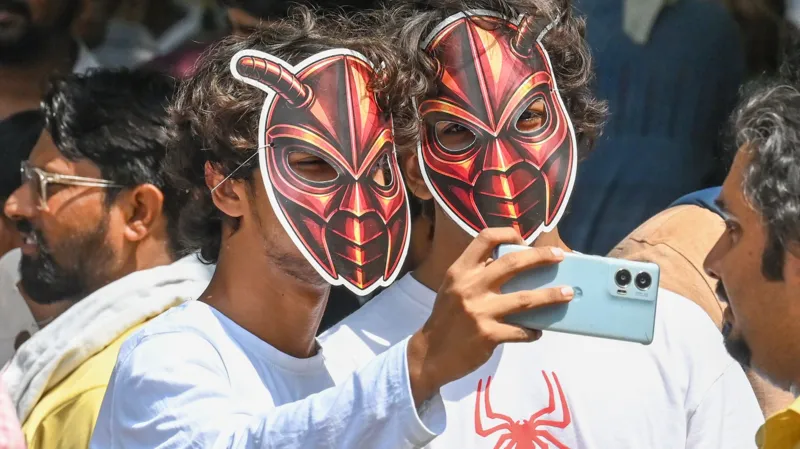
A group of protesters in India who were targeted by police during a demonstration have responded to the crackdown by turning the incident into a wave of online humour and memes.
The protesters, who were described by authorities using the term “cockroach”, faced police action during a gathering that drew attention on social media. Rather than ending the conversation, the incident sparked a new digital response, with participants sharing jokes, images and creative posts online.
The episode highlights the increasingly important role of social media in modern protests, where demonstrations can continue in digital spaces even after physical gatherings are dispersed.
Following the police crackdown, some protesters returned home and began creating memes about the incident.
The online response transformed what authorities may have intended as a deterrent into a subject of public discussion and satire.

Many of the memes focused on reclaiming the “cockroach” label, using humour to challenge the way protesters were described.
Political analysts say this reflects a broader trend where younger activists use internet culture to respond to criticism, mock authority and build solidarity.
The police response to the protest attracted attention after reports emerged of officers moving to disperse demonstrators.
Authorities often intervene during public gatherings when they believe there are concerns relating to security, traffic disruption or public order.
However, critics argue that excessive force or restrictions on peaceful demonstrations can raise concerns about freedom of expression.
The incident has renewed debate about the relationship between law enforcement and protest movements in India.
Social media has changed the way protests operate around the world.
In the past, demonstrations were largely limited to physical spaces such as streets, public squares and meeting points.
Today, online platforms allow participants to continue sharing messages, organising campaigns and influencing public opinion after leaving the protest site.
For many young people, memes have become a form of political expression, combining humour with criticism.
The use of the word “cockroach” against protesters became a central part of the online reaction.
Instead of accepting the description as an insult, some participants used it as a symbol of resilience.
The memes portrayed protesters as difficult to remove or impossible to silence, turning negative language into a message of persistence.
Experts say this tactic is common among social movements, where groups sometimes reclaim labels originally intended to weaken them.
India has a large and highly active online population, with young users playing a major role in shaping digital conversations.
For many younger citizens, social media platforms are not only entertainment spaces but also places for discussing politics, social issues and public events.
Humour, short videos and memes have become common tools for communicating opinions quickly.
Supporters say this allows ordinary people to participate in public debate, while critics argue that online discussions can sometimes oversimplify complex issues.
The incident has also raised wider questions about the right to protest.
India’s constitution provides protections related to freedom of speech and peaceful assembly, although authorities can impose restrictions under certain circumstances.
Government officials often argue that maintaining public order is necessary, especially when large gatherings take place.
Civil rights groups, however, say authorities must ensure that security measures do not unnecessarily limit democratic expression.
Political memes have become a major part of modern communication.
They can spread rapidly and reach audiences that may not engage with traditional news coverage.
While some critics dismiss memes as simple jokes, researchers say they can reflect public opinion and influence political conversations.
In this case, the online response allowed protesters to continue telling their side of the story after the physical demonstration ended.
The rapid spread of images, videos and memes means police actions are increasingly subject to public examination.
Events that once remained local can now become national or international discussions within hours.
Law enforcement agencies around the world have had to adapt to this new environment, where public perception can be shaped online almost immediately.
The episode reflects a changing style of activism, particularly among younger generations.
Modern protests are no longer limited to marches, speeches and physical demonstrations.
They often include online campaigns, digital artwork, hashtags and viral content.

For participants, the internet provides another space to express frustration and organise support.
The clash between protesters and police highlights the complicated relationship between public demonstrations and digital activism in modern India.
While authorities may focus on controlling physical gatherings, protesters increasingly continue their campaigns online.
The “cockroach” protest controversy demonstrates how humour and creativity can become powerful tools in political expression.
As social media continues to shape public debate, memes are likely to remain an important part of how younger generations respond to political events, challenge official narratives and make their voices heard.
Related News:
 After the Landslide: Can India Reset Ties with BNP Bangladesh?
 China Strikes at Japan’s Core — Will PM Takaichi Back Down?
 Japan Braces as Takaichi Begins New Term with Huge Mandate for Low‑Tax, Ultra‑Conservative Agenda
 South Korea’s Ex-President Faces Death Penalty in Insurrection Trial
 Kim Jong Un Reappointed as Ruling Party Chief
 The Taekwondo Teacher Tasked With Healing India’s Troubled State
 Japan to Deploy Missiles on Island Near Taiwan by 2031
 Nine Killed in Karachi Consulate Protest
 Could Kim’s Teen Daughter Become North Korea’s Next Leader?
 Rap Star May Beat Ex‑PM — What This Says About Nepal’s Gen Z
 Nepal Leaders Call on Voters to Ensure Success of ‘Historic’ Election
 Nepal Holds First General Election Since Gen Z Protests Toppled Government
 Nepal Election 2026: When Will We Get the Results?
 Iran Drones Hit Azerbaijan Airport as War Widens
 Sri Lanka Takes Control of Second Iranian Vessel a Day After US Sub Attack
 Nepal election 2026: Rapper Balendra Shah on track to be next PM as his party heads for landslide
 China Moves to Enshrine ‘Ethnic Unity’ Law
 Gulf Oil Shock Sends Global Economic Ripples
 Nepal Election 2026: Balendra Shah’s Party Nears Historic Supermajority
 China’s Biggest Political Meeting Ends — Key Takeaways
 Point-Blank Gunshot Misses Indian Politician
 Anti-Regime Iranians Turn Anger Toward Trump
 Pakistan Denies Air Strike on Afghanistan Hospital That ‘Killed 400 People’
 Nepal Gen Z Protests Succeed, Bangladesh Struggles
 A Bridge to Peace? Taiwan’s Opposition Leader Lands in China
 The ‘Pakistan Protocol’: How Islamabad Pulled the World Back from the Brink
 Victory or Compromise? Tehran’s Streets Erupt in Mixed Emotion Following Ceasefire
 Southeast Asia Turns to Russia Amid Energy Crisis
 Australia pushes Pacific security pact amid China tension
 BJP Sweeps West Bengal in Historic Breakthrough
 US Awaits Iran Reply on New Ceasefire Proposal
 One Nation Stuns Australia With Historic Farrer Win
 Hormuz Talks Near Critical Stage
 Discontent grows around Putin amid war strain
 Trump-Netanyahu Call Fuels Iran Talk Crisis
 Israeli Strikes Kill 11 in Gaza City
 Xi Jinping to Make Rare North Korea Visit
 Xi Arrives in North Korea for Rare Summit
 Why Xi’s North Korea Visit Matters Now
 Political Pressures Mount as Senior Indian Female Leader Struggles to Hold Party Together
 Myanmar Rebels Face Growing Pressure as Military Expands Forced Recruitment Drive
 Millions Gather for Khamenei’s Six-Day State Funeral
 China Missile Test Raises Pacific Security Concerns
 Bangladesh Balances China Ties as India Relations Improve
 Punjab’s Anti-Sacrilege Law Triggers Political Debate
 Venezuela Quake Death Toll Surpasses 4,000
 US-Iran Exchange Fire as Hormuz Tensions Escalate
 China Detains US Scientist Linked to North Korea Nuclear Research
 UK Must Act with Courage and Clarity on Israel-Palestine Conflict, Says Foreign Affairs Committee Report
 Yvette Cooper Signals Global Momentum Towards Gaza Peace Deal Amid Humanitarian Crisis
 Russia’s Latest Push to Win US Favors Shows Deep Desperation
 BBC to Apologise Over Edited Trump Speech Amid Backlash
 Greene Pushes Epstein Files Amid Trump Fallout
 Shadow Fleet at Sea: Europe’s Battle Against Illicit Oil Shipping
 Australian Families Leave Syrian Camp for Home
 Ukraine Negotiator Reveals What It Feels Like Facing Russia
 American Citizen Killed in Cuba Boat Shooting, U.S. Officials Say
 Iran’s Regime Still Intact — Coming Days Will Test Its Survival
 Herzog Asio meeting sparks security storm
 Finland Plans to Lift Decades‑Old Ban on Hosting Nuclear Weapons
 Minister Meets Crews Who Will ‘Take Out’ Iranian Drones
 Trump Pressures Congress Over Save America Act
 Iran War Puts Trump at Political Risk Amid Rising Prices
 Queensland Protest Laws Spark Free Speech Backlash
 Trump Nato threats expose Iran strategy vacuum
 Sri Lanka Sets Weekly Shutdown to Save Fuel
 Trump Facing Backlash from Epstein Survivors Over Files
 UK Forces Ready to Seize Russian Shadow Fleet Vessels
 Trump Considers Military Operation to Seize Iran’s Uranium
 Report Says Pezzullo Acted ‘Recklessly’ in Dealings
 Oil and Diplomacy: Russian Refineries Burn as Zelenskyy Secures Middle East Shield
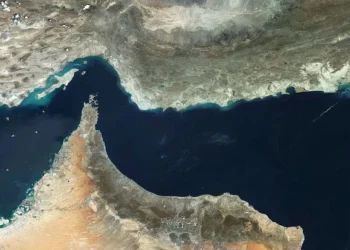 The Great Chokehold: Why the Strait of Hormuz is the Epicenter of the 2026 Crisis
 Moldova River Crisis Exposes War’s Hidden Cost
 The Fog of War and the Ticker Tape: Suspicious Trades Rile Washington
 “An Endurance Test for the Mind”: British Couple Sentenced to 10 Years in Tehran
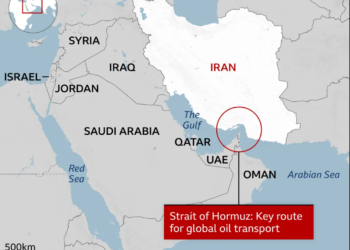 “The Pivot to Pakistan”: Trump Pauses ‘Project Freedom’ in Hormuz Amid Iran Deal Hopes
 “The Local Gavel”: Polls Open Across Hampshire and Isle of Wight in Delayed ‘Milestone’ Vote
 Israel, Lebanon Agree on Fragile Ceasefire Deal
 UK Faces Most Dangerous Era, Military Chief Warns
 Israel Strikes Iran After Missile Attack