Published: 15 July 2026 | The English Chronicle Desk | The English Chronicle Online
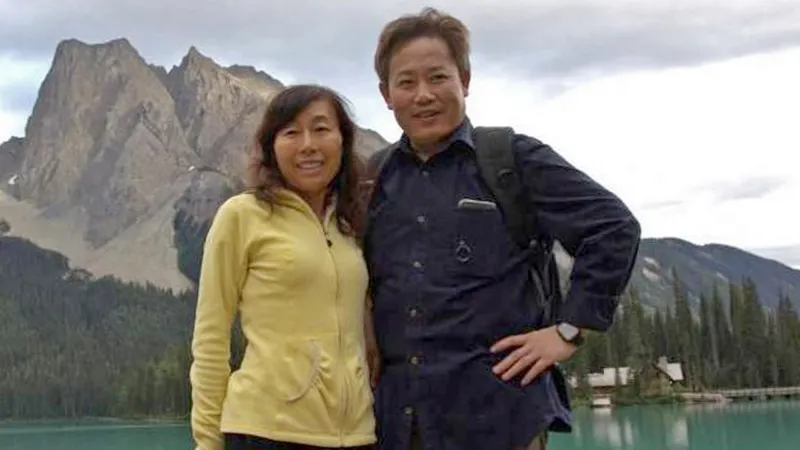
Chinese authorities have detained an American scientist known for researching North Korea’s nuclear weapons programme, a move that has intensified diplomatic tensions between Beijing and Washington and raised concerns within the international scientific community.
The detention comes amid already strained relations between the United States and China, with disagreements over trade, technology, security and regional influence continuing to dominate bilateral ties. The case has also drawn attention because of the scientist’s previous work analysing North Korea’s nuclear tests and missile development, an area considered highly sensitive by governments across the Asia-Pacific region.
Officials have released only limited information about the circumstances surrounding the detention. Chinese authorities confirmed that an American citizen was being held in connection with an ongoing investigation but have not publicly disclosed the specific allegations or whether formal charges have been filed.

The US State Department acknowledged reports of the detention and said it was seeking additional information through diplomatic channels. American officials also stated that they were working to ensure the detained individual receives appropriate consular assistance in accordance with international agreements.
“The safety and welfare of US citizens overseas remains a top priority,” a State Department spokesperson said, declining to comment on the details of the ongoing case.
According to individuals familiar with the scientist’s work, the researcher has spent years studying seismic data, satellite imagery and geological evidence related to North Korea’s underground nuclear weapons testing programme.
Such research often involves analysing publicly available information to estimate the size, location and potential impact of nuclear explosions conducted beneath mountainous terrain.
Experts in the field frequently collaborate with universities, international research institutes and government agencies to improve understanding of nuclear proliferation risks.
The scientist’s work has reportedly contributed to broader international efforts aimed at monitoring North Korea’s weapons development using scientific methods rather than classified intelligence alone.
North Korea has conducted multiple nuclear tests over the past two decades, prompting widespread condemnation from the international community and repeated rounds of United Nations sanctions.
Researchers studying those tests play an important role in assessing the country’s technological capabilities, monitoring environmental effects and supporting global non-proliferation initiatives.
Security analysts note that scientific research relating to nuclear weapons can sometimes intersect with national security concerns, particularly when conducted in politically sensitive regions.
However, many experts emphasise that open-source academic research remains an essential component of international arms control and verification efforts.
The detention has prompted concern among academic institutions and scientific organisations, which have called for transparency regarding the legal basis for the case.
Several researchers warned that uncertainty surrounding the detention could discourage future international scientific collaboration, particularly in areas involving sensitive geopolitical issues.
China has not indicated whether the investigation relates directly to the scientist’s research activities.
Government officials have stated only that the case is being handled according to Chinese law and that the rights of the individual concerned will be protected throughout the legal process.
Diplomatic relations between Washington and Beijing have experienced repeated periods of tension in recent years.
Disputes involving export controls, advanced technology, cybersecurity, Taiwan, the South China Sea and human rights have complicated efforts to stabilise the relationship despite continued high-level diplomatic engagement.
Cases involving the detention of foreign nationals often become additional sources of friction between governments.
The United States has previously expressed concerns regarding the treatment of American citizens detained abroad, while China has insisted that all individuals within its jurisdiction must comply with domestic laws regardless of nationality.
Foreign policy specialists caution against drawing conclusions before additional facts become available.
Without official details regarding the investigation, it remains unclear whether the case relates to national security, immigration issues, academic activities or other legal matters.
Nevertheless, the detention has already attracted significant international attention because of the scientist’s professional background and the broader geopolitical context.
North Korea’s nuclear programme remains one of the world’s most closely monitored security challenges.
Despite years of diplomatic negotiations and international sanctions, Pyongyang has continued developing both nuclear weapons and ballistic missile capabilities.
Independent researchers have become increasingly important in helping governments and international organisations assess technical developments using satellite imagery, seismic monitoring and other publicly accessible data.
Scientific cooperation has historically played an important role in reducing nuclear risks.
Researchers from multiple countries frequently collaborate on projects involving arms control verification, earthquake detection and environmental monitoring.
Many specialists argue that maintaining open scientific dialogue contributes to international stability by improving transparency and reducing uncertainty.
The latest detention may therefore have implications extending beyond the individual case.
Academic institutions could become more cautious about conducting research involving politically sensitive topics, while international conferences and collaborative projects may face additional scrutiny.
Business leaders are also watching developments closely, as the case comes at a time when multinational companies and research organisations continue reassessing operational risks associated with growing geopolitical competition between the world’s two largest economies.
Universities have similarly expanded guidance for researchers travelling internationally, particularly when their work involves advanced technology, national security or strategically important scientific fields.

For now, diplomatic efforts remain focused on obtaining additional information and ensuring appropriate legal procedures are followed.
The United States is expected to continue engaging Chinese authorities through established diplomatic channels while seeking regular access to the detained scientist.
China, meanwhile, has indicated that the investigation will proceed according to its legal framework.
Whether the case evolves into a broader diplomatic dispute may depend on the nature of the allegations, the evidence presented by investigators and the extent to which both governments are able to manage the issue through continued dialogue.
As international attention remains fixed on the case, analysts say it serves as another reminder of the increasingly complex intersection between scientific research, national security and global geopolitics.
In an era where academic expertise can influence strategic policy discussions, the boundaries between science and international relations have become increasingly intertwined, making cases such as this particularly significant for researchers and governments alike.
Related News:
 The Academic Chill: Beijing Condemns ‘Hostile’ US Questioning After Researcher’s Death
 US Awaits Iran Reply on New Ceasefire Proposal
 Hormuz Talks Near Critical Stage
 Trump-Netanyahu Call Fuels Iran Talk Crisis
 US-Iran Exchange Fire as Hormuz Tensions Escalate
 UK Fighter Jet Purchase Could Breach Nuclear Treaty, Warns CND
 Experts Warn Russia’s Burevestnik Missile Could Destabilise Arms Control
 Britain deploys RAF specialists to assist Belgium with drone threats
 Russia losses Ukraine war peace talks intensify amid rising deaths
 Trump Escalates Minnesota Immigration Surge Amid Rising Tensions
 US Clears Nvidia AI Chip Sales to China in Policy Shift
 Trump Threatens Strong Action If Iran Executes Protesters
 Trump Receives Machado’s Nobel Medal in White House Meeting
 Iran Signals Permanent Break From Global Internet, Activists Warn
 EU Says US Ties Have Suffered ‘Big Blow’ After Greenland Crisis
 Trump Praises ‘Terrific’ Petro After White House Talks
 Fears of New Arms Race as US-Russia Nuclear Weapons Treaty Expires
 After the Landslide: Can India Reset Ties with BNP Bangladesh?
 ‘He Did It for Us’: US Soldier Recalls Jesse Jackson’s Efforts to Free Him and Two Other POWs
 Stephen Colbert Says CBS Spiked Interview With Democrat Over FCC Fears
 South Korea’s Ex-President Faces Death Penalty in Insurrection Trial
 US Urges Iran to Make Deal as Military Presence Rises
 Trump Directs US Govt to Prepare Release of Files on Aliens and UFOs
 Bill Gates Pulls Out of India’s AI Summit Over Epstein Files Controversy
 Trump Vows UFO File Release After Obama Interview
 Musk Cuts Starlink Access for Russian Forces – Giving Ukraine an Edge at the Front
 American Citizen Killed in Cuba Boat Shooting, U.S. Officials Say
 Hopes and Fears as US Iranians Take to Streets After Toppling of Supreme Leader
 Could Kim’s Teen Daughter Become North Korea’s Next Leader?
 Iran, the US, and a World Cup That Starts in Three Months
 Trump Faces Questions Over Iran Conflict Plan
 Why Russia Controls Its People With a Flick of a Switch
 The US Now Has the Medicine for Cheap Swarming Drone Attacks
 US Senate Backs Trump War Powers Amid Iran Missile Barrage
 Nepal Holds First General Election Since Gen Z Protests Toppled Government
 US Senate Vote Fails to Rein in Trump War Powers on Iran
 Protesters Rally in San Francisco Against OpenAI Deal With Pentagon
 UK Prepares Aircraft Carrier for Middle East Crisis
 Pete Hegseth Iran War Remarks Spark Alarm
 China Moves to Enshrine ‘Ethnic Unity’ Law
 Iran War Puts Trump at Political Risk Amid Rising Prices
 Gulf Oil Shock Sends Global Economic Ripples
 Iran Rejects Ceasefire, Warns Trump With Chilling Message
 Point-Blank Gunshot Misses Indian Politician
 Anti-Regime Iranians Turn Anger Toward Trump
 Trump’s Confidence Undimmed — But Every Iran Option Carries Risk
 Trump Considers Military Operation to Seize Iran’s Uranium
 ‘At the Doorstep of the Future’: Florida’s Space Coast Braces for Historic Artemis II Launch
 A Bridge to Peace? Taiwan’s Opposition Leader Lands in China
 Capitol Hill Showdown: Bill Gates to Testify in Expanding Epstein Inquiry
 The Great Chokehold: Why the Strait of Hormuz is the Epicenter of the 2026 Crisis
 Moldova River Crisis Exposes War’s Hidden Cost
 The Frozen Frontier: Why Frostbite is the Least of Concerns for Canada’s Arctic Forces
 Canadian astronaut French words ease language row
 Charles Faces Trump Test in High-Stakes US Visit
 Southeast Asia Turns to Russia Amid Energy Crisis
 “Grounded”: Beijing Implements Total Ban on Drone Sales Citing Capital Security
 US Court Ruling Reshapes Voting Rights Landscape
 US states redraw maps after voting rights ruling
 Giuliani hospitalised in critical condition
 Trump Threatens UN Budget Cuts as US Pushes ‘Trade Over Aid’ Agenda
 BJP Sweeps West Bengal in Historic Breakthrough
 US Court Restores Abortion Pill Access Temporarily
 Tensions Emerge in Netanyahu-Trump Alliance
 Discontent grows around Putin amid war strain
 Former ICC prosecutor condemns US sanctions
 House Curbs Trump’s War Powers in Rare Rebellion
 Zelensky Invites Putin to Direct Peace Talks
 Israel Strikes Iran After Missile Attack
 Xi Arrives in North Korea for Rare Summit
 Why Xi’s North Korea Visit Matters Now
 China Missile Test Raises Pacific Security Concerns
 Bangladesh Balances China Ties as India Relations Improve
 Punjab’s Anti-Sacrilege Law Triggers Political Debate
 Trump Helps Clear Balogun for Belgium World Cup Clash
 Why Some African Nations Are Rejecting Trump Aid
 Trump’s Major Recruitment Drive Targets Border Patrol Growth
 Trump’s New Vision for 250 Years of US Expansion
 Venezuela Quake Death Toll Surpasses 4,000
 Trump’s Hormuz U-Turn Raises Doubts Over Iran Strategy