Published: 15 July 2026 | The English Chronicle Desk | The English Chronicle Online
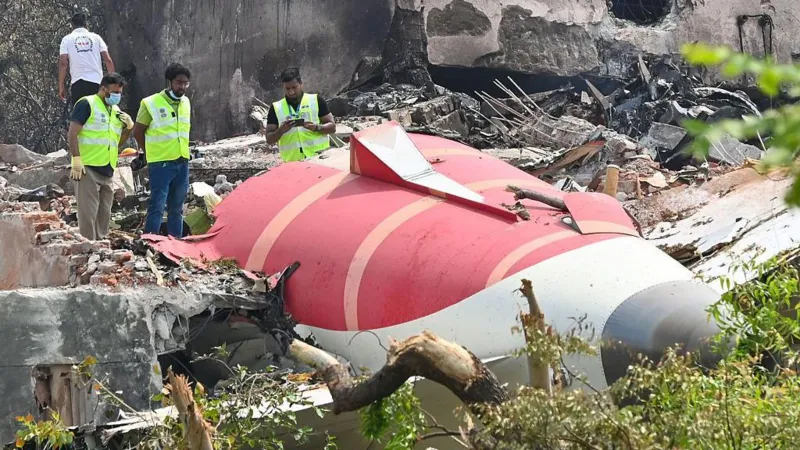
Investigators examining the fatal Air India plane crash are expected to complete their final report by October, according to officials overseeing the inquiry, as authorities continue analysing flight data, wreckage and maintenance records to determine what caused one of India’s most closely watched aviation disasters.
The investigation has entered a critical phase, with experts reviewing thousands of pieces of evidence collected from the crash site alongside information retrieved from the aircraft’s flight data recorder and cockpit voice recorder. Officials say the process remains thorough and methodical, with safety investigators determined to establish the chain of events that led to the accident and recommend measures to prevent similar incidents in the future.
Although preliminary findings have provided investigators with valuable information, authorities stress that no definitive conclusions will be reached until the final report is completed.
Aviation accident investigations often take months or even years to complete due to the technical complexity involved.

Specialists must reconstruct the aircraft’s final moments by examining physical evidence, aircraft systems, maintenance documentation, weather conditions, communications with air traffic control and pilot actions before the accident.
In the Air India investigation, experts have also been analysing engine performance, aircraft components and operational procedures to determine whether mechanical failure, human factors, environmental conditions or a combination of issues contributed to the crash.
Officials involved in the inquiry say every possible scenario is being evaluated before investigators draw any conclusions.
“The objective is to establish facts based on evidence rather than speculation,” one official familiar with the investigation said.
The aircraft’s flight recorders remain central to the investigation.
The flight data recorder captures hundreds of technical parameters throughout the flight, including altitude, speed, engine performance, control inputs and system status. Meanwhile, the cockpit voice recorder preserves conversations between pilots as well as important cockpit sounds and alarms during the aircraft’s final moments.
Investigators have been carefully synchronising information from both devices with radar records, maintenance logs and witness accounts.
This integrated analysis helps investigators reconstruct an accurate timeline of events leading up to the accident.
Experts say even seemingly minor details can prove significant when identifying the factors that contributed to an aviation accident.
Because modern commercial aircraft involve manufacturers and components from multiple countries, aviation accident investigations often require extensive international cooperation.
Technical specialists from aircraft manufacturers, engine producers, aviation regulators and safety agencies may assist investigators by providing engineering expertise and operational data.
Such collaboration ensures that all relevant technical information is available while maintaining internationally recognised investigation standards established by the International Civil Aviation Organization (ICAO).
Authorities have emphasised that the investigation remains independent and evidence-based.
Officials say the primary purpose of the investigation is not to assign blame but to improve aviation safety.
Final reports typically include detailed recommendations aimed at airlines, aircraft manufacturers, maintenance organisations and aviation regulators.
These recommendations often result in revised maintenance procedures, updated pilot training programmes, operational changes or engineering modifications designed to reduce future risks.
Many significant improvements in global aviation safety have emerged from lessons learned through previous accident investigations.
For the families of those who lost loved ones in the crash, the investigation represents an important step towards understanding what happened.
Many relatives have urged authorities to ensure the inquiry remains transparent and comprehensive while avoiding unnecessary delays.
Support services continue to assist affected families, many of whom have called for regular updates as investigators progress towards completing the final report.
Officials have acknowledged the emotional impact of the tragedy and stressed their commitment to providing accurate information once verified through scientific analysis.
Air India has stated that it continues to cooperate fully with investigators throughout the inquiry.
The airline has provided maintenance records, operational documentation and technical assistance requested by the investigation team.
Company officials have reiterated their commitment to implementing any safety recommendations that emerge from the final report.
The airline has also reviewed certain internal procedures as part of its own ongoing safety management processes, although it has avoided commenting on potential causes while the official investigation remains underway.
The investigation comes at a time when India’s aviation industry continues to experience rapid growth.
The country has become one of the world’s fastest-growing air travel markets, with airlines expanding domestic and international services to meet increasing passenger demand.
This growth has placed greater emphasis on maintaining the highest possible safety standards across all aspects of commercial aviation.
Regulators have continued investing in oversight, infrastructure improvements and technological upgrades to support the expanding aviation network.
Industry experts note that comprehensive accident investigations play a vital role in strengthening long-term safety as passenger numbers continue to rise.
Modern aviation accident investigations are among the most scientifically rigorous inquiries conducted in any transport sector.
Teams often include specialists in engineering, meteorology, human performance, air traffic management, aircraft systems and materials science.
Each discipline contributes evidence that helps investigators understand how multiple factors may have combined to produce a single accident.
Rather than focusing on one isolated cause, investigators generally seek to identify the complete sequence of technical, operational and human events that preceded the crash.
This systems-based approach has contributed significantly to aviation becoming one of the safest forms of transportation globally.
Aircraft manufacturers, airlines and aviation regulators around the world will closely examine the completed report once it is published.
If investigators identify previously unknown technical or operational issues, safety authorities may introduce new regulations or recommend modifications affecting aircraft fleets beyond India.
In many previous aviation investigations, recommendations have led to industry-wide changes that improved safety standards internationally.

Officials remain cautiously optimistic that the investigation will conclude on schedule, with the final report expected to be released in October.
However, they note that the timeline could change if additional technical analysis becomes necessary.
Investigators have stressed that accuracy will take priority over speed, explaining that every conclusion must be supported by clear evidence and detailed technical evaluation.
Until the report is published, authorities continue urging the public and media to avoid speculation regarding the cause of the accident.
The final findings are expected to provide the clearest account yet of what happened, why the crash occurred and what measures should be implemented to strengthen aviation safety in the future.
For now, investigators remain focused on completing one of the most important aviation inquiries in recent years, with the hope that its conclusions will help prevent similar tragedies and enhance confidence in air travel across India and beyond.
Related News:
 London Pedicab Regulations Target ‘Rip-Off Fares’ and Nuisance Behaviour
 Jet2 Hands Passengers Life Ban After Mid‑Air Brawl
 Storm Hernando: Edinburgh Airport Flights Cancelled in US Travel Chaos
 Man Hospitalised After Serious Collision on A500
 Iran War Costs to Be Passed to Consumers, Shipping Boss Warns
 Air India Express Plane Damaged in Chaotic Landing at Phuket Airport
 Busy International Airport Targeted by Iran in Latest Strikes
 ‘The £100,000 Hammer’: War in Iran Forces UK Businesses to Absorb Historic Fuel Hikes
 Rations and Rides: Global Responses to the 2026 Fuel Crisis
 ‘A Fragile Calm’: Oil Prices Dip as Trump Extends Iran Ceasefire, But Blockade Holds Firm
 “The London Lockdown”: Tube Strikes and Engineering Works Create a Transport Perfect Storm Across the UK
 All 24 Indian Crew Rescued After Tanker Catches Fire Off Oman Following Suspected Strike
 Air India Crash Pilot’s Father Pledges to Protect Son’s Reputation Amid Investigation
 UK Must Act with Courage and Clarity on Israel-Palestine Conflict, Says Foreign Affairs Committee Report
 Chaos at Ibrox as Martin’s Rangers Era Comes to an End
 Russia’s Latest Push to Win US Favors Shows Deep Desperation
 BBC to Apologise Over Edited Trump Speech Amid Backlash
 Greene Pushes Epstein Files Amid Trump Fallout
 Zelenskyy Signs Fighter Jet Deal Amid Russian Drone Attacks
 Shadow Fleet at Sea: Europe’s Battle Against Illicit Oil Shipping
 US Suspends Afghan Immigration After White House Shooting
 ‘Extinct’ Antelope Returns to Sahara, Bringing Hope
 Sydney Shark Attack Surge Shocks Australia Beaches
 Portugal Election Delivers Socialist Win as Far Right Surges
 Australian Families Leave Syrian Camp for Home
 ‘I Would Scream in My Sleep’: Alawite Women from Syria Tell of Kidnap and Rape
 Epstein Eyed Record Label Investment to Access Women, Files Suggest
 How Do You Modernise Mango Farming? India’s Growers Urged to Innovate as Climate Change Hits
 Ukraine Negotiator Reveals What It Feels Like Facing Russia
 Drugs, Denial, Stigma: Fiji’s HIV Crisis Hits Children
 Hilary Knight speaks out on Trump’s recent hockey remarks
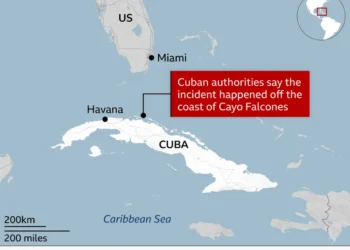 American Citizen Killed in Cuba Boat Shooting, U.S. Officials Say
 Iran’s Regime Still Intact — Coming Days Will Test Its Survival
 Mayor Spends £20m to Encourage More Bus Trips
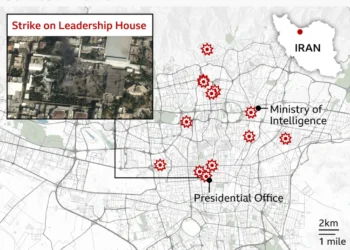 In Maps: Strikes Across Iran and the Middle East
 Brit ‘in Good Spirits’ Amid Dubai Missile Attacks, Stranded but Safe
 Civilian Deaths in Iran Pass 700 Amid Fear of Bombs and Regime Clampdown
 ‘Every Day Feels Like a Month’: Iranians Describe Life Under ‘Constant’ US‑Israeli Strikes
 Penny Wong silent on Australian crew in sub strike
 Finland Plans to Lift Decades‑Old Ban on Hosting Nuclear Weapons
 Trump Pressures Congress Over Save America Act
 Iran War Puts Trump at Political Risk Amid Rising Prices
 Goma Drone Attack Kills Three as Conflict Escalates
 Queensland Protest Laws Spark Free Speech Backlash
 Trump Nato threats expose Iran strategy vacuum
 Trump Facing Backlash from Epstein Survivors Over Files
 UK Forces Ready to Seize Russian Shadow Fleet Vessels
 Trump Considers Military Operation to Seize Iran’s Uranium
 “It Ends With Trial”: Judge Tosses Blake Lively’s Sexual Harassment Claims Against Justin Baldoni
 The Banbridge Rescue: 300 Sheep Saved from Massive Hay Shed Inferno
 Report Says Pezzullo Acted ‘Recklessly’ in Dealings
 Oil and Diplomacy: Russian Refineries Burn as Zelenskyy Secures Middle East Shield
 Electric Shock: Australians Buy Record Number of New EVs as Fuel Crisis Bites
 The Suffocating Silhouette: Why Metal’s Mask Trend is Turning Deadly
 The Great Chokehold: Why the Strait of Hormuz is the Epicenter of the 2026 Crisis
 Moldova River Crisis Exposes War’s Hidden Cost
 Tragedy Strikes Outside Melbourne Comic Con
 The Fog of War and the Ticker Tape: Suspicious Trades Rile Washington
 Justice and Deceit: High Court Convicts Woman in Hong Kong Blackmail Plot
 “Three-Wheeled Triumph”: Mayor of Erewash Completes 2,000-Mile European Charity Run
 Tragedy in the Red Centre: Outback Search Ends in Discovery of Missing Girl’s Body
 “An Endurance Test for the Mind”: British Couple Sentenced to 10 Years in Tehran
 US to Escort Trapped Ships Through the Strait of Hormuz
 “The Pivot to Pakistan”: Trump Pauses ‘Project Freedom’ in Hormuz Amid Iran Deal Hopes
 “The Digital Frontier”: Scotland’s Papers Grapple with AI Harassment and ‘Mortgage Bottlenecks’
 “The Local Gavel”: Polls Open Across Hampshire and Isle of Wight in Delayed ‘Milestone’ Vote
 Putin Signals War End as Russian Momentum Stalls
 Philippine Senator Flees After Days Under Senate Siege
 High Street Crisis: Fears Grow Over Post Office Closures
 “Eyes in the Sky, Spikes on the Ground”: Advanced Satellite Imagery and AI Algorithms Deployed Across Britain to Save the Vanishing Hedgehog
 “A Historic Tumble”: Lost 1930s Film Reel Reveals the Untamed Origins of Gloucestershire’s Legendary Cheese-Rolling
 Pope Meets Families in Italy Toxic Waste Zone
 UN Issues Urgent Warning: Imminent Return of El Niño
 Israel, Lebanon Agree on Fragile Ceasefire Deal
 UK Faces Most Dangerous Era, Military Chief Warns
 Fans Bring Flags and Fire to World Cup Scenes
 Israel Strikes Iran After Missile Attack
 US Launches Strikes on Iran After Military Helicopter Downed Near Strait of Hormuz
 UK Economy Suffers a Sharp Downturn as Iran Conflict Bites
 Lamine Yamal’s Birthday: Football, Fame, and France