Published: 15 July 2026 | The English Chronicle Desk | The English Chronicle Online
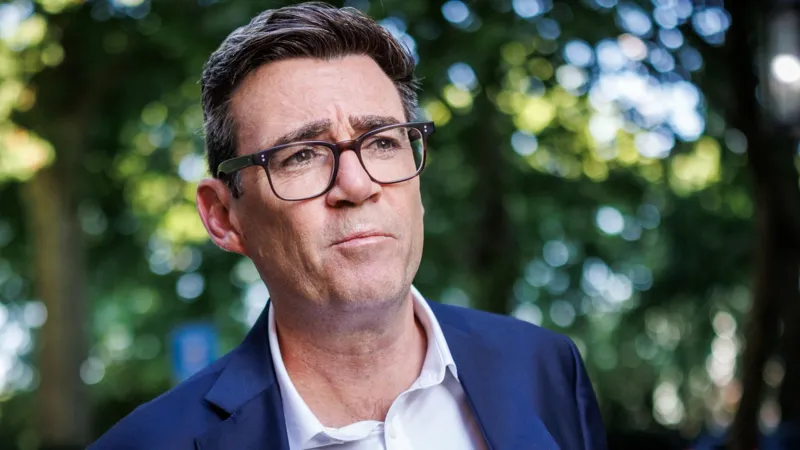
UK Prime Minister Andy Burnham has called for a comprehensive review of security arrangements for Members of Parliament following the death of MP Ann Widdecombe, saying the incident has highlighted the need to reassess how elected representatives are protected while carrying out their public duties.
The call comes as police continue investigating the circumstances surrounding Widdecombe’s death. Authorities have urged the public to avoid speculation while inquiries remain ongoing, stressing that investigators are working to establish all the facts before drawing conclusions.
Burnham said the tragedy had raised important questions about the safety of politicians, who increasingly face security threats while balancing the need to remain accessible to the communities they serve.
Speaking after the incident, the Prime Minister said Parliament and security agencies should examine whether existing protective measures remain sufficient in light of changing risks.
He emphasised that democracy depends on elected representatives being able to engage openly with constituents without fearing for their personal safety.

“The safety of public servants must remain a national priority,” Burnham said, adding that any review should consider both physical security and the growing impact of online threats against politicians.
Officials indicated that the review would examine current policing arrangements, intelligence sharing, constituency office security and guidance provided to MPs when attending public events.
While no specific reforms have yet been announced, ministers said lessons would be drawn from previous security reviews as well as the latest investigation.
Law enforcement agencies have continued gathering evidence while maintaining a significant investigative presence.
Officers are examining witness statements, forensic evidence and digital material as they seek to establish the circumstances surrounding the incident.
Police have confirmed that arrests have been made as part of the investigation but have cautioned that inquiries remain at an early stage.
Investigators have repeatedly stressed that it would be inappropriate to speculate about motives or potential charges until the evidence has been fully assessed.
The Crown Prosecution Service will determine whether any criminal charges should be brought once investigators submit their findings.
The death has renewed debate over the risks faced by elected officials across the United Kingdom.
In recent years, MPs from multiple political parties have reported increasing levels of abuse, harassment and intimidation, both online and during constituency engagements.
Many parliamentarians have spoken publicly about receiving threatening messages through social media, email and other communication platforms.
Some have also experienced harassment while attending public meetings or constituency surgeries designed to allow residents to raise concerns directly with their elected representatives.
Political analysts say these developments have contributed to growing concern about whether the current balance between public accessibility and personal safety remains appropriate.
The United Kingdom has previously strengthened security measures following attacks targeting elected representatives.
Protective arrangements have included enhanced police advice, improved constituency office security, emergency communication systems and funding for additional protective measures where necessary.
Parliamentary authorities regularly review guidance for MPs, particularly regarding public events and constituency meetings.
Security experts note that risk assessments have become increasingly sophisticated, with intelligence agencies and local police working more closely to identify potential threats.
However, they acknowledge that ensuring the safety of politicians remains particularly challenging because MPs are expected to maintain close contact with constituents.
One of the central challenges facing policymakers is preserving the openness that defines representative democracy.
Constituency surgeries, public meetings and community events allow voters to engage directly with elected representatives, helping strengthen accountability and public trust.
Security specialists caution that excessive restrictions could unintentionally weaken those democratic connections.
At the same time, they argue that modern threat environments require continuous adaptation of protective strategies.
Finding the right balance between openness and security is expected to become a major focus of any official review.
Political leaders from across the parliamentary spectrum have expressed support for examining current security arrangements.
Several MPs said the issue extends beyond party politics and concerns the ability of all elected representatives to perform their duties without fear of violence or intimidation.
Many also paid tribute to Widdecombe’s years of public service, describing her as a committed parliamentarian who remained actively engaged with public life.
Parliamentary colleagues have called for respectful public discourse while encouraging constructive debate about how democratic institutions can be better protected.
Security professionals argue that protecting MPs requires more than increased physical security.
They point to the importance of intelligence gathering, threat assessment, digital monitoring and cooperation between police forces, parliamentary authorities and local communities.
Experts also emphasise the growing significance of addressing online radicalisation, coordinated harassment campaigns and the rapid spread of threatening content through digital platforms.
Some believe additional training for MPs and parliamentary staff could help improve awareness of emerging security risks.
The government says any review will aim not only to improve safety but also to strengthen public confidence in democratic institutions.
Officials argue that attacks or threats directed at elected representatives affect more than individual politicians—they undermine public participation and democratic debate.
Maintaining confidence that public officials can serve safely is therefore considered an essential element of democratic governance.
Constitutional experts note that protecting elected representatives ultimately safeguards voters’ ability to communicate directly with those who represent them.
The proposed review is expected to involve consultations with police, intelligence agencies, parliamentary security officials and representatives from across the political spectrum.
Recommendations could address physical security measures, funding arrangements, constituency office protections and procedures governing public engagements.
The government has indicated that any reforms will seek to preserve openness while responding to evolving security challenges.

Meanwhile, police continue urging patience as the criminal investigation progresses.
Authorities have emphasised that establishing the facts surrounding Widdecombe’s death remains their immediate priority before broader policy decisions are taken.
As Parliament reflects on the tragedy, Burnham’s call for a comprehensive review signals that the government believes the incident should prompt a wider conversation about how Britain protects those elected to public office.
The outcome of that review may shape parliamentary security policy for years to come, balancing the need for accessible democracy with the responsibility to safeguard those who serve it.
Related News:
 Tasers Introduced in UK Prisons to Combat Rising Violence and Protect Staff
 MPs Warn Thousands Still Face Poverty Despite Labour’s Welfare Reform Retreat
 UK Government Unveils Tough Crackdown on Social Media Ads Promoting Illegal Channel Crossings
 Police Prepare for Potential Disorder as Far-Right Groups Promote Anti-Migrant Protests Across England
 Mass Arrests in London as Protest Defies Ban on Palestine Action
 Police Advised to Disclose Ethnicity of Suspects in High-Profile Cases
 UK Police Face ‘Chronic Pressure’ Amid Surge in Protests Over Asylum and Gaza
 Urgent Action Needed on Windrush Compensation as Survivors Speak of “Waiting to Die”
 Graffiti Targeting Angela Rayner Removed After Resident Foots the Bill
 Peter Mandelson Referred to Jeffrey Epstein as ‘My Best Pal’ in 50th Birthday Letter
 Peter Mandelson’s Letter to Jeffrey Epstein Sparks Renewed Scrutiny
 UK Home Office to Launch French Beach Signage to Warn Asylum Seekers of Risks
 Zarah Sultana Seeks Legal Action After Bitter Clash with Jeremy Corbyn Over Party Membership Funds
 Anti-Immigration Protesters and Counter-Protesters Clash in Glasgow
 UK Recognises State of Palestine in Push to Preserve Hope for Peace
 Far-Right Facebook Groups Fuel Radicalisation in the UK, Investigation Reveals
 Metropolitan Police Considers Requiring Officers to Declare Freemasonry Membership
 Jailed Georgian Opposition Leaders Warn UK of Iranian Links to Ruling Party
 UK Police to Gain New Powers to Manage Repeated Protests, Home Office Announces
 Stephen Lawrence’s Father Demands Justice Before Killer’s Parole
 Starmer Condemns 7 October Student Protests as ‘Un-British’
 Boris Johnson Breached Rules on Post-Office Business Contacts
 Zarah Sultana and Jeremy Corbyn Reunite Amid New Party Plans
 UK Charities Warn Rising Hate Threatens Staff Safety
 Human Rights Groups Challenge UK-France “One in, One Out” Deal
 Southport rioter dies in cell after prison disciplinary charge
 Prince Andrew met alleged Chinese spies during Pitch@Palace China trips
 Kosovo agrees to host Britain’s refused asylum seekers
 Sex offenders to lose parental rights for children born of rape
 China Spy Case Hearing Reveals Key Gaps in Prosecution
 Reform Councillor Defects to Tories Over ‘Uncomfortable’ Policies
 FBI Director Kash Patel Defends Girlfriend Amid Government Jet Claims
 French Taxi Driver Cleared in David Lammy Theft Case After Fare Dispute
 Company linked to Michelle Mone owes £39m in tax
 Met Police Culture Makes Racial Harm ‘Inevitable’
 Eleven Arrested After Pro-Palestine Protest at Villa Match
Boris Johnson accused of undermining BBC leadership
Eleven Arrested After Pro-Palestine Protest at Villa Match
Boris Johnson accused of undermining BBC leadership
 Remaining rebel Labour MPs have whip restored
 ‘Reckless’ cuts to victims’ services will cost more than they save
 BBC Faces Backlash as Reform UK Withdraws from Film
 British state supplied victims to ‘worst sex offender in history’
 New review urges UK to repatriate Shamima Begum, others from Syria
 Victims’ commissioner Baroness Newlove dies aged 63
 Navy cuts scrap key landing upgrade for UK F-35B jets
 UK Candidate Moved to Safe House After Election Threats
 Most Tories Expect to Support a Farage-Led Government
 Ex-Classmate Accuses Farage of Dishonesty on Racism Claims
 Ex-Brexit MEP Rejects Claim of Pro-Russia Payments
 ‘It’s a Complete Scandal’: Aristocrat’s Fight for Prison Children
 Police response times face strict new national limits
 Emails Show Epstein Funded Mandelson’s Husband After Jail
 Police Probe Mandelson Over Alleged Epstein Leak
 Last‑ditch Call to Save Police Front Counters in London
 How Much Could Andrew’s Arrest Hurt the Royal Family?
 Andrew Released Under Investigation After Arrest
 Brown Urges Police Probe into Whether Andrew Used RAF Bases to Meet Epstein
 Labour MP’s Partner Arrested on Suspicion of Spying for China
 Police Scotland Pays £8m Compensation to Staff
 Jobless Man on £15k Benefits Accused of Hurling Abuse at Anti-Migrant Demo
 Case Closed: No Criminal Wrongdoing by Officer in Simpson Murder Investigation
 Mass Arrests at London Palestine Protest Spark Debate
 NHS Safety Fears as Nurses Cover Doctor Gaps
 “Horrified and Heartbroken”: Mother of Golders Green Victim Speaks Out After Terror Attack
 The “Invisible” Tape: Leaked Video Contradicts Police Denial in Brutal Arrest Case
 High Street “Lawlessness”: Council Staff Under Attack from “Link-up” Gangs
 A “Breaking Point” for Britain: Terror Adviser Warns Antisemitism is Now a National Security Emergency
 “I Won’t Be Silenced”: Candidate Reveals Arson Threat as “Political Terror” Grips Local Elections
 Under the Lens: Senior Officer Suspended as IOPC Probes “Disturbing” Arrest Footage
 “Community Shield”: Met Police Deploy Specialist 100-Officer Team to Guard London’s Jewish Postcodes
 US Criticises UK Policing After Henry Nowak Case
 US Condemns Alleged ‘Two-Tier’ UK Policing
 Teen Among Arrests at Nowak Protest as Three Charged
 Henry Nowak Murder: How the Case Shocked Britain and Drew US Attention
 Starmer Says ‘Justice Has Been Done’ After Arson Attacks
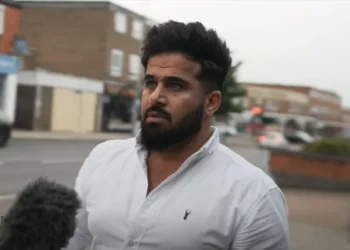 MP Says Convicted People Smuggler Living in County Is ‘Unacceptable’ as Calls Grow for Tougher Action
 Review Calls for Major Overhaul of Police Leadership
 Watchdog Says MI5 Knew Agent’s Violent Misogynistic Views
 Tagging Scheme Risks Public Safety
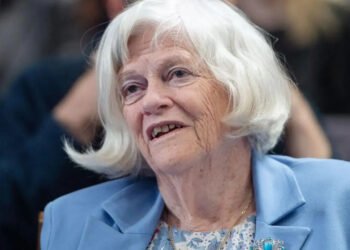 Murder Probe Continues After Arrest Release
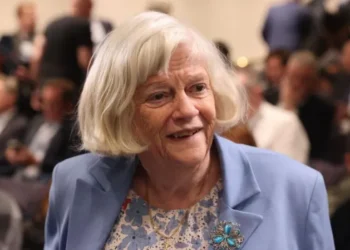 Police Rule Out Political Motive in Widdecombe Killing