Published: 07 October 2025. The English Chronicle Desk.
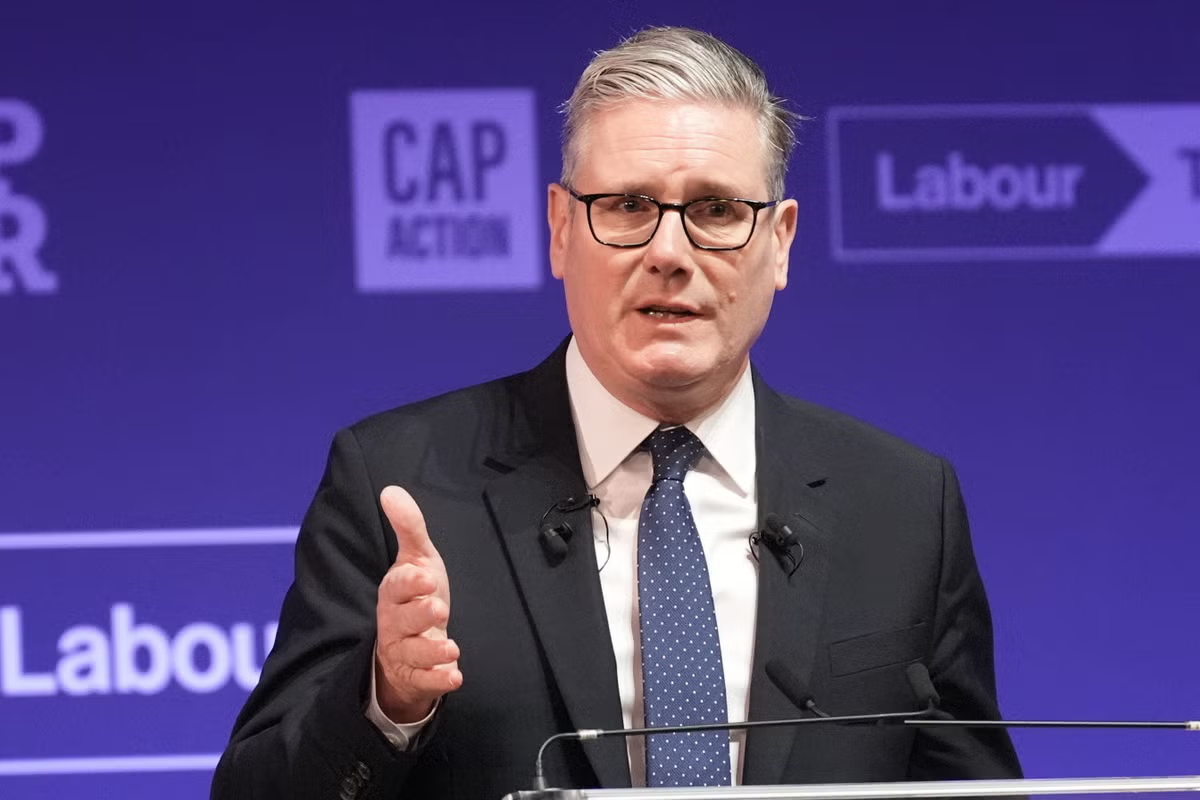
As the second anniversary of the Hamas-led attacks on Israel approaches, UK Prime Minister Keir Starmer has strongly urged students not to take part in planned demonstrations, describing the protests as “un-British” and emphasising the need for respect and empathy in light of the tragic events of 7 October 2023. Starmer’s intervention comes amid growing concerns over demonstrations at universities, which he warned could be misused to target Jewish communities.
Writing in the Times, Starmer highlighted the importance of remembering the victims of the 2023 assault, in which Hamas militants killed approximately 1,200 people and took 251 hostages in southern Israel. The prime minister stressed that every child in Israel should be able to live alongside their Palestinian neighbours in safety and security, framing the anniversary as a moment for reflection rather than political confrontation. He noted that the pro-Palestinian protests had in previous years been exploited by some as a “despicable excuse to attack British Jews.”

“Today, on the anniversary of the atrocities of October 7, students are once again planning protests,” Starmer wrote. “This is not who we are as a country. It’s un-British to have so little respect for others. And that’s before some of them decide to start chanting hatred towards Jewish people all over again.”
The anniversary coincides with continued humanitarian and security crises in the region. Israel’s ongoing military offensive in Gaza has resulted in the deaths of more than 67,000 Palestinians and left approximately 170,000 wounded, according to the Gaza Health Ministry. Additionally, at least 460 people have died from starvation due to severe restrictions on aid deliveries to the territory.
The timing of the anniversary is particularly sensitive following a recent terror attack outside the Heaton Park Hebrew Congregation Synagogue in Manchester. On Yom Kippur, Jihad Al-Shamie, 35, launched an assault that left Adrian Daulby, 53, and Melvin Cravitz, 66, dead. Starmer recalled the severity of these events, describing them as “the worst attack on the Jewish people since the Holocaust” and emphasizing the cold-blooded nature of the killings and hostage-taking, some of whom remain in Gaza today.
The prime minister’s warnings were echoed by Education Secretary Bridget Phillipson, who urged students to exercise caution and to consider the wider impact of their actions. Speaking to Sky News, Phillipson acknowledged the right to protest as a cornerstone of democracy but stressed that demonstrations on this date could cause distress to those affected by the events in Israel and recent attacks in the UK. “As we remember the awful atrocities that took place two years ago on October 7, I would just encourage those considering taking part in protests to pause, to reflect and to understand the deep sense of loss that many people in our country will be experiencing today,” she said.
Large-scale events have already taken place over the weekend, drawing thousands to central London. A commemoration was held at Trafalgar Square on Sunday to mark the two-year anniversary of the attacks, while pro-Palestinian protests occurred on Saturday at the same location, resulting in nearly 500 arrests. These incidents have intensified debates over the limits of free expression, public safety, and the responsibilities of university administrations in managing demonstrations on sensitive dates.
Conservative politicians have also joined the chorus of concern. Shadow Justice Secretary Robert Jenrick described the planned university protests as “a disgrace,” speaking at a fringe event during the party conference. Jenrick criticized the scheduling of demonstrations in cities including London, Manchester, Glasgow, Edinburgh, and Bristol, highlighting the potential for public disorder and harm to community cohesion.
Home Secretary Shabana Mahmood emphasized the impact of repeated large-scale demonstrations on the Jewish community, citing “considerable fear” as a consequence. She announced plans to enhance police powers under the Public Order Act 1986, particularly sections 12 and 14, to enable authorities to consider the cumulative effects of frequent protests on local areas. The measures will also include a review of existing legislation to ensure police have sufficient, consistent authority to impose restrictions on, or ban, demonstrations if public safety is at risk.
The government’s approach reflects a balancing act between protecting the right to peaceful protest and preventing the glorification of violence or the targeting of minority communities. Authorities have underscored that lawful demonstrations are permitted, but any actions that endorse or justify terrorism, or that incite hatred, may result in criminal prosecution.

As universities prepare for events on Tuesday, students are being urged to carefully weigh the legal and ethical implications of participation. University leaders and government officials alike have called for calm, responsible engagement, emphasizing that freedom of expression must be exercised with awareness of its consequences, particularly on a day marked by profound loss and ongoing tensions.
The anniversary of 7 October thus serves as a reminder of both the continuing human toll in Israel and Gaza and the responsibilities of citizens, students, and institutions in the UK to ensure that remembrance and protest do not cross into the realm of incitement or hatred. With tensions high and emotions raw, the coming days will test the capacity of authorities and communities to manage public expression while maintaining social cohesion and public safety.
Related News:
 Tasers Introduced in UK Prisons to Combat Rising Violence and Protect Staff
 UK Government Unveils Tough Crackdown on Social Media Ads Promoting Illegal Channel Crossings
 Police Prepare for Potential Disorder as Far-Right Groups Promote Anti-Migrant Protests Across England
 Mass Arrests in London as Protest Defies Ban on Palestine Action
 Police Advised to Disclose Ethnicity of Suspects in High-Profile Cases
UK police plans to reveal suspects’ ethnicity spark fears of “dog-whistle politics”
Police Advised to Disclose Ethnicity of Suspects in High-Profile Cases
UK police plans to reveal suspects’ ethnicity spark fears of “dog-whistle politics”
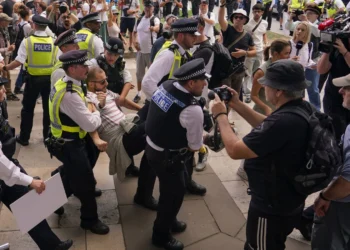 UK Police Face ‘Chronic Pressure’ Amid Surge in Protests Over Asylum and Gaza
 Graffiti Targeting Angela Rayner Removed After Resident Foots the Bill
 Peter Mandelson Referred to Jeffrey Epstein as ‘My Best Pal’ in 50th Birthday Letter
 Peter Mandelson’s Letter to Jeffrey Epstein Sparks Renewed Scrutiny
 Charlie Kirk Killing Used to Mobilise UK’s Largest Far-Right Rally in Decades
 Far-Right Facebook Groups Fuel Radicalisation in the UK, Investigation Reveals
 Metropolitan Police Considers Requiring Officers to Declare Freemasonry Membership
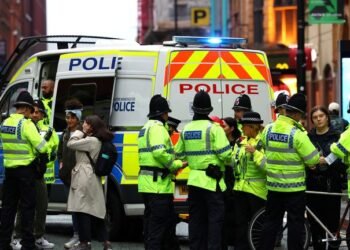 UK Police to Gain New Powers to Manage Repeated Protests, Home Office Announces
 Stephen Lawrence’s Father Demands Justice Before Killer’s Parole
 Teen and Man Arrested Over Nursery Cyber Attack Exposing 8,000 Children
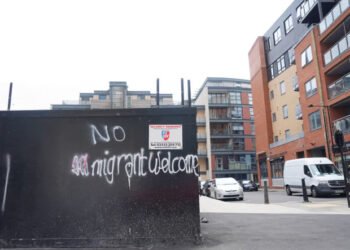 UK Charities Warn Rising Hate Threatens Staff Safety
 Agnes Wanjiru’s niece urges Labour to expedite ex-soldier’s extradition
 Southport rioter dies in cell after prison disciplinary charge
 Starmer’s grooming gang inquiry in turmoil after two survivors quit
 Reform Councillor Defects to Tories Over ‘Uncomfortable’ Policies
 FBI Director Kash Patel Defends Girlfriend Amid Government Jet Claims
 French Taxi Driver Cleared in David Lammy Theft Case After Fare Dispute
 Company linked to Michelle Mone owes £39m in tax
 Met Police Culture Makes Racial Harm ‘Inevitable’
 Eleven Arrested After Pro-Palestine Protest at Villa Match
 ‘Reckless’ cuts to victims’ services will cost more than they save
 British state supplied victims to ‘worst sex offender in history’
 New review urges UK to repatriate Shamima Begum, others from Syria
 Victims’ commissioner Baroness Newlove dies aged 63
 UK Candidate Moved to Safe House After Election Threats
 Ex-Classmate Accuses Farage of Dishonesty on Racism Claims
 Ex-Brexit MEP Rejects Claim of Pro-Russia Payments
 UK Must Act with Courage and Clarity on Israel-Palestine Conflict, Says Foreign Affairs Committee Report
 Targeted Attack in Bury Sparks Murder Investigation as Community Awaits Justice
 Man Remanded After Children Fall Ill at Leicestershire Summer Camp in Shocking Child Cruelty Case
 Chancellor Faces Mounting Pressure Amid “Impossible Trilemma” Over Tax Rises
 Radioactive Leak at UK’s Nuclear Warhead Base Sparks Outcry Over Safety and Secrecy
 Mutual Inconvenience: Why Alaska Was Chosen for the Trump-Putin Summit on Ukraine
 UK Government Expands ‘Deport Now, Appeal Later’ Policy to 23 Countries
 Chancellor Rachel Reeves Pushes for Sweeping Changes to Environmental Protections to Accelerate Development
 Larger Families Could Gain Thousands if Labour Ends Two-Child Benefit Cap
 Merseyside Police Helicopter Crew Cleared After Low-Altitude Pursuit of Suspect
 Is the UK Ready to Put Boots on the Ground in Ukraine? Assessing Military Capacity and Challenges
Palestine Action Ban Protesters Plan Tactic to Overwhelm Police at Next London Demonstration
Is the UK Ready to Put Boots on the Ground in Ukraine? Assessing Military Capacity and Challenges
Palestine Action Ban Protesters Plan Tactic to Overwhelm Police at Next London Demonstration
 Police Scotland Spends £500,000 Compensating Officers Over Trump Visit
 Britain’s Migration Challenge: Rising Asylum Numbers and Hotel Pressures
 Elon Musk Sparks New Controversy by Backing Tommy Robinson Amid Farage Feud
 Urgent Action Needed on Windrush Compensation as Survivors Speak of “Waiting to Die”
 Tanni Grey-Thompson Faces Abuse Over Opposition to Assisted Dying Bill
 TfL Invites RMT to Resume Talks as London Tube Strikes End
 Prime Suspect in Madeleine McCann Case Declines Metropolitan Police Interview Ahead of German Prison Release
 Zarah Sultana Seeks Legal Action After Bitter Clash with Jeremy Corbyn Over Party Membership Funds
 Nigel Farage Unveils Controversial Immigration and Welfare Plans at Reform UK Press Conference
 Mahmood Pledges Reform of Modern Slavery Laws After Court Blocks Deportation Appeal
 Ed Miliband Warns UK Government on X, Citing Elon Musk as a “Dangerous Influence”
 No Evidence Found to Substantiate Alleged Rape in Oxfordshire Churchyard, Police Confirm
 Digital ID Plans Ignite Debate Over £600m Treasury Tax Boost and Privacy Concerns
 Public Trust in SNP Hits Historic Low Amid NHS Concerns
 Yvette Cooper Backs Digital ID Plan for UK Teens
 Ian Watkins Killed in Prison; Ex-Girlfriend Speaks Out
 Johnson Suggests Mandelson Linked to China Spy Controversy
 Ministry of Justice fails to file £11bn in spending receipts
 Rachel Reeves signals welfare reform ahead of key budget
 Reform UK candidate fined £19,000 after using AI-generated cases to challenge election
 William Steps Up Over Prince Andrew Palace Response
 Green Party Surges Past Labour in Latest UK Poll
 Zarah Sultana Launches Party to Change Politics
 Mass Stabbing on Doncaster to London Train Leaves Ten Injured
 Just Stop Oil Protesters Convicted Amid Climate Defence Row
 How to get help when a child goes missing – call 999 urgently
 Starmer Faces Growing Dissent as Labour MPs Weigh Leadership Challenge
 Pressure Mounts on Starmer to Sack Chief of Staff Over Briefing Row
 Peers Flood Assisted Dying Bill with 942 Amendments
 Mother Watches in Horror as Teen Daughter Dies on Tracks
 Serial Rapist and Former Cop Found Guilty Again
 Venezuela Threatens Nobel Winner Machado with Fugitive Status
 Most Tories Expect to Support a Farage-Led Government
 Labour MP claims devolution bill is ‘blatant discrimination’ against Cornwall
 Millions Face Higher Taxes Under Reeves New Budget