Published: 17 October 2025. The English Chronicle Desk. The English Chronicle Online.
An inquest has revealed the tragic death of a man jailed for his involvement in the Southport riots, who was found dead in his prison cell shortly after being charged with breaching prison rules. The circumstances surrounding his death have raised significant concerns about prison procedures, inmate welfare, and the mental health support available to those serving sentences.
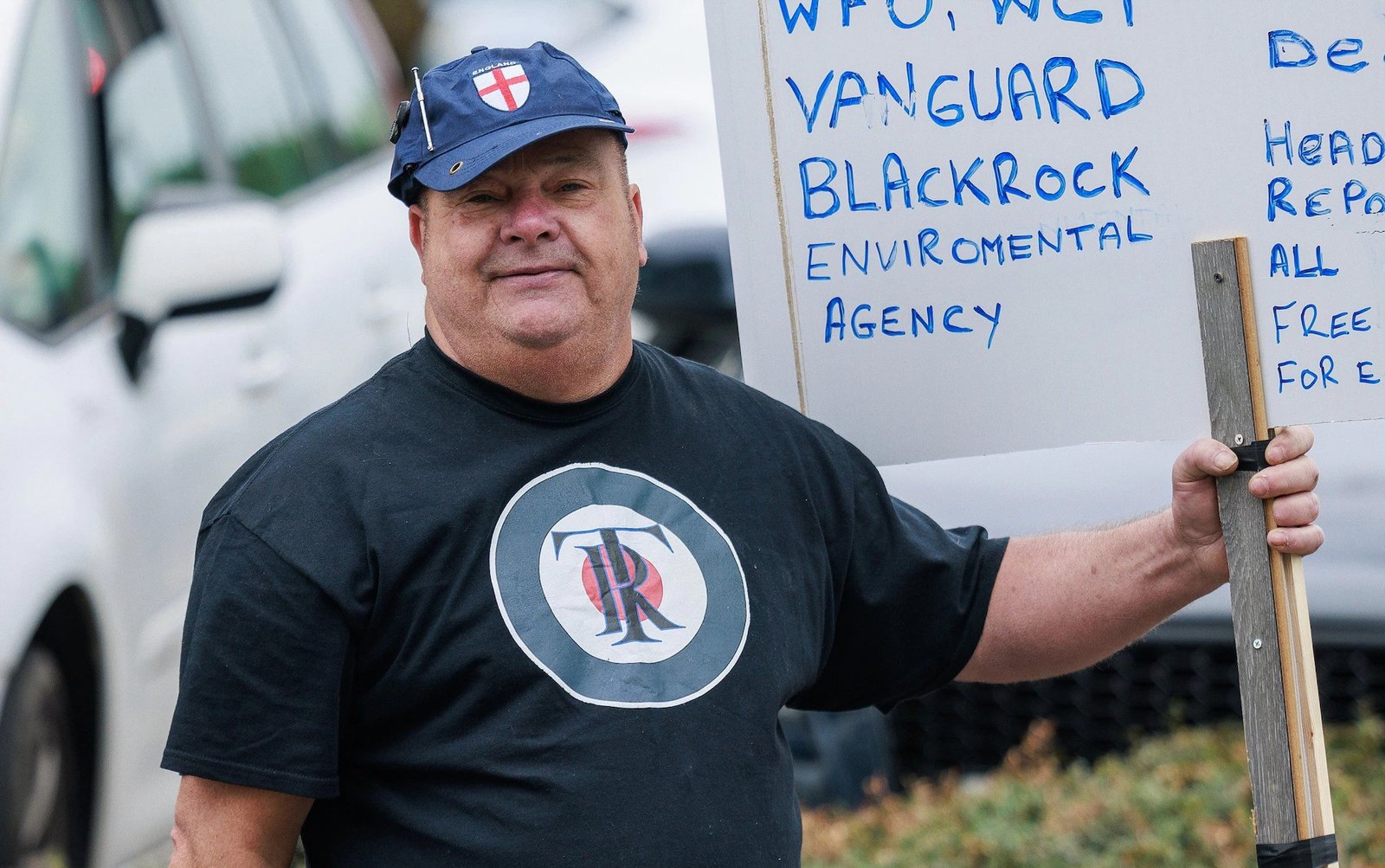
The man, identified as Peter Lynch, 61, had been a prominent figure during the riots outside the Holiday Inn Express in Rotherham. Witnesses and photographs from the events show him standing at the forefront of a large, agitated crowd, shouting phrases such as “scum” and “child killers” at police officers. He was also seen carrying a placard that accused members of parliament, the judiciary, the media, and the police of widespread corruption. His participation in the protests, which escalated into violent disorder, eventually led to his conviction and imprisonment.

Lynch was convicted in August 2024 at Sheffield Crown Court on charges related to violent disorder. During the trial, prosecutors argued that while Lynch had not physically assaulted any police officers, his conduct had incited others to engage in violent acts, and he had actively contributed to the chaos that engulfed the streets. He was sentenced to two years and eight months in prison. Following his initial custody at HMP Doncaster, he was transferred to HMP Moorland on 2 September 2024 to continue serving his sentence.
On the evening of 18 October 2024, Lynch was presented with “adjudication papers” related to an alleged breach of prison rules. The exact nature of the alleged infraction has not been disclosed, but court documents revealed that Lynch considered the charge unjust and disagreed with the account of his actions as provided by prison officers. The following morning, on 19 October 2024, he was discovered dead in his cell. Doncaster’s senior coroner, Nicola Mundy, later confirmed that the cause of death was hanging.
At a pre-inquest review held recently, Ms. Mundy outlined that the upcoming jury would be asked to consider Lynch’s mental health, as well as the medical assessments conducted when he was initially arrested and placed into police custody. The coroner emphasised that understanding Lynch’s state of mind and the impact of his health conditions would be central to the inquest’s findings.
Lynch’s health had been a significant factor throughout his time in prison. Court records from his sentencing hearing highlighted that he suffered from diabetes, thyroid problems, angina, and had recently experienced a heart attack. Judge Jeremy Richardson KC, presiding over the sentencing, noted that while Lynch had not directly attacked officers, his conduct in encouraging others to act violently was serious. Body-worn camera footage from the events outside the Holiday Inn Express showed Lynch repeatedly confronting police officers, shouting, and asserting that he was “protecting his children” while accusing authorities of protecting those “who are killing and harming children.”
The Southport riots themselves were part of a series of protests that erupted in Rotherham during 2024. The unrest involved hundreds of individuals and resulted in injuries to 64 police officers, as well as harm to several police dogs and a horse. Following the disturbances, over 100 men have been convicted at Sheffield Crown Court for their roles in the riots. Lynch’s case was one of the most high-profile, due to his front-line role and the intensity of his actions during the events.
Outside the courtroom, Lynch was known as a family man. He had been married for 36 years and was the father of four adult children. He also had three grandchildren. Friends and family described him as devoted and deeply concerned about the welfare of his children, which they said had motivated his participation in the protests. They acknowledged his health challenges but expressed shock over the circumstances of his death, describing the loss as devastating for the family.
The inquest has already raised difficult questions regarding the treatment of inmates facing disciplinary action in UK prisons. While no details of the alleged rule breach have been publicly released, the timing of Lynch’s death—immediately following the receipt of the adjudication papers—has drawn scrutiny. Coroner Nicola Mundy has stressed the need for the jury to examine the mental health support available to prisoners, the procedures surrounding disciplinary charges, and whether sufficient care was provided to Lynch in the critical hours leading up to his death.
Experts in prison welfare have noted that disciplinary charges can place significant stress on inmates, particularly those with pre-existing health conditions or vulnerabilities. The combination of physical illness, mental strain, and feelings of perceived injustice may contribute to elevated risks of self-harm or suicide. In this context, the jury will be asked to carefully assess whether Lynch’s death could have been prevented through timely intervention or enhanced monitoring.
The broader implications of the case extend to discussions about prison oversight, transparency, and accountability. Lynch’s death echoes concerns voiced by advocacy groups who call for improved mental health services within the prison system and more rigorous safeguards for prisoners who may be at risk of self-harm. The case highlights the need for comprehensive assessments when individuals enter custody, as well as ongoing support for those facing disciplinary proceedings.
As the inquest proceeds, the jury will examine evidence including prison records, witness testimonies, medical assessments, and statements from family members. Ms Mundy has indicated that she hopes the inquest will provide clarity on the circumstances surrounding Lynch’s death, as well as lessons to inform prison policy and procedures going forward.

In addition to the legal and procedural aspects of the case, Lynch’s death serves as a reminder of the human toll behind public disturbances and criminal proceedings. While his actions during the riots were condemned in court, the personal, familial, and health-related dimensions of his life paint a more complex picture of a man struggling with both physical ailments and moral conviction.
Observers of the case have noted the delicate balance the jury must maintain between assessing Lynch’s actions as part of a violent mob and understanding the pressures and vulnerabilities he faced while in prison. The verdict may influence future approaches to prisoner welfare, particularly for older inmates with significant health concerns who face disciplinary action.
The inquest into Peter Lynch’s death is expected to continue over the coming weeks, with a focus on the interplay between his health, mental state, and the prison system’s handling of disciplinary matters. It represents an opportunity not only to establish the facts surrounding a tragic death but also to consider reforms aimed at preventing similar incidents in the future.
Lynch’s case is a stark example of how high-profile criminal convictions intersect with issues of mental health, family responsibility, and prison administration. As the jury deliberates, the findings may shed light on the responsibilities of the UK prison system to safeguard all inmates, regardless of the severity of their crimes or the circumstances of their incarceration.
Related News:
 Tasers Introduced in UK Prisons to Combat Rising Violence and Protect Staff
 UK Government Unveils Tough Crackdown on Social Media Ads Promoting Illegal Channel Crossings
 Police Prepare for Potential Disorder as Far-Right Groups Promote Anti-Migrant Protests Across England
 Mass Arrests in London as Protest Defies Ban on Palestine Action
 Police Advised to Disclose Ethnicity of Suspects in High-Profile Cases
UK police plans to reveal suspects’ ethnicity spark fears of “dog-whistle politics”
Police Advised to Disclose Ethnicity of Suspects in High-Profile Cases
UK police plans to reveal suspects’ ethnicity spark fears of “dog-whistle politics”
 UK Police Face ‘Chronic Pressure’ Amid Surge in Protests Over Asylum and Gaza
 Graffiti Targeting Angela Rayner Removed After Resident Foots the Bill
 Peter Mandelson Referred to Jeffrey Epstein as ‘My Best Pal’ in 50th Birthday Letter
 Peter Mandelson’s Letter to Jeffrey Epstein Sparks Renewed Scrutiny
 Charlie Kirk Killing Used to Mobilise UK’s Largest Far-Right Rally in Decades
 Far-Right Facebook Groups Fuel Radicalisation in the UK, Investigation Reveals
 Metropolitan Police Considers Requiring Officers to Declare Freemasonry Membership
 UK Police to Gain New Powers to Manage Repeated Protests, Home Office Announces
 Stephen Lawrence’s Father Demands Justice Before Killer’s Parole
 Starmer Condemns 7 October Student Protests as ‘Un-British’
 Teen and Man Arrested Over Nursery Cyber Attack Exposing 8,000 Children
 UK Charities Warn Rising Hate Threatens Staff Safety
 Agnes Wanjiru’s niece urges Labour to expedite ex-soldier’s extradition
 Starmer’s grooming gang inquiry in turmoil after two survivors quit
 Reform Councillor Defects to Tories Over ‘Uncomfortable’ Policies
 FBI Director Kash Patel Defends Girlfriend Amid Government Jet Claims
 French Taxi Driver Cleared in David Lammy Theft Case After Fare Dispute
 Company linked to Michelle Mone owes £39m in tax
 Met Police Culture Makes Racial Harm ‘Inevitable’
 Eleven Arrested After Pro-Palestine Protest at Villa Match
 ‘Reckless’ cuts to victims’ services will cost more than they save
 British state supplied victims to ‘worst sex offender in history’
 New review urges UK to repatriate Shamima Begum, others from Syria
 Victims’ commissioner Baroness Newlove dies aged 63
 UK Candidate Moved to Safe House After Election Threats
 Ex-Classmate Accuses Farage of Dishonesty on Racism Claims
 Ex-Brexit MEP Rejects Claim of Pro-Russia Payments
 UK Must Act with Courage and Clarity on Israel-Palestine Conflict, Says Foreign Affairs Committee Report
 Targeted Attack in Bury Sparks Murder Investigation as Community Awaits Justice
 Man Remanded After Children Fall Ill at Leicestershire Summer Camp in Shocking Child Cruelty Case
 Chancellor Faces Mounting Pressure Amid “Impossible Trilemma” Over Tax Rises
 Radioactive Leak at UK’s Nuclear Warhead Base Sparks Outcry Over Safety and Secrecy
 Mutual Inconvenience: Why Alaska Was Chosen for the Trump-Putin Summit on Ukraine
 UK Government Expands ‘Deport Now, Appeal Later’ Policy to 23 Countries
 Chancellor Rachel Reeves Pushes for Sweeping Changes to Environmental Protections to Accelerate Development
 Larger Families Could Gain Thousands if Labour Ends Two-Child Benefit Cap
 Merseyside Police Helicopter Crew Cleared After Low-Altitude Pursuit of Suspect
 Is the UK Ready to Put Boots on the Ground in Ukraine? Assessing Military Capacity and Challenges
Palestine Action Ban Protesters Plan Tactic to Overwhelm Police at Next London Demonstration
Is the UK Ready to Put Boots on the Ground in Ukraine? Assessing Military Capacity and Challenges
Palestine Action Ban Protesters Plan Tactic to Overwhelm Police at Next London Demonstration
 Police Scotland Spends £500,000 Compensating Officers Over Trump Visit
 Britain’s Migration Challenge: Rising Asylum Numbers and Hotel Pressures
 Elon Musk Sparks New Controversy by Backing Tommy Robinson Amid Farage Feud
 Urgent Action Needed on Windrush Compensation as Survivors Speak of “Waiting to Die”
 Tanni Grey-Thompson Faces Abuse Over Opposition to Assisted Dying Bill
 TfL Invites RMT to Resume Talks as London Tube Strikes End
 Prime Suspect in Madeleine McCann Case Declines Metropolitan Police Interview Ahead of German Prison Release
 Zarah Sultana Seeks Legal Action After Bitter Clash with Jeremy Corbyn Over Party Membership Funds
 Nigel Farage Unveils Controversial Immigration and Welfare Plans at Reform UK Press Conference
 Mahmood Pledges Reform of Modern Slavery Laws After Court Blocks Deportation Appeal
 Ed Miliband Warns UK Government on X, Citing Elon Musk as a “Dangerous Influence”
 Ed Miliband Urges Labour to Confront Billionaire-Backed Opposition to Net Zero Goals
 No Evidence Found to Substantiate Alleged Rape in Oxfordshire Churchyard, Police Confirm
 Kemi Badenoch Unveils ‘Golden Rule’ to Halve Spending Cuts for Deficit Reduction at Tory Conference
 Massive London Poundland Fire Engulfs High Street
 Paedophile Singer Ian Watkins Dies After Prison Attack
 DNA Test Confirms Alleged Stalker Is Not Madeleine McCann
 UK border officers deployed to Balkans to tackle migrant smuggling
 Rachel Reeves signals welfare reform ahead of key budget
 Reform UK candidate fined £19,000 after using AI-generated cases to challenge election
 William Steps Up Over Prince Andrew Palace Response
 Green Party Surges Past Labour in Latest UK Poll
 Zarah Sultana Launches Party to Change Politics
 Mass Stabbing on Doncaster to London Train Leaves Ten Injured
 Just Stop Oil Protesters Convicted Amid Climate Defence Row
 How to get help when a child goes missing – call 999 urgently
 Starmer Faces Growing Dissent as Labour MPs Weigh Leadership Challenge
 Pressure Mounts on Starmer to Sack Chief of Staff Over Briefing Row
 Peers Flood Assisted Dying Bill with 942 Amendments
 Mother Watches in Horror as Teen Daughter Dies on Tracks
 Serial Rapist and Former Cop Found Guilty Again
 Venezuela Threatens Nobel Winner Machado with Fugitive Status
 Most Tories Expect to Support a Farage-Led Government
 Labour MP claims devolution bill is ‘blatant discrimination’ against Cornwall
 Millions Face Higher Taxes Under Reeves New Budget