Published: 15 July 2026 | The English Chronicle Desk | The English Chronicle Online
The recently agreed trade deal between India and the United Kingdom is expected to reshape the flow of goods between the two countries, potentially offering consumers a wider range of products at more competitive prices. From premium Scotch whisky and luxury British goods to Indian textiles, clothing and food products, shoppers in both nations could see noticeable changes once the agreement is fully implemented.
Although the pact is primarily aimed at strengthening economic ties and boosting bilateral trade, consumers are likely to be among its biggest beneficiaries. Lower tariffs on selected imports, simplified customs procedures and improved market access are expected to reduce costs for businesses, savings that could eventually be passed on to customers.
Economists caution, however, that the impact will vary depending on individual products, supply chains and market competition, meaning price reductions may take time to materialise.

The India-UK trade agreement is designed to increase trade and investment by reducing barriers that have traditionally made imported goods more expensive.
Tariffs—taxes imposed on imported products—raise retail prices by increasing the cost of bringing goods into a country. Under the new agreement, many of these duties will be reduced or eliminated over time, making it cheaper for businesses to import qualifying products.
The agreement also seeks to simplify customs procedures, improve cooperation between regulators and create more predictable trading conditions for exporters and importers.
Business groups in both countries have welcomed the deal, describing it as one of the most significant economic agreements between India and the UK in recent years.
One of the sectors expected to benefit most is Scotland’s whisky industry.
India is one of the world’s largest whisky markets, but imported Scotch has traditionally been subject to high import duties, making it considerably more expensive than domestically produced alternatives.
As tariffs are gradually reduced, imported Scotch whisky could become more competitively priced, potentially expanding consumer choice and increasing sales.
Industry representatives believe lower duties may encourage premium brands to strengthen their presence in the Indian market while providing consumers with greater access to internationally recognised products.
The agreement may also reduce prices for a variety of British-made goods entering India.
Products such as cosmetics, fashion accessories, premium food items, confectionery and selected household goods could become more affordable if businesses pass tariff savings on to consumers.
Luxury retailers may also find it easier to expand operations in India’s rapidly growing consumer market.
Analysts note that actual retail prices will continue to depend on distribution costs, exchange rates and local taxes.
Consumers in the United Kingdom may also benefit from lower prices on products imported from India.
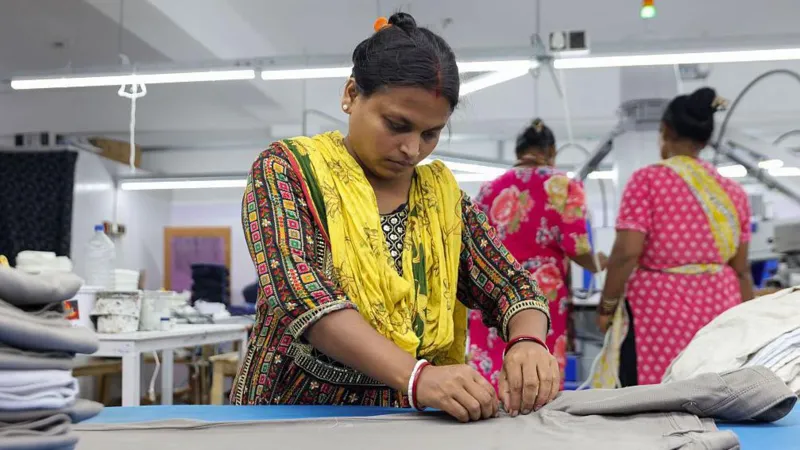
India is one of the world’s leading producers of textiles, garments and home furnishings.
Reduced trade barriers could make Indian-made clothing, bedding, towels and decorative household items more competitive in British stores.
Products associated with sporting events—such as high-quality towels similar to those famously used at Wimbledon—could become more accessible if manufacturers benefit from reduced export costs and improved market access.
Retailers may also expand their sourcing from Indian suppliers as trading conditions become more favourable.
India’s internationally recognised jewellery industry could also benefit from the agreement.
The country is a major centre for gemstone cutting, diamond polishing and gold jewellery manufacturing.
Lower trade barriers may encourage increased exports to Britain, potentially providing UK consumers with greater variety and competitive pricing across selected jewellery categories.
Industry experts say easier market access could also strengthen collaboration between British retailers and Indian manufacturers.
The agreement is expected to influence trade in food and agricultural products as well.
British producers may gain improved access to Indian markets for products including processed foods, beverages and speciality goods.
Meanwhile, Indian exporters could expand shipments of tea, spices, rice, seafood and other agricultural products to UK retailers.
Consumers in both countries may benefit from increased product diversity alongside stronger competition among suppliers.
However, food imports will continue to comply with national health, safety and quality standards.
While lower tariffs generally reduce import costs, experts caution that consumers should not expect immediate price reductions across every product category.
Retail prices depend on multiple factors, including:
- Shipping and logistics costs.
- Currency exchange rates.
- Domestic taxation.
- Retail competition.
- Supply chain expenses.
- Marketing and distribution costs.
Businesses may choose to pass savings directly to consumers or invest them in expanding operations and improving product availability.
As competition increases, economists believe market forces could gradually encourage lower prices.
The trade agreement extends well beyond consumer purchases.
Officials expect increased trade to support investment, job creation and business partnerships across manufacturing, technology, pharmaceuticals, financial services and education.
Companies operating internationally may benefit from simplified regulations and improved market certainty, encouraging long-term commercial relationships.
Supporters argue that stronger economic integration could also stimulate innovation by allowing businesses greater access to new markets and specialised suppliers.
Small and medium-sized enterprises (SMEs) may be among the biggest long-term beneficiaries.
Simplified export procedures and lower trade costs could enable smaller companies to enter international markets that were previously too expensive or administratively complex.
British artisan producers and Indian manufacturers alike may gain access to millions of new customers.
Trade organisations have called for government support to help smaller businesses understand and utilise the opportunities created by the agreement.
Despite widespread optimism, experts acknowledge that implementing a comprehensive trade agreement takes time.
Businesses must adapt supply chains, revise contracts and navigate updated customs procedures before consumers experience the full benefits.
Some industries may also face increased competition from imported goods, requiring domestic producers to improve efficiency and product quality.
Governments have pledged to monitor the agreement’s implementation to ensure that economic benefits are distributed fairly while protecting regulatory standards.

The India-UK trade agreement represents a significant milestone in the economic relationship between the two countries.
For consumers, the deal could eventually mean a broader selection of products, greater competition among retailers and, in some cases, lower prices on everyday and premium goods.
Whether shoppers are purchasing Scotch whisky, Indian textiles, premium clothing, jewellery or specialty food products, the agreement has the potential to reshape retail markets on both sides.
While its full impact will become clearer over time, economists agree that the deal lays the foundation for deeper commercial cooperation between two major economies, with benefits likely to extend beyond businesses to millions of consumers in India and the United Kingdom.
Related News:
 How to Exit Your Broadband Contract Without Paying Exit Fees
 Chancellor Rachel Reeves Pushes for Sweeping Changes to Environmental Protections to Accelerate Development
 Inflation Latest: Cost of Living Expected to Rise Again in Key Figures Released Today
 Retail Sales See Uptick Amid Errors and Delays as ONS Faces Scrutiny
Shein UK Faces Allegations of Shifting Majority of Profits to Singapore to Reduce UK Tax
Retail Sales See Uptick Amid Errors and Delays as ONS Faces Scrutiny
Shein UK Faces Allegations of Shifting Majority of Profits to Singapore to Reduce UK Tax
 Jaguar Land Rover Extends Production Halt Following Cyber-Attack
 Great Britain’s Energy Operator Commits to Strengthening Grid to Prevent Blackouts
 UK Government Backs Return of International Rail Travel to Kent Stations
 Wetherspoon vows to keep prices low amid soaring energy and tax costs
 UK House Price Growth Slows as Buyers Exercise Caution Ahead of Autumn Budget
 Kemi Badenoch Unveils ‘Golden Rule’ to Halve Spending Cuts for Deficit Reduction at Tory Conference
 New V-Level qualification to transform post-16 education
 Real living wage set to rise nearly 7% for UK workers in 2026
 Reeves Faces Setback as Labour May Miss Homes Target
 Trump’s UK Ambassador Urges North Sea Drilling to Strengthen US Ties
 M&S Profits More Than Halve After Cyber-Attack
 Millionaires group urge Reeves to introduce wealth tax to ‘lift kids out of poverty’
 Starmer Says Labour’s Economic Plan Needs Years to Deliver
 Virgin Media Fined £23.8m Over Telecare Safety Failures
 Rising Water Bills Lift Troubled Thames Back to Profit
 Historic £100-Weekly Pension Boost Brings Relief for UK Mineworkers
MPs warn AI financial risks threaten UK stability
Historic £100-Weekly Pension Boost Brings Relief for UK Mineworkers
MPs warn AI financial risks threaten UK stability
 Households in England Face Rising Water Bills in April
 UK New Car Discounts Near £6,000 as Prices Are Slashed
 Pound Sinks and Borrowing Costs Rise as Starmer Fights for Job
 London Loses Its Grip on Ambitious Young Workers
 Major UK Clothing Firm Collapses into Administration — 109 Jobs at Risk
 Could Manchester Lead the UK’s Economic Revival?
 Lloyds Boss Accepts Concern Over Use of Staff Data in Pay Talks
 UK Job Vacancies Hit Five-Year Pandemic Low
 UK Youth Unemployment Surges Amid Tax Changes
 Strong Rebound for UK Housing Market Sees 6% More Homes
 Switching Energy Deal Can Save £200 as Price Cap Falls
 Labour’s Employment Shake‑Up ‘Makes Britain Worse Than France’
 Sarah Ferguson Loses Another £1.5m Amid Financial Struggles
 UK Fuel Tax Hike Plan to Be Kept Under Review Over Iran Conflict
 ‘Heating Oil Suppliers Are Holding Us to Ransom’ as Prices and Cancellations Surge
 UK Wage Growth Slows as Jobs Market Holds Firm
 Charity Watchdog Takes Control of Learning Disability Care Home
 English Football’s Managerial Merry-Go-Round Has Become a Circus
 Tottenham Ramp Up Roberto De Zerbi Pursuit with Blockbuster Five-Year Offer
 The 8 Million Dilemma: Why Britain’s Disability Safety Net is Facing a ‘2026 Reckoning’
 The ‘Peterborough Windfall’: Council Calculator Finds £84,800 in Unclaimed Support
 ‘White Elephant on Wheels’: Orkney Council to Sell £456,000 Bin Lorry with Only 2,000 Miles
 New UK Farm Inheritance Tax Rule Will Cause ‘Significant Challenges’, Say Accountants
 The Pre-School Lottery: Families Left in ‘Holding Pattern’ as Local Places Vanish
 The Waiting Ward: ‘Month of Worry’ as Doctor Strikes Trigger Seismic Surgery Delays
 Policy Stand-Off: Streeting Denies Any ‘System Update’ to Resident Doctor Pay Deal
 Roadside Reckoning: Nearly 160,000 Uninsured Vehicles Seized in National Crackdown
 Carmakers Face £3bn Gap in UK Loan Payout Scandal
 The 190p Barrier: Why UK Diesel Prices Are Shattering Records (Again)
 ‘Unviable and Unfair’: Private Hire Drivers Warn New 2026 Rules Will Decimate Local Trade
 ‘The £100,000 Hammer’: War in Iran Forces UK Businesses to Absorb Historic Fuel Hikes
 ‘Maritime Drones and Steel’: £50m Defence Deals Set to Spark Job Boom in Plymouth and South Yorkshire
 “Jobs Will Go”: Rishi Sunak Warns AI is Already Eroding Entry-Level Opportunities
 Human Capital for AI Infrastructure: Meta Cuts 8,000 Staff to Fuel $135bn Bet
 The “Cancer Commute”: Patient Warns of Breaking Point Over 40-Mile Treatment Trek
 Reality Check on Reform: Minister Says Outright Abolition of Leasehold “Impossible”
 End of the “Beefeater” Era: Whitbread to Cut 3,800 Jobs in Radical Strategic Reset
 The £3,000 License: Learners “Held Hostage” by Cancelled Tests and Shifting Goalposts
 “A Royal Dram”: Trump Scraps Whisky Tariffs in Historic Gesture to Departing King
 FCA Crackdown on Aggressive Claims Management Firms
 Reeves to Fast-Track Clean Energy Amid Iran Crisis
 Tube Strike Brings Capital to a Standstill Over Shift Disputes
 Rural Communities Face Severe Threat of Diesel Shortages
 Widow Distressed by Nine-Month Delay to Husband’s Pension Payment
 Sinkhole Outside Chip Shop “Has Cut Trade in Half”, Owner Says
 Extra £174m Set Aside as Costs Rise on Lower Thames Crossing Project
 Flutter to Cancel London Stock Exchange Share Listing
 Thames Water Nationalisation Pushes Closer After Rescue Objected
 UK Inflation Holds at 2.8% Against All Expectations
 UK Job Vacancies Hit Five-Year Low as Wage Pressures Persist
 Elizabeth Warren Warns Corporate Mergers Could Be Reversed
 UK Households Suffer Squeeze As Disposable Incomes Drop
 Former Employee Alleges Sexual Assault by Business Founder as Investigation Draws Attention
 UK Property Prices Stagnate Amid Growing Fears of Summer Slump
 The End of an Era: Halifax Brand to Vanish from High Streets
 Burnham Promises Relief on Cost of Living Crisis
 EasyJet Agrees in Principle to £5.2bn Takeover Deal
 Heating Oil Customers Win Up to £350 in Compensation