Published: 6 July 2026 | The English Chronicle Desk | The English Chronicle Online
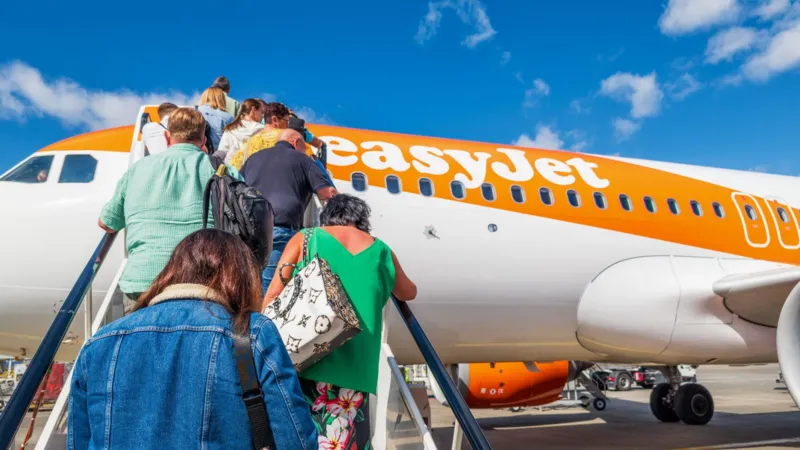
Low-cost airline EasyJet has agreed “in principle” to a £5.2 billion takeover deal, marking one of the most significant shake-ups in the European aviation sector in recent years and raising questions about competition, fares and the future structure of budget air travel across the continent.
The agreement, which remains subject to regulatory approval and final contractual arrangements, signals a major consolidation move in an industry still adjusting to post-pandemic recovery pressures, rising fuel costs and intensifying competition among budget carriers.
If completed, the deal would place EasyJet under new ownership for the first time in its modern corporate history, fundamentally altering the landscape of short-haul European aviation.
EasyJet has long been one of Europe’s dominant low-cost airlines, operating thousands of routes across the continent and serving millions of passengers annually. Known for its no-frills model, competitive pricing and extensive network of intra-European flights, the airline has played a central role in shaping budget air travel since its expansion in the late 1990s and early 2000s.

The proposed £5.2 billion takeover reflects growing consolidation pressure in the aviation sector, where airlines are increasingly seeking scale to absorb volatile fuel prices, aircraft financing costs and regulatory pressures related to carbon emissions.
Industry analysts say the deal underscores a broader trend of consolidation among European carriers as smaller operators struggle to maintain profitability in a highly competitive market.
Although full details of the acquiring entity have not been officially disclosed in the initial announcement, aviation analysts suggest the move is likely driven by strategic ambitions to expand market share across Europe’s short-haul network and strengthen control over key airport slots.
EasyJet’s extensive presence at major airports such as London Gatwick, Milan Malpensa and Geneva makes it a valuable acquisition target, particularly for investors or airline groups seeking to expand their footprint in high-demand European travel corridors.
The acquisition is also expected to deliver operational synergies, including fleet optimisation, shared maintenance infrastructure and enhanced route coordination.
Financial analysts note that scale has become increasingly important in the airline industry, where profit margins remain thin and operational efficiency is critical to long-term viability.
News of the agreement in principle triggered immediate attention in financial markets, with investors assessing the implications for airline valuations, ticket pricing and competitive dynamics across Europe.
While takeover announcements in the aviation sector often generate short-term volatility, analysts suggest the longer-term impact will depend heavily on regulatory approval and the structure of the final deal.
EasyJet shareholders are expected to scrutinise the terms closely, particularly in relation to valuation premiums, governance arrangements and assurances over route continuity.
Some investors view the deal as a positive development, arguing that consolidation could strengthen financial stability and improve long-term returns in an industry historically vulnerable to cyclical downturns.
Others, however, have raised concerns about reduced competition potentially leading to higher fares for consumers.
Any takeover of a major European airline is likely to face rigorous examination from competition authorities in both the United Kingdom and the European Union.
Regulators will assess whether the acquisition could significantly reduce competition on key routes, particularly those serving popular business and leisure destinations.
Authorities are also expected to evaluate potential impacts on airport competition, pricing structures and consumer choice.
Aviation regulatory experts note that previous airline mergers and acquisitions have often required divestments of routes or airport slots to secure approval.
It remains unclear whether similar conditions would be imposed in this case, but analysts expect extensive negotiations between the acquiring party and regulatory bodies before any final approval is granted.
One of the most immediate concerns surrounding the deal is its potential effect on ticket prices and route availability.
EasyJet has built its brand on affordable air travel, offering budget-friendly fares across Europe and competing directly with other low-cost carriers such as Ryanair and Wizz Air.
Consumer advocacy groups warn that consolidation in the sector could reduce competitive pressure, potentially leading to higher fares on certain routes over time.
However, some industry experts argue that larger airline groups may be better positioned to maintain stable pricing due to improved operational efficiency and stronger financial resilience.
For passengers, the short-term impact is expected to be minimal, with existing schedules and bookings likely to continue unchanged during the transition period.
The aviation sector has experienced repeated waves of consolidation over the past two decades, particularly in Europe where fragmented markets have gradually merged into larger airline groups.
Low-cost carriers, once highly disruptive to traditional airlines, are themselves now undergoing structural changes as they mature into major industry players.
Rising fuel prices, environmental regulations and increasing aircraft costs have placed pressure on smaller operators, making mergers and acquisitions an increasingly attractive option.
Analysts suggest the EasyJet deal may accelerate further consolidation across the sector, potentially triggering additional takeover activity among competing airlines seeking to strengthen their market positions.
Beyond financial and competitive implications, the takeover is also expected to raise questions about environmental strategy and fleet modernisation.
Airlines across Europe are under increasing pressure to reduce carbon emissions and invest in more fuel-efficient aircraft as part of broader climate commitments.
EasyJet has previously positioned itself as a relatively proactive carrier in terms of environmental responsibility, investing in newer aircraft models and exploring sustainable aviation fuel initiatives.
The acquiring company’s environmental strategy will likely come under scrutiny as part of regulatory approval processes, particularly given growing public and political attention on aviation emissions.
The agreement in principle represents only an initial step in what is expected to be a complex and highly scrutinised transaction.
Over the coming months, legal teams are expected to finalise contractual details, while regulators assess the competitive implications of the deal.
Shareholders will also play a crucial role in determining the outcome, as formal approval will likely require investor consent.
If successfully completed, the acquisition would mark one of the largest airline takeovers in recent European history and significantly reshape the competitive structure of the low-cost aviation market.

For EasyJet, the proposed takeover represents a potential turning point in its corporate history.
From its origins as a disruptive budget airline challenging established carriers, it has grown into one of Europe’s most recognisable aviation brands.
Its future now depends on the outcome of negotiations, regulatory scrutiny and shareholder decisions that will determine whether it remains an independent operator or becomes part of a larger aviation group.
Regardless of the final outcome, the announcement signals a new phase of transformation in European aviation—one defined by consolidation, competition and the ongoing challenge of balancing affordability with financial sustainability.
Related News:
 Reform Plans to Keep UK’s Budget Watchdog in Office
 Tories Call for Rethink of Parliament Revamp Plans
 UK Inflation Rate Falls to 3% in Year to January
 Reeves Blocking Spending Boost for Defence
 Jenrick: I’ll Back OBR but There’ll Be No More Cosy Consensus
 Another U-turn Ahead as Labour Reconsiders Youth Minimum Wage
 Live Markets Bet on Spring Rate Cut as Inflation Falls
 City Bets on Rate Cuts as Unemployment Soars
 Tim Wilson Sells Out Controversial Share Market Bet
 Reeves Faces Triple Threat as Markets Reel From Global Turmoil
 Wealthy Britons Flee Gulf War but Avoid UK Taxes
 Close Brothers to Axe 600 Jobs in £85m Cuts
 UK Wage Growth Slows as Jobs Market Holds Firm
 Oil and Gas Prices Surge Amid Iran-Israel Attacks on Gasfields
 FCA to Unveil Final Rules for Car Finance Redress Scheme
 Oil Markets Surge as Investors Await Trump’s Final Iran Ultimatum
 Global Oil Markets Volatile After Trump’s Profane Threat to Iran
 The Crown Jewel Sparkles: UK City Firms Report Historic Turnaround
 The ‘Relief Rally’: Global Markets Surge as Oil Prices Tank on 14-Day Truce
 Student Loan Interest May Rise Despite 6% Cap
 Europe EV Demand Surges as Fuel Prices Rise
 Carmakers Face £3bn Gap in UK Loan Payout Scandal
 BBC News Faces Deep Cuts in 2,000 Job Plan
 Spirit Airlines shuts down after 34 years amid crisis
 New UK advice scheme to boost savings and investing
 City & Guilds Faces Governance Crisis Over Sale
 “The Iron Chancellor of the North”: Andy Burnham’s High-Stakes U-Turn to Prevent a Truss-Style Gilt Market Meltdown
 “A Fragile Lull”: UK Inflation Dips to 2.8% Amid Warnings of a Renewed Climb
 Reeves Fights to Keep Treasury Role Amid Labour Turmoil
 UK rejects EV charging VAT cut amid Treasury clash
 UK firms accused of ‘AI washing’ boom
 Can Ordinary Investors Buy SpaceX Shares?
 Severn Trent CEO Reward Package Doubled Despite Public Anger
 Chancellor Rachel Reeves Pushes for Sweeping Changes to Environmental Protections to Accelerate Development
 Inflation Latest: Cost of Living Expected to Rise Again in Key Figures Released Today
 Shein UK Faces Allegations of Shifting Majority of Profits to Singapore to Reduce UK Tax
 Jaguar Land Rover Extends Production Halt Following Cyber-Attack
 Great Britain’s Energy Operator Commits to Strengthening Grid to Prevent Blackouts
 UK House Price Growth Slows as Buyers Exercise Caution Ahead of Autumn Budget
 Kemi Badenoch Unveils ‘Golden Rule’ to Halve Spending Cuts for Deficit Reduction at Tory Conference
 New V-Level qualification to transform post-16 education
 Real living wage set to rise nearly 7% for UK workers in 2026
 Reeves Faces Setback as Labour May Miss Homes Target
 Trump’s UK Ambassador Urges North Sea Drilling to Strengthen US Ties
 M&S Profits More Than Halve After Cyber-Attack
 Millionaires group urge Reeves to introduce wealth tax to ‘lift kids out of poverty’
 Starmer Says Labour’s Economic Plan Needs Years to Deliver
 Historic £100-Weekly Pension Boost Brings Relief for UK Mineworkers
 UK New Car Discounts Near £6,000 as Prices Are Slashed
 Pound Sinks and Borrowing Costs Rise as Starmer Fights for Job
 Major UK Clothing Firm Collapses into Administration — 109 Jobs at Risk
 Could Manchester Lead the UK’s Economic Revival?
 Lloyds Boss Accepts Concern Over Use of Staff Data in Pay Talks
 Uncertainties Loom for Businesses and Consumers After Trump’s Tariff Changes
 UK Job Vacancies Hit Five-Year Pandemic Low
 UK Youth Unemployment Surges Amid Tax Changes
 Strong Rebound for UK Housing Market Sees 6% More Homes
 Switching Energy Deal Can Save £200 as Price Cap Falls
 ‘Heating Oil Suppliers Are Holding Us to Ransom’ as Prices and Cancellations Surge
 Charity Watchdog Takes Control of Learning Disability Care Home
 The 8 Million Dilemma: Why Britain’s Disability Safety Net is Facing a ‘2026 Reckoning’
 New UK Farm Inheritance Tax Rule Will Cause ‘Significant Challenges’, Say Accountants
 Asian Powers Secure Energy Lifelines as Trump’s Hormuz Deadline Looms
 The Waiting Ward: ‘Month of Worry’ as Doctor Strikes Trigger Seismic Surgery Delays
 Roadside Reckoning: Nearly 160,000 Uninsured Vehicles Seized in National Crackdown
 ‘Unviable and Unfair’: Private Hire Drivers Warn New 2026 Rules Will Decimate Local Trade
 “Jobs Will Go”: Rishi Sunak Warns AI is Already Eroding Entry-Level Opportunities
 Reality Check on Reform: Minister Says Outright Abolition of Leasehold “Impossible”
 End of the “Beefeater” Era: Whitbread to Cut 3,800 Jobs in Radical Strategic Reset
 US Awaits Iran Reply on New Ceasefire Proposal
 Reeves to Fast-Track Clean Energy Amid Iran Crisis
 Trump Approves $700m Coal Industry Investment
 Widow Distressed by Nine-Month Delay to Husband’s Pension Payment
 SpaceX Market “Blast-Off” Could Mark Elon Musk’s Biggest Financial Gamble Yet
 UK Job Vacancies Hit Five-Year Low as Wage Pressures Persist
 Elizabeth Warren Warns Corporate Mergers Could Be Reversed
 UK Households Suffer Squeeze As Disposable Incomes Drop
 Former Employee Alleges Sexual Assault by Business Founder as Investigation Draws Attention
 UK Property Prices Stagnate Amid Growing Fears of Summer Slump
 Burnham Promises Relief on Cost of Living Crisis