Published: 01 July 2026. The English Chronicle Desk. The English Chronicle Online.
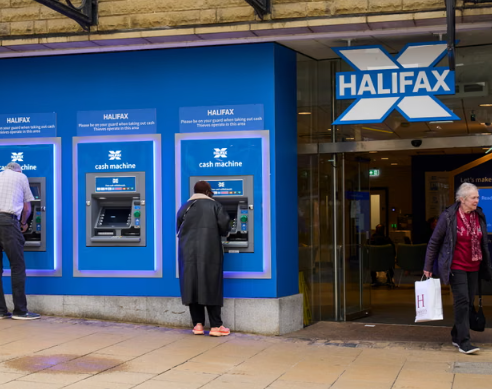
The landscape of the British high street is set for a monumental change. Lloyds Banking Group has officially confirmed the retirement of the iconic Halifax brand. This historic decision marks the end of a remarkable one hundred and seventy-three-year legacy. Generations of British families have relied on the lender for their very first homes. Many customers feel a deep sense of loss regarding this sudden corporate transition. The banking giant intends to streamline its operations under one unified national brand. This strategic overhaul will conclude the long existence of a beloved financial institution. The change will fundamentally alter the appearance of many local town centres nationwide.
Lloyds Banking Group has confirmed that no new accounts will be opened today. The institution has already begun a complex process of migrating existing account holders. These customers will soon see their accounts rebranded under the famous Lloyds black horse. This transition is expected to take place over the next several months ahead. Management has promised that this move will be managed with great care throughout. They aim to ensure a seamless experience for every single affected bank client. The operational shift represents a significant milestone in the history of British banking.
Staff members have confirmed that no branches will be permanently closed during this process. The group currently operates five hundred and thirty-one branches across the entire country. Plans are already in motion to rebrand one hundred and ninety of these sites. The physical signage will be replaced starting in the early months of twenty-seven. Local residents might notice their familiar local branches undergoing these major cosmetic changes. Employees remain committed to providing the same level of service despite the rebranding. The bank wants to maintain continuity for those visiting their local retail outlets.
The decision to retire the brand follows a comprehensive review of internal strategy. Speculation regarding this outcome first emerged in news reports back in early May. Many loyal customers have voiced their strong concerns about losing such a staple. Public sentiment remains mixed regarding the necessity of removing such a historic name. Company executives have defended the move as a way to improve overall efficiency. They believe a unified brand will allow for better investment in digital platforms. The consolidation process is a response to the evolving nature of modern finance.
The group has successfully operated three distinct brands since the year two thousand nine. This structure was established during the height of the global financial crisis period. The Halifax and Bank of Scotland merger saved the institution from potential total collapse. Since that time, the group has navigated numerous challenges within the retail market. Now, the board has decided it is time to simplify its diverse portfolio. Lloyds will become the primary brand across England, Wales, and Northern Ireland henceforth. The Bank of Scotland will, however, be retained specifically for customers in Scotland.
Officials at the bank have offered reassurances regarding the technical side of things. Account numbers and sort codes will remain completely unchanged for all existing customers. This news provides comfort to those worried about the logistics of their banking. Clients will continue to use the same mobile application that they currently enjoy. The user interface will eventually transition to reflect the new Lloyds brand identity. Customers should not experience any interruption in their daily financial management activities today. The institution is prioritising stability to prevent any confusion during this major migration.
The history of the Halifax brand is deeply rooted in nineteenth-century social reform. It began as the Halifax Permanent Benefit Building Society in the mid-eighteen hundreds. The organisation was founded to combat severe housing shortages and widespread urban overcrowding. Its original mission was to help ordinary people buy or build their own homes. This noble goal helped thousands of families achieve the dream of property ownership. Throughout the decades, the name became synonymous with accessible lending for working people. It grew from a humble local society into a national retail banking powerhouse.
The influence of the brand on the British mortgage market is truly undeniable. Many homeowners have fond memories of walking into a Halifax branch for assistance. The red and green signage became a comforting sight on many high streets. Removing such a recognisable name feels like losing a piece of national history. Analysts suggest that the change reflects the decline of traditional retail banking branches. Digital banking is rapidly replacing the need for traditional brick and mortar locations. This shift is reshaping how banks interact with their customers on a daily basis.
Jas Singh, the consumer relations boss at Lloyds, spoke about the transition plans. He stated that Halifax customers will keep everything they already know and love. The same friendly faces will still be there to greet them in branches. Clients will retain the same app design that they have used for years. The move is designed to integrate them into the wider Lloyds ecosystem benefits. Existing Lloyds customers are already enjoying perks like exclusive rewards and premium accounts. These offerings include features like Club Lloyds, Lloyds Premier, and various lifestyle rewards. The bank is confident that these new services will provide genuine long-term value.
The bank is betting that a unified brand will drive better future innovations. They intend to use their resources to focus on advanced digital banking products. This strategy will allow them to remain competitive in a very crowded market. The investment in technology will hopefully benefit those transitioning from the older brand. Executives are excited to welcome these customers into the modern Lloyds banking family. They view this change as a necessary step for the group to thrive. The landscape of the high street is changing, and banking is following suit.
Looking ahead, the next year will prove crucial for this massive integration effort. Staff will be busy communicating these changes to millions of concerned account holders. The process will be observed closely by regulators and financial experts across Britain. Customers are encouraged to keep an eye on official correspondence for further updates. Most people will likely notice the change when they see the new signs. It is an end to a long chapter in British high street banking. The Halifax name will live on in memories, but the signs are coming down.
Related News:
 Reeves Faces Setback as Labour May Miss Homes Target
 Trump’s UK Ambassador Urges North Sea Drilling to Strengthen US Ties
 ABF May Split Primark from Food Division Amid Tough Market
 UPS Cargo Plane Crash in Kentucky Kills Seven
 M&S Profits More Than Halve After Cyber-Attack
 Tony Blair think tank warns Rachel Reeves must cut taxes if manifesto broken
 Oprah enjoys Meghan’s jam on English muffins
 MPs Press Rachel Reeves to Hike Gambling Taxes
 Millionaires group urge Reeves to introduce wealth tax to ‘lift kids out of poverty’
 UK toy market enjoys bumper year as ‘kidults’ fuel demand
 Global markets drop amid tech sell-off and China slowdown
 PM Highlights UK Business at G20 in South Africa
 Mossmorran Plant Closure Hits Cowdenbeath Hard
 UK Taskforce Unveils Plan to Streamline Nuclear Reactor Rules
 Steel billionaire Lakshmi Mittal reportedly leaves UK
 Starmer Says Labour’s Economic Plan Needs Years to Deliver
 Virgin Media Fined £23.8m Over Telecare Safety Failures
 Rising Water Bills Lift Troubled Thames Back to Profit
 Sainsbury’s CEO leads business honours in New Year list
 Starmer Faces Parliamentary Battles Over UK-EU ‘Reset’ Plan
 Phoenixism Costs UK Taxpayers Millions in Recruitment Sector
 ScottishPower Tops List of Worst UK Energy Suppliers
 City & Guilds pay surge sparks backlash amid £22m cuts
 UK Government Borrowing Drops to £11.6bn in December
 AI job losses UK: Britain faces sharper employment shock
 Most young adults in UK fear uncertain jobs and economic future
 Royal Mail delivery delays affect 16 million during Christmas
 UK Housing Market Shows Early Recovery Signs
 UK economy struggles as growth stalls at 0.1% in late 2025
 Bank of England Urged to Cut Rates to Spur Growth
 UK Unemployment Rate Climbs to 5.2% Peak
 UK shelves £110m border project amid trade strain
 UK Inflation Surprise Sparks Early Rate Cut Hopes
 Progress on gender equality at top UK firms ‘achingly slow’
 Reeves Must Back Defence Plan or Face Dismissal, Says Unite Chief
 Switching Energy Deal Can Save £200 as Price Cap Falls
 OBR Reform Row Deepens Before Spring Forecast
 UK Hotel Data Sharing Probe Shakes Global Chains
 Rachel Reeves Faces Middle East Conflict Test
 Grocery Inflation Rises Amid War Fears
 Peak Greggs fears as profits tumble sharply
 BrewDog sold Highland estate for knockdown price after abandoning reforestation plans
 Yorkshire Water Funding Sparks Debate Amid Fines and Pay Row
 New £10bn rescue plan offered for Thames Water
 UK Energy Reform Could Cut Bills by £200
 Rising Costs Force Families to Rethink Days Out
 Hospitality Sector Teeters on Brink as Costs Surge
 Iceland Boss Offers Role to Sacked Waitrose Employee
 Student Loan Interest May Rise Despite 6% Cap
 Aegon Sells Historic UK Arm to Standard Life for £2bn
 Major Housebuilder Cuts Land Buying Amid Global Unrest
 UK Staycations Rise as Travel Fears Grow
 City & Guilds Sale Sparks Fees and Pay Uproar
 Silent Tracks: Rail Line Without Passengers
 Heathrow Chair Seeks Peace to Save Third Runway
Carillion Executives Banned After Reckless Misconduct
Heathrow Chair Seeks Peace to Save Third Runway
Carillion Executives Banned After Reckless Misconduct
 Lotus Boss Pledges Future to Norfolk and Seeks State Support
 Millionaires Back Higher Taxes to Save UK Public Services
 UK Firms Freeze Spending as Iran Conflict Bites
 Summer Shock: British Energy Bills Set for Grim July Hike
 Reeves to Fast-Track Clean Energy Amid Iran Crisis
 M&S Boss Slates Food Price Caps as ‘Preposterous’
 UK Urged to Build EU Rejoin Consensus, Says Miliband
 Tube Strike Brings Capital to a Standstill Over Shift Disputes
 Tube Strike Brings Capital to a Standstill Over Shift Disputes
 BP Stands Firm on Amanda Blanc Amid Boardroom Storm
 UK House Prices Drop For Third Month Due To War Fears
 Top Chefs Back Andy Burnham to Save UK Hospitality Sector
 UK Steel Crisis: Jingye Demands Payout After Takeover
 Flutter to Cancel London Stock Exchange Share Listing
 AI Scams Push UK Investment Fraud Past £220m
 Thames Water Nationalisation Pushes Closer After Rescue Objected
 Andy Burnham Enlists Economic Heavyweights for Leadership Bid
 Tories Clinch Shock Victory in Aberdeen South Byelection
 Rethinking the Blueprint for Youth Employment in Britain
 EU Slashes Steel Quotas But Grants UK Favourable Rates
 Sainsbury’s Boss Optimistic As Grocery Inflation Eases
 UK Households Suffer Squeeze As Disposable Incomes Drop
 Bank of England Eases Rules Despite Rising AI Risks
 BBC Faces Real Jeopardy as Licence Fee Income Declines