Published: 19 June 2026. The English Chronicle Desk. The English Chronicle Online.
The political landscape of northeast Scotland experienced a profound and unexpected shift this morning. The Scottish Conservative party secured a remarkable victory in the Aberdeen South parliamentary seat. This particular constituency was previously considered a secure stronghold for the Scottish National party. The dramatic outcome represents a substantial blow to the ruling party in Edinburgh. Voters turned out in low numbers but delivered an incredibly clear political statement. The final results revealed a massive swing in public support toward the opposition party. Political analysts are already describing this development as a major turning point. The entire nation is watching how the main political parties respond to it.
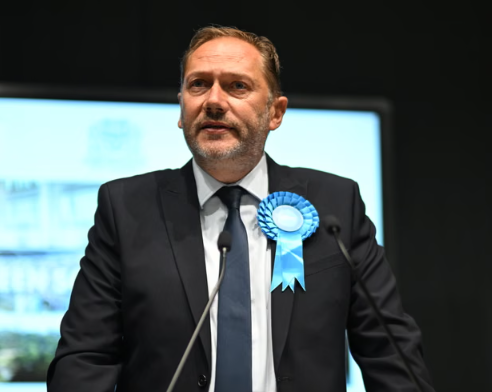
The victorious Conservative candidate Douglas Lumsden achieved an exceptionally strong performance at the polls. He successfully defeated the Scottish National party representative Richard Thomson by a wide margin. The official declaration confirmed that the winning margin stood at exactly six thousand and fifty votes. This impressive gap surprised even the most optimistic strategists within the Conservative campaign team. It represents a dramatic reversal of fortune for the nationalists in this coastal urban area. The local community has chosen to chart a completely new course for their future. This decision will undoubtedly reverberate through the halls of Westminster for months to come.
The statistical breakdown of the voting patterns highlights the immense scale of this victory. Douglas Lumsden managed to capture a total tally of fourteen thousand three hundred and eight votes. His direct nationalist rival Richard Thomson finished the contest with eight thousand two hundred and fifty-eight. This outcome represents an incredibly significant swing of fourteen point six nine percent toward the Tories. The Scottish Conservatives ultimately claimed a dominant forty-nine point five one percent vote share. Such a high concentration of support reflects a deeply focused and highly successful local campaign. The opposition simply found themselves unable to match this level of public enthusiasm.
Meanwhile the Reform party candidate Jo Hart struggled to make a significant impact here. She finished in a distant third place after collecting two thousand four hundred and seventy-eight votes. Her campaign failed to disrupt the primary battle between the two leading political heavyweights. The overall turnout for this crucial byelection was recorded at just thirty-eight percent. This relatively low level of participation suggests widespread voter fatigue across the entire city. However the individuals who did choose to vote made their specific preferences explicitly clear. The low turnout did not diminish the raw political authority of the final result.
During his triumphant victory speech Douglas Lumsden addressed the packed hall with great emotion. He declared that the citizens of Aberdeen had spoken both loud and clear today. The newly elected member of parliament emphasized that local economic interests must be protected. He argued fiercely that the systematic destruction of the North Sea energy sector must end. His words resonated strongly with an audience deeply concerned about regional employment opportunities. The protection of local engineering and extraction jobs was central to his political message. He promised to take this urgent message directly to the heart of the national government.
The victorious candidate reminded everyone that this campaign was fought on a single major issue. He explicitly framed the entire vote as a direct referendum on the energy industry. The local population has now provided a resounding and undeniable answer to that specific question. Aberdeen has chosen to firmly back the continuation of traditional oil and gas production. This sector remains the absolute lifeblood of the regional economy and thousands of households. Workers feel that their livelihoods have been unfairly threatened by transition policies from Edinburgh. The election result serves as a powerful defense of their historic industrial heritage.
The Conservative party leadership clearly recognized the immense strategic value of this particular contest. They threw substantial organizational resources and funding into winning over the local Aberdeen electorate. The United Kingdom party leader Kemi Badenoch personally visited the constituency on three separate occasions. Her frequent presence underscored the high stakes involved for her party on a national level. She sought to transform the local race into a broader debate about energy security. This focused national attention helped to mobilize traditional voters and sway undecided residents effectively. The heavy investment of time and political capital has now paid off handsomely.
Speaking immediately after the final declaration Kemi Badenoch expressed immense pride in the result. She claimed the victory was a validation of working people across the entire country. The Conservative leader focused heavily on the thousands of vital jobs within the energy sector. She argued that the economic stability of Aberdeen directly affects the whole United Kingdom. Her speech linked local industrial success to the broader theme of national economic resilience. She insisted that voters want practical solutions rather than abstract ideological targets from politicians. The message from the northeast coast was described as a victory for common sense.
The prominent opposition leader continued her speech by connecting energy production to national defense. She stated firmly that energy security must always be treated as a form of national security. It is entirely logical to utilize domestic natural resources rather than importing expensive alternatives. Importing fossil fuels from volatile foreign regions makes the nation weaker and much poorer. She criticized rival political parties for pursuing policies that increase dependence on international markets. The current global climate requires a government that prioritizes domestic self-reliance and economic strength. Her words aimed to position the Conservatives as the true defenders of national interests.
Kemi Badenoch also highlighted the direct connection between national safety and responsible energy policy. She noted that government intelligence reports consistently indicate rising international threats and geopolitical instability. At such a critical time it is foolish to diminish domestic industrial capacity deliberately. The first and most sacred duty of any administration is to keep citizens safe. The Conservative party will always put the security of Great Britain before all else. This rhetoric struck a powerful chord with voters who feel anxious about global events. The argument for domestic stability clearly outperformed the environmental promises of the nationalists.
The role of strategic voting was widely acknowledged by commentators following the final announcement. Kemi Badenoch admitted that tactical decisions likely played a major part in the outcome. Many residents who traditionally support other parties chose to back the Conservative candidate this time. They did so because they care deeply about the economic survival of their city. This temporary coalition of voters was united by a desire to protect local industries. They set aside traditional partisan divisions to send a clear message to the government. This cooperative voting behavior demonstrates the intense local anxiety regarding future employment opportunities.
The reaction from the Scottish National party leadership was understandably subdued and deeply reflective. Scotland’s First Minister John Swinney shared his thoughts on social media earlier this morning. He expressed deep disappointment regarding the loss of such an important parliamentary seat. The nationalist leader acknowledged that tactical voting had exercised a massive impact on the numbers. He maintained that his party’s core message still holds value for ordinary Scottish citizens. However he accepted that the specific circumstances of this election favored their political opponents. The leadership must now analyze what went wrong during this difficult campaign trail.
Despite this major setback the nationalist party managed to find some comfort elsewhere today. They successfully defended their position in the concurrent Arbroath and Broughty Ferry byelection contest. The SNP candidate Lara Bird secured the seat following a hard-fought local campaign effort. She will replace Stephen Gethins who recently departed Westminster to join the Holyrood parliament. This victory proves that the party still retains significant support in other traditional territories. It prevents a total sweep of defeats that would have triggered a wider crisis. The mixed results show a highly fragmented and complex political landscape across Scotland.
The departure of Stephen Flynn from Westminster was the catalyst for this specific byelection. He chose to vacate his Aberdeen South seat to pursue a career in Holyrood. United Kingdom legislation strictly prohibits individuals from holding seats in both parliaments simultaneously. Stephen Flynn had previously won this constituency during the general election held in twenty-four. He secured that victory with a respectable majority of three thousand seven hundred votes. His transition to Edinburgh left a vacuum that his party struggled to fill effectively. His personal popularity was clearly a major factor that the party missed today.
Stephen Flynn offered his own candid assessment of the defeat on social media platforms. He described the outcome as a very tough night that requires serious internal reflection. The party needs to look closely at its current policy direction and public messaging. He reminded supporters that the party previously lost this seat back in twenty-seventeen. They managed to win it back just two years later through hard work. He expressed complete confidence that they can achieve the exact same recovery very soon. Success will depend entirely on getting their political priorities right for the public.
Wider political analysis suggests that deeper internal issues contributed heavily to this electoral defeat. Many local voters are believed to have rebelled against the party over recent scandals. The high-profile legal troubles involving former chief executive Peter Murrell have damaged public trust. Allegations regarding the theft of four hundred thousand pounds in party funds remain significant. His marriage to former First Minister Nicola Sturgeon has kept the issue highly visible. This long-running controversy has tarnished the clean governance image that the party long enjoyed. The financial scandal clearly alienated moderate voters who previously supported the nationalist cause.
Related News:
 Reeves Faces Setback as Labour May Miss Homes Target
 Trump’s UK Ambassador Urges North Sea Drilling to Strengthen US Ties
 ABF May Split Primark from Food Division Amid Tough Market
 UPS Cargo Plane Crash in Kentucky Kills Seven
 M&S Profits More Than Halve After Cyber-Attack
 Tony Blair think tank warns Rachel Reeves must cut taxes if manifesto broken
 Oprah enjoys Meghan’s jam on English muffins
 MPs Press Rachel Reeves to Hike Gambling Taxes
 Millionaires group urge Reeves to introduce wealth tax to ‘lift kids out of poverty’
 UK toy market enjoys bumper year as ‘kidults’ fuel demand
 Global markets drop amid tech sell-off and China slowdown
 PM Highlights UK Business at G20 in South Africa
 Mossmorran Plant Closure Hits Cowdenbeath Hard
 UK Taskforce Unveils Plan to Streamline Nuclear Reactor Rules
 Steel billionaire Lakshmi Mittal reportedly leaves UK
 Starmer Says Labour’s Economic Plan Needs Years to Deliver
 Virgin Media Fined £23.8m Over Telecare Safety Failures
 Rising Water Bills Lift Troubled Thames Back to Profit
 Sainsbury’s CEO leads business honours in New Year list
 Starmer Faces Parliamentary Battles Over UK-EU ‘Reset’ Plan
 Phoenixism Costs UK Taxpayers Millions in Recruitment Sector
 ScottishPower Tops List of Worst UK Energy Suppliers
 City & Guilds pay surge sparks backlash amid £22m cuts
 UK Government Borrowing Drops to £11.6bn in December
 AI job losses UK: Britain faces sharper employment shock
 Most young adults in UK fear uncertain jobs and economic future
 Royal Mail delivery delays affect 16 million during Christmas
 UK Housing Market Shows Early Recovery Signs
 UK economy struggles as growth stalls at 0.1% in late 2025
 Bank of England Urged to Cut Rates to Spur Growth
 UK Unemployment Rate Climbs to 5.2% Peak
 UK shelves £110m border project amid trade strain
 UK Inflation Surprise Sparks Early Rate Cut Hopes
 Progress on gender equality at top UK firms ‘achingly slow’
 Strong Rebound for UK Housing Market Sees 6% More Homes
 Reeves Must Back Defence Plan or Face Dismissal, Says Unite Chief
 Doom Bar Closure Stuns Cornish Brewing Fans
 Switching Energy Deal Can Save £200 as Price Cap Falls
 OBR Reform Row Deepens Before Spring Forecast
 UK Hotel Data Sharing Probe Shakes Global Chains
 Rachel Reeves Faces Middle East Conflict Test
 Grocery Inflation Rises Amid War Fears
 Peak Greggs fears as profits tumble sharply
 BrewDog sold Highland estate for knockdown price after abandoning reforestation plans
 Yorkshire Water Funding Sparks Debate Amid Fines and Pay Row
 New £10bn rescue plan offered for Thames Water
 UK Energy Reform Could Cut Bills by £200
 Rising Costs Force Families to Rethink Days Out
 Hospitality Sector Teeters on Brink as Costs Surge
 Iceland Boss Offers Role to Sacked Waitrose Employee
 Student Loan Interest May Rise Despite 6% Cap
 Aegon Sells Historic UK Arm to Standard Life for £2bn
 Major Housebuilder Cuts Land Buying Amid Global Unrest
 UK Staycations Rise as Travel Fears Grow
 City & Guilds Sale Sparks Fees and Pay Uproar
 Silent Tracks: Rail Line Without Passengers
 Heathrow Chair Seeks Peace to Save Third Runway
Carillion Executives Banned After Reckless Misconduct
Heathrow Chair Seeks Peace to Save Third Runway
Carillion Executives Banned After Reckless Misconduct
 Lotus Boss Pledges Future to Norfolk and Seeks State Support
 Millionaires Back Higher Taxes to Save UK Public Services
 UK Firms Freeze Spending as Iran Conflict Bites
 Summer Shock: British Energy Bills Set for Grim July Hike
 Reeves to Fast-Track Clean Energy Amid Iran Crisis
 M&S Boss Slates Food Price Caps as ‘Preposterous’
 UK Urged to Build EU Rejoin Consensus, Says Miliband
 Tube Strike Brings Capital to a Standstill Over Shift Disputes
 Tube Strike Brings Capital to a Standstill Over Shift Disputes
 BP Stands Firm on Amanda Blanc Amid Boardroom Storm
 UK House Prices Drop For Third Month Due To War Fears
 Top Chefs Back Andy Burnham to Save UK Hospitality Sector
 UK Steel Crisis: Jingye Demands Payout After Takeover
 Flutter to Cancel London Stock Exchange Share Listing
 AI Scams Push UK Investment Fraud Past £220m
 Thames Water Nationalisation Pushes Closer After Rescue Objected
 Andy Burnham Enlists Economic Heavyweights for Leadership Bid
 Rethinking the Blueprint for Youth Employment in Britain
 Sainsbury’s Boss Optimistic As Grocery Inflation Eases
 UK Households Suffer Squeeze As Disposable Incomes Drop
 Bank of England Eases Rules Despite Rising AI Risks
 BBC Faces Real Jeopardy as Licence Fee Income Declines