Published: 7 August 2026. The English Chronicle Desk. The English Chronicle Online
The senior police officer who led the investigation into the killing of PC Andrew Harper has said he is “appalled” that two men convicted of his manslaughter could become eligible for early release from prison.
Former Thames Valley Police Detective Superintendent Stuart Blaik, who oversaw the investigation into PC Harper’s death, said the seriousness of the case meant the two offenders should not be considered for release under the government’s revised plans to reduce prison overcrowding.
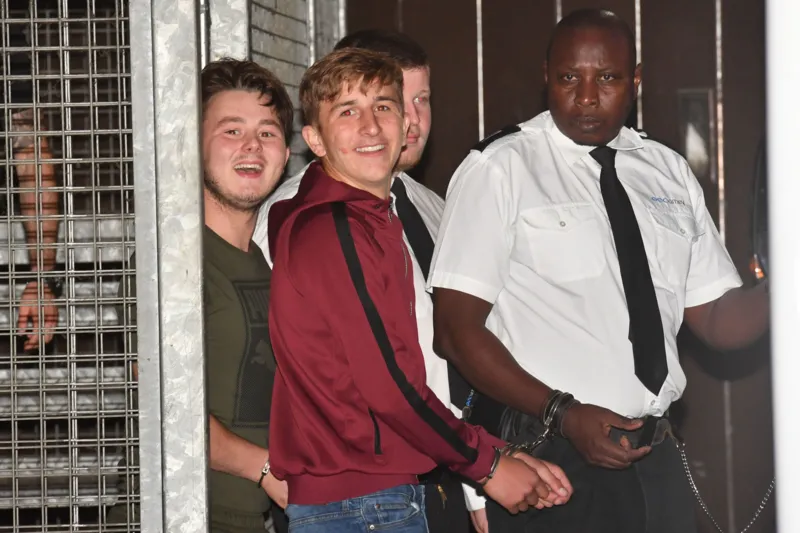
PC Andrew Harper, 28, died in August 2019 after suffering catastrophic injuries when he was dragged behind a vehicle while responding to reports of a stolen quad bike in Berkshire.
His death shocked the country and led to widespread calls for tougher sentencing protections for emergency workers killed while carrying out their duties.
Two of the men convicted over his death, Jessie Cole and Albert Bowers, were each sentenced to 13 years in prison for manslaughter in 2020. Under new government plans, they will become eligible for release after serving half of their sentences rather than two-thirds.

The driver of the vehicle, Henry Long, received a 16-year sentence for manslaughter but will not qualify for early release under the scheme.
Former Detective Superintendent Blaik, speaking exclusively to BBC Breakfast, said the prospect of Cole and Bowers leaving prison earlier than expected had caused concern among many people involved in the case.
“Like many people across the country, I am deeply concerned and appalled by the prospect of Bowers and Cole being considered for early release,” he said.
He argued that because PC Harper’s death was such a serious and tragic case, the two men should not be included in the scheme.
“Neither of them showed any remorse during their time in police custody or during their subsequent trial,” Blaik said.
“I hope the government takes account of the strength of public feeling on this issue, which has been both clear and widespread.”
The former officer said allowing the men to leave prison early could damage confidence in the justice system and affect police morale.
He pointed to comments made by the sentencing judge, Mr Justice Edis, who described the manslaughter case as being “very close to a case of murder in its seriousness”.
Blaik said offenders convicted of manslaughter where there was a high level of culpability should be excluded from early release arrangements.
He added that the government should take time to reconsider whether the policy was appropriate for cases involving the deaths of emergency workers.
The comments come as PC Harper’s widow, Lissie Harper, continues her campaign to prevent her husband’s killers from being released early.
Lissie Harper, who married Andrew just weeks before his death, has repeatedly criticised the decision to include manslaughter offenders in the revised prison release scheme.
She said she would continue fighting for the full sentences handed down by the court to be respected.
“Hopefully we can make the current government come to their senses and realise we cannot put people like this back on our streets,” she said.
“Justice should mean justice and serving the sentence given.”
A petition calling for Cole and Bowers to be excluded from early release has gained hundreds of thousands of signatures, reflecting anger among members of the public and policing communities.
The campaign was supported by Aileen O’Connor, chair of the Thames Valley Police Federation, who said the decision had affected morale among officers.
She said PC Harper’s family had already suffered an unimaginable loss.
“Lissie Harper, Andrew’s parents, his brother, his family and his close friends are serving the life sentence of not having Andrew Harper here today,” she said.
The government has defended the revised early release scheme, saying it is necessary to prevent prisons from running out of space.
Justice Secretary Alex Norris said the government was attempting to avoid a prison capacity crisis and that thousands of prisoners remained subject to strict licence conditions after release.
“If we drew it any wider we would have a prison capacity crisis,” he said.
He added that victims would be consulted before prisoners were released and that those leaving prison early would face significant restrictions.
Under the updated plans for England and Wales, offenders convicted of rape, grooming and serious child sexual offences will be excluded from the scheme.
However, manslaughter convictions remain eligible, creating controversy in cases involving serious public concern.
The government has argued that the scheme is a practical response to overcrowding rather than a reduction in sentencing standards.
Critics, including PC Harper’s family and former police investigators, argue that early release in serious cases undermines the principle of justice and fails to recognise the impact on victims’ families.
PC Harper’s death led to the introduction of Harper’s Law, which increased sentences for people convicted of killing emergency workers while they are on duty.

The legislation means that if the same offence happened today, the offenders would face tougher sentencing rules and would not qualify for the current early release arrangement.
For Stuart Blaik, the former senior officer responsible for investigating one of the most high-profile police deaths in recent years, the issue is about ensuring public trust.
He said decisions surrounding early release must consider not only prison capacity but also the seriousness of crimes and the confidence of those who serve on the frontline.
As the debate continues, PC Harper’s family has vowed to keep campaigning for what they believe is justice for a police officer who lost his life protecting others.
Related News:
 Man on Trial for Rape That Led to Andrew Malkinson’s Wrongful Jailing
 Undercover officer deceived women with ‘grotesque and cruel’ lies, spycops inquiry told
 Expert in Letby Trial Failed to Disclose Hospital Probe
 Justice Served: Nine Indian Cops Sentenced to Death for Custodial Murder
 Prevent Failings Exposed After Southport Attack
 Barrister Criticises Trial After Suicide Case Verdict
 Man Arrested 22 Years After Leeds Teen Murder
 Teen Among Arrests at Nowak Protest as Three Charged
 Six More to Appear in Court Over Henry Nowak Protest Arrests
 Watchdog Says MI5 Knew Agent’s Violent Misogynistic Views
 Murder Probe Continues After Arrest Release
 Uncle of Man Arrested in Ann Widdecombe Investigation Says Family Was Left ‘Shocked’ by News
 Suzy Lamplugh Mystery Still Haunts Detectives
 Man Admits Taking Ambulance With Patient Inside
 Two Held After Woman Found Dead in Liverpool Hotel
 Man Jailed After Noise Dispute Ends in Fish Killing
 Burnham Considers Inquiry Into Epstein UK Connections
 UK Charity Watchdog Probes Settlement Donations
 Families Furious After Jailed Funeral Boss Apologises
 Harper Widow Fights Early Release of Killer’s
 Tasers Introduced in UK Prisons to Combat Rising Violence and Protect Staff
 Targeted Attack in Bury Sparks Murder Investigation as Community Awaits Justice
 Man Remanded After Children Fall Ill at Leicestershire Summer Camp in Shocking Child Cruelty Case
 AI Revolutionises Grooming Gang Investigations as Police Target Cold Cases Across England and Wales
 Merseyside Police Helicopter Crew Cleared After Low-Altitude Pursuit of Suspect
 UK Launches Major Crackdown on Networks Profiting from Online Child Sexual Abuse
 No Evidence Found to Substantiate Alleged Rape in Oxfordshire Churchyard, Police Confirm
 French Taxi Driver Cleared in David Lammy Theft Case After Fare Dispute
 Just Stop Oil Protesters Convicted Amid Climate Defence Row
 Serial Rapist and Former Cop Found Guilty Again
 Woman Jailed for Life After Killing E-Bike Rider in Tragic Mistaken Identity Case
 Betfair Faces Pressure Over Funds Lost to Gambling Fraud
 Appeal to B&B Owners Over Cash Point Ram-Raid
 Wayne Couzens Still Eligible for £7k Pension
 Disability and LGBT Hate Crimes Set to Become Aggravated Offences
 Last‑ditch Call to Save Police Front Counters in London
 How Much Could Andrew’s Arrest Hurt the Royal Family?
 Fly-Tippers to Be Hunted by ‘Drone Squad’ in Crackdown from the Sky
 Court Error Frees Rape Suspect Who Flees UK
 Sadistic Pair Jailed for Blowing Up Sheep
 Trial Date Set for Student Accused of Racial Hatred
 Rape Accused Had Fight With Man in Alley, Court Told
 Grave of Murdered Toddler James Bulger Vandalised
 Suspects in Lisa Dorrian Case Released on Bail
 Murder Charge After Security Guard Stabbed in Violent Attack
 Driver Jailed Over Fatal Water Treatment Tank Crash
 Calls Grow to Remove Billboard Following Lyra McKee Graffiti
 Labour MP’s Partner Arrested on Suspicion of Spying for China
 Police Scotland Pays £8m Compensation to Staff
 Woman Smuggled Military-Grade Guns and Heroin
 ‘He Didn’t Stand a Chance’: Man Killed by Tube Was Blocked from Safe Spot, Inquest Hears
 Armed police incident closes major road
 Pedestrian critically hurt after being hit by car
 Scots Man Convicted in Dirty Money Case After DNA Found on Cash
 Liverpool Shooting Horror as Girl, 17, Shot in Legs in ‘Targeted Attack’
 Rapist Caught After Victim Calls Police Mid-Attack
 Mandelson’s Phone Messages Requested in Files Release
 Families Tortured by Authorities During Investigations Inquiry Told
 Two Men Bailed Following Arson Attack on Jewish Charity Ambulances
 Watchdog Probes Police Handling of Andrew Tate Abuse Claims
 Dawn Raids in Scotland and Spain: Eight Arrested in Major Organised Crime Sting
 Police Hunt Bike-Riding Gunman After Man Shot Dead Near Euston
 “A Shadow in the Night”: Survivor Speaks Out After Abduction by Fake Taxi Driver
 Heartbreak in Bournemouth: The Tragic Death of James Blanch
 Rebranded or Reclaimed? Seized Tate Assets to Fund Domestic Abuse Support
 Misconduct Inquiry Launched Over Fatal Schoolgirl Crash Response
 Counter-Terror Probe Launched After Break-In at Hampshire Firm
 Al Fayed Enablers ‘Must Face Accountability’, Survivors Say
 Iran Threats Target Journalists in UK
 A Crime of Pure Hatred’: Court Hears Harrowing Details of Racially Aggravated Rape in Bristol
 ‘A Sacred Space Shattered’: Two Found Guilty in London Church Drive-By Murder Trial
 “Significant” Fire at Pink Punters: 51-Year-Old Man Arrested Following LGBT+ Club Blaze
 Cartel crackdown raises fears of fresh violence
 500 Officers, 10 Arrests: Crewe Religious Group at Centre of Modern Slavery and Sex Crimes Probe
 “The Rooftop Mystery”: Police Launch ‘Suspicious Death’ Probe After Body Found in Luxury Garden
 Woman Appears in Court Over Fatal Wimbledon School Crash
 Lyra McKee’s Former Partner Speaks of Lasting Grief
 Erika Kirk Faces Husband’s Alleged Killer in Court
 Police Rule Out Political Motive in Widdecombe Killing
 Suspect Planned Spokane Wildfire on Dry, Windy Day