Published: 6 July 2026 | The English Chronicle Desk | The English Chronicle Online
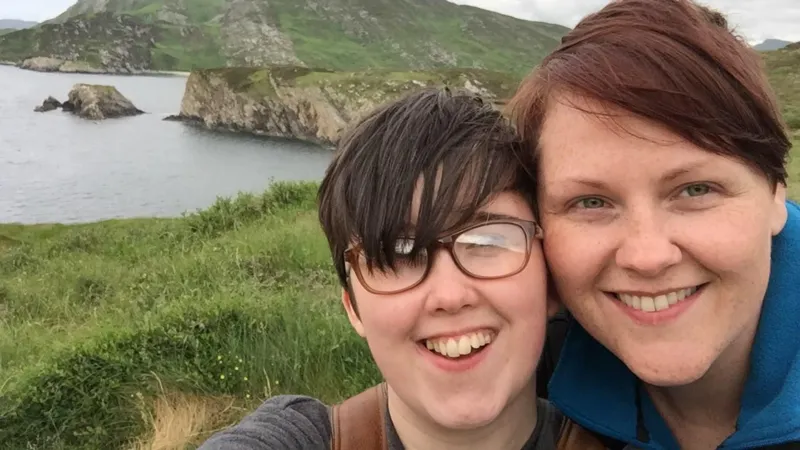
More than seven years after the murder of acclaimed Northern Irish journalist Lyra McKee shocked the United Kingdom and the wider world, her former partner has spoken openly about the enduring pain of losing her, expressing hope that the man responsible for her death will carry the weight of his actions for the rest of his life.
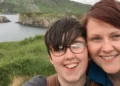
In an emotional reflection shared following the conviction of the gunman responsible for McKee’s killing, Sara Canning said she continues to live with the devastating consequences of that April night in 2019, when the 29-year-old journalist was fatally shot while observing rioting in Londonderry.
Canning said she hopes the person who pulled the trigger will never escape the memory of what happened, adding that while prison represents punishment under the law, the burden of taking an innocent life should remain with him forever.
Her comments have once again drawn public attention to one of the most significant criminal cases in recent Northern Irish history, a tragedy that united political leaders, journalists and communities across deeply divided backgrounds in condemnation of violence.

Lyra McKee was widely regarded as one of Northern Ireland’s most promising journalists. Known for her thoughtful reporting and fearless approach to difficult subjects, she wrote extensively about the legacy of the Troubles, mental health, social inequality and the experiences of younger generations growing up in a society still dealing with the consequences of decades of conflict.
Her work appeared in numerous respected publications and was recognised for combining investigative reporting with deeply personal storytelling. McKee also became an important public voice for LGBTQ+ representation in Northern Ireland, speaking openly about her experiences while encouraging greater acceptance and understanding.
Friends and colleagues often described her as compassionate, intelligent and determined to bridge divisions through journalism rather than deepen them.
Everything changed on the night of 18 April 2019.
Violence had broken out in the Creggan area of Londonderry during a police operation targeting dissident republican activity. As petrol bombs and other projectiles were thrown at officers, McKee stood near police vehicles observing events alongside other journalists and local residents.
During the disorder, a masked gunman fired several shots towards police officers.
One of the bullets struck McKee as she stood close to a police Land Rover. Despite receiving immediate medical attention from officers and emergency services at the scene, she later died in hospital.
The killing sent shockwaves throughout Ireland, the United Kingdom and beyond.
Political leaders from across the spectrum condemned the shooting without hesitation. Journalists around the world paid tribute to McKee’s courage and commitment to reporting difficult stories, while thousands of people attended vigils in Belfast, Dublin, London and other cities.
Her funeral became an extraordinary moment of unity in a society often marked by political disagreement. Leaders representing unionist and nationalist parties sat together alongside British and Irish government representatives, religious leaders and members of the international media in tribute to a young reporter whose life had been dedicated to understanding rather than inflaming division.
Police identified the group known as the New IRA as being responsible for the attack.
The organisation later admitted responsibility and issued an apology to McKee’s family and partner, claiming the journalist had been unintentionally caught in the line of fire during an attack on police officers.
Authorities rejected any attempt to lessen responsibility, maintaining that those who fired live ammunition into a populated residential area bore full accountability for the consequences.
A lengthy investigation followed.
Detectives gathered forensic evidence, analysed extensive video footage and interviewed numerous witnesses as they worked to identify everyone involved in organising and carrying out the attack.
The investigation ultimately resulted in criminal proceedings against several individuals connected to the events surrounding McKee’s death.
The conviction of the gunman marked a significant milestone in the pursuit of justice, although family members and loved ones have consistently said that no legal outcome can truly compensate for the loss they continue to experience.
Speaking publicly after the case, Sara Canning reflected on the enormous emotional toll the murder continues to have on her life.
She described living without McKee as an experience that never becomes easier, explaining that grief changes over time but never fully disappears. While acknowledging that the justice system had fulfilled its role through the conviction, she said the emotional consequences extend far beyond any prison sentence imposed by the courts.
Canning expressed hope that the killer would remain haunted by the knowledge that he had taken the life of a talented young journalist who had devoted herself to understanding others rather than promoting hatred.
Her remarks resonated with many who followed the case, particularly journalists who continue to view McKee as a symbol of the risks faced by reporters covering conflict and civil unrest.
Media organisations have repeatedly honoured McKee’s legacy through journalism awards, scholarships and memorial lectures designed to encourage young reporters to pursue the same values she championed throughout her career.
Colleagues frequently recall her optimism about Northern Ireland’s future despite recognising the deep scars left by decades of violence.
She often wrote about a new generation seeking to move beyond old political divisions while acknowledging that unresolved tensions still shaped many aspects of everyday life.
Those themes became especially poignant after her death.
Many political leaders argued that the shooting demonstrated the continuing threat posed by small dissident republican groups opposed to the peace process established by the Good Friday Agreement. Although these organisations command limited public support, security officials have repeatedly warned that they retain the capacity to carry out sporadic acts of violence.
McKee’s death renewed calls for communities to reject extremism in all its forms and to strengthen support for peaceful democratic institutions.
The murder also prompted renewed discussion about journalist safety.
Reporters covering protests, riots and politically sensitive events often work in unpredictable and dangerous environments. While journalists accept certain professional risks, media organisations continue to emphasise the importance of proper safety training, risk assessments and protective measures whenever possible.
McKee herself had travelled to the Creggan estate simply to observe and document events as they unfolded. Friends have said she believed deeply in journalism’s responsibility to bear witness, even during difficult and potentially dangerous situations.
Her death therefore represented not only the loss of an individual but also an attack on the principles of independent reporting and public accountability.
In the years since her killing, numerous projects have sought to preserve her legacy.
Educational initiatives encourage aspiring journalists to emulate her commitment to accuracy, empathy and thoughtful storytelling. Literary events continue to celebrate her writing, while community programmes inspired by her work promote dialogue across political and cultural divides.
For Sara Canning, however, the legacy remains profoundly personal.
She has consistently spoken not only about the journalist the public admired but also about the woman she loved—someone with ambitions, humour, kindness and dreams that were violently taken away.

Her latest comments reflect both continuing grief and an enduring determination that McKee’s life should never be defined solely by the circumstances of her death.
Instead, supporters say she should be remembered for the journalism she produced, the communities she sought to understand and the hope she represented for a more peaceful Northern Ireland.
As the years pass, Lyra McKee’s name continues to stand as a powerful reminder of the importance of protecting press freedom, rejecting political violence and preserving the values of dialogue and democracy.
While the criminal justice process has delivered accountability, those closest to McKee acknowledge that no verdict can restore what was lost. The pain remains, but so too does the determination to ensure her work, her voice and her vision for a more inclusive society continue to inspire future generations of journalists and citizens alike.
For Sara Canning, that legacy may ultimately become the strongest answer to the violence that claimed Lyra McKee’s life—ensuring that compassion, truth and courage endure long after the gunfire has faded.
Related News:
 Charlie Kirk Killing Used to Mobilise UK’s Largest Far-Right Rally in Decades
 Jailed Georgian Opposition Leaders Warn UK of Iranian Links to Ruling Party
 UK Gamer Recruited by Wagner Group Found Guilty of Arson
 Pregnant UK Teen to Be Freed from Georgian Jail
 Just Stop Oil Protesters Convicted Amid Climate Defence Row
 British Grandmother to Return Home After Death Sentence in Bali
 Emails Show Epstein Funded Mandelson’s Husband After Jail
 How Much Could Andrew’s Arrest Hurt the Royal Family?
 Two Arrested After Woman Set on Fire in Revenge Attack
 “Terrorism Suspect” Arrested in Devon as Investigation into London Jewish Site Attacks Widens
 “The Instruction of Silence”: Young Witness Tells Jury He Was Coerced into Falsifying Sister’s Death Narrative
 “A Target of Terror”: Domestic Abuse Inquiry Launched After Woman Killed in ‘Explosive’ Home Invasion
 “The Rooftop Mystery”: Police Launch ‘Suspicious Death’ Probe After Body Found in Luxury Garden
 Northern Ireland Family of Three Shot Dead in Maguiresbridge Home Incident
 Targeted Attack in Bury Sparks Murder Investigation as Community Awaits Justice
 Man Remanded After Children Fall Ill at Leicestershire Summer Camp in Shocking Child Cruelty Case
 Merseyside Police Helicopter Crew Cleared After Low-Altitude Pursuit of Suspect
 UK Launches Major Crackdown on Networks Profiting from Online Child Sexual Abuse
 No Evidence Found to Substantiate Alleged Rape in Oxfordshire Churchyard, Police Confirm
 Cooper Unveils £4m Cyber Plan Against Russian Hackers
 French Taxi Driver Cleared in David Lammy Theft Case After Fare Dispute
 Serial Rapist and Former Cop Found Guilty Again
 Woman Jailed for Life After Killing E-Bike Rider in Tragic Mistaken Identity Case
 Betfair Faces Pressure Over Funds Lost to Gambling Fraud
 Appeal to B&B Owners Over Cash Point Ram-Raid
 Disability and LGBT Hate Crimes Set to Become Aggravated Offences
 Last‑ditch Call to Save Police Front Counters in London
 Dual Nationals Face Scramble for UK Passports as New Rules Come Into Force
 Nine Arrested in France Over Death of Far‑Right Student
 Epstein Eyed Record Label Investment to Access Women, Files Suggest
 Epstein Files Could Be Just Tip of the Iceberg for Andrew Investigation
 Fly-Tippers to Be Hunted by ‘Drone Squad’ in Crackdown from the Sky
 Court Error Frees Rape Suspect Who Flees UK
 Sydney kidnapping mystery deepens as grandfather’s remains found after mistaken abduction
 Rape Accused Had Fight With Man in Alley, Court Told
 Grave of Murdered Toddler James Bulger Vandalised
 Suspects in Lisa Dorrian Case Released on Bail
 Driver Jailed Over Fatal Water Treatment Tank Crash
 Stranger ‘On Drugs’ Stabbed Saudi Student to Death in Cambridge
 Man on Trial for Rape That Led to Andrew Malkinson’s Wrongful Jailing
 Labour MP’s Partner Arrested on Suspicion of Spying for China
 Police Scotland Pays £8m Compensation to Staff
 Armed police incident closes major road
 Pedestrian critically hurt after being hit by car
 Alleged Bondi gunman seeks order to suppress family’s identity
 Scots Man Convicted in Dirty Money Case After DNA Found on Cash
 Chinese National Arrested Over Attempt to Smuggle 2,000 Queen Ants From Kenya
 Liverpool Shooting Horror as Girl, 17, Shot in Legs in ‘Targeted Attack’
 Families Tortured by Authorities During Investigations Inquiry Told
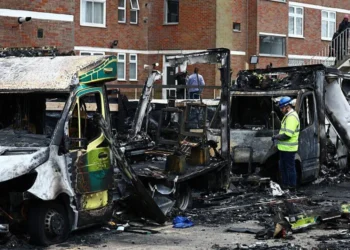 Two Men Bailed Following Arson Attack on Jewish Charity Ambulances
 Watchdog Probes Police Handling of Andrew Tate Abuse Claims
 Police Hunt Bike-Riding Gunman After Man Shot Dead Near Euston
 Net Closes on Lyons Clan: Partner Arrested in Dubai as Crime Boss Snared in Bali
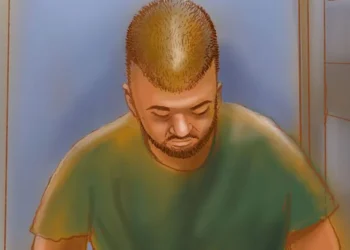 Open Justice Prevails as Court Rejects Bondi Gunman’s Family Anonymity Bid
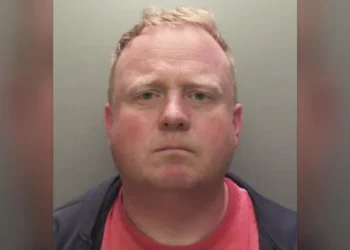 “The Monster of Hull”: Funeral Director Admits to Preventing 30 Burials and Stealing Charity Cash
 “A Shadow in the Night”: Survivor Speaks Out After Abduction by Fake Taxi Driver
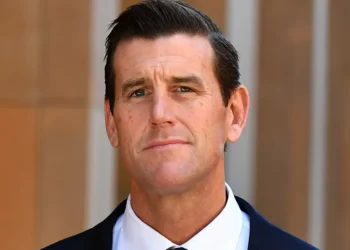 The Fallen Icon: Ben Roberts-Smith Charged with Five War-Crime Murders
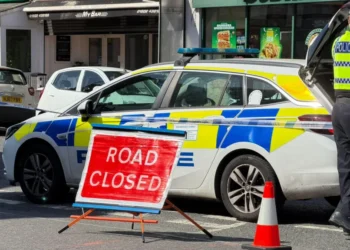 Heartbreak in Bournemouth: The Tragic Death of James Blanch
 Rebranded or Reclaimed? Seized Tate Assets to Fund Domestic Abuse Support
 California fireworks blast: murder charges filed in case
 Misconduct Inquiry Launched Over Fatal Schoolgirl Crash Response
 Counter-Terror Probe Launched After Break-In at Hampshire Firm
 A Crime of Pure Hatred’: Court Hears Harrowing Details of Racially Aggravated Rape in Bristol
 ‘A Sacred Space Shattered’: Two Found Guilty in London Church Drive-By Murder Trial
 Justice and Deceit: High Court Convicts Woman in Hong Kong Blackmail Plot
 OpenAI CEO Apologizes After Canada Shooting Case
 “Significant” Fire at Pink Punters: 51-Year-Old Man Arrested Following LGBT+ Club Blaze
 Tragedy in the Red Centre: Outback Search Ends in Discovery of Missing Girl’s Body
 Cartel crackdown raises fears of fresh violence
 500 Officers, 10 Arrests: Crewe Religious Group at Centre of Modern Slavery and Sex Crimes Probe
 “The Cost of Conviction”: Palestine Action Activists Found Guilty Over ‘Clinical’ Factory Damage
 “The Blue Light Intersection”: Seventeen-Year-Old Critically Injured in ‘Nasty’ Police Pursuit Crash
 “The Reality Reckoning”: Government Demands Accountability as Channel 4 Pulls Married at First Sight UK Over Grave Sexual Assault Allegations
 Zelensky Invites Putin to Direct Peace Talks
 UK Faces Most Dangerous Era, Military Chief Warns
 Son Urges Iran Prisoner Exchange for Jailed British Pair
 Family of British Toddler Voices Frustration as Australian Cold Case Murder Inquiry Opens
 Woman Appears in Court Over Fatal Wimbledon School Crash
 Three-Year-Old Boy Attacked by Crocodile at Zoo as Man Released on Bail
 Pizza Express Probed Andrew’s Woking Pizza Claim