Published: 06 July 2026. The English Chronicle Desk. The English Chronicle Online.
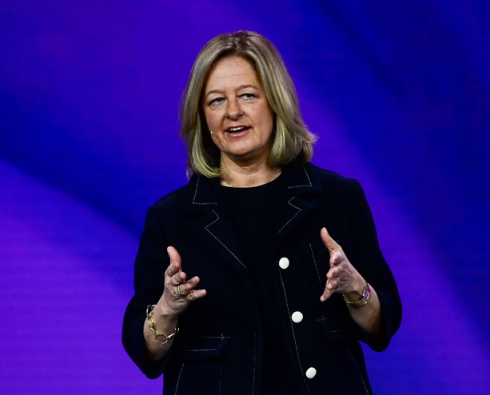
If timing is everything, then Allison Kirkby may have judged her new role perfectly. Since becoming the first female chief executive of BT over two years ago, she has succeeded. The company’s share price has climbed by eighty percent, reflecting a massive investor-pleasing turnaround effort. This success has seen Kirkby well-rewarded with a pay and bonus package of five million pounds. This figure represents the largest sum for a telecoms boss in well over a decade now. However, many analysts still have questions about how much credit Kirkby can personally take for this.
The fifty-eight-year-old Glaswegian joined the BT board back in two thousand and nineteen while still serving. She was then the chief executive of the Swedish telecoms company known to everyone as Telia today. Last week, she received widespread plaudits for finally engineering a solution to deal with the international division. This specific division has been a major financial drag on BT for a very long time. An exit strategy has been tortuously trickling along since a scandal at BT Italia occurred recently. That disaster wiped more than eight billion pounds off the firm’s total market value a decade ago. It ultimately cost the former chief executive officer, Gavin Patterson, his job at the iconic company.
As years of huge investment in addressing the United Kingdom’s status as a laggard taper off, things change. Full-fibre broadband now covers more than two-thirds of the country and will continue to grow fast. BT could be churning out three billion pounds in annual free cashflow by the end of this decade. The need for fewer engineers and the rollout of artificial intelligence will see the workforce shrink too. The total count will drop by about forty percent to around seventy-five thousand by the coming decade. Kirkby recently raised the company’s savings target from three billion to three point seven billion pounds sterling.
However, there are those who believe that the foundations for much of this benefit were laid earlier. Many observers argue that the real work was done by her predecessor, the former boss Philip Jansen. His tenure has been characterised as that of a wartime general during a very difficult economic period. He instigated only the third dividend cut in the history of BT to pay for infrastructure. He faced a global pandemic and the company’s first national strike in over thirty-five years of operation. He also oversaw huge staff and cost cuts while off-loading the very costly BT Sport television business.
One former senior executive says she inherited a good hand with many solid fundamentals in place today. Some might say she has been a lucky general, but she has also been a driving force. She is no-nonsense, a clever operator, and her subsequent decisions have been very smart for the firm. And she is still facing plenty of challenges despite the recent improvements in the company’s core operations. Sunil Bharti Mittal, the Indian telecoms billionaire who is BT’s largest shareholder, has taken a board seat. Another senior executive from his company has also joined the board to help guide the future strategy.
While Kirkby does not need to worry about a hostile takeover attempt, there is intense market pressure. The government has said it would block any increase on his current twenty-four percent stake right now. They want to maintain strict control over what they term as our nation’s critical sovereign digital infrastructure. There is added pressure to grow in a competitive market as smaller rivals capture more market share daily. BT is facing competition from a resurgent Vodafone, which overtook EE as the biggest mobile operator lately. That firm created a new entity through a mega-merger that has seen its market value surge higher. Shares in BT, which reported a three percent decline in total revenues last year, have faced struggles.
A recent U-turn on a decision to retire the venerable BT brand name has also proven quite confusing. The relaunch of the brand, which included sponsorship of Euro twenty-twenty-eight, was held in May at Wembley. EE has been the stadium sponsor and lead partner there since the year two thousand and fourteen effectively. Experts suggest it is going to be confusing because it looks like a flip-flopping branding strategy today. But the rationale behind it is sensible because BT is emotionally hard-wired into our national culture already. EE has only delivered in the mobile space, but they are trying to be the nation’s brand. It makes logical sense to leverage the history of BT for all services in the near future.
BT’s fightback is bearing fruit with subscriber numbers across its consumer operations showing growth for the first time. The units like EE, broadband, mobile, and television are finally showing signs of life after many years. It has been losing customers at its infrastructure arm, Openreach, which is a major concern for investors. It lost eight hundred and twenty-five thousand broadband customers last year in the fight against very cheap rivals. The company is forecasting it will lose another eight hundred thousand this year, which is quite significant. That will take the total over a five-year period to three million users from its current base.
However, losses have now peaked and are expected to fall to two hundred thousand annually by two thousand thirty. Kirkby has been vocal about her frustrations at the low value of Openreach within the stock market. It will reach thirty million homes with full-fibre broadband by the end of this decade at this pace. Analysts at New Street Research estimate that Openreach is worth thirty billion pounds on its own merit. Openreach is the perennial question for investors who want to see the real value unlocked very soon. The wider group does not reflect the value of its constituents, and that is a major issue.
Openreach is now probably the most valuable component of that, particularly when the fibre build is finally complete. How will she realise that value for the shareholders who have waited a very long time indeed? Every few years there is speculation that BT may look to sell the whole or part of Openreach. But this has always been dismissed due to the complexities involved, mostly relating to the massive pension scheme. The telecoms company pays hundreds of millions into that scheme annually to keep it funded and stable. However, one insider says that by two thousand thirty, the numbers in the scheme start dropping faster. The main pension scheme closed to new members back in two thousand and one, helping the long-term outlook.
When asked why he was drawn to leading companies with immense challenges, fellow Scot Adam Crozier commented. As the BT chair, he has led Royal Mail and ITV, and he knows exactly what it takes. He once attributed it to a trait he described as thrawn, a Scots word meaning difficult or intractable. To achieve her ambitious aims at BT, the no-nonsense Kirkby will certainly need to be quite thrawn. She must navigate complex regulatory environments while ensuring that the infrastructure remains robust for all British citizens. Her success will depend on her ability to keep shareholders happy while investing for the long term. Only time will tell if her bold vision will secure the company’s place in the future market.
Related News:
 UK Banks Granted Reprieve as BoE Delays Basel III Capital Rules Until 2028
 Singapore Corruption Scandal: Details Emerge on Iswaran’s Luxury Flight and Ties to Tycoon Ong Beng Seng
 Corfu Beyond the Crowds: Discovering Serenity in Southern Villages and Hidden Taverns
 Peter Andre Praises Son Junior’s ‘Quiet Season’ Amid Ongoing Family Dispute
 Massive 641-Mile Storm Set to Batter UK with 15 Hours of Rain and Strong Winds
 Jeremy Clarkson’s Pub: A Sunday Lunch Like No Other
 Scottish Government Mandates Single-Sex Toilets and Changing Facilities in Schools
 Reeves Faces Setback as Labour May Miss Homes Target
 Kate Winslet to Narrate Film Highlighting King’s Environmental Mission
 Trump’s UK Ambassador Urges North Sea Drilling to Strengthen US Ties
 Federal Immigration Shift: Officers Leave Louisiana for Minneapolis
 Fatal Bolton Taxi Crash Claims Three Teens and Driver
 Australia grants Asio powers to designate hate groups under new laws
 Friedman Uninvited From 2024 Adelaide Writers’ Week
 ScottishPower Tops List of Worst UK Energy Suppliers
 Judi Dench Champions Fight to Save London’s Green Spaces
 Crowborough Camp Welcomes First Asylum Seekers
 BBC Funding Crisis: Tim Davie Warns of Jeopardy Ahead
 ABC Facebook Page Briefly Hacked, Adult Photos Posted
 Artificial intelligence will cost jobs, admits Liz Kendall
 Older Women Vanish from BBC Screens, Review Confirms Bias
 Meta trial over child exploitation claims begins
 Streeting moves on doctor pay to end strike dispute
 Ben Stokes injury joke after brutal ball strike
 UK and US Drop in Global Corruption Index Rankings
 Send spending gap leaves deprived areas behind
 Hidden Crisis: Domestic Abuse Suicide Toll in UK
 UK Unemployment Rate Climbs to 5.2% Peak
 Canberra Poster Seizure Sparks Free Speech Row
 BBC World Cup Presenting Duties Shared Among Trio
 Wales Approves Assisted Dying Bill Consent
 CPS Updates Guidance on Honour-Based and Dowry Abuse
 Stewart Brand on Musk, Bezos and a Life of Long Thinking
 English Cricket Faces Moral Crisis Over Indian Investment
 Jacinda Ardern Move Sparks Kiwi Reflection
 Middle East Airspace Crisis Strands Thousands
 Kelly Wilkinson Inquest Reveals Bail Failure
 Asylum Seekers to Work After Year-Long Wait
 Princess Eugenie steps down as patron of anti-slavery charity
 New Zealand Covid Response Praised Despite Lingering Scars
 Injured Mojtaba Khamenei Elevated as Iran Leader
 The Kill Line: A Shifting Vision of the American Dream
 Inquiry into HMRC child benefit errors launched by NAO
 Family of Alleged Bondi Gunman Seeks Name Suppression
 Rising Costs Force Families to Rethink Days Out
 Air Canada CEO Faces Outcry Over Recent Language Misstep
 Extreme Weather: Europe Shivers as Cyclone Narelle Hits
 Scott Mills Sacked by BBC Over Personal Conduct Claims
 Palantir Boss Defends NHS Deal Amid Government Break Clause
 Asia Turns Back to Coal Amid Middle East Energy Crisis
 Relationship with Trump may be beyond repair, Starmer warned
 Trump’s Six-Week Iranian War: The High Cost of Ignorance
 US and Iran Agree to Two-Week Provisional Ceasefire
 Battle of Britain Tower to House Tourists and Bats
 The Challenger: Will Péter Magyar End the Orbán Era?
 UK Government Poised to Revive Stalled Hillsborough Law
 Democrats Move to Impeach Defense Secretary Pete Hegseth
 Security Alert Near Israeli Embassy as Police Investigate
 Ben Roberts-Smith Denies War Crime Allegations in First Statement
 Home Office Faces Legal Risks Over Asylum Hotel Living
 US-Iran Standoff: Will Trump Deploy Ground Troops?
 Crisis in NHS Surgery Scheduling Hits Patients Hard
 Investigation Into Anti-Trump Motives After Gala Shooting
 Dubai Assets Linked to Sudan’s RSF Militia Exposed
 Blue Badge Abuse: The Rising Tide of Public Hostility
 Trump Signs Landmark Iran Accord in Versailles
 Grief and Devotion Amidst the Rubble of Nabatieh
 Stirchley Community Housing Scheme Faces Crisis
 Watchdog Warns Ministers to Pause Impending HS2 Reset
 EU Slashes Steel Quotas But Grants UK Favourable Rates
 Trump Faces Backlash Over $2bn Earnings Since Return
 Starling Bank Trims Jobs for AI Future
 Trump’s Red-Card Intervention Hurts the US World Cup
 US Airman Avoids British Court in Indecent Exposure Case
 Britain’s Mini Fan Craze Sparks Major Waste Crisis
 Trump Swaps Planes Amid Iran Tensions
 Ann Widdecombe, Formidable Political Figure, Dies at 78
 UK Schools Struggle as Classrooms Top 40C
 Yemen Accuses Iran of Violating National Sovereignty
 Houthis Strike Saudi Arabia as Middle East Tensions Rise