Published: 16 June 2026. The English Chronicle Desk. The English Chronicle Online.
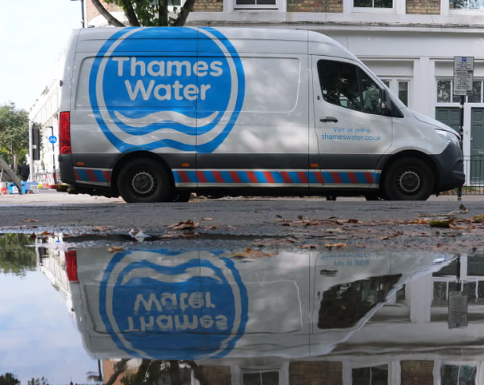
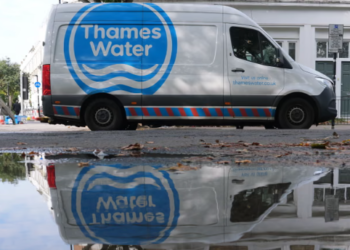
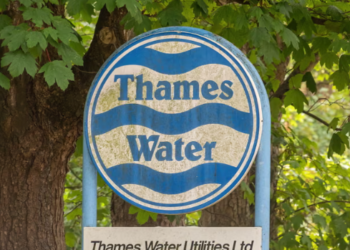
The unfolding drama surrounding Thames Water took a major turn this week in London. The UK environment secretary has officially objected to a proposed ten-billion-pound rescue package. This critical intervention has pushed the nation’s largest water company much closer to public ownership. Government officials worry the current plan places an unfair burden on regular household consumers. Emma Reynolds expressed these urgent concerns in a formal letter sent directly to Ofwat. The sector regulator received this crucial update on Monday morning regarding the company’s future.
Ministers remain deeply worried about how this specific deal impacts ordinary working families. There are growing fears that customers will ultimately lose out under the plan. The environment secretary is also concerned about a potential drop in vital performance standards. Crucial infrastructure improvements across the entire network could face significant and damaging delays. The struggling utility company serves approximately sixteen million people across London and the southeast. The massive scale of the operation makes its financial stability a national priority.
Before this latest intervention, Ofwat was moving close to finalizing a rescue agreement. Under that arrangement, the beleaguered firm would avoid new fines for four years. In return, a consortium of major creditors would inject fresh cash into the business. These financial institutions would then take complete control of the troubled utility giant. However, political pressure and public outrage over sewage spills changed the government’s approach. Ministers decided that a stronger stance was necessary to protect the public interest.
The environment secretary spoke out very clearly on Tuesday morning regarding the situation. Reynolds stated that Thames Water customers have been let down for far too long. She highlighted fifteen long years of underperformance and increasingly serious pollution across waterways. Consumers have repeatedly been left to pick up the bill for corporate failures. The minister confirmed she is not convinced the current proposal benefits the environment. The government remains fully prepared for any potential outcome over the coming weeks.
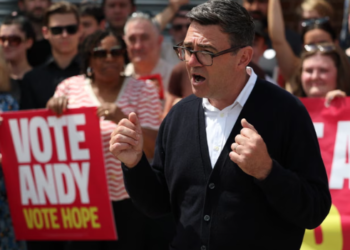
The Times first reported these specific ministerial concerns about the proposed rescue package. According to recent reports, the financial burden on consumers remains a primary issue. Meanwhile, prominent political figures are openly calling for the total nationalisation of Thames. Andy Burnham stated that public ownership should absolutely be an option for Labour. The high-profile politician previously demanded much greater public control over all utility companies. He recently met with dedicated water campaigners to discuss the ongoing environmental crisis.
Former rock frontman Feargal Sharkey has been leading the public campaign for nationalisation. He argues that privatization has failed both the consumers and the local river ecosystems. The historical context of the company explains how it reached this precarious position. Since privatization under Margaret Thatcher, successive private equity firms have loaded it with debt. The company now carries a staggering seventeen-billion-pound debt pile on its balance sheet. This immense financial pressure has brought the vital utility company close to collapse.
The government must now choose between two distinct and very challenging paths forward. Officials can choose to take the company into a special administration process. This move would represent a form of temporary nationalisation funded by taxpayers. Alternatively, ministers could accept the complex deal currently offered by the company’s creditors. That controversial agreement would effectively write off up to one billion pounds in fines. These penalties were originally issued because the company illegally polluted the local environment.
If the government approves this deal, a prominent American hedge fund takes control. Elliott Investment Management is run by the controversial billionaire financier Paul Singer. This hedge fund is a leading member of the London and Valley consortium. Other major financial institutions involved in the group include Silver Point and BlackRock. M&G is also part of this powerful consortium of global investment firms. They all want to take over the utility through a multibillion-pound restructuring.
Thames Water has been fighting hard to avoid complete bankruptcy for two years. Company executives attempted to sell the entire business to external investors last year. Their preferred bidder, KKR, unfortunately pulled out of negotiations at the last minute. That sudden collapse left the utility company in an incredibly vulnerable financial state. Observers expected the government to support the London and Valley takeover this summer. The company is running out of money and faces collapse within months.
Under the new proposal, the consortium would inject substantial equity into the firm. They plan to provide over three billion pounds of fresh equity capital. The group would also issue over six billion pounds in new debt. However, Thames Water must pay seven hundred million pounds to its advisers. This includes substantial legal fees and restructuring costs for the corporate transition teams. The utility supplier would also remain responsible for extensive accrued interest payments.
Related News:
 Yorkshire Water Funding Sparks Debate Amid Fines and Pay Row
 New £10bn rescue plan offered for Thames Water
 Reeves Faces Setback as Labour May Miss Homes Target
 Trump’s UK Ambassador Urges North Sea Drilling to Strengthen US Ties
 ABF May Split Primark from Food Division Amid Tough Market
 M&S Profits More Than Halve After Cyber-Attack
 Tony Blair think tank warns Rachel Reeves must cut taxes if manifesto broken
 Millionaires group urge Reeves to introduce wealth tax to ‘lift kids out of poverty’
 UK toy market enjoys bumper year as ‘kidults’ fuel demand
 Global markets drop amid tech sell-off and China slowdown
 PM Highlights UK Business at G20 in South Africa
 Mossmorran Plant Closure Hits Cowdenbeath Hard
 Steel billionaire Lakshmi Mittal reportedly leaves UK
 Starmer Says Labour’s Economic Plan Needs Years to Deliver
 Virgin Media Fined £23.8m Over Telecare Safety Failures
 Rising Water Bills Lift Troubled Thames Back to Profit
 Starmer Faces Parliamentary Battles Over UK-EU ‘Reset’ Plan
 Phoenixism Costs UK Taxpayers Millions in Recruitment Sector
 Dog Food Emissions: 1% of UK Greenhouse Gas Revealed
 Kent Residents Continue Facing Water Supply Disruptions
 ScottishPower Tops List of Worst UK Energy Suppliers
 City & Guilds pay surge sparks backlash amid £22m cuts
 Judi Dench Champions Fight to Save London’s Green Spaces
 UK Government Borrowing Drops to £11.6bn in December
 AI job losses UK: Britain faces sharper employment shock
 Most young adults in UK fear uncertain jobs and economic future
 Storm Chandra flooding leaves England on high alert
 UK Housing Market Shows Early Recovery Signs
 UK economy struggles as growth stalls at 0.1% in late 2025
 Bank of England Urged to Cut Rates to Spur Growth
 UK Unemployment Rate Climbs to 5.2% Peak
 UK shelves £110m border project amid trade strain
 UK Inflation Surprise Sparks Early Rate Cut Hopes
 Reeves Must Back Defence Plan or Face Dismissal, Says Unite Chief
 Switching Energy Deal Can Save £200 as Price Cap Falls
 OBR Reform Row Deepens Before Spring Forecast
 Rachel Reeves Faces Middle East Conflict Test
 Grocery Inflation Rises Amid War Fears
 Peak Greggs fears as profits tumble sharply
 Wood burner legal threats spark council row
 BrewDog sold Highland estate for knockdown price after abandoning reforestation plans
 Welsh Water Faces £44.7m Enforcement Over Sewage Breaches
 The Truth Behind Rising Energy Costs and Fossil Fuel Myths
 UK Energy Reform Could Cut Bills by £200
 Rising Costs Force Families to Rethink Days Out
 Trump to Deploy “God Squad” Over Gulf Wildlife Protections
 RNLI Beach Rescues Surge as Coastal Popularity Hits New High
 Hospitality Sector Teeters on Brink as Costs Surge
 RSPB Urges Summer Bird Feeder Removal to Curb Disease
 Aegon Sells Historic UK Arm to Standard Life for £2bn
 Major Housebuilder Cuts Land Buying Amid Global Unrest
 UK Staycations Rise as Travel Fears Grow
 Capitalism ‘Suicidal’, Warns Petro at Climate Summit
 Silent Tracks: Rail Line Without Passengers
 Heathrow Chair Seeks Peace to Save Third Runway
 Lotus Boss Pledges Future to Norfolk and Seeks State Support
 UK Firms Freeze Spending as Iran Conflict Bites
 Summer Shock: British Energy Bills Set for Grim July Hike
 Reeves to Fast-Track Clean Energy Amid Iran Crisis
 M&S Boss Slates Food Price Caps as ‘Preposterous’
 UK Faces Mass Water Shortages by 2055, Lords Warn
 Tube Strike Brings Capital to a Standstill Over Shift Disputes
 Tube Strike Brings Capital to a Standstill Over Shift Disputes
 BP Stands Firm on Amanda Blanc Amid Boardroom Storm
 UK House Prices Drop For Third Month Due To War Fears
 Top Chefs Back Andy Burnham to Save UK Hospitality Sector
 UK Steel Crisis: Jingye Demands Payout After Takeover
 Flutter to Cancel London Stock Exchange Share Listing
 AI Scams Push UK Investment Fraud Past £220m
 Thames Water Nationalisation Pushes Closer After Rescue Objected
 Andy Burnham Enlists Economic Heavyweights for Leadership Bid
 Tories Clinch Shock Victory in Aberdeen South Byelection
 Rethinking the Blueprint for Youth Employment in Britain
 Sainsbury’s Boss Optimistic As Grocery Inflation Eases
 UK Households Suffer Squeeze As Disposable Incomes Drop
 Bank of England Eases Rules Despite Rising AI Risks
 The Carbon Capture Con: Wasted Billions for Taxpayers
 BBC Faces Real Jeopardy as Licence Fee Income Declines
 Thames Water Future Remains Uncertain Amid Funding Crunch
 Three-Quarters of England’s Riverbanks Still Off Limits