Published: 08 June 2026. The English Chronicle Desk. The English Chronicle Online.
The British hospitality industry is currently facing an unprecedented economic crisis that threatens high street venues. Renowned chefs and prominent restaurateurs have united in a powerful movement to reshape the political landscape. They are openly expressing their hope that Andy Burnham will eventually become the prime minister. This widespread support follows his firm commitment to slashing the value added tax for businesses. The hospitality sector has endured years of financial hardship from rising costs and lower consumer spending. Industry leaders believe that a major political shift is required to protect independent British venues. Burnham has positioned himself as a champion for these struggling pubs, restaurants, and hotels nationwide. His recent policy announcements have resonated deeply with workers who feel ignored by central government.
The political context surrounding this development is highly significant for the future of the nation. Burnham is currently standing as the official Labour candidate in the crucial Makerfield by-election. Political analysts widely expect him to launch a challenge to Keir Starmer for party leadership. If he wins this seat, his influence within the national debate will increase dramatically. His main proposal is cutting the current hospitality tax rate from twenty percent to ten. This reduction would finally bring the United Kingdom in line with average European tax rates. A new campaign called VAT’s the Problem has been launched by passionate culinary figures. They argue that a major tax cut is the single mechanism to save businesses. Many operators believe the current tax structure is actively penalising growth across the entire country.
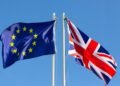
A quick look at European neighbours reveals a stark contrast in hospitality taxation policies. In France, Spain, and Italy, the tax rate for restaurants and bars is ten percent. Germany has supported its industry even further by lowering the rate to seven percent. British businesses argue they are competing on an unfair playing field against continental neighbors. High taxation makes it incredibly difficult for local venues to reinvest in their staff. It also forces prices up for ordinary consumers who are already managing tight budgets. The disparity has driven many British operators to demand immediate parity with European counterparts. They see Burnham as the first major political figure to truly embrace their cause. His platform offers a glimmer of hope to an industry on the brink.
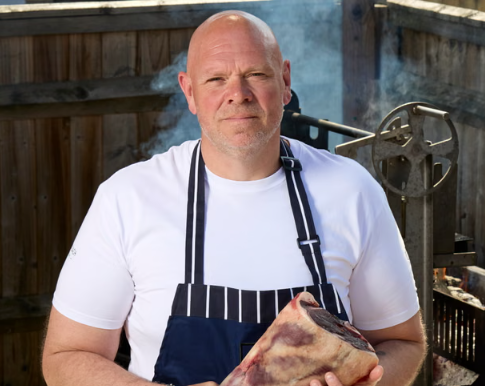
Celebrity chef Tom Kerridge has been particularly vocal in his support for the former mayor. Kerridge operates multiple highly successful establishments that hold three prestigious Michelin stars between them. He recently stated his explicit hope that Burnham would lead the country very soon. Kerridge praised Burnham for his modern approach to urban development and cultural promotion in Manchester. As mayor, Burnham helped transform the city into a vibrant and exciting food destination. He has consistently demonstrated a deep understanding of nightlife, food, and creative entertainment sectors. Kerridge believes that hospitality should be viewed as the vital lifeblood of British creativity. He urges the entire industry to unite behind Burnham in any future leadership contest. The chef insists that having an operator-minded leader would change everything for businesses.
The debate has also drawn contributions from other prominent figures across the political spectrum. Reform UK leader Nigel Farage has similarly pledged to cut the tax to ten percent. However, his proposed funding method has drawn sharp criticism from leading figures within hospitality. Farage intends to fund the tax cut by reinstating the controversial two-child benefit cap. Kerridge strongly disagreed with this approach, calling it an easy photo opportunity with a pint. He argued that taking advantage of the situation while increasing child poverty is unacceptable. The chef refused to support policies that would harm vulnerable families to help businesses. This stance highlights the desire for socially responsible economic solutions within the culinary community. Operators want meaningful tax reform without sacrificing the welfare of the poorest citizens.
The sheer scale of the crisis facing British hospitality is genuinely alarming to economists. Venues are currently closing down at a staggering rate of twenty-one establishments every week. This rapid decline is driven by massive hikes in local business rates across Britain. Employers are also struggling with increased national insurance contributions and the rising minimum wage. Furthermore, skyrocketing energy bills and persistent food inflation have severely eroded tight profit margins. Kerridge lamented that the country is currently being run by spreadsheets in the Treasury. He believes that cold financial metrics have completely replaced practical understanding of business operations. Many politicians try to understand the sector, but their policies often miss the mark. The chef fears that central lawmakers do not comprehend the daily reality of running kitchens.
In stark contrast, Burnham has a long history of campaigning for independent high street businesses. He consistently advocated for pubs, restaurants, hotels, and bars throughout the dark pandemic years. His proactive approach helped protect thousands of northern jobs during successive national lockdowns in Britain. He actively encouraged a diverse and resilient hospitality scene to thrive across Greater Manchester. His close friend and industry adviser Sacha Lord has been campaigning alongside him recently. Lord spoke to journalists on the campaign trail about Burnham’s enduring commitment to reform. He stated that a major tax reduction is the only way forward now. Lord intends to keep pushing Burnham to honor his promises if elected globally. The adviser believes that preserving these jobs is essential for broader economic recovery.
Other prominent restaurateurs have expressed similar relief regarding Burnham’s clear and supportive stance. Thomasina Miers is the respected co-founder of the popular Mexican restaurant chain called Wahaca. She noted that Burnham truly understands the unique challenges of running a large business. Miers attributed this insight to his experience working within an incredibly successful devolved region. Manchester’s thriving restaurant industry serves as an excellent blueprint for potential national policies. However, Miers expressed disappointment with the current national leadership of the Labour party. She feels that the current government has continually clobbered young workers with misguided policies. Lawmakers speak about helping working people while simultaneously making employment much more expensive. The recent national insurance tax increase felt particularly perverse to independent business owners.
The sentiment is shared by top regional chefs who operate outside of London. Tommy Banks owns the acclaimed Black Swan at Oldstead and Roots in York. He wholeheartedly supported the recent comments regarding the urgent need for tax reform. Banks stated that it feels like the industry is finally being heard nationwide. It brings immense relief to hear a high-profile politician advocating for independent kitchens. The chef emphasized that the industry is currently at a critical breaking point. More independent businesses are closing their doors permanently with each passing week of inaction. Banks called for an immediate reduction in tax rates to match continental Europe. He warns that any further delay will result in the loss of iconic venues. The culinary heritage of the United Kingdom depends heavily on swift legislative intervention.
The collective call to action from these culinary leaders represents a pivotal political moment. Hospitality is one of the highest-taxed and largest employing industries in the modern realm. Operators feel they have been bled dry by successive governments over recent decades. They are looking for a leader who treats culture as an investment rather than an expense. Kerridge concluded that if Burnham brings his Manchester success nationwide, Britain will flourish. The coming weeks will reveal whether this electoral platform can reshape national policy. For now, the kitchen doors remain open, but the pressure continues to mount daily. The fight for the future of British hospitality has officially moved to the ballot box.
Related News:
 Reeves Faces Setback as Labour May Miss Homes Target
 Trump’s UK Ambassador Urges North Sea Drilling to Strengthen US Ties
 ABF May Split Primark from Food Division Amid Tough Market
 M&S Profits More Than Halve After Cyber-Attack
 Tony Blair think tank warns Rachel Reeves must cut taxes if manifesto broken
 Oprah enjoys Meghan’s jam on English muffins
 Millionaires group urge Reeves to introduce wealth tax to ‘lift kids out of poverty’
 UK toy market enjoys bumper year as ‘kidults’ fuel demand
 Global markets drop amid tech sell-off and China slowdown
 PM Highlights UK Business at G20 in South Africa
 Mossmorran Plant Closure Hits Cowdenbeath Hard
 UK Taskforce Unveils Plan to Streamline Nuclear Reactor Rules
 Steel billionaire Lakshmi Mittal reportedly leaves UK
 Starmer Says Labour’s Economic Plan Needs Years to Deliver
 Virgin Media Fined £23.8m Over Telecare Safety Failures
 Rising Water Bills Lift Troubled Thames Back to Profit
 Sainsbury’s CEO leads business honours in New Year list
 Starmer Faces Parliamentary Battles Over UK-EU ‘Reset’ Plan
 Phoenixism Costs UK Taxpayers Millions in Recruitment Sector
 ScottishPower Tops List of Worst UK Energy Suppliers
 City & Guilds pay surge sparks backlash amid £22m cuts
 UK Government Borrowing Drops to £11.6bn in December
 AI job losses UK: Britain faces sharper employment shock
 Most young adults in UK fear uncertain jobs and economic future
 Royal Mail delivery delays affect 16 million during Christmas
 UK Housing Market Shows Early Recovery Signs
 UK economy struggles as growth stalls at 0.1% in late 2025
 Bank of England Urged to Cut Rates to Spur Growth
 UK Unemployment Rate Climbs to 5.2% Peak
 UK shelves £110m border project amid trade strain
 UK Inflation Surprise Sparks Early Rate Cut Hopes
 Progress on gender equality at top UK firms ‘achingly slow’
 Strong Rebound for UK Housing Market Sees 6% More Homes
 Reeves Must Back Defence Plan or Face Dismissal, Says Unite Chief
 Doom Bar Closure Stuns Cornish Brewing Fans
 Switching Energy Deal Can Save £200 as Price Cap Falls
 OBR Reform Row Deepens Before Spring Forecast
 UK Hotel Data Sharing Probe Shakes Global Chains
 Rachel Reeves Faces Middle East Conflict Test
 Grocery Inflation Rises Amid War Fears
 Peak Greggs fears as profits tumble sharply
 BrewDog sold Highland estate for knockdown price after abandoning reforestation plans
 Yorkshire Water Funding Sparks Debate Amid Fines and Pay Row
 New £10bn rescue plan offered for Thames Water
 UK Energy Reform Could Cut Bills by £200
 Rising Costs Force Families to Rethink Days Out
 Hospitality Sector Teeters on Brink as Costs Surge
 Iceland Boss Offers Role to Sacked Waitrose Employee
 Student Loan Interest May Rise Despite 6% Cap
 Aegon Sells Historic UK Arm to Standard Life for £2bn
 Major Housebuilder Cuts Land Buying Amid Global Unrest
 UK Staycations Rise as Travel Fears Grow
 City & Guilds Sale Sparks Fees and Pay Uproar
 Silent Tracks: Rail Line Without Passengers
 Heathrow Chair Seeks Peace to Save Third Runway
Carillion Executives Banned After Reckless Misconduct
Heathrow Chair Seeks Peace to Save Third Runway
Carillion Executives Banned After Reckless Misconduct
 Lotus Boss Pledges Future to Norfolk and Seeks State Support
 Millionaires Back Higher Taxes to Save UK Public Services
 UK Firms Freeze Spending as Iran Conflict Bites
 Summer Shock: British Energy Bills Set for Grim July Hike
 Reeves to Fast-Track Clean Energy Amid Iran Crisis
 M&S Boss Slates Food Price Caps as ‘Preposterous’
 Tube Strike Brings Capital to a Standstill Over Shift Disputes
 Tube Strike Brings Capital to a Standstill Over Shift Disputes
 BP Stands Firm on Amanda Blanc Amid Boardroom Storm
 UK House Prices Drop For Third Month Due To War Fears
 UK Steel Crisis: Jingye Demands Payout After Takeover
 Flutter to Cancel London Stock Exchange Share Listing
 AI Scams Push UK Investment Fraud Past £220m
 Whitehall Steps In: The Battle Over Thames Water Deepens
 Thames Water Nationalisation Pushes Closer After Rescue Objected
 John Lewis Invests £20m in Glasgow Store Upgrade
 Tesco Sales Growth Halves as Middle East Conflict Bites
 Andy Burnham Enlists Economic Heavyweights for Leadership Bid
 Tories Clinch Shock Victory in Aberdeen South Byelection
 Rethinking the Blueprint for Youth Employment in Britain
 Sainsbury’s Boss Optimistic As Grocery Inflation Eases
 UK Households Suffer Squeeze As Disposable Incomes Drop
 Bank of England Eases Rules Despite Rising AI Risks
 BBC Faces Real Jeopardy as Licence Fee Income Declines