Published: 15 May 2026. The English Chronicle Desk. The English Chronicle Online.
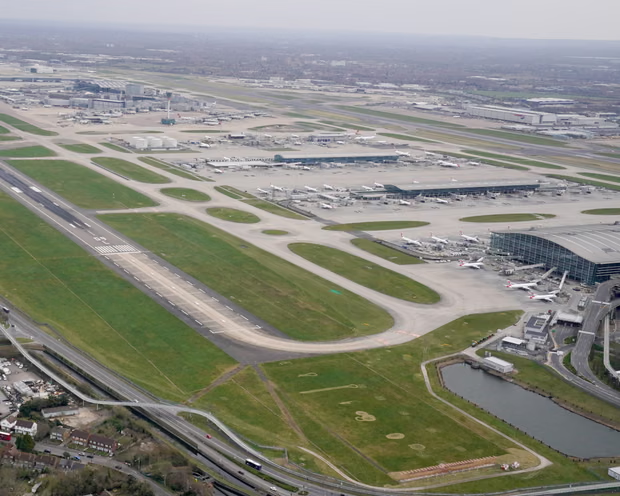
The future of British aviation stands at a critical and highly contested crossroads this week. A dramatic regulatory shift could soon transform how the nation connects with the wider world. Heathrow Airport might find itself stripped of its historic monopoly over its own massive expansion. The aviation regulator has suggested that rival firms should help build the long-delayed third runway. This radical intervention aims to protect passengers from skyrocketing costs at Europe’s busiest aviation hub. The Civil Aviation Authority released a comprehensive and highly anticipated review of current airport operations. Their report proposes fundamental changes to the traditional financial model governing this vital transport asset.
For decades, the airport operator has maintained exclusive control over all major construction projects. Now, the watchdog believes that open market competition could drive down spiraling development costs. Under these new proposals, external businesses would bid to design and construct the new runway. Independent firms might also secure rights to build and operate the accompanying terminal buildings. The regulator argues that direct competition would encourage much greater efficiency from the main operator. This represents a significant departure from the established framework that has historically protected the hub. Such a bold move could fundamentally alter the economic landscape of British infrastructure delivery.
The most revolutionary suggestion within the report borrows inspiration from major international aviation models. The watchdog floated a system similar to the multi-terminal arrangements seen at JFK Airport. Under that American model, different developers independently manage separate terminals within a single major hub. Implementing this specific approach in West London would require formal and explicit government approval. Ministers would need to grant special dispensations to allow independent terminal operators onto the site. This concept has already sent shockwaves through the aviation industry and British business circles. It marks a dramatic shift in how major UK infrastructure could be financed and delivered.
The battle over who expands the nation’s primary hub has raged for many years. Last November, government ministers officially backed the expansion blueprint put forward by the current owners. That decision placed the projected timeline for completion somewhere around the middle of the next decade. However, the airport operator must still secure formal planning permission before any digging begins. They currently aim to start the physical construction process before the end of the decade. The long-awaited expansion project has faced constant delays from environmental legal challenges and political disagreements. This latest regulatory intervention adds another layer of complexity to an already tangled situation.
Recent developments indicate that the leadership at the airport is trying to find compromise. The newly appointed chairperson recently opened fresh discussions with key airlines and private developers. These high-level talks aim to break the political deadlock surrounding the enormous expansion costs. Tensions have been rising steadily between the airport management and its main commercial tenants. Airlines remain deeply concerned that expensive construction projects will ultimately translate into higher landing fees. Retailers operating within the terminals also fear that their costs will rise significantly to pay for it. Ultimately, ordinary British passengers would bear the financial burden through much higher ticket prices.
The financial stakes are incredibly high for the major airlines that dominate the airfield. British Airways currently controls more than half of the highly coveted take-off and landing slots. The chief executive of its parent company has demanded a strict cap on spending. He insists that the total cost for the third runway must not exceed thirty billion pounds. Airlines are fiercely resisting any plan that allows construction budgets to spiral out of control. They argue that the hub is already considered the most expensive airport in Europe. High operating costs could potentially drive international airlines to rival hubs in Paris or Amsterdam.
The regulator has previously demonstrated its willingness to protect airlines and consumers from rising fees. Earlier this year, the watchdog firmly rejected plans to significantly increase airline landing charges. The airport management had hoped to use those extra funds for a multibillion-pound upgrade. That rejection forced the executive team to reconsider how they would finance their grand ambitions. Now, alternative developers are sensing a historic opportunity to break into a lucrative market. They believe they can deliver the necessary infrastructure for a fraction of the cost. This ongoing financial dispute has created a powerful coalition demanding radical reform at the hub.
One prominent private developer has been actively promoting an alternative twenty-five billion pound scheme. This businessman serves as a leading figure in a campaign group called Heathrow Reimagined. The powerful consortium remarkably brings together fierce rivals including British Airways and Virgin Atlantic. This unusual alliance is campaigning vigorously to drastically reduce the baseline costs of airport operations. The developer noted that competition at the hub seemed completely impossible just two short years ago. He believes the case for structural change has now become absolutely undeniable across the industry. His organization has warmly welcomed the new consultation process launched by the aviation regulator.
However, transitioning to a multi-developer system would certainly not be a simple operational task. The regulatory watchdog openly acknowledged that introducing rival bidders presents significant practical complications. Ensuring seamless integration between different terminal operators requires incredibly careful planning and strict oversight. Safety systems, baggage handling, and security protocols must remain completely unified across the entire estate. The regulator emphasized that any new model must clearly benefit consumers across the whole airport. It cannot simply favor one specific terminal or airline over the others using the facility. The operational challenges of dividing a constrained hub are keeping industry experts awake at night.
The current owners of the airport have reacted with considerable caution to these proposals. A spokesperson warned that the suggested changes could severely undermine ongoing expansion efforts. The company argues that solid economic growth is absolutely essential for tackling national financial challenges. They claim to have a clear plan to invest billions of pounds of private capital. This investment would upgrade the hub while creating thousands of jobs across the United Kingdom. Management supports smart reforms that cut red tape and boost overall operational efficiency. However, they strongly oppose any regulatory changes that might delay vital national infrastructure projects.
The ownership structure of the hub adds an international dimension to this domestic debate. A high-profile consortium of global investors currently owns the main airport operating company. This powerful group is led by a prominent French investment firm called Ardian. The ownership structure also features the sovereign wealth funds of Qatar, Singapore, and Saudi Arabia. These global investors expect stable returns on the massive amounts of capital they deploy. Introducing unexpected domestic competition could potentially complicate their long-term financial calculations and investment strategies. The government must balance these international investor relations against the immediate needs of British consumers.
The coming months will see intense lobbying from all sides of this multi-billion-pound dispute. The aviation regulator will collect feedback from airlines, developers, and the public during this consultation. Ministers in the government will eventually have to make the final and definitive political decision. They must decide whether to maintain the traditional monopoly or embrace a competitive new era. The outcome will shape British transport policy and economic growth for generations to come. Travelers across the country will be watching closely to see if ticket prices will fall. For now, the battle for the future of the nation’s skies remains wide open.
Related News:
 Reeves Faces Setback as Labour May Miss Homes Target
 Trump’s UK Ambassador Urges North Sea Drilling to Strengthen US Ties
 ABF May Split Primark from Food Division Amid Tough Market
 M&S Profits More Than Halve After Cyber-Attack
 Tony Blair think tank warns Rachel Reeves must cut taxes if manifesto broken
 Oprah enjoys Meghan’s jam on English muffins
 Millionaires group urge Reeves to introduce wealth tax to ‘lift kids out of poverty’
 UK toy market enjoys bumper year as ‘kidults’ fuel demand
 Global markets drop amid tech sell-off and China slowdown
 PM Highlights UK Business at G20 in South Africa
 Mossmorran Plant Closure Hits Cowdenbeath Hard
 UK Taskforce Unveils Plan to Streamline Nuclear Reactor Rules
 Steel billionaire Lakshmi Mittal reportedly leaves UK
 Starmer Says Labour’s Economic Plan Needs Years to Deliver
 Virgin Media Fined £23.8m Over Telecare Safety Failures
 Rising Water Bills Lift Troubled Thames Back to Profit
 Sainsbury’s CEO leads business honours in New Year list
 Starmer Faces Parliamentary Battles Over UK-EU ‘Reset’ Plan
 Phoenixism Costs UK Taxpayers Millions in Recruitment Sector
 ScottishPower Tops List of Worst UK Energy Suppliers
 City & Guilds pay surge sparks backlash amid £22m cuts
 UK Government Borrowing Drops to £11.6bn in December
 AI job losses UK: Britain faces sharper employment shock
 Most young adults in UK fear uncertain jobs and economic future
 Royal Mail delivery delays affect 16 million during Christmas
 UK Housing Market Shows Early Recovery Signs
 UK economy struggles as growth stalls at 0.1% in late 2025
 Bank of England Urged to Cut Rates to Spur Growth
 UK Unemployment Rate Climbs to 5.2% Peak
 UK shelves £110m border project amid trade strain
 UK Inflation Surprise Sparks Early Rate Cut Hopes
 Progress on gender equality at top UK firms ‘achingly slow’
 Reeves Must Back Defence Plan or Face Dismissal, Says Unite Chief
 Switching Energy Deal Can Save £200 as Price Cap Falls
 OBR Reform Row Deepens Before Spring Forecast
 UK Hotel Data Sharing Probe Shakes Global Chains
 Rachel Reeves Faces Middle East Conflict Test
 Grocery Inflation Rises Amid War Fears
 Peak Greggs fears as profits tumble sharply
 BrewDog sold Highland estate for knockdown price after abandoning reforestation plans
 Yorkshire Water Funding Sparks Debate Amid Fines and Pay Row
 New £10bn rescue plan offered for Thames Water
 UK Energy Reform Could Cut Bills by £200
 Rising Costs Force Families to Rethink Days Out
 Hospitality Sector Teeters on Brink as Costs Surge
 Iceland Boss Offers Role to Sacked Waitrose Employee
 Student Loan Interest May Rise Despite 6% Cap
 Aegon Sells Historic UK Arm to Standard Life for £2bn
 Major Housebuilder Cuts Land Buying Amid Global Unrest
 UK Staycations Rise as Travel Fears Grow
 City & Guilds Sale Sparks Fees and Pay Uproar
 Silent Tracks: Rail Line Without Passengers
 Heathrow Chair Seeks Peace to Save Third Runway
Carillion Executives Banned After Reckless Misconduct
Heathrow Chair Seeks Peace to Save Third Runway
Carillion Executives Banned After Reckless Misconduct
 Lotus Boss Pledges Future to Norfolk and Seeks State Support
 Millionaires Back Higher Taxes to Save UK Public Services
 UK Firms Freeze Spending as Iran Conflict Bites
 Summer Shock: British Energy Bills Set for Grim July Hike
 Reeves to Fast-Track Clean Energy Amid Iran Crisis
 M&S Boss Slates Food Price Caps as ‘Preposterous’
 UK Pushes for New EU Goods Trade Deal
 UK Urged to Build EU Rejoin Consensus, Says Miliband
 Tube Strike Brings Capital to a Standstill Over Shift Disputes
 BP Stands Firm on Amanda Blanc Amid Boardroom Storm
 Steel Tensions Rise Between United Kingdom and European Union
 UK House Prices Drop For Third Month Due To War Fears
 Top Chefs Back Andy Burnham to Save UK Hospitality Sector
 UK Steel Crisis: Jingye Demands Payout After Takeover
 Flutter to Cancel London Stock Exchange Share Listing
 AI Scams Push UK Investment Fraud Past £220m
 Whitehall Steps In: The Battle Over Thames Water Deepens
 Thames Water Nationalisation Pushes Closer After Rescue Objected
 John Lewis Invests £20m in Glasgow Store Upgrade
 Andy Burnham Enlists Economic Heavyweights for Leadership Bid
 Tories Clinch Shock Victory in Aberdeen South Byelection
 Rethinking the Blueprint for Youth Employment in Britain
 Sainsbury’s Boss Optimistic As Grocery Inflation Eases
 UK Households Suffer Squeeze As Disposable Incomes Drop
 Bank of England Eases Rules Despite Rising AI Risks
 BBC Faces Real Jeopardy as Licence Fee Income Declines