Published: 01 July 2026. The English Chronicle Desk. The English Chronicle Online.
The era of huge salaries for academy school leaders across England may soon end. The government plans to introduce strict limits on executive pay within the education sector. For years, some academy chiefs have enjoyed salaries compared to wealthy corporate investment bankers. These educational leaders often received hefty annual pay increases regardless of wider economic struggles. Nearly one hundred academy chief executives currently earn well over £200,000 every single year. This enormous executive pay can cost trusts anywhere from five pounds to £150 per pupil. Interestingly, only a quarter of these top-earning educational executives are actually women right now. This statistic highlights a significant gender disparity within the highest levels of school administration.
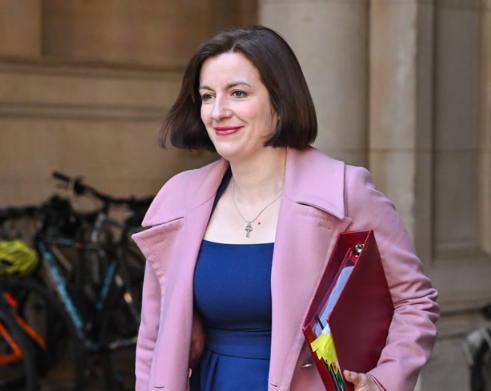
Education Secretary Bridget Phillipson is now preparing to announce a strict new salary cap. This new limit will restrict academy trust executive salaries to a maximum of £174,000. Trusts will need special government approval to advertise any pay packages above this amount. Furthermore, she plans to limit future executive pay increases to match regular teacher awards. This significant announcement is highly expected to take place on Wednesday afternoon in Parliament. It will be closely followed by the annual pay recommendation for England’s classroom teachers. This recommendation comes directly from the government’s independent review body for schoolteachers this week.
Reliable sources indicate that Phillipson will enforce rules for trusts running English academy schools. This includes large multi-academy trusts that are completely responsible for managing many state schools. These leaders must soon follow executive pay rules similar to those used in the NHS. Further education colleges also carefully adhere to these much stricter public sector financial guidelines. The Department for Education officially declined to comment on the upcoming educational policy changes. However, a trusted government source shared some strong views regarding the current financial situation. They confidently described the new cap as a straightforward matter of fairness for everyone. This essential fairness extends to both the hardworking British taxpayers and dedicated classroom teachers.
The source acknowledged that academy trusts are doing truly brilliant work for millions of children. However, they stressed that society simply cannot accept double-figure percentage pay rises right now. These massive increases are inappropriate when added to already staggering six-figure baseline executive salaries. These enormous executive salaries are ultimately paid for by the general taxpaying British public. Paying such excessive executive rates carries a huge risk of diverting vital financial funding. This precious funding should ideally go directly towards supporting essential frontline classroom teaching services. The move follows previous government statements regarding executive pay in the wider education sector. In February, a schools white paper highlighted a strong desire to tackle unjustifiable salaries.
A recent detailed survey examined executive pay across various English academy trusts very closely. This comprehensive research was conducted and published by the respected educational publication Schools Week. The final findings revealed some truly astonishing figures regarding top educational salaries last year. Dan Moynihan, the chief executive of the Harris Federation, was the highest paid leader. His massive organization successfully runs fifty-five different academy schools across the entire local region. He reportedly received an incredible salary of £530,000 during the last complete financial year. Other extreme high-earners included Dayo Olukoshi, the executive principal of the Brampton Manor trust. This particular educational trust is surprisingly responsible for running just two schools in total.
Despite this very small size, Olukoshi earned a massive salary of £350,000 last year. This truly astonishing figure quickly followed a very generous annual pay rise of £20,000. About one in four academy chief executives received a substantial pay rise recently. This increase was significantly greater than the raise given to regular classroom teachers lately. Many of these top executives enjoyed double-digit percentage increases during the previous academic year. A political Labour source stated that banker-style salaries are entirely inappropriate for academy administrators. These vital educational institutions are funded entirely by public money and regular taxpayer contributions. The anonymous source noted that many academies continue to do absolutely great things today.
They firmly emphasized that the current government continues to fully back and support them. However, they clearly stated that with such operational freedom comes a very great responsibility. Regarding executive pay, this responsibility has not always been exercised sensibly or fairly lately. The public rightfully expects educational leaders to manage public funds with absolute extreme care. The source noted that the previous Conservative government admirably recognized this rapidly growing problem. Unfortunately, their completely voluntary approach to controlling executive pay simply did not work out. Consequently, six-figure executive salaries have continued to soar dramatically over recent difficult financial years. Because of this ongoing failure, the current administration is taking much firmer legislative action.
Executive salaries in school trusts will now be treated like the rest of the public sector. This ensures they always represent a fair and highly accountable use of vital taxpayer cash. Currently, nearly ninety percent of all secondary schools in England operate as academy schools. However, the new strict £174,000 salary cap will not negatively affect the majority of trusts. Most educational trusts currently pay their executives salaries closer to regular secondary-school headteachers today. The recent detailed financial analysis by Schools Week clearly confirmed this broader economic reality. It found that chief executive pay across more than one thousand trusts averaged £142,000. Therefore, this new strict cap actively targets only the most extreme outliers in the system.
This bold political move is very likely to be widely applauded by various teaching unions. Organizations like the National Education Union strongly criticized the current completely unequal pay system. They have consistently argued that there is absolutely no justification for inflated executive salaries. These large unions believe public money should always prioritize classroom resources and student welfare. The major teaching unions will also be watching very closely for a crucial upcoming report. The independent schoolteachers review body is expected to unveil its professional recommendations this Wednesday. This highly anticipated report will heavily influence the government’s final decisions regarding upcoming teacher pay. Dedicated educators eagerly await news concerning their financial compensation for the next academic year.
The Department for Education previously made a specific recommendation to this independent review body. They thoughtfully suggested that regular classroom teacher pay should rise by six and a half percent. This proposed wage increase would be spread evenly over three consecutive academic teaching years. The planned period stretches from the 2026-27 academic year through to 2028-29 safely and securely. The busy department recommended applying slightly higher financial awards during the final two years. Despite this solid proposal, teaching unions remain deeply concerned about the broader financial picture. They seriously worry that individual schools may not actually receive any essential additional funding. Without extra central money, local schools might severely struggle to cover mandated staff pay rises.
Education Secretary Phillipson recently addressed this specific financial concern in a formal remit letter. She brightly suggested that schools could potentially use general budget efficiencies to find the money. However, many frontline educators heavily argue that school budgets are already stretched incredibly thin. Finding further internal financial efficiencies without harming educational quality remains a massive daily challenge. The strict new cap on executive pay might offer a small step in the right direction. The excessive era of unchecked corporate-style spending in public schools is finally drawing to a close. Parents can feel reassured that their local schools will prioritize students over extreme executive wealth.
Related News:
 Bridget Phillipson Vows to Confront Unions Over Reading Tests
 England’s Special Needs Support Faces Breaking Point
 UK Ministers Drop Foreign Student Targets for Global Education Push
 SEND Plan Gains Cautious Support Amid England Schools’ Workload Concerns
 Student Loan Crisis Sparks Outrage Among Graduates in England
 NHS Safety Fears as Nurses Cover Doctor Gaps
 Green Party Surges Past Labour in Latest UK Poll
 Trump’s UK Ambassador Urges North Sea Drilling to Strengthen US Ties
 Children to Learn Local History in Major Curriculum Overhaul
 French Taxi Driver Cleared in David Lammy Theft Case After Fare Dispute
 Labour immigration crackdown could cost UK £4.4bn
 Millionaires group urge Reeves to introduce wealth tax to ‘lift kids out of poverty’
 Starmer Faces Growing Dissent as Labour MPs Weigh Leadership Challenge
 Reeves rejects £1bn plea for NHS redundancy payouts
 PM Condemns Leaks, Vows Loyalty to Ministers and Stability
 Major Rent Reform Ends No-Fault Evictions in England
 Peers Flood Assisted Dying Bill with 942 Amendments
 Most Tories Expect to Support a Farage-Led Government
 Starmer Says Labour’s Economic Plan Needs Years to Deliver
 Culture secretary to review Telegraph takeover by Daily Mail owner
 UK Launches First Town of Culture Competition
 City & Guilds pay surge sparks backlash amid £22m cuts
 Labour Blocks Burnham as Party Rift Deepens Ahead of Polls
 Huge mistake: Labour blocks Burnham from byelection bid
 Artificial intelligence will cost jobs, admits Liz Kendall
 Labour targets Greens on drugs in Gorton Denton byelection
 Greens nominate Hannah Spencer for Gorton and Denton byelection
 Mandelson Faces Police Inquiry Over Epstein Leak
 Labour Thinktank Row Deepens Over Journalist Probe Claims
 Morgan McSweeney downfall shocks Labour leadership
 Send spending gap leaves deprived areas behind
 Cabinet Secretary Shake-Up Triggers Due Diligence Warning
 Starmer Faces Inquiry Calls Over Thinktank Probe
 UK shelves £110m border project amid trade strain
 Farage Unveils Reform UK Frontbench Team
 California Democrats Vow Trump Reckoning
 Wales Approves Assisted Dying Bill Consent
 UK EU Trade Reset Gains Public Backing
 New Era for UK Special Needs Support
 Green Party Stuns Labour in Gorton and Denton Byelection
 Corbyn Leads Your Party in Coordinated Left-Flank Strategy
 Labour Together scandal sparks clean break vow
 Adelaide University Faces Backlash Over Event Cancellation
 Asylum Seekers to Work After Year-Long Wait
 Starmer Row as Greens Demand Apology
 Proposed Law Leaves Gap for Children of Convicted Paedophiles
 Gordon Brown urges court for crimes against children
 Inquiry into HMRC child benefit errors launched by NAO
 NHS Plans to Cut Overseas Workers Labeled Overambitious
 Farage Faces Backlash Over Crypto Cameo Endorsements
 Relationship with Trump may be beyond repair, Starmer warned
 Unions Raise Concerns Over Doctors’ Pay Dispute
 UK Government Poised to Revive Stalled Hillsborough Law
 UK Stands Firm on Falklands Amid US Rift
 Welsh Labour Faces Potential Historic Election Defeat
 Starmer Survives Mandelson Rebellion
 Silent Tracks: Rail Line Without Passengers
 Major test for Labour as polls open in Great Britain
 Labour Members Doubt Starmer Future as Burnham Leads Poll
 Reform UK Faces Crisis as Newly Elected Councillors Resign
 Keir Starmer Struggles to Secure His Grip on Downing Street
 Farage Faces Standards Probe Over Cash Property Purchase
 Secret Role of UK Security Services in Troubles Amnesty Law
 Farage and Reform UK Reshape British Politics
 Minister Criticises Police Guidance Amid Southampton Protests
 Makerfield Voters Demand Real Change as Election Looms
 Tech Trends and the Battle Against Exam Hall Cheating
 The Hidden Crisis Eroding Trust in British Communities
 Deepfake Abuse on X Sparks Safety Concerns for Dissidents
 Labour MP Revives Blocked Assisted Dying Bill in Commons
 Starmer Set to Announce Exit Plan as Burnham Eyes No 10
 The Hybrid School Revolution Defying the Social Media Ban
 Hollie Ridley to Step Down as Labour General Secretary
 New South Wales Premier Chris Minns Signals Tough Road Ahead for Labor
 Jarvis Urges Burnham to Secure 3.5% Defence Spending
 Farage Warns Sky News Following Financial Inquiry
 Reform UK Finances Face Deep NCA Probe
 Ann Widdecombe, Formidable Political Figure, Dies at 78
 Treasury Reform Urged After Tragic Loss
 UK Schools Struggle as Classrooms Top 40C