Published: 1 July 2026
The English Chronicle Desk
The English Chronicle Online
A new report from human rights organisation Amnesty International has accused Sudan’s Rapid Support Forces (RSF) of committing crimes against humanity during ongoing fighting in and around the city of El-Fasher, intensifying international concern over one of Africa’s most devastating conflicts.
The allegations add to growing evidence of widespread abuses committed during Sudan’s civil war, which has displaced millions of people, devastated communities and created one of the world’s largest humanitarian crises.
Amnesty’s findings focus on events in El-Fasher, the capital of North Darfur, where fierce fighting has continued despite repeated international calls for restraint and civilian protection.
The organisation alleges that RSF fighters and allied groups carried out serious violations against civilians, including killings, persecution and attacks targeting communities based on ethnic identity.

The RSF has previously denied accusations of systematic abuses and has argued that its operations are directed against military opponents rather than civilians.
However, rights groups and international observers have repeatedly raised concerns about the conduct of armed actors throughout the conflict.
El-Fasher occupies a strategically important position in Sudan’s western Darfur region and has become one of the conflict’s most fiercely contested locations.
The city serves as a major administrative, economic and humanitarian hub.
Control of El-Fasher is viewed as critical by both the Sudanese Armed Forces (SAF) and the RSF.
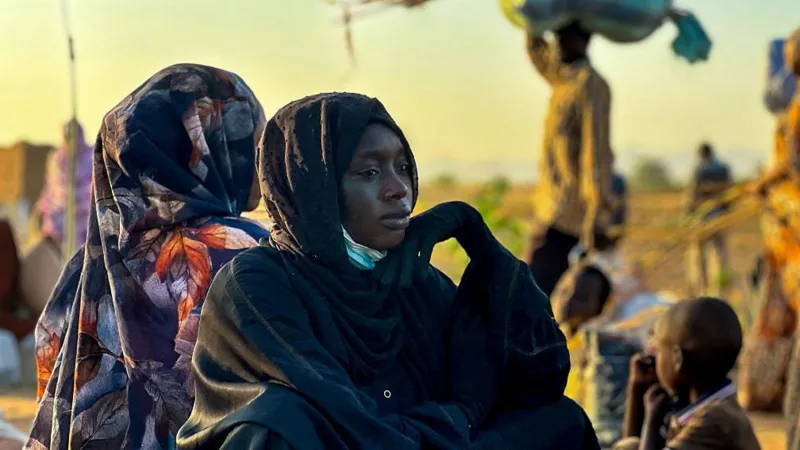
As fighting intensified, thousands of civilians found themselves trapped between opposing forces.
Aid organisations have warned that continued violence threatens to worsen already severe shortages of food, medicine and essential services.
Humanitarian agencies have repeatedly described conditions in the region as catastrophic.
Many residents have been forced to flee their homes, while those remaining often face insecurity, limited access to healthcare and deteriorating living conditions.
According to Amnesty International, evidence gathered through interviews, witness testimony and other documentation suggests that serious abuses were committed during military operations in and around El-Fasher.
The organisation alleges that attacks targeted civilian populations and may constitute crimes against humanity under international law.
Crimes against humanity refer to certain acts committed as part of a widespread or systematic attack directed against civilians.
Such offences can include murder, persecution, forced displacement and other serious violations.
International legal experts note that determining whether crimes against humanity have occurred requires extensive investigation and evidence collection.
Amnesty has called for independent inquiries into the allegations and urged the international community to increase pressure on all parties involved in the conflict.
The organisation argues that accountability will be essential if long-term peace and stability are to be achieved.
Sudan’s current war began following a power struggle between the Sudanese Armed Forces and the RSF, two institutions that had previously cooperated after the overthrow of former President Omar al-Bashir.
Political tensions escalated into open conflict, triggering violence across multiple regions of the country.
Darfur has been particularly affected due to its long history of ethnic tensions, armed conflict and humanitarian crises.
The region was the site of major violence in the early 2000s, attracting international attention and leading to allegations of war crimes and crimes against humanity.
Many observers fear that the current fighting risks reviving some of the divisions and patterns of violence that characterised earlier conflicts.
The war has produced enormous humanitarian consequences.
Millions of people have been displaced both within Sudan and across neighbouring countries.
Refugee camps and temporary settlements have struggled to accommodate growing numbers of people seeking safety.
Humanitarian agencies report that access to food, clean water and healthcare remains severely limited in many areas.
Aid deliveries are frequently disrupted by insecurity, damaged infrastructure and bureaucratic obstacles.
International organisations warn that famine risks continue to rise in some regions as conflict interferes with agricultural production and supply chains.
Children are among the most vulnerable victims of the crisis.
Many have been displaced, separated from family members or deprived of access to education and healthcare.
Human rights groups have repeatedly called for stronger protections for civilians and humanitarian workers.
The latest allegations have renewed calls for international action.
Human rights organisations argue that independent investigations are necessary to establish the facts and ensure accountability for any crimes committed during the conflict.
Legal experts note that documenting abuses is often difficult during active warfare, particularly in areas where access is restricted.
Nevertheless, evidence collection remains important for future judicial processes and historical records.
Several governments and international institutions have expressed concern about reports of abuses by multiple parties involved in the conflict.
Diplomatic efforts aimed at securing ceasefires and political negotiations have so far achieved limited success.
The international community continues to monitor developments closely.
The United Nations, African Union and various regional organisations have repeatedly urged all sides to protect civilians and allow humanitarian access.
Aid agencies have stressed that immediate measures are needed to prevent further loss of life.
Many observers believe a lasting solution will require both political negotiations and meaningful accountability mechanisms.
Without those elements, experts warn that cycles of violence could continue.

As fighting persists in El-Fasher and other parts of Sudan, civilians remain caught in a conflict with no clear end in sight.
The allegations raised by Amnesty International have added urgency to calls for greater international engagement and stronger protection for vulnerable communities.
Whether the claims ultimately lead to formal investigations or legal action remains uncertain.
What is clear is that Sudan’s conflict continues to inflict immense suffering on millions of people and poses a growing challenge for humanitarian organisations attempting to respond.
For residents of El-Fasher, the priority remains survival.
For the international community, the latest accusations serve as another reminder of the human cost of a war that shows little sign of ending.
Related News:
 Hunger increasingly weaponised in global conflicts
 Gulf states warn Trump Iran strikes risk wider Middle East war
 Machado Trump medal gesture reshapes Venezuela power struggle
 Greenland defence seen as shared Nato duty amid troop arrivals
 Trump Receives Machado’s Nobel Medal in White House Meeting
 Syria President Declares Victory as Ceasefire Reached with SDF
 US Considers Asylum for British Jews Amid Rising Antisemitism
 Fears of New Arms Race as US-Russia Nuclear Weapons Treaty Expires
 US Military Says Two Killed in Strike on Alleged Drug Boat in Eastern Pacific
 Venezuela’s Opposition Says Party Leader Kidnapped Hours After Being Freed
 Lunar New Year 2026: Celebrations Around the World
 Iran Says ‘Guiding Principles’ Agreed With US at Nuclear Talks
 Ukraine Peace Talks End in Acrimony After Two Hours
 Indian University Kicked Out of AI Summit for Claiming Chinese Robot Dog as Its Own Invention
 UK Has Not Given US Permission to Use RAF Bases for Iran Strikes
 Chad Shuts Border With Sudan in Bid to Stop Conflict Spreading
 Drugs, Denial, Stigma: Fiji’s HIV Crisis Hits Children
 US ‘Suitcase Murderer’ Deported From Bali After 11 Years in Jail
 Why Asian Firms Are Not Cheering Trump Tariff Ruling
 Kidnapping of Foreigners Soars in Africa’s Lawless Sahel Region
 Months of Planning Behind US‑Israeli Mission to Target Iran’s Supreme Leader
 UK Will Allow US to Use Bases to Strike Iranian Missile Sites, PM Says
 Israel Launches Fresh Strikes on Tehran & Beirut; US Warns “Hardest Hits” Ahead
 At Least 169 Killed in South Sudan ‘Surprise’ Attack
 Carney to Push His Middle Power Strategy During Australia Visit
 Azerbaijan Promises Retaliation After Iranian Drone Hits Airport
 Cocoa Farmers Suffer as Chocolate Market Collapses
 Yvette Cooper: UK Must Follow Principles, Not US Pressure
 Wary Allies Signal No Easy Path in Iran Crisis
 Saudi Arabia Urging US to Keep Up Iran Attacks
 Beyond ‘Halfway’: Netanyahu Signals Progress as Iranian Drone Strikes Tanker in Dubai
 Tragedy in Lebanon: Two Indonesian UN Peacekeepers Killed in Border Explosion
 Chain of Fire: US Bunker Busters Strike Major Iranian Ammo Depot in Isfahan
 ‘Lego Drones’: Ukraine Hits Back at German Arms Giant Over ‘Housewife’ Slurs
 ‘Targeting the Truth’: US Journalist Shelly Kittleson Abducted in Central Baghdad
 ‘The Warthog’s Stopover’: American Tank Busters Land at Lakenheath En Route to the Gulf
 ‘The Cost of Living’: Asia’s Migrant Workers Debate if Gulf Jobs are Worth the Risk of War
 ‘The 42-Day Rally’: Asian Markets Surge as Trump Signals ‘Rapid’ Iran Exit
 ‘Blue Helmets’ in the Crossfire: Initial Probe Points to Roadside Bomb in Killing of UN Peacekeepers
 ‘The Arch of Anxiety’: How the $116 Oil Price and the Iran War are Reshaping Life in Asia
 Macron Urges Stability as Trump Jolts Nato and Iran
 Macron Rebukes Trump Following Mockery of His Marriage
 Tragic End to Outback Search as Floods Claim a Life
 Ben Roberts-Smith Arrested Over Alleged War Crimes
 Netanyahu Vows Continued Lebanon Strikes Amid Peace Talks
 Reeves Slams Trump Over Iran War Lack Of Exit Plan
 US and Iran Pursue Extension of Ceasefire via Pakistan
 Pope Leo Calls for Global Unity Following Trump Criticism
 Trump Brokers Ten Day Ceasefire to Halt Lebanon Conflict
 Mexico, Spain and Brazil call for Cuba dialogue amid crisis
 Ukraine Urges UK to Seize Russian Oil Tankers
 US Calls Australia Media Law “Foreign Extortion”
 Questions Remain Over The Tragic Bondi Massacre
 Ukraine strikes Tuapse as oil disaster worsens
 “The Tightrope Walk”: Lula and Trump Meet at White House to ‘Recalibrate’ Fractured Alliance
 “The Boy in the Bay”: German Airman to Receive Permanent Headstone 86 Years After Somerset Crash
 Tensions Emerge in Netanyahu-Trump Alliance
 US and Mexico Face Heatwave as Floods Batter South Africa
 The Long Way Home: Australia’s High-Stakes Virus Mission
 Trump Warns Iran Ceasefire Is Now on Life Support
 Putin Signals War End as Russian Momentum Stalls
 Philippine Senator Flees After Days Under Senate Siege
 “The Axis of Autonomy”: Government Breaks Silence on What Really Holds China and Russia Together
 Tragedy in the Maldives: Inside the Deep Sea Rescue
 US Ebola Case Sparks Urgent Global Screening Measures
 “The Eagle’s Catch”: Fugitive Former Power Minister Saleh Mamman Apprehended in Pre-Dawn Raid
 Discontent grows around Putin amid war strain
 Former ICC prosecutor condemns US sanctions
 European Allies Set Peace Terms for Ukraine
 Iran and Israel Pause Strikes but Warn Retaliation Will Follow Any New Breach
 Aukus Deal Facing Fierce Backing and Historic Criticism
 Sentenced to 30 Years: Former Leader’s Secret Drone Plot
 Iran To Propose New Shipping Fees In Strait Of Hormuz
 Trump’s Iran Legacy Hangs on Tehran Deal
 Grief and Devotion Amidst the Rubble of Nabatieh
 Lebanon Reports 18 Killed in Israeli Strikes as Israel Announces Deaths of Four Soldiers
 Dozens Reported Killed After Pakistani Strikes Inside Afghanistan
 Canada Secure Historic Last 16 Spot with Late Goal
 Concerns Grow Over Whether China’s New ‘Ethnic Unity’ Law Could Be Used Against Critics Overseas
 Headline: Three-Year-Old Rescued Alive Six Days After Devastating Venezuela Earthquake