Published: 12 June 2026. The English Chronicle Desk. The English Chronicle Online.
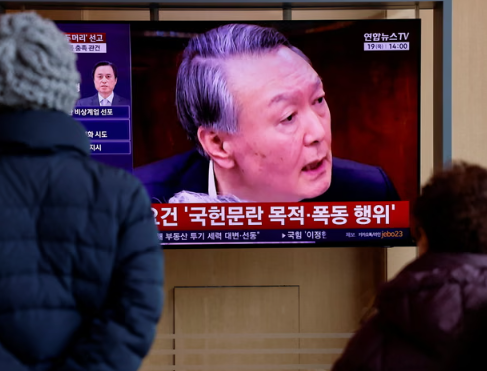
The Seoul Central District Court delivered a monumental verdict that shook the global political landscape on Friday morning. Former South Korean President Yoon Suk Yeol received a thirty-year prison sentence for a highly controversial covert military operation. Judges found the ousted conservative leader guilty of orchestrating a secret plan involving drone incursions into North Korea. Prosecutors successfully argued that his ultimate goal was to fabricate a national security crisis for political gain. The court determined that these dangerous cross-border flights were designed to justify his failed martial law declaration.
This dramatic ruling marks another catastrophic chapter for the former leader who once commanded East Asia’s fourth-largest economy. The judiciary explicitly convicted Yoon of abuse of power alongside the gravity of aiding the enemy. Legal experts noted that the trial exposed deep vulnerabilities within the nation’s highest levels of command. Special prosecutors established that Yoon actively conspired in the drone operations from their very inception in autumn. They previously concluded that his actions deliberately undermined state security by creating artificial wartime conditions across the peninsula.
Yoon maintained a posture of complete innocence throughout the intense and highly publicised legal proceedings. His defence team argued passionately that the former president neither ordered nor approved the clandestine flights. They insisted the drone operations were an independent military response to months of North Korean provocation. Pyongyang had spent the preceding months launching thousands of balloons filled with domestic rubbish across the border. Yoon’s lawyers claimed the timing of the flights was entirely unrelated to the subsequent martial law decree. Despite these extensive arguments, the panel of judges ultimately found the prosecution’s evidence far more compelling.
The original drone controversy traces back to allegations made by North Korea during late autumn. Officials in Pyongyang accused Seoul of flying unmanned aerial vehicles over their capital city three times. They claimed these specific aircraft dropped thousands of anti-regime propaganda leaflets directly over central government districts. South Korea’s defence minister at the time initially issued a very vague and ambiguous public denial. The official defence ministry later stated it could neither confirm nor deny the serious espionage allegations. Military tensions escalated sharply across the demilitarised zone but thankfully stopped short of direct combat.
A spokesperson for the Seoul Central District Court confirmed the lengthy sentence to international news agencies. The prominent South Korean news agency Yonhap also provided live coverage of the historic judicial decision. Yoon remains heavily guarded in custody and retains the legal right to appeal this lower court ruling. The prosecution emphasized that the secret operation severely heightened regional instability and endangered millions of lives. They also proved that the crashes of these drones leaked highly classified state military data. The recovered wreckage reportedly exposed sensitive information regarding South Korea’s advanced technological and aerial force capabilities.
Friday’s significant judgment adds heavily to an existing mountain of legal troubles for the former president. His sudden and chaotic martial law order plunged the democratic nation into its deepest political crisis. Citizens took to the streets in massive numbers to protect their hard-won democratic institutions from collapse. Yoon was already sentenced to life in prison this past February for his leading role. That separate conviction stemmed from his direct attempt to paralyse the National Assembly using armed troops. He has appealed that decision, claiming his actions were executed solely for the ultimate survival of the nation.
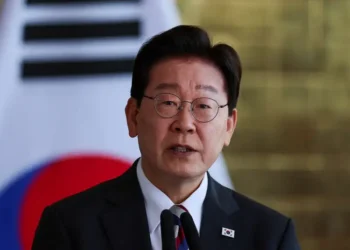
The Constitutional Court officially removed Yoon from his high office last year after validating his impeachment. That historic removal immediately triggered a tense snap presidential election across the highly digitised democratic nation. The competitive election was subsequently won by the prominent liberal political leader President Lee Jae Myung. This transition marked a sharp ideological shift in how Seoul manages its complex relations with Pyongyang. The current administration has consistently promised greater transparency regarding defense matters and national security operations.
Unmanned aerial flights continue to be an incredibly sensitive flashpoint between these two distinct nations. The divided peninsula technically remains in a state of war since the mid-twentieth century conflict. Decades of diplomatic efforts have failed to produce a permanent peace treaty to replace the armistice. President Lee expressed deep public regret earlier this year following a detailed internal government investigation. That specific inquiry discovered that certain overzealous officials had sent additional drones north during January.
The powerful sister of North Korean leader Kim Jong Un reacted quickly to Seoul’s public apology. She officially described the statement from President Lee as an example of wise and responsible behavior. However, fragile hopes for a lasting diplomatic rapprochement quickly faded into the familiar regional landscape. The isolated nuclear-armed nation soon returned to its traditional harsh rhetoric regarding its southern neighbor. Pyongyang formally reclassified South Korea as its most hostile and dangerous enemy on the global stage. This latest judicial verdict ensures that the bitter legacy of the drone scandal will endure.
Related News:
 EU Weakens as Trump Targets Venezuela and Greenland
 Venezuela Oil Deal Opens Tensions with US Control
 US Citizens Warned to Venezuela Flee Amid Paramilitary Threats
 Gulf states warn Trump Iran strikes risk wider Middle East war
 Machado Trump medal gesture reshapes Venezuela power struggle
 Greenland defence seen as shared Nato duty amid troop arrivals
 Gulf states warn Trump Iran strikes risk wider Middle East war
 Trump Receives Machado’s Nobel Medal in White House Meeting
 Iran unrest slows under brutal crackdown and global tensions
 Syria President Declares Victory as Ceasefire Reached with SDF
 US Considers Asylum for British Jews Amid Rising Antisemitism
 Thousands Protest ICE Operations in Nationwide US Day of Action
 Epstein Files Reveal Trump Officials’ Emails with Financier
 Thousands Protest ICE in New York Against Trump Deportation Campaign
 Sydney Protest Pepper Spray Clash During Herzog Visit
 Cuba Kills Exiles in Speedboat Attack from US Waters
 Yvette Cooper: UK Must Follow Principles, Not US Pressure
 Saudi Arabia Urging US to Keep Up Iran Attacks
 Washington Enlists Musk to Battle Global Hostility Online
 Teen Girl Charged After Alleged Melbourne Hate Crime Spree
 Macron Urges Stability as Trump Jolts Nato and Iran
 Trump Address Sparks Global Backlash Over Iran War Tactics
 Macron Rebukes Trump Following Mockery of His Marriage
 Trump Sets Tuesday Deadline for Iran to Reopen Vital Strait
 Tragic End to Outback Search as Floods Claim a Life
 Ben Roberts-Smith Arrested Over Alleged War Crimes
 Trump and Tehran Find Common Ground in Landmark Ceasefire
 Netanyahu Vows Continued Lebanon Strikes Amid Peace Talks
 Trump Predicts Rapid Return to Peace Talks in Pakistan
 Reeves Slams Trump Over Iran War Lack Of Exit Plan
 US and Iran Pursue Extension of Ceasefire via Pakistan
 Mexico, Spain and Brazil call for Cuba dialogue amid crisis
 Ukraine Urges UK to Seize Russian Oil Tankers
 US Calls Australia Media Law “Foreign Extortion”
 Oil Prices Surge Above $120 Amid Iran Blockade Fears
 Tragic End to Search for Missing Girl in Alice Springs
 Questions Remain Over The Tragic Bondi Massacre
 Trump orders US troop pullout from Germany
 Activists allege abuse after Gaza flotilla seizure
 Ukraine strikes Tuapse as oil disaster worsens
 Japan Protests Erupt Over Plans to Revise Constitution
 Australia pushes Pacific security pact amid China tension
 Indiana Republicans Defy Trump in Key Vote Test
 Middle East Crisis Escalates as Oil Routes Shake Markets
 FIFA Confirms Global Ban for Benfica Star Prestianni
 New South Wales Wetland Rescue Legislation Passes
 Tensions Emerge in Netanyahu-Trump Alliance
 US and Mexico Face Heatwave as Floods Batter South Africa
 The Long Way Home: Australia’s High-Stakes Virus Mission
 Trump Warns Iran Ceasefire Is Now on Life Support
 Putin Signals War End as Russian Momentum Stalls
 Fear and Betrayal: The Chilling Case of Kouri Richins
 Scepticism and tight security as Beijing braces for Trump
 UN Faces Crucial Vote on Landmark ICJ Climate Ruling
 US-Mexico Crisis: Cartel Allegations Push Ties to Brink
 Philippine Senator Flees After Days Under Senate Siege
 Solomon Islands Elects China Critic Matthew Wale as Leader
 Tragedy in the Maldives: Inside the Deep Sea Rescue
 US Ebola Case Sparks Urgent Global Screening Measures
 Xi Hosts Putin in Beijing Days After Landmark Trump Summit
 Fragile Truce Shattered as Violence Escapes Diplomatic Control
 The Hunt for Bato: Inside the Hunt for the Fugitive Senator
 Israeli Strikes in Lebanon Kill 10 Amid Ceasefire Strain
 Zelenskyy warns over Oreshnik threat as Kyiv hit
 Hunger increasingly weaponised in global conflicts
 Discontent grows around Putin amid war strain
 Former ICC prosecutor condemns US sanctions
 Bondi Tragedy Survivors Face Online Abuse After Inquiries
 Japan Suffers Plastic Shortage Due to Middle East Crisis
 Venezuela Opposition Steers Uncharted Path Forward
 Aukus Deal Facing Fierce Backing and Historic Criticism
 Thai Princess Bajrakitiyabha Passes Away at 47
 Kyiv Heritage Blazes After Night of Brutal Russian Strikes
 Iran To Propose New Shipping Fees In Strait Of Hormuz
 Trump’s Iran Legacy Hangs on Tehran Deal
 Grief and Devotion Amidst the Rubble of Nabatieh
 High Drama in Tehran Over Secret Nuclear Letters
 Houthis Strike Saudi Arabia as Middle East Tensions Rise
 Taliban global ties grow as rights fears mount
 Seoul proposes historic peace talks to replace Korean War armistice