Published: 05 June 2026. The English Chronicle Desk. The English Chronicle Online.
The political landscape of Venezuela is shifting in dramatic ways that few could have anticipated just a short year ago. For nearly six hundred days, Anthony Romero lived his life entirely in the shadows of society. He crept between more than a dozen different safe houses to avoid being captured by the relentless secret police. This dangerous existence began after he helped challenge the highly controversial election victory claims of Nicolás Maduro in twenty twenty-four. The dedicated opposition activist went deep underground as the South American dictator waged a truly ruthless crackdown. Maduro was desperate to cling to power and targeted anyone who dared to question his authority. Romero recalled that the regime unleashed the harshest and most brutal repression Venezuela has ever seen. The thirty-five-year-old lawyer is a prominent member of Vente Venezuela, the party led by María Corina Machado. He noted that the state apparatus carried out nearly three thousand targeted political arrests during that time.
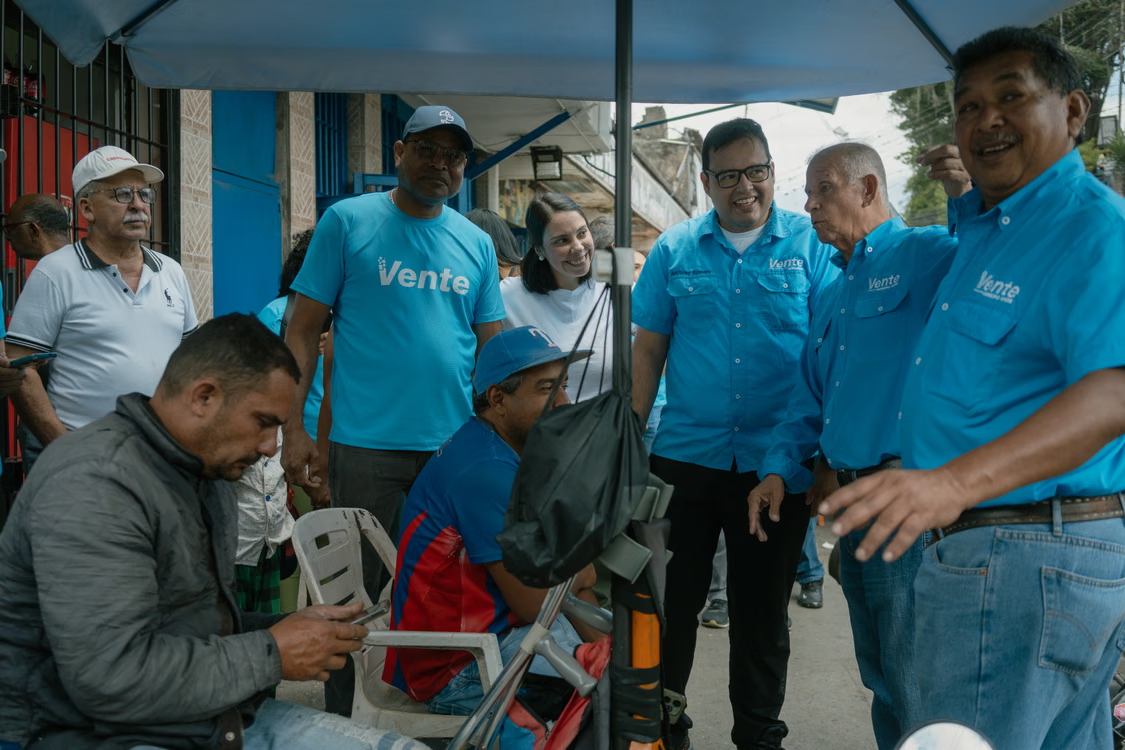
However, a dramatic transformation was visible on a recent sunny Saturday afternoon in the capital city. Romero had finally emerged from hiding and was standing proudly on the busy public streets again. He was wearing the signature blue shirt of his movement to campaign openly among the people. Pro-democracy activists have eagerly revived their public campaign for meaningful structural change across the nation. This sudden revival follows the dramatic overthrow of Maduro, which heralded a tentative and unexpected glasnost. Romero expressed immense joy and saw a bright and prosperous future ahead for his country. He shared these optimistic thoughts while actively canvassing voters in the winding alleys of La Dolorita. This deprived neighbourhood in east Caracas was once considered a dangerous place for any opposition member. Such open political activism would have surely been a fatal kamikaze mission just months ago. The reality changed entirely when United States special forces ended Maduro’s tyrannical reign on January third.
Other campaigners shared similar memories of the immense terror that previously gripped their daily lives. Jonatan Molero, a forty-six-year-old activist and local restaurateur, joined Romero on the campaign trail that afternoon. He wore the bright blue colours of Machado’s movement while greeting residents in the community. Molero noted that they would have been arrested immediately by state agents under the previous regime. Another local campaigner named Oswaldo Rodríguez recalled the absolute panic caused by the post-election state crackdown. The fifty-nine-year-old retired carpentry teacher remembered armed pro-regime thugs suddenly arriving at his family home. In a moment of pure desperation, he used scissors to destroy his own blue political shirt. He did this to erase any evidence of his loyalty to the democratic opposition movement.
The political atmosphere has eased significantly now, providing a temporary window of safety for these activists. The current political successors of Maduro are largely tolerating opposition protests and peaceful public gatherings. This tolerance remains a surprise because no formal democratic transition has actually taken place yet. Furthermore, the governing authorities have still not set a firm date for new national elections. The lingering presence of the state was still felt during their walk through the neighbourhood. Three hours after Romero began his visit, police officers arrived and quietly photographed the group. Despite this intimidating surveillance, the activists were otherwise left completely undisturbed to finish their work.
As dozens of party canvassers strolled through the hillside community, Romero maintained an optimistic outlook. He promised the residents that Machado would soon return home to conclude her push for democracy. Romero firmly believes the process that began on January third will lead to a transition. He looks forward to a democratically elected government and a free and flourishing Venezuelan nation. However, international political analysts have expressed strong doubts about this straightforward path to democracy. A recent Chatham House report based on expert input suggests a highly complex political reality. The report included views from experienced election experts, diplomats, and noted scholars of democratic transitions. It suggested that Venezuela currently has its best opportunity in a decade to rescue its economy. Yet, the British thinktank warned that the momentum for genuine democratic change was rapidly fading away.
The current United States administration seems content to leave Delcy Rodríguez in power for now. The former vice-president has maintained control in exchange for major economic concessions to Washington. This arrangement keeps a country stable that the American president has pondered turning into a state. The author of the report, Christopher Sabatini, offered a critical perspective on these international developments. He stated that Washington shows very little interest in pushing for immediate and free democratic elections. Such elections could easily threaten a highly lucrative new relationship between the two traditional adversaries. Some political critics have gone so far as to compare this current arrangement to colonial rule. Sabatini explained that the White House desperately needs a visible foreign policy win right now. Washington is holding up Venezuela as a major victory in the face of international challenges.
The United States faces an uncertain agenda in Cuba and ongoing geopolitical tensions with Iran. Sabatini observed that the primary interest of Washington was never truly about building Venezuelan democracy. This realization has caused immense frustration among the local opposition leadership and their core supporters. In La Dolorita, some dedicated Machado supporters insisted they were keeping faith in the administration. They still back the official three-phase roadmap for the future of their struggling South American country. This strategic plan focuses on initial stabilization, rapid economic recovery, and an eventual political transition. The retired carpenter Rodríguez acknowledged that many citizens were disappointed not to see total immediate change. However, he still believes the strategy of the current American government is the correct one. He expressed confidence that deep negotiations and continuous pressure would gradually produce substantial internal reforms. These hoped-for reforms include an overhaul of the pro-regime National Electoral Council before any vote.
Daniel Gaspar, a thirty-five-year-old motorcycle taxi driver, shared this defiant sense of forward momentum. He loudly declared to his neighbours that only crabs move backwards in times of trouble. Despite his enthusiasm, clear signs of fraying patience are appearing among the broader Venezuelan population. Many citizens had hoped that the abduction of Maduro would bring an immediate return to democracy. One recent opinion poll found that public support for the American intervention had plummeted significantly. Support dropped from ninety-two percent in January to just forty-six percent by the month of April. This decline reflects growing public discomfort regarding the foreign focus on securing valuable natural resources. There is a rising perception that international actors are largely indifferent to holding real democratic elections.
The longing for a genuine political shift was palpable throughout the entire campaign walk that afternoon. Romero and his team advanced through the dense and impoverished backstreets of the La Dolorita area. This neighbourhood was long considered a working-class stronghold of the ruling socialist movement of Hugo Chávez. However, Maduro suffered a crushing electoral defeat in this very district during the twenty twenty-four vote. On almost every single doorstep, activists encountered deep anger at the current state of daily life. Years of hyperinflation, severe hunger, rampant corruption, and state violence have brought the community to ruin. These devastating conditions have forced millions of citizens to flee abroad in search of better lives.
Inside a dimly lit shack, sixty-three-year-old María Núñez shared her painful story with the visiting activists. She told Romero that her home has not received a single drop of running water. This basic public service has been completely absent from her household for twenty-one long years. She remembered a time in her youth when she could easily afford to buy pork chops. Now, her financial situation is so dire that she must survive on cheap chicken feet. She explained that her closest neighbours face even greater daily difficulties in the neglected slum area. One family of four with a special needs child lacks even a basic mattress to sleep on. They are forced to sleep directly on the hard floor due to extreme poverty. Núñez implored the opposition team to help find a proper bed for her suffering neighbours. Regarding political leadership, Núñez stated clearly that she wants Machado to be the president of Venezuela. She believes Machado truly knows the country and prays that God will guide her to power.
Juan Córdova, a local community organizer, confirmed that widespread hunger remains an ongoing crisis for families. Even comparatively better-off families are struggling to survive on an average weekly income of fifty dollars. Córdova complained that fifty dollars buys absolutely nothing in the current hyper-inflated local economy. He noted that government officials and their close friends grow richer while regular people grow poorer. The fifty-seven-year-old organizer expressed a strong desire for change and hopes it arrives very soon. Machado has responded diplomatically to the incredibly slow pace of political change in her homeland. She slipped out of Venezuela in December to receive a prestigious international award in Europe. She later gave this award to the American president as a sign of appreciation and partnership.
The conservative democracy activist is keen not to alienate her most powerful international supporter. This remains true despite his apparent decision to sideline her in favour of the interim regime. Machado has publicly pledged to return home to seek the presidency by the end of this year. However, her direct path to executive power appears to be narrowing significantly each passing month. This difficulty stems from the increasingly cozy relationship between Delcy Rodríguez and the White House administration. Speaking after a recent opposition summit in Panama, Machado urged the United States to help more. She called for a serious, firm, and responsible political negotiation with the current interim regime. Her stated goal remains the full restoration of true democracy and constitutional rule in Venezuela.
Sabatini predicted that Machado would eventually make good on her public promise to return home soon. Once back, she will undoubtedly seek to reassert her absolute leadership over the fractured political opposition. This move would likely set up a major showdown with the regime of Delcy Rodríguez. Such a confrontation could bring highly unpredictable consequences, including her immediate arrest by state authorities. Sabatini questioned whether the American administration would actually go to battle to defend Machado if arrested. He noted that Washington has already embraced the interim government, making the outcome highly uncertain.
Romero remained determinedly more optimistic as he wrapped up his long walking tour of the area. He concluded the afternoon with an improvised community assembly inside a modest local sitting room. The home belonged to fifty-eight-year-old Neirubes Millan, who wept openly while describing her daily struggles. She spoke of her ongoing efforts to feed the most deprived children in the neighbourhood. This work took place during the absolute worst moments of the historic Venezuelan humanitarian crisis. Millan lamented that the people are no longer who they used to be due to suffering. However, she firmly believes that true happiness is finally on its way to her community. She expressed faith that this painful era will soon be over and things will change. Millan stated that if they once shed tears of sorrow, they will soon shed tears of joy.
After taking a video call from an exiled leader, Romero stepped back out into the afternoon. He celebrated the enthusiastic welcome his campaign team had received from residents throughout the entire day. This warm reception was significant because the political opposition had long been completely shunned here. Romero stated that they are fully convinced they will break completely with twenty-first-century socialism. His convoy then wound its way out of the area, passing old weather-beaten propaganda murals. These fading wall paintings still paid tribute to the fallen regime of the former dictator. Beneath one painting celebrating good governance, a scavenger in old trainers searched through a dumpster. Farther ahead stood a large homage to the late socialist mentor of the movement, Hugo Chávez. This mural was accompanied by a famous political slogan that has taken on new meaning today. The bold text reminded passersby that hope lies directly in the street for the people.
Related News:
 EU Weakens as Trump Targets Venezuela and Greenland
 Venezuela Oil Deal Opens Tensions with US Control
 US Citizens Warned to Venezuela Flee Amid Paramilitary Threats
 Gulf states warn Trump Iran strikes risk wider Middle East war
 Machado Trump medal gesture reshapes Venezuela power struggle
 Greenland defence seen as shared Nato duty amid troop arrivals
 Gulf states warn Trump Iran strikes risk wider Middle East war
 Trump Receives Machado’s Nobel Medal in White House Meeting
 Iran unrest slows under brutal crackdown and global tensions
 Syria President Declares Victory as Ceasefire Reached with SDF
 US Considers Asylum for British Jews Amid Rising Antisemitism
 Thousands Protest ICE Operations in Nationwide US Day of Action
 Epstein Files Reveal Trump Officials’ Emails with Financier
 Thousands Protest ICE in New York Against Trump Deportation Campaign
 Sydney Protest Pepper Spray Clash During Herzog Visit
 Cuba Kills Exiles in Speedboat Attack from US Waters
 Yvette Cooper: UK Must Follow Principles, Not US Pressure
 Saudi Arabia Urging US to Keep Up Iran Attacks
 Washington Enlists Musk to Battle Global Hostility Online
 Teen Girl Charged After Alleged Melbourne Hate Crime Spree
 Macron Urges Stability as Trump Jolts Nato and Iran
 Trump Address Sparks Global Backlash Over Iran War Tactics
 Macron Rebukes Trump Following Mockery of His Marriage
 Trump Sets Tuesday Deadline for Iran to Reopen Vital Strait
 Tragic End to Outback Search as Floods Claim a Life
 Ben Roberts-Smith Arrested Over Alleged War Crimes
 Trump and Tehran Find Common Ground in Landmark Ceasefire
 Netanyahu Vows Continued Lebanon Strikes Amid Peace Talks
 Trump Predicts Rapid Return to Peace Talks in Pakistan
 Reeves Slams Trump Over Iran War Lack Of Exit Plan
 US and Iran Pursue Extension of Ceasefire via Pakistan
 Mexico, Spain and Brazil call for Cuba dialogue amid crisis
 Ukraine Urges UK to Seize Russian Oil Tankers
 US Calls Australia Media Law “Foreign Extortion”
 Oil Prices Surge Above $120 Amid Iran Blockade Fears
 Tragic End to Search for Missing Girl in Alice Springs
 Questions Remain Over The Tragic Bondi Massacre
 Trump orders US troop pullout from Germany
 Activists allege abuse after Gaza flotilla seizure
 Ukraine strikes Tuapse as oil disaster worsens
 Japan Protests Erupt Over Plans to Revise Constitution
 Australia pushes Pacific security pact amid China tension
 Indiana Republicans Defy Trump in Key Vote Test
 Middle East Crisis Escalates as Oil Routes Shake Markets
 FIFA Confirms Global Ban for Benfica Star Prestianni
 New South Wales Wetland Rescue Legislation Passes
 Tensions Emerge in Netanyahu-Trump Alliance
 US and Mexico Face Heatwave as Floods Batter South Africa
 The Long Way Home: Australia’s High-Stakes Virus Mission
 Trump Warns Iran Ceasefire Is Now on Life Support
 Putin Signals War End as Russian Momentum Stalls
 Fear and Betrayal: The Chilling Case of Kouri Richins
 Scepticism and tight security as Beijing braces for Trump
 UN Faces Crucial Vote on Landmark ICJ Climate Ruling
 US-Mexico Crisis: Cartel Allegations Push Ties to Brink
 Philippine Senator Flees After Days Under Senate Siege
 Solomon Islands Elects China Critic Matthew Wale as Leader
 Tragedy in the Maldives: Inside the Deep Sea Rescue
 US Ebola Case Sparks Urgent Global Screening Measures
 Xi Hosts Putin in Beijing Days After Landmark Trump Summit
 Fragile Truce Shattered as Violence Escapes Diplomatic Control
 The Hunt for Bato: Inside the Hunt for the Fugitive Senator
 Israeli Strikes in Lebanon Kill 10 Amid Ceasefire Strain
 Zelenskyy warns over Oreshnik threat as Kyiv hit
 Hunger increasingly weaponised in global conflicts
 Discontent grows around Putin amid war strain
 Former ICC prosecutor condemns US sanctions
 Bondi Tragedy Survivors Face Online Abuse After Inquiries
 Japan Suffers Plastic Shortage Due to Middle East Crisis
 Aukus Deal Facing Fierce Backing and Historic Criticism
 Thai Princess Bajrakitiyabha Passes Away at 47
 Sentenced to 30 Years: Former Leader’s Secret Drone Plot
 Kyiv Heritage Blazes After Night of Brutal Russian Strikes
 Iran To Propose New Shipping Fees In Strait Of Hormuz
 Trump’s Iran Legacy Hangs on Tehran Deal
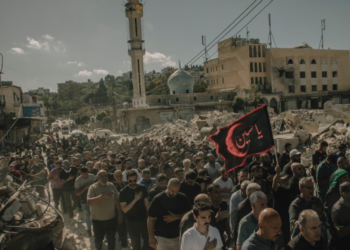 Grief and Devotion Amidst the Rubble of Nabatieh
 High Drama in Tehran Over Secret Nuclear Letters
 Houthis Strike Saudi Arabia as Middle East Tensions Rise
 Taliban global ties grow as rights fears mount
 Seoul proposes historic peace talks to replace Korean War armistice