Published: 08 May 2026. The English Chronicle Desk. The English Chronicle Online.
The urgent mission to restore vital water flows to parched Australian wetlands has reached a critical milestone today. Recent legislative progress in the New South Wales upper house signals a major victory for local environmental conservation. This development comes after a period of intense distress for the internationally significant Gwydir region ecosystem. Water Minister Rose Jackson addressed the parliament with a sense of gravity regarding the current situation. She described the impact of halted environmental flows as being nothing short of truly devastating for nature. The proposed amendments aim to allow these essential water flows to resume within just a few weeks. This legislative move follows the second driest April ever recorded in the history of the state. Concerns regarding the onset of a harsh drought have accelerated the need for this political action.
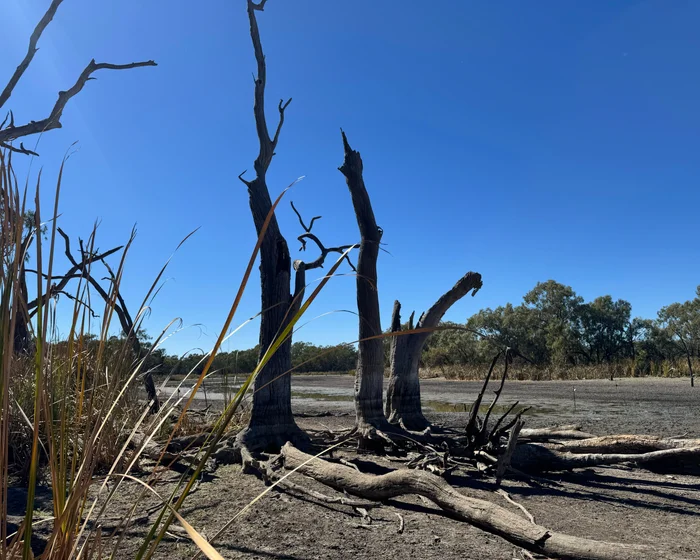
The suspension of water flows originally occurred in March due to complex legal and safety concerns. WaterNSW had stopped the delivery of water to prevent potential flooding on various private land holdings. This decision led to a harrowing scene where local wildlife struggled to survive in drying mud. Scientists were filmed desperately digging turtles out of the thick silt in the Gingham watercourse area. Graziers also reported the tragic deaths of birds and frogs across several different wetland properties. The Minister explained that these legal changes are necessary to protect the state water agency. Without these protections the agency could face significant civil liability claims for its standard operations. This legal uncertainty had previously hampered the delivery of water for both environmental and human use.
The new laws clearly state that the water manager is protected from future liability claims. This clarity allows for the resumption of operations that are vital for the local environment. Jackson noted that animals are currently fleeing or dying downstream of the massive Copeton Dam. If the situation is not rectified the long-term damage to vegetation will be quite extreme. The urgency is heightened by the fact that the region is entering a drying cycle. Weather data suggests that the potential for a severe drought is very high this year. The broader Murray-Darling basin has experienced its driest April since the late nineties in Australia. Rainfall for the month was a mere fraction of the long-term average for the state.
The legislative changes passed the upper house with support from the Greens and crossbench members. This bill also enables the transfer of water easements to the agency for better management. A final vote in the Legislative Assembly is expected to take place early next week. If the bill passes then the water could begin to flow again very quickly. The Greens water spokesperson Cate Faehrmann emphasized the absolute urgency of this particular legislative path. She noted that it might take a full month for water to reach the turtles. Faehrmann previously described the drying wetlands as a site of a major environmental catastrophe for all. The public outcry following the turtle rescue mission made it impossible for leaders to wait.
Thousands of concerned citizens voiced their anger over the treatment of these delicate natural habitats. Despite the broad support the Coalition has voiced strong opposition to these specific legal changes. Liberal MLC Susan Carter argued that the bill lacks the necessary balance for all stakeholders. She claimed that many individuals have expressed deep concern about the potential impact on them. Meanwhile a former environmental water manager has called for a formal investigation into the department. This request follows revelations that water flows were repeatedly delayed to favour local farming interests. Reports suggest that the department prioritized cereal crop harvesting over the health of the wetlands. This decision was made despite internal admissions that it could cause lasting ecological damage.
Bill Johnson is a respected water consultant who has served in various senior government roles. He questions whether these delays breached the fundamental principles of the national Water Management Act. Johnson believes that state and federal ministers should have intervened in this matter years ago. He is now calling for a comprehensive inquiry into the management of these water resources. The environment department maintains that water delivery is managed in close consultation with local communities. They stated that flows are sometimes adjusted to accommodate essential farming and land management activities. Minister Jackson has indicated she is open to investigating these past delays in the future. Her primary focus remains the immediate restoration of water to the thirsty Gwydir region now.
The global community is watching these developments with great interest as climate challenges continue to grow. Protecting such internationally significant wetlands is a duty that transcends simple local or national politics. The Gwydir region serves as a vital sanctuary for a diverse range of unique species. Its survival depends on the consistent and responsible management of limited water resources in Australia. This new legislation represents a hopeful turning point for the many creatures currently facing extinction. The balance between agricultural needs and environmental preservation remains a delicate and ongoing social challenge. Experts believe that transparency and scientific integrity must guide all future water management policy decisions. As the drought looms the resilience of these ecosystems will be tested to the limit.
The residents of New South Wales are hopeful that the water will arrive in time. Community groups have praised the swift action taken by the Minister to address the crisis. They believe that protecting the natural heritage of the state is a vital public priority. The sight of scientists saving wildlife has left a lasting impression on the national psyche. It serves as a stark reminder of the vulnerability of our natural world today. The upcoming vote in the Legislative Assembly is seen as a formal turning point. Once the bill is signed into law the physical work of restoration can begin. Engineers are already preparing the infrastructure to handle the renewed flow of life-giving water. This effort requires precise coordination between various government agencies and local landholders on site.
The plight of the Gingham watercourse has become a symbol of a much larger struggle. It highlights the difficult choices that must be made in an era of climate change. Water is a precious commodity that requires fair and equitable distribution among all competing interests. The legal protections provided by this bill are a practical solution to a complex problem. They ensure that fear of litigation does not stand in the way of conservation. This approach could serve as a model for other regions facing similar environmental dilemmas. The commitment to professionalism and fairness is evident in the current legislative drafting process. By working together the people of New South Wales can secure a sustainable future.
The English Chronicle will continue to monitor this story as it develops further next week. Our readers expect thorough and responsible reporting on issues that affect our shared global environment. The transition from a drying cycle to a managed water flow is a significant event. It demonstrates the power of public pressure and political will to enact meaningful change today. We hope that the wildlife of the Gwydir region will soon see relief arrive. The beauty of these wetlands is a treasure that must be preserved for future generations. As the sun sets over the parched landscape the promise of rain remains distant. However the promise of human intervention offers a glimmer of hope for the natural world. This report reflects the ongoing dedication to excellence in journalism and environmental advocacy alike.
Related News:
 EU Weakens as Trump Targets Venezuela and Greenland
 Venezuela Oil Deal Opens Tensions with US Control
 US Citizens Warned to Venezuela Flee Amid Paramilitary Threats
 Gulf states warn Trump Iran strikes risk wider Middle East war
 Machado Trump medal gesture reshapes Venezuela power struggle
 Greenland defence seen as shared Nato duty amid troop arrivals
 Gulf states warn Trump Iran strikes risk wider Middle East war
 Trump Receives Machado’s Nobel Medal in White House Meeting
 Iran unrest slows under brutal crackdown and global tensions
 Syria President Declares Victory as Ceasefire Reached with SDF
 US Considers Asylum for British Jews Amid Rising Antisemitism
 Thousands Protest ICE Operations in Nationwide US Day of Action
 Epstein Files Reveal Trump Officials’ Emails with Financier
 Thousands Protest ICE in New York Against Trump Deportation Campaign
 Sydney Protest Pepper Spray Clash During Herzog Visit
 Cuba Kills Exiles in Speedboat Attack from US Waters
 Yvette Cooper: UK Must Follow Principles, Not US Pressure
 Saudi Arabia Urging US to Keep Up Iran Attacks
 Washington Enlists Musk to Battle Global Hostility Online
 Teen Girl Charged After Alleged Melbourne Hate Crime Spree
 Macron Urges Stability as Trump Jolts Nato and Iran
 Trump Address Sparks Global Backlash Over Iran War Tactics
 Macron Rebukes Trump Following Mockery of His Marriage
 Trump Sets Tuesday Deadline for Iran to Reopen Vital Strait
 Tragic End to Outback Search as Floods Claim a Life
 Ben Roberts-Smith Arrested Over Alleged War Crimes
 Trump and Tehran Find Common Ground in Landmark Ceasefire
 Netanyahu Vows Continued Lebanon Strikes Amid Peace Talks
 Trump Predicts Rapid Return to Peace Talks in Pakistan
 Reeves Slams Trump Over Iran War Lack Of Exit Plan
 US and Iran Pursue Extension of Ceasefire via Pakistan
 Mexico, Spain and Brazil call for Cuba dialogue amid crisis
 Ukraine Urges UK to Seize Russian Oil Tankers
 US Calls Australia Media Law “Foreign Extortion”
 Oil Prices Surge Above $120 Amid Iran Blockade Fears
 Tragic End to Search for Missing Girl in Alice Springs
 Questions Remain Over The Tragic Bondi Massacre
 Trump orders US troop pullout from Germany
 Activists allege abuse after Gaza flotilla seizure
 Ukraine strikes Tuapse as oil disaster worsens
 Japan Protests Erupt Over Plans to Revise Constitution
 Australia pushes Pacific security pact amid China tension
 Indiana Republicans Defy Trump in Key Vote Test
 Middle East Crisis Escalates as Oil Routes Shake Markets
 FIFA Confirms Global Ban for Benfica Star Prestianni
 Tensions Emerge in Netanyahu-Trump Alliance
 Putin Declares Russia Victory at Scaled Victory Day Parade
 US and Mexico Face Heatwave as Floods Batter South Africa
 The Long Way Home: Australia’s High-Stakes Virus Mission
 Trump Warns Iran Ceasefire Is Now on Life Support
 Putin Signals War End as Russian Momentum Stalls
 Scepticism and tight security as Beijing braces for Trump
 UN Faces Crucial Vote on Landmark ICJ Climate Ruling
 US-Mexico Crisis: Cartel Allegations Push Ties to Brink
 Netanyahu Calls Early Election Amid Coalition Turmoil
 Philippine Senator Flees After Days Under Senate Siege
 Solomon Islands Elects China Critic Matthew Wale as Leader
 Tragedy in the Maldives: Inside the Deep Sea Rescue
 US Ebola Case Sparks Urgent Global Screening Measures
 Xi Hosts Putin in Beijing Days After Landmark Trump Summit
 Fragile Truce Shattered as Violence Escapes Diplomatic Control
 The Hunt for Bato: Inside the Hunt for the Fugitive Senator
 Israeli Strikes in Lebanon Kill 10 Amid Ceasefire Strain
 Zelenskyy warns over Oreshnik threat as Kyiv hit
 Hunger increasingly weaponised in global conflicts
 Discontent grows around Putin amid war strain
 Former ICC prosecutor condemns US sanctions
 Bondi Tragedy Survivors Face Online Abuse After Inquiries
 Japan Suffers Plastic Shortage Due to Middle East Crisis
 Venezuela Opposition Steers Uncharted Path Forward
 Aukus Deal Facing Fierce Backing and Historic Criticism
 Thai Princess Bajrakitiyabha Passes Away at 47
 Sentenced to 30 Years: Former Leader’s Secret Drone Plot
 Kyiv Heritage Blazes After Night of Brutal Russian Strikes
 Iran To Propose New Shipping Fees In Strait Of Hormuz
 Trump’s Iran Legacy Hangs on Tehran Deal
 High Drama in Tehran Over Secret Nuclear Letters
 Houthis Strike Saudi Arabia as Middle East Tensions Rise
 Taliban global ties grow as rights fears mount
 Seoul proposes historic peace talks to replace Korean War armistice