Published: 08 April 2026. The English Chronicle Desk. The English Chronicle Online.
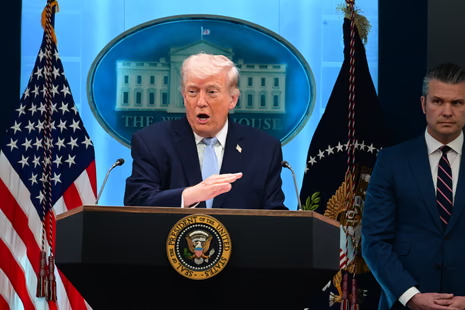
The global landscape shifted dramatically late Tuesday evening as the United States and Iran narrowly avoided a catastrophic escalation of hostilities. Barely sixty minutes remained before President Donald Trump’s self-imposed deadline to launch a massive offensive against Iranian infrastructure when a breakthrough was announced. The two nations have officially entered a two-week ceasefire period which has already provided a moment of relief for international oil markets and concerned citizens across the globe. This temporary reprieve came after intense diplomatic pressure and a flurry of communications between Washington, Tehran, and Islamabad. Central to this development is a ten-point peace proposal submitted by the Iranian government which President Trump described as a workable basis for future negotiations. While the threat of total war has been paused, the road to a permanent resolution remains filled with significant geopolitical hurdles and conflicting national interests.

At the heart of the current diplomatic dance is the ten-point plan that Tehran has put forward as its primary condition for ending the conflict. The proposal was delivered to the White House through Pakistani intermediaries who have played a vital role in keeping communication channels open during the height of the crisis. Among the primary demands is the total lifting of all primary and secondary sanctions that have long stifled the Iranian economy and fueled domestic unrest. Furthermore, the plan calls for the immediate release of all frozen Iranian assets held in international accounts to help fund national recovery efforts. Tehran is also seeking a formal United Nations Security Council resolution that would make any finalized agreement legally binding under international law. This particular demand is intended to ensure that a future American administration cannot unilaterally withdraw from the agreement as has happened in previous years.
Perhaps the most contentious elements of the Iranian proposal involve regional military presence and the control of strategic waterways. The ten-point plan explicitly demands the complete withdrawal of United States military forces from the Middle East which is a long-standing goal of the Islamic Republic. Additionally, Tehran insists on maintaining and even expanding its control over the Strait of Hormuz which is a vital transit point for approximately twenty percent of the world’s oil supply. In a move that has surprised some observers, the plan suggests that Iran and Oman should be permitted to charge a transit fee of up to two million dollars per vessel. These funds would purportedly be directed toward the massive reconstruction efforts required after weeks of targeted strikes and economic disruption. The proposal also includes a broad requirement for the cessation of all attacks against Iran and its various regional allies.
A curious discrepancy has emerged regarding the specific language used in the various versions of the peace proposal shared with international media. In the original Farsi version released by state media, there is a clear reference to the acceptance of uranium enrichment for Iran’s nuclear program. However, early English translations provided to Western journalists curiously omitted this specific phrase which has led to intense speculation among intelligence analysts. It remains unclear if this was a clerical error or a deliberate attempt to make the proposal appear more palatable to a skeptical American audience. The status of Iran’s nuclear capabilities has always been a red line for Washington and any permanent deal would likely hinge on how this specific issue is addressed. For now, the ambiguity serves as a reminder of the deep-seated mistrust that still exists between the two negotiating parties despite the current pause in fighting.
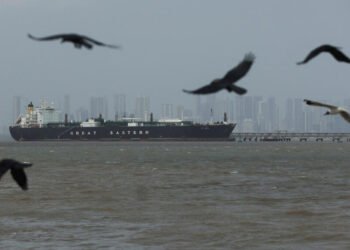
The status of the Strait of Hormuz remains the most immediate concern for the global economy and the maritime industry. Iranian Foreign Minister Abbas Araghchi has stated that safe passage through the waterway will be restored but only under the strict military management of Iranian forces. This announcement has been met with significant concern from international shipping companies and Western allies who fear a permanent Iranian stranglehold on global energy supplies. While the ceasefire agreement requires Tehran to temporarily reopen the strait, the long-term management of the waterway is likely to be a major sticking point in the upcoming talks. Democratic Senator Chris Murphy has already voiced his apprehension noting that granting Iran permanent control over such a critical global artery would be a catastrophic outcome for the international community.
President Trump has maintained an uncharacteristically optimistic tone on social media since the ceasefire was announced late Tuesday night. Writing on his preferred platform, the President hailed the agreement as a significant step toward world peace and suggested that a golden age for the Middle East could be on the horizon. He confirmed that the United States would be assisting with the management of the traffic buildup in the Strait of Hormuz to ensure that global trade resumes as quickly as possible. Despite his past rhetoric, the President seems increasingly focused on the economic benefits of ending the conflict and the potential for American businesses to participate in the reconstruction of the region. This shift in tone may be influenced by domestic political pressures as the United States approaches a critical midterm election cycle with voters frustrated by rising fuel costs.

The involvement of Israel adds another layer of complexity to the fragile ceasefire agreement as the regional dynamics continue to shift. Prime Minister Benjamin Netanyahu’s office released a statement supporting the American decision to suspend strikes for two weeks but with several significant caveats. Most notably, the Israeli government has clarified that the ceasefire does not extend to its ongoing military operations in Lebanon. This contradicts earlier statements from the Pakistani Prime Minister who suggested that the agreement covered all conflict zones including those involving Hezbollah. Israel continues to maintain that any final peace deal must ensure that Iran no longer poses a nuclear or missile threat to its neighbors. The ongoing humanitarian crisis in Lebanon where over a million people have been displaced remains a primary concern for international aid organizations.
Looking ahead, the focus of the international community will shift toward Islamabad where high-level delegations from the United States and Iran are scheduled to meet. Pakistani Prime Minister Shehbaz Sharif has personally invited the representatives to begin face-to-face negotiations this coming Friday to hammer out the details of a more permanent accord. While the White House has expressed interest in these talks, the exact composition of the American delegation has yet to be finalized. Many analysts believe that the current ten-point plan is merely an opening gambit and that both sides will have to make significant concessions to reach a lasting peace. The role of China as a major trade partner to Tehran also cannot be ignored as Beijing has quietly encouraged the Iranians to seek a diplomatic exit from the escalating war.
The next fourteen days will be a critical test of diplomacy as the world watches to see if this narrow window of opportunity can be turned into a durable peace. The immediate reopening of the Strait of Hormuz should provide some relief to the global energy market but the underlying tensions remain as high as ever. Both leaders are operating under immense domestic pressure with President Trump facing declining approval ratings and the Iranian leadership dealing with the physical and economic scars of recent military strikes. If the talks in Islamabad fail to produce a breakthrough, the threat of a return to total war remains a very real and terrifying possibility. For now, the guns are silent and the world holds its collective breath as the two old adversaries prepare to sit across from one another at the negotiating table once again.
Related News:
 EU Weakens as Trump Targets Venezuela and Greenland
 Venezuela Oil Deal Opens Tensions with US Control
 US Citizens Warned to Venezuela Flee Amid Paramilitary Threats
 Gulf states warn Trump Iran strikes risk wider Middle East war
 Machado Trump medal gesture reshapes Venezuela power struggle
 Greenland defence seen as shared Nato duty amid troop arrivals
 Gulf states warn Trump Iran strikes risk wider Middle East war
 Trump Receives Machado’s Nobel Medal in White House Meeting
 Iran unrest slows under brutal crackdown and global tensions
 Syria President Declares Victory as Ceasefire Reached with SDF
 US Considers Asylum for British Jews Amid Rising Antisemitism
 Thousands Protest ICE Operations in Nationwide US Day of Action
 Epstein Files Reveal Trump Officials’ Emails with Financier
 Thousands Protest ICE in New York Against Trump Deportation Campaign
 Sydney Protest Pepper Spray Clash During Herzog Visit
 Cuba Kills Exiles in Speedboat Attack from US Waters
 Yvette Cooper: UK Must Follow Principles, Not US Pressure
 Saudi Arabia Urging US to Keep Up Iran Attacks
 Washington Enlists Musk to Battle Global Hostility Online
 Macron Urges Stability as Trump Jolts Nato and Iran
 Trump Address Sparks Global Backlash Over Iran War Tactics
 Macron Rebukes Trump Following Mockery of His Marriage
 Trump Sets Tuesday Deadline for Iran to Reopen Vital Strait
 Tragic End to Outback Search as Floods Claim a Life
 Ben Roberts-Smith Arrested Over Alleged War Crimes
 Netanyahu Vows Continued Lebanon Strikes Amid Peace Talks
 Trump Predicts Rapid Return to Peace Talks in Pakistan
 Reeves Slams Trump Over Iran War Lack Of Exit Plan
 US and Iran Pursue Extension of Ceasefire via Pakistan
 Pope Leo Calls for Global Unity Following Trump Criticism
 Trump Brokers Ten Day Ceasefire to Halt Lebanon Conflict
 Mexico, Spain and Brazil call for Cuba dialogue amid crisis
 Tensions Flare as Iran Rejects New Peace Talks with US
 Ukraine Urges UK to Seize Russian Oil Tankers
 US Calls Australia Media Law “Foreign Extortion”
 Tragic End to Search for Missing Girl in Alice Springs
 Questions Remain Over The Tragic Bondi Massacre
 Activists allege abuse after Gaza flotilla seizure
 Ukraine strikes Tuapse as oil disaster worsens
 Global order shifts amid Trump-era turmoil
 Australia pushes Pacific security pact amid China tension
 Indiana Republicans Defy Trump in Key Vote Test
 Middle East Crisis Escalates as Oil Routes Shake Markets
 FIFA Confirms Global Ban for Benfica Star Prestianni
 New South Wales Wetland Rescue Legislation Passes
 Tensions Emerge in Netanyahu-Trump Alliance
 Putin Declares Russia Victory at Scaled Victory Day Parade
 US and Mexico Face Heatwave as Floods Batter South Africa
 The Long Way Home: Australia’s High-Stakes Virus Mission
 Trump Warns Iran Ceasefire Is Now on Life Support
 Putin Signals War End as Russian Momentum Stalls
 Scepticism and tight security as Beijing braces for Trump
 UN Faces Crucial Vote on Landmark ICJ Climate Ruling
 US-Mexico Crisis: Cartel Allegations Push Ties to Brink
 Netanyahu Calls Early Election Amid Coalition Turmoil
 Philippine Senator Flees After Days Under Senate Siege
 Solomon Islands Elects China Critic Matthew Wale as Leader
 Tragedy in the Maldives: Inside the Deep Sea Rescue
 US Ebola Case Sparks Urgent Global Screening Measures
 Xi Hosts Putin in Beijing Days After Landmark Trump Summit
 Fragile Truce Shattered as Violence Escapes Diplomatic Control
 The Hunt for Bato: Inside the Hunt for the Fugitive Senator
 Israeli Strikes in Lebanon Kill 10 Amid Ceasefire Strain
 Zelenskyy warns over Oreshnik threat as Kyiv hit
 Hunger increasingly weaponised in global conflicts
 Discontent grows around Putin amid war strain
 Former ICC prosecutor condemns US sanctions
 Bondi Tragedy Survivors Face Online Abuse After Inquiries
 Japan Suffers Plastic Shortage Due to Middle East Crisis
 Venezuela Opposition Steers Uncharted Path Forward
 Aukus Deal Facing Fierce Backing and Historic Criticism
 Thai Princess Bajrakitiyabha Passes Away at 47
 Sentenced to 30 Years: Former Leader’s Secret Drone Plot
 Kyiv Heritage Blazes After Night of Brutal Russian Strikes
 Iran To Propose New Shipping Fees In Strait Of Hormuz
 Trump’s Iran Legacy Hangs on Tehran Deal
 High Drama in Tehran Over Secret Nuclear Letters
 Houthis Strike Saudi Arabia as Middle East Tensions Rise
 Taliban global ties grow as rights fears mount
 Seoul proposes historic peace talks to replace Korean War armistice