Published: 20 April 2026. The English Chronicle Desk. The English Chronicle Online.
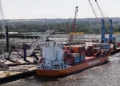
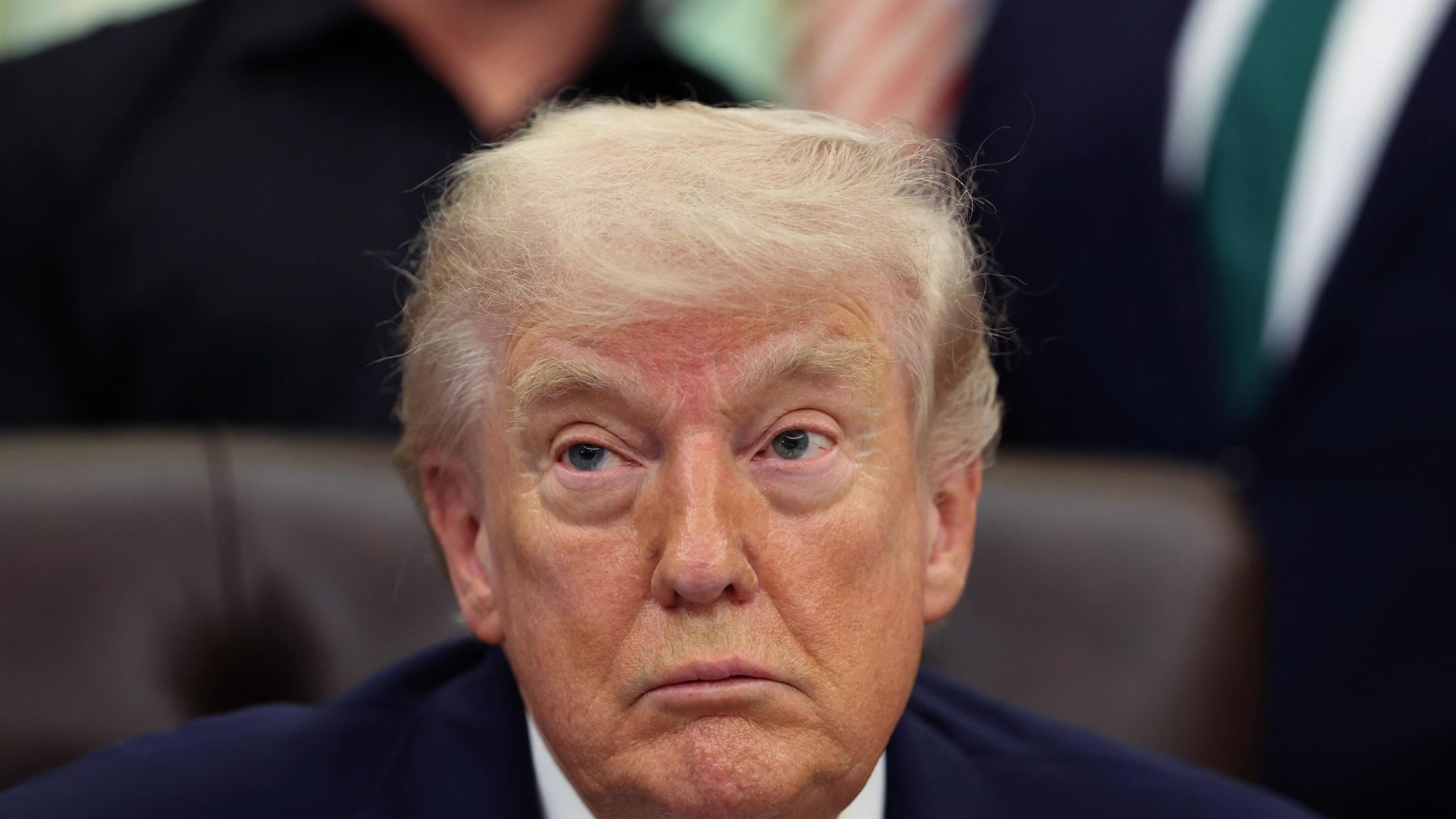
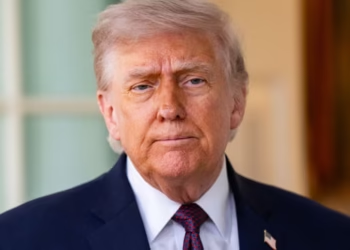
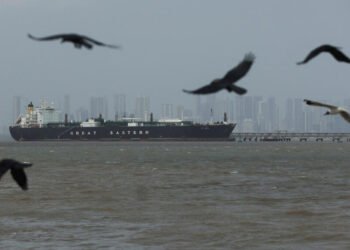
The delicate peace between Washington and Tehran appears to be crumbling into a new crisis. Iranian state media confirmed on Sunday that Tehran has no plans for more diplomatic meetings. This announcement follows accusations from the Iranian military regarding a serious breach of the ceasefire. American forces reportedly seized a cargo ship that attempted to bypass a strict naval blockade. President Donald Trump shared news of the seizure through his social media platforms late Sunday. The vessel was intercepted near the strategic Strait of Hormuz during a period of high tension. Trump stated that US authorities now have full custody of the ship and its contents. Iranian officials claim the ship was merely a commercial vessel travelling from China to Iran. They have labelled this American military action as nothing less than act of armed piracy. A military spokesperson warned that the Islamic Republic will soon respond and retaliate for this. This escalation occurred just hours after Washington announced a new diplomatic mission to Islamabad today. The potential collapse of the ceasefire threatens to end negotiations before they have even started.
The United States intended to send a high-level delegation to Pakistan for another round. This group includes Vice President JD Vance along with special envoy Steve Witkoff and Jared Kushner. They hoped to find a way to end the ongoing US-Israeli war within Iran. However, the official IRNA news agency suggests that Tehran views these talks as currently futile. Iran cites what it calls excessive demands and unrealistic expectations from the United States government. They also pointed toward the continuing naval blockade as a direct violation of the ceasefire. This conflict is now entering its eighth week and has claimed thousands of innocent lives. The violence has spread across Iran and Lebanon while causing global oil prices to surge. The closure of the Strait of Hormuz remains a primary driver of the energy crisis. Both sides appear to be dug in despite the immense pressure from the international community. Chief negotiator Mohammad Bagher Qalibaf stated there would be no retreat in the diplomatic field. He acknowledged that a very wide gap remains between the two nations regarding any deal.

President Trump has framed the proposed Islamabad talks as the last chance for the Iranians. He spoke to Fox News and issued a very stark warning about the future conflict. The president stated that the whole country might be destroyed without a signed peace deal. He specifically threatened to target every single power plant and bridge across the entire country. Trump maintains that the current offer from the United States is fair and quite reasonable. The deal requires Iran to stop enriching uranium and allow the strait to reopen fully. He believes these terms are necessary to ensure the safety of the Middle East region. Meanwhile, Pakistan is attempting to act as a neutral mediator to prevent a full-scale war. Their deputy prime minister spoke with Iran’s foreign minister to discuss the need for dialogue. He emphasized that continued engagement is essential for promoting stability in the region and beyond. A phone call is also expected between the leaders of Iran and Pakistan today. Washington’s UN envoy Mike Waltz suggested that any new talks could yield very consequential results.
For the leadership in Tehran, the Strait of Hormuz is their most powerful strategic weapon. Its closure inflicts significant political and economic pain on the current American administration and allies. Trump has a history of issuing severe threats shortly before making moves to de-escalate. He suddenly announced the current two-week ceasefire just after making very aggressive comments about Iran. The president recently accused Iran of violating the peace by firing at two merchant ships. These incidents reportedly happened during a brief attempt to increase transit through the vital waterway. Iran’s foreign ministry spokesperson, Esmaeil Baghaei, has rejected these claims and blamed the US blockade. He described the blockade as an unlawful and criminal act against the people of Iran. Baghaei argued that the policy of collective punishment amounts to a serious war crime today. He shared these views on social media to reach a global audience during the crisis. The rhetorical battle between the two nations is becoming as intense as the physical war. Both governments are struggling to control the narrative while the global economy hangs in balance.

The global energy market is watching these developments with a great deal of nervous anxiety. Roughly one-fifth of the world’s oil supply normally passes through this narrow maritime passage. The energy crisis is likely to deepen if the war continues through the spring months. Iran remains firm that no ships will pass while the US naval blockade remains. Tracking websites showed two gas tankers moving toward the strait early on Sunday morning. Reports from the Tasnim news agency indicate that Iranian forces turned these tankers back quickly. This move suggests that the temporary reopening announced on Friday has been completely reversed now. That initial announcement had caused the sharpest one-day drop in oil prices seen in years. Global stock markets had also reached all-time highs on the hope that disruption would end. However, investors are now bracing for significant volatility when the markets open on Monday morning. The economic stakes of this military standoff are felt in every corner of the world. Families in the UK and Europe may see another rise in their heating bills.
Political pressure is mounting on President Trump as he looks toward the upcoming midterm elections. Republicans are fighting to keep their narrow majorities in both houses of the US Congress. Voters are increasingly concerned about the rising cost of living and the threat of war. While a ceasefire exists in Lebanon, the situation in Iran remains far more volatile tonight. Over one million Lebanese citizens have been displaced by the recent Israeli ground invasion there. Israel claimed its military actions were necessary to stop the groups allied with Tehran’s government. These groups have been firing across the border to support the Iranian cause during combat. The interconnected nature of these conflicts makes a single peace deal very difficult to achieve. Negotiators in Islamabad will face a nearly impossible task if the parties do not meet. The world is waiting to see if diplomacy can survive this latest round of hostility. Every hour without a clear agreement brings the two nations closer to a broader war. The next few days will determine the fate of millions of people in the region. Peace remains a distant hope as both sides continue to prepare for further military action.
Related News:
 Shock US Raid: Maduro Pleads Not Guilty in Manhattan Court
 UK and France Agree Troop Deployment Plan for Ukraine
 EU Weakens as Trump Targets Venezuela and Greenland
 Venezuela Oil Deal Opens Tensions with US Control
 US Citizens Warned to Venezuela Flee Amid Paramilitary Threats
 Gulf states warn Trump Iran strikes risk wider Middle East war
 Machado Trump medal gesture reshapes Venezuela power struggle
 Greenland defence seen as shared Nato duty amid troop arrivals
 Gulf states warn Trump Iran strikes risk wider Middle East war
 Trump Receives Machado’s Nobel Medal in White House Meeting
 Iran unrest slows under brutal crackdown and global tensions
 Syria President Declares Victory as Ceasefire Reached with SDF
 US Considers Asylum for British Jews Amid Rising Antisemitism
 Russia Strikes Kyiv and Kharkiv as Peace Talks Enter Day Two
 Thousands Protest ICE Operations in Nationwide US Day of Action
 Epstein Files Reveal Trump Officials’ Emails with Financier
 Thousands Protest ICE in New York Against Trump Deportation Campaign
 Christchurch Shooter Seeks to Overturn Guilty Plea in Appeals Court
 Sydney Protest Pepper Spray Clash During Herzog Visit
 Cuba Kills Exiles in Speedboat Attack from US Waters
 Yvette Cooper: UK Must Follow Principles, Not US Pressure
 Saudi Arabia Urging US to Keep Up Iran Attacks
 Washington Enlists Musk to Battle Global Hostility Online
 Teen Girl Charged After Alleged Melbourne Hate Crime Spree
 Macron Urges Stability as Trump Jolts Nato and Iran
 Trump Address Sparks Global Backlash Over Iran War Tactics
 Macron Rebukes Trump Following Mockery of His Marriage
 Trump Sets Tuesday Deadline for Iran to Reopen Vital Strait
 Tragic End to Outback Search as Floods Claim a Life
 Ben Roberts-Smith Arrested Over Alleged War Crimes
 Bondi Nanny Adriana Rivas to Face Extradition to Chile
 Trump and Tehran Find Common Ground in Landmark Ceasefire
 Netanyahu Vows Continued Lebanon Strikes Amid Peace Talks
 Trump Predicts Rapid Return to Peace Talks in Pakistan
 Reeves Slams Trump Over Iran War Lack Of Exit Plan
 US and Iran Pursue Extension of Ceasefire via Pakistan
 Pope Leo Calls for Global Unity Following Trump Criticism
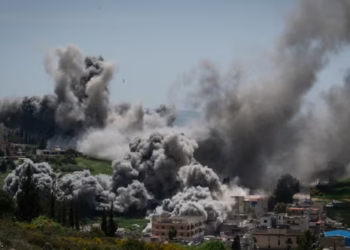 Trump Brokers Ten Day Ceasefire to Halt Lebanon Conflict
 Mexico, Spain and Brazil call for Cuba dialogue amid crisis
 BBC to Apologise Over Edited Trump Speech Amid Backlash
 Britain deploys RAF specialists to assist Belgium with drone threats
 Greene Pushes Epstein Files Amid Trump Fallout
 December Run-Off in Chile as Election Produces No Winner
 Zelenskyy Signs Fighter Jet Deal Amid Russian Drone Attacks
 Shadow Fleet at Sea: Europe’s Battle Against Illicit Oil Shipping
 Tiny Curacao Makes History as Smallest Nation to Reach World Cup
 US Suspends Afghan Immigration After White House Shooting
 Georgians Defy Government Crackdown After Year of Protests
 ‘Extinct’ Antelope Returns to Sahara, Bringing Hope
 Facebook Slow to Remove Bondi Attack Praise, Anti-Hate Group Claims
 Saudi Officials Report Zubaidi Flee Before Yemen Peace Talks
 US Clears Nvidia AI Chip Sales to China in Policy Shift
 US Senate rejects resolution limiting Trump military powers
 Sydney Shark Attack Surge Shocks Australia Beaches
 UK New Car Discounts Near £6,000 as Prices Are Slashed
 Portugal Election Delivers Socialist Win as Far Right Surges
 Australian Families Leave Syrian Camp for Home
 Indian University Kicked Out of AI Summit for Claiming Chinese Robot Dog as Its Own Invention
 Farage Chagos Islands Row Sparks Fury
 Drugs, Denial, Stigma: Fiji’s HIV Crisis Hits Children
 Hilary Knight speaks out on Trump’s recent hockey remarks
 Herzog Asio meeting sparks security storm
 Petrol Prices Soar as Retailers Accused of Gouging Amid Global Tension
 Penny Wong silent on Australian crew in sub strike
 Oil Prices Surge Above $100 Amid Iran War
 Trump Pressures Congress Over Save America Act
 Goma Drone Attack Kills Three as Conflict Escalates
 Queensland Protest Laws Spark Free Speech Backlash
 Trump Nato threats expose Iran strategy vacuum
 Australia Imposes Sudden Travel Ban on Iranian Visitors
 Trump Facing Backlash from Epstein Survivors Over Files
 Chain of Fire: US Bunker Busters Strike Major Iranian Ammo Depot in Isfahan
 ‘The Cost of Living’: Asia’s Migrant Workers Debate if Gulf Jobs are Worth the Risk of War
 Russia: The Unforeseen Winner of the Iran Conflict
 Spain Faces Backlash Over Xenophobic Chants in Egypt Draw
 Report Says Pezzullo Acted ‘Recklessly’ in Dealings
 Reform UK Pledges To Halt Visas Over Reparations Demands
 Starmer visits Gulf as US and Iran agree ceasefire
 Tragedy Strikes Outside Melbourne Comic Con
 “I was fighting two wars”: Ukraine soldiers’ addiction crisis