Published: 17 April 2026. The English Chronicle Desk. The English Chronicle Online.
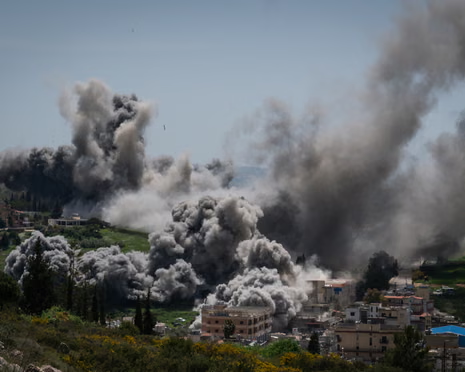
The global community watched with intense anticipation as a significant diplomatic breakthrough emerged late Thursday evening. President Donald Trump announced a ten day ceasefire agreement designed to pause the escalating violence in Lebanon. This unexpected truce followed what the President described as excellent conversations with key regional leaders today. He spoke at length with the Lebanese President Joseph Aoun and the Israeli Prime Minister. These discussions aimed to de-escalate a conflict that has caused immense suffering across the region. The ceasefire officially took effect at the stroke of midnight throughout the sovereign nation of Lebanon. This pause in fighting comes after weeks of devastating Israeli airstrikes targeting the Hezbollah militia. The primary goal of these military operations was to dismantle the Iranian backed armed group.
President Trump expressed high hopes that this short truce would lead to permanent peace deals. He suggested that this agreement could facilitate a broader settlement between the United States and Iran. Next week a historic meeting is scheduled to take place between Israeli and Lebanese leaders. This summit represents the first formal high level discussion between these two nations in many decades. Many international observers view this as a pivotal moment for Middle Eastern stability and security. Prime Minister Benjamin Netanyahu greeted the news with a mixture of optimism and firm national resolve. He stated that the ceasefire offered a rare opportunity for a historic peace agreement. However he also insisted that the disarmament of Hezbollah remains a mandatory precondition for peace. Israel intends to maintain a ten kilometer security zone along the southern Lebanese border area. This zone is intended to protect residents in northern Israel from potential future cross border attacks.

The Lebanese army has already issued stern warnings to civilians displaced by the recent fighting. They advised citizens against returning to their homes in the south due to ongoing risks. Intermittent shelling was reported shortly after the midnight deadline passed in several sensitive border regions. The United States State Department provided specific details regarding the official terms of the truce. These terms strictly prohibit Israel from conducting any offensive military actions within the Lebanese borders. There is however significant room for self defense measures against any planned or imminent attacks. The upcoming Washington summit between Aoun and Netanyahu will likely focus on the Israeli occupation. This meeting is expected to address the complex issues of territorial sovereignty and border security. The Lebanese government has historically struggled to exert control over the heavily armed Hezbollah militia.
Hezbollah member Hassan Fadlallah attributed the current deal to recent and intensive Iranian diplomatic efforts. He stated that the group would respect the truce if Israel halted all hostile acts. The conflict originally spilled over into Lebanon when Hezbollah launched missiles back in early March. This action was taken in solidarity with Tehran following initial strikes on Iranian territory. Israel responded with a ferocious military campaign that included a full scale ground invasion force. This marks the most significant escalation since the previous major conflict over fifteen months ago. Israel has declared an intention to occupy territory up to the scenic Litani River. This area sits approximately eighteen miles from the established international border between the two countries. Lebanon will likely demand a complete and total withdrawal of all foreign Israeli troops.
The ceasefire in Lebanon is linked to parallel negotiations involving the United States and Iran. This broader conflict began following a joint US and Israeli attack back in February. Currently a separate two week ceasefire brokered by Pakistan governs the direct US Iranian hostilities. This specific truce is set to expire on the twenty second of April this month. Initial peace talks held in Islamabad recently broke down after nearly twenty one hours. Pakistan’s army chief Asim Munir is currently in Tehran trying to bridge the gaps. The continued Israeli campaign in Lebanon has been a major sticking point for Iranian negotiators. Tehran insists that any original ceasefire must apply to Lebanon as well as Iran. Pakistani officials remain hopeful that a second round of negotiations will begin very soon.
President Trump recently claimed that Iran has agreed to surrender its entire enriched uranium store. He told reporters that the two sides were remarkably close to a final deal. The President referred to the nuclear material using his own unique phrase nuclear dust. This assertion was made to journalists just before he departed for a scheduled Las Vegas event. If this claim is accurate it would represent a massive concession by the Iranian leadership. However neither Iran nor the Pakistani intermediaries have yet confirmed this specific detail publicly. US Defense Secretary Pete Hegseth issued a stern warning to Tehran on Thursday afternoon. He stated that US forces were locked and loaded for any necessary combat operations. Hegseth emphasized that Iranian leaders must choose wisely during the upcoming diplomatic sessions.
The Defense Secretary also repeated threats to target the vital energy industry within Iran. He described these facilities as dual use targets to justify potential strikes under international law. Oona Hathaway a law professor at Yale argued that dual use is not legal. She explained that targets must meet a very strict definition of a specific military objective. Energy facilities must make an effective contribution to military action to be considered lawful. Destruction of such sites must offer a definite and clear military advantage to the attacker. Not all parts of a national energy industry will naturally meet this legal test. The US military is still required to limit harm to all civilians and objects. The path toward enduring peace remains incredibly fraught with complex political and social challenges. Success on one diplomatic track could easily be derailed by failure on the other.

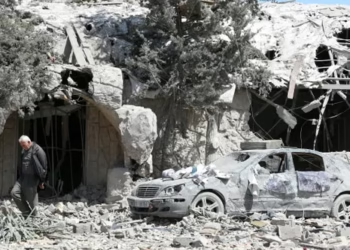
Israel continues to demand the total disarmament of all Hezbollah fighters within the country. This remains a significant challenge for the under equipped and struggling Lebanese national army. The Lebanese army has traditionally avoided direct military confrontations with the powerful Hezbollah group. Lebanon insists that safety can only be achieved once Israeli forces leave their soil. Israel counters that withdrawal is impossible until the safety of northern residents is fully guaranteed. Throughout the negotiations on Thursday Israeli bombing continued to strike various targets across Lebanon. An ambulance was hit in the city of Tebnine resulting in several critical injuries. Two paramedics were among those hurt according to reports from the Lebanese Ministry of Health. Israel also destroyed the last remaining bridge leading into the ancient city of Tyre.
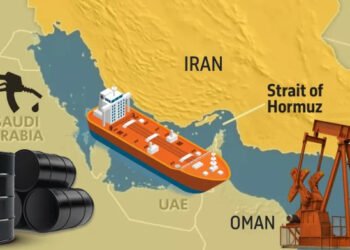
This action has effectively cut off thirty thousand residents from the rest of the nation. Forces also demolished a school in Marwahin as part of a wider village clearing campaign. In less than seven weeks over two thousand people have lost their lives. Thousands more have been wounded by the relentless strikes occurring across the Lebanese landscape. Hezbollah has maintained its own campaign of rocket fire into the northern Israeli territories. They continue to target Israeli military units operating within the southern regions of Lebanon. The new ceasefire is expected to provide a necessary window for humanitarian aid delivery. It may also help facilitate the reopening of the strategic and vital Strait of Hormuz. This waterway is currently mined and faces competing blockades from several different naval powers.
Future negotiations must also address the allowed extent of the domestic Iranian nuclear program. A financial settlement for Iran is another complex issue that requires a careful resolution. The Pentagon recently reported that a US naval force turned back thirteen different vessels. Secretary Hegseth confirmed the blockade would remain in place for the foreseeable future. Despite the tension the ten day truce offers a glimmer of hope for peace. Leaders around the world are calling for restraint to ensure the ceasefire holds firm. The upcoming summit in Washington will be a true test of regional diplomatic will. Families on both sides of the border are praying for a permanent end. The next ten days will determine if this is a beginning or a pause. Diplomacy remains the only viable path forward to prevent further loss of innocent life.
Related News:
 EU Weakens as Trump Targets Venezuela and Greenland
 Venezuela Oil Deal Opens Tensions with US Control
 US Citizens Warned to Venezuela Flee Amid Paramilitary Threats
 Gulf states warn Trump Iran strikes risk wider Middle East war
 Machado Trump medal gesture reshapes Venezuela power struggle
 Greenland defence seen as shared Nato duty amid troop arrivals
 Gulf states warn Trump Iran strikes risk wider Middle East war
 Trump Receives Machado’s Nobel Medal in White House Meeting
 Iran unrest slows under brutal crackdown and global tensions
 Syria President Declares Victory as Ceasefire Reached with SDF
 US Considers Asylum for British Jews Amid Rising Antisemitism
 Thousands Protest ICE Operations in Nationwide US Day of Action
 Epstein Files Reveal Trump Officials’ Emails with Financier
 Thousands Protest ICE in New York Against Trump Deportation Campaign
 Sydney Protest Pepper Spray Clash During Herzog Visit
 Cuba Kills Exiles in Speedboat Attack from US Waters
 Yvette Cooper: UK Must Follow Principles, Not US Pressure
 Saudi Arabia Urging US to Keep Up Iran Attacks
 Washington Enlists Musk to Battle Global Hostility Online
 Teen Girl Charged After Alleged Melbourne Hate Crime Spree
 Macron Urges Stability as Trump Jolts Nato and Iran
 Trump Address Sparks Global Backlash Over Iran War Tactics
 Macron Rebukes Trump Following Mockery of His Marriage
 Trump Sets Tuesday Deadline for Iran to Reopen Vital Strait
 Tragic End to Outback Search as Floods Claim a Life
 Ben Roberts-Smith Arrested Over Alleged War Crimes
 Trump and Tehran Find Common Ground in Landmark Ceasefire
 Netanyahu Vows Continued Lebanon Strikes Amid Peace Talks
 Trump Predicts Rapid Return to Peace Talks in Pakistan
 Reeves Slams Trump Over Iran War Lack Of Exit Plan
 US and Iran Pursue Extension of Ceasefire via Pakistan
 Mexico, Spain and Brazil call for Cuba dialogue amid crisis
 Tensions Flare as Iran Rejects New Peace Talks with US
 Ukraine Urges UK to Seize Russian Oil Tankers
 US Calls Australia Media Law “Foreign Extortion”
 Tragic End to Search for Missing Girl in Alice Springs
 Questions Remain Over The Tragic Bondi Massacre
 Activists allege abuse after Gaza flotilla seizure
 Ukraine strikes Tuapse as oil disaster worsens
 Global order shifts amid Trump-era turmoil
 Australia pushes Pacific security pact amid China tension
 Indiana Republicans Defy Trump in Key Vote Test
 Middle East Crisis Escalates as Oil Routes Shake Markets
 FIFA Confirms Global Ban for Benfica Star Prestianni
 New South Wales Wetland Rescue Legislation Passes
 Tensions Emerge in Netanyahu-Trump Alliance
 Putin Declares Russia Victory at Scaled Victory Day Parade
 US and Mexico Face Heatwave as Floods Batter South Africa
 The Long Way Home: Australia’s High-Stakes Virus Mission
 Trump Warns Iran Ceasefire Is Now on Life Support
 Putin Signals War End as Russian Momentum Stalls
 Scepticism and tight security as Beijing braces for Trump
 UN Faces Crucial Vote on Landmark ICJ Climate Ruling
 US-Mexico Crisis: Cartel Allegations Push Ties to Brink
 Netanyahu Calls Early Election Amid Coalition Turmoil
 Philippine Senator Flees After Days Under Senate Siege
 Solomon Islands Elects China Critic Matthew Wale as Leader
 Tragedy in the Maldives: Inside the Deep Sea Rescue
 US Ebola Case Sparks Urgent Global Screening Measures
 Xi Hosts Putin in Beijing Days After Landmark Trump Summit
 Fragile Truce Shattered as Violence Escapes Diplomatic Control
 The Hunt for Bato: Inside the Hunt for the Fugitive Senator
 Israeli Strikes in Lebanon Kill 10 Amid Ceasefire Strain
 Zelenskyy warns over Oreshnik threat as Kyiv hit
 Hunger increasingly weaponised in global conflicts
 Discontent grows around Putin amid war strain
 Former ICC prosecutor condemns US sanctions
 Bondi Tragedy Survivors Face Online Abuse After Inquiries
 Japan Suffers Plastic Shortage Due to Middle East Crisis
 Venezuela Opposition Steers Uncharted Path Forward
 Aukus Deal Facing Fierce Backing and Historic Criticism
 Thai Princess Bajrakitiyabha Passes Away at 47
 Sentenced to 30 Years: Former Leader’s Secret Drone Plot
 Kyiv Heritage Blazes After Night of Brutal Russian Strikes
 Iran To Propose New Shipping Fees In Strait Of Hormuz
 Trump’s Iran Legacy Hangs on Tehran Deal
 High Drama in Tehran Over Secret Nuclear Letters
 Houthis Strike Saudi Arabia as Middle East Tensions Rise
 Taliban global ties grow as rights fears mount
 Seoul proposes historic peace talks to replace Korean War armistice